



The 25.5-inch scale length of a Fender Stratocaster drives up string tension compared to shorter-scale guitars, making your string choice matter more than most players realize. Heavy strings deliver robust low end but demand serious finger strength. Lighter gauges offer fluid bends but sacrifice tonal body. This guide cuts through the marketing noise with practical insights grounded in manufacturer specs and real-world performance. The right strings transform your Strat from decent to dialed-in.
This content may contain affiliate links. If you wish to support us and use these links to buy something, we may earn a commission.
9. Light-gauge Electric Guitar Strings (.008–.038 or .009–.042)
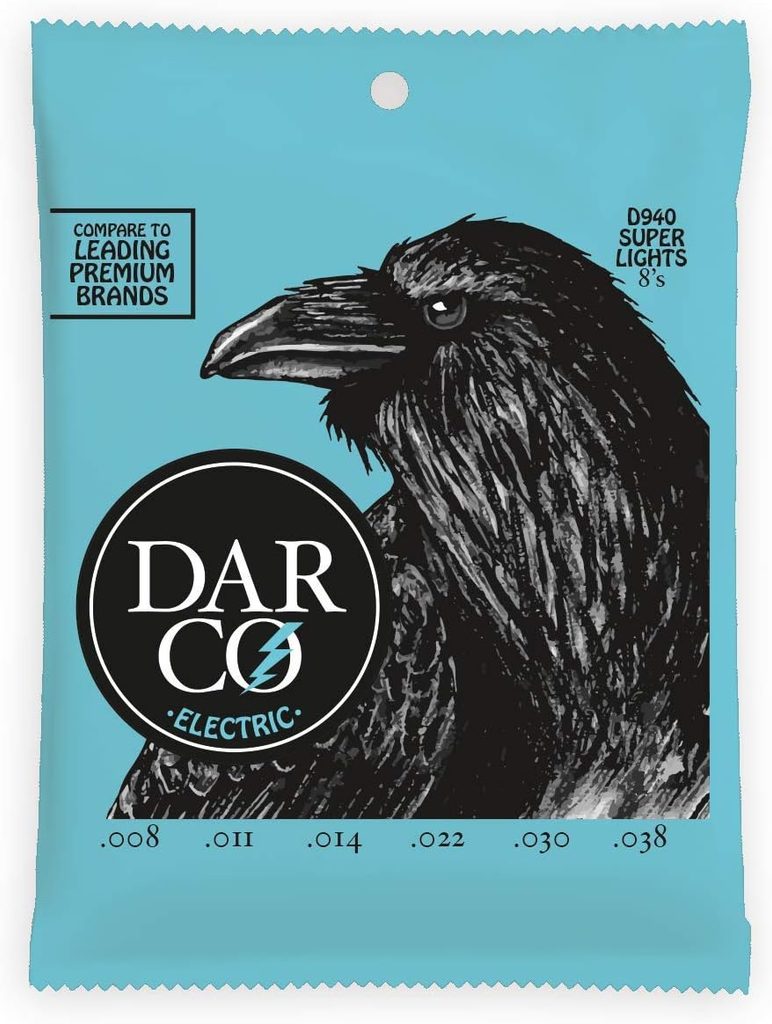
Easier bending and fretting for players prioritizing comfort over maximum output.
Raw fingertips and hand cramps make beginners question whether guitar is worth the pain. Shifting to lighter electric guitar strings in the .008–.038 (Extra Super Light) or .009–.042 (Light) range significantly eases this struggle. On a 25.5-inch scale length, these gauges demand less force to fret and bend, letting new players focus on technique rather than fighting their instrument.
Lighter strings come with a sonic trade-off. Lower string mass generally produces less volume, and some players report a more treble-forward character compared to heavier gauges. Power chords might lack the room-filling presence you’d expect from a Marshall stack. These strings serve as training wheels for your fretboard journey, granting freedom at a tonal cost.
8. Medium-gauge Electric Guitar Strings (.010–.046)
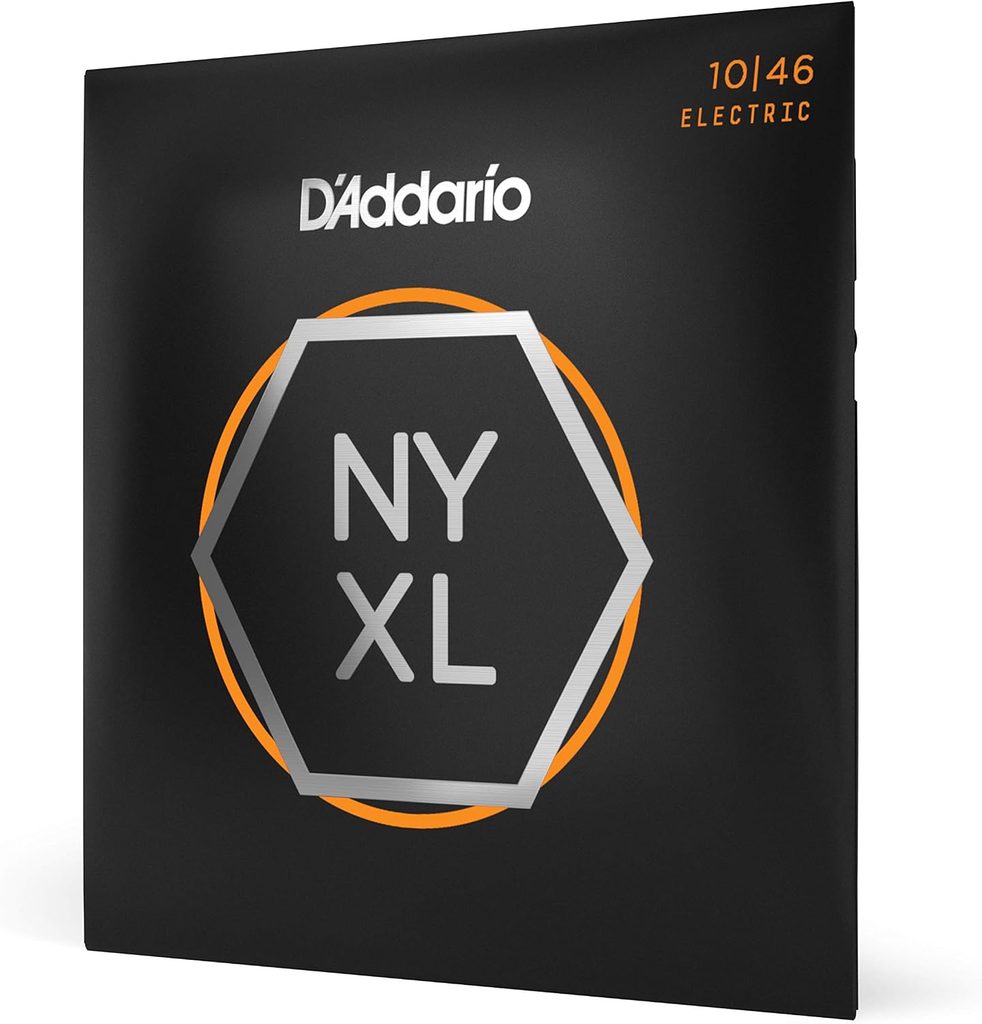
The workhorse gauge that balances playability with substantial tone.
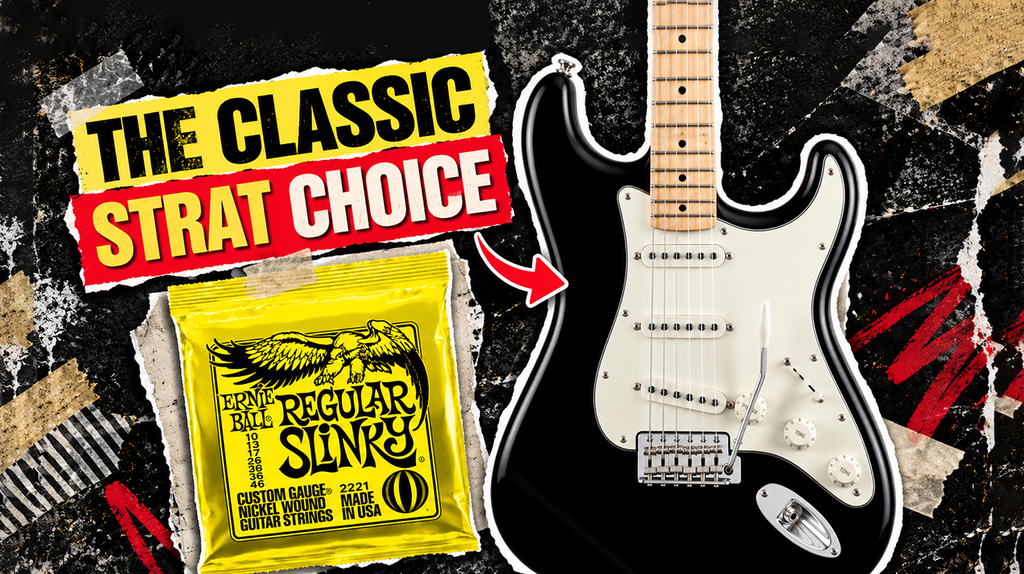
D’Addario’s educational material confirms that heavier strings deliver more resistance and a fuller tone. Medium-gauge electric strings like .010–.046 occupy the middle ground between ultra-light beginner sets and heavy-gauge monsters. Ernie Ball’s 10–46 Regular Slinky set balances tension and tone, offering enough resistance for satisfying bends without requiring weightlifter fingers.
Upgrading from .009s delivers immediate sonic depth. The guitar gains a thicker, more resonant voice—like trading a disposable vape for a proper espresso machine. These strings handle studio sessions and live gigs with equal reliability, providing the consistent performance most players need without the extremes of lighter or heavier options.
7. Heavy-gauge Electric Guitar Strings (.012–.052 and above)
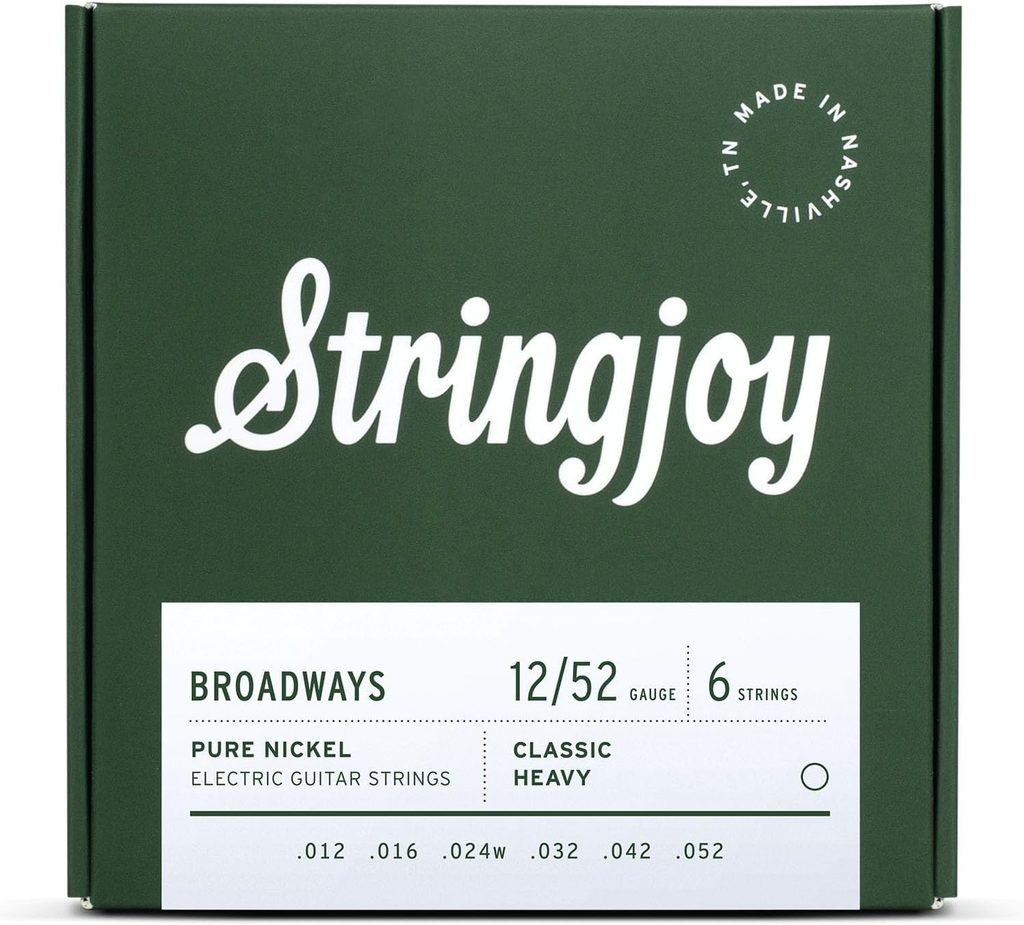
Maximum tension, low-end authority, and sustain for players who want power over ease.
Attempting drop-C tuning with standard .009–.042 strings produces a floppy response that lacks the tension for tight, aggressive riffing. Thin strings in lower tunings deliver all the impact of a decade-old internet trend. Heavy-gauge electric guitar strings like Fender’s .012–.052 sets provide the necessary backbone.
D’Addario offers specialized sets such as 11–56 for players seeking increased tension and fuller tone. These thicker gauges provide greater resistance, stronger low-end response, and extended sustain—crucial for powerful metal riffs. The trade-off? Significantly more fretting and bending effort. The colossal tone they unlock justifies every ounce of hand strength you’ll develop.
6. Ernie Ball Electric Guitar Strings
The yellow-and-red packet that defined electric guitar tone for generations.
That yellow and red Ernie Ball packet sits in guitar cases everywhere, a pre-Instagram icon of electric guitar culture. The Slinky Nickel Wound range offers consistent tone across multiple gauges, with the 10–46 Regular Slinky set serving as the industry’s reliable middle ground. Ernie Ball’s catalog also includes alternative materials like Cobalt and M-Steel for sonic experimentation.
New guitarists appreciate Ernie Ball’s combination of affordability and quality. That moment when you nail a clean bend without your fingertips screaming feels like unlocking a cheat code. The brand’s accessibility makes those first garage-band chords feel achievable, even if Wembley Stadium remains a distant dream.
5. D’Addario Electric Guitar Strings
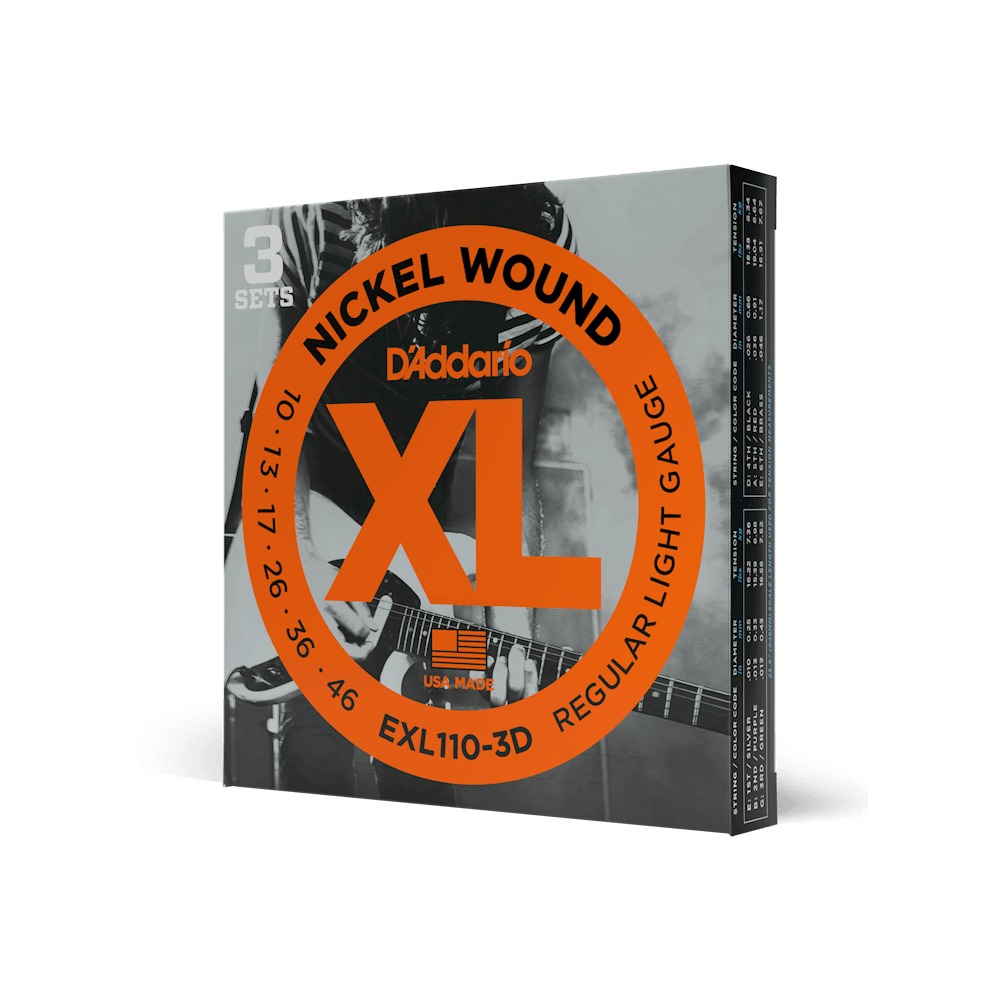
Comprehensive catalog serving every gauge need and tuning scenario.
D’Addario’s electric guitar string catalog covers the full spectrum from classic tone to extreme durability. The XL Nickel, NYXL, XS, and XT lines offer options ranging from light sets like 9–42 for intricate leads to heavier configurations like 11–56. D’Addario specifically identifies its XL Nickel 11–56 set as suitable for drop D and its 12–60 set for C tuning.
A floppy low string kills any aggressive riff faster than bad Wi-Fi kills a video stream. D’Addario’s balanced-tension sets maintain consistent feel across all strings, preventing that loose-puppet sensation. A musician dialing in custom C tuning achieves guttural resonance without the buzzing and instability that plague standard-gauge sets in lower tunings.
4. Elixir Electric Guitar Strings
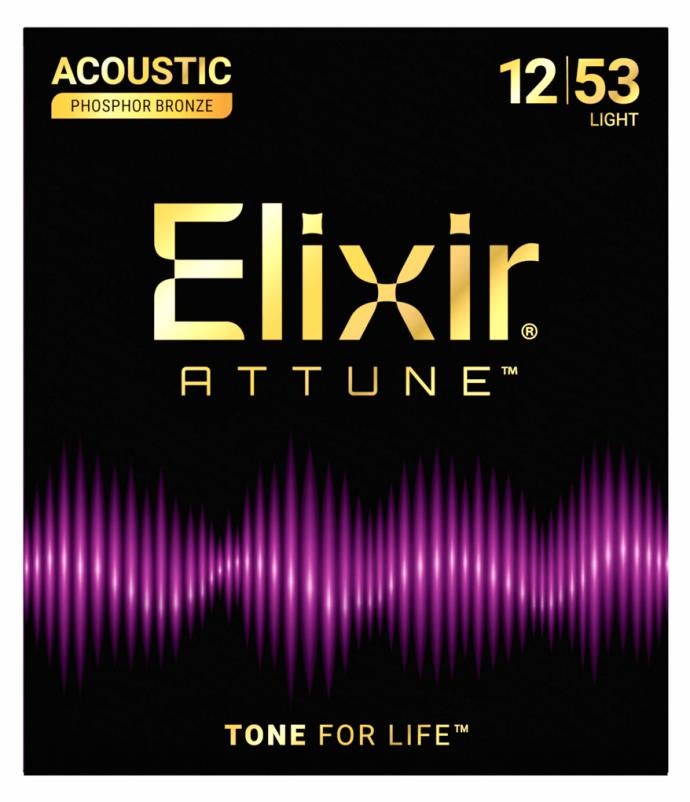
Coated strings that prioritize longevity over frequent replacement.
Most guitarists burn through strings faster than viral dance trends cycle through social media. Elixir’s coated strings extend string life by reducing the wrap wire’s exposure to dirt, sweat, and corrosion. The protective layer acts like a velvet rope at an exclusive club, keeping the grime out.
Touring musicians appreciate strings that maintain consistent tone across multiple performances. Dead strings kill a vibe faster than technical difficulties at a sold-out show. Elixir’s construction defies the elements, holding up longer than vintage vinyl that’s survived decades of heavy rotation. Reliability matters when you can’t afford mid-tour tone degradation.
3. Fender Electric Guitar Strings
OEM precision for Stratocaster loyalists who refuse to compromise.
Fender offers electric-guitar sets in multiple gauges, from Extra Super Light .008–.038 to Heavy .012–.052, covering nearly every player preference. The catalog includes standard nickel-plated-steel sets and signature designs like the .008–.046 Yngwie Malmsteen set for players seeking specific feel and response.
Stratocaster purists often refuse anything but Fender strings on their vintage axes. This devotion borders on tribalism—mixing brands feels like putting ketchup on a Michelin-starred steak. Sometimes the original recipe simply delivers the intended sonic character better than any third-party alternative.
2. Nickel-plated-steel Electric Guitar Strings
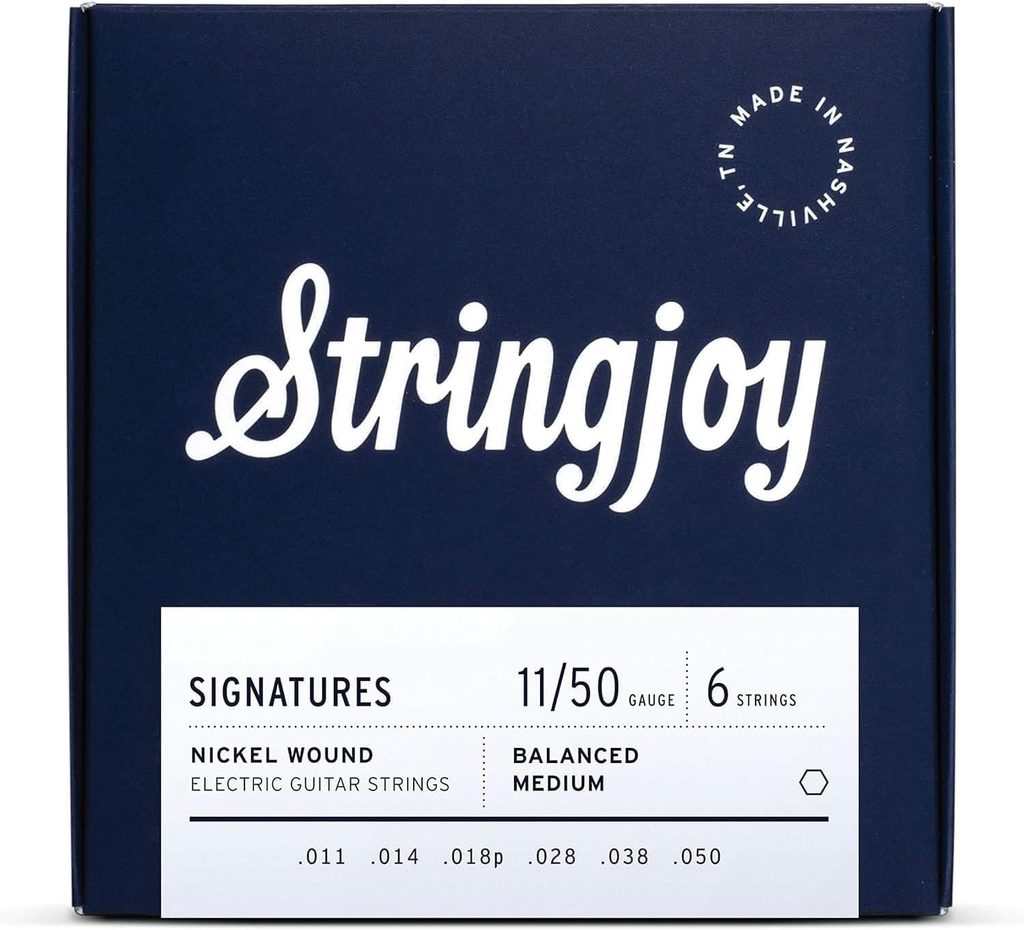
The standard construction that works effectively with magnetic pickups.
Electric guitar tone hinges on strings’ interaction with magnetic pickups. Nickel-plated steel provides balanced output that lets the magnetic field capture the full frequency range without wrestling specific frequencies. The construction delivers classic bright, punchy tone that cuts through a mix.
Power chords snap through the amp with clarity and presence, like fresh contrast in a well-mixed track. Fender’s Yngwie Malmsteen signature set uses nickel-plated steel with an extremely light .008–.046 gauge combination. Sometimes pickups don’t need exotic alloys or space-age coatings—just tried-and-true construction that lets the magnetic response shine.
1. Drop-tuning Guitar Strings
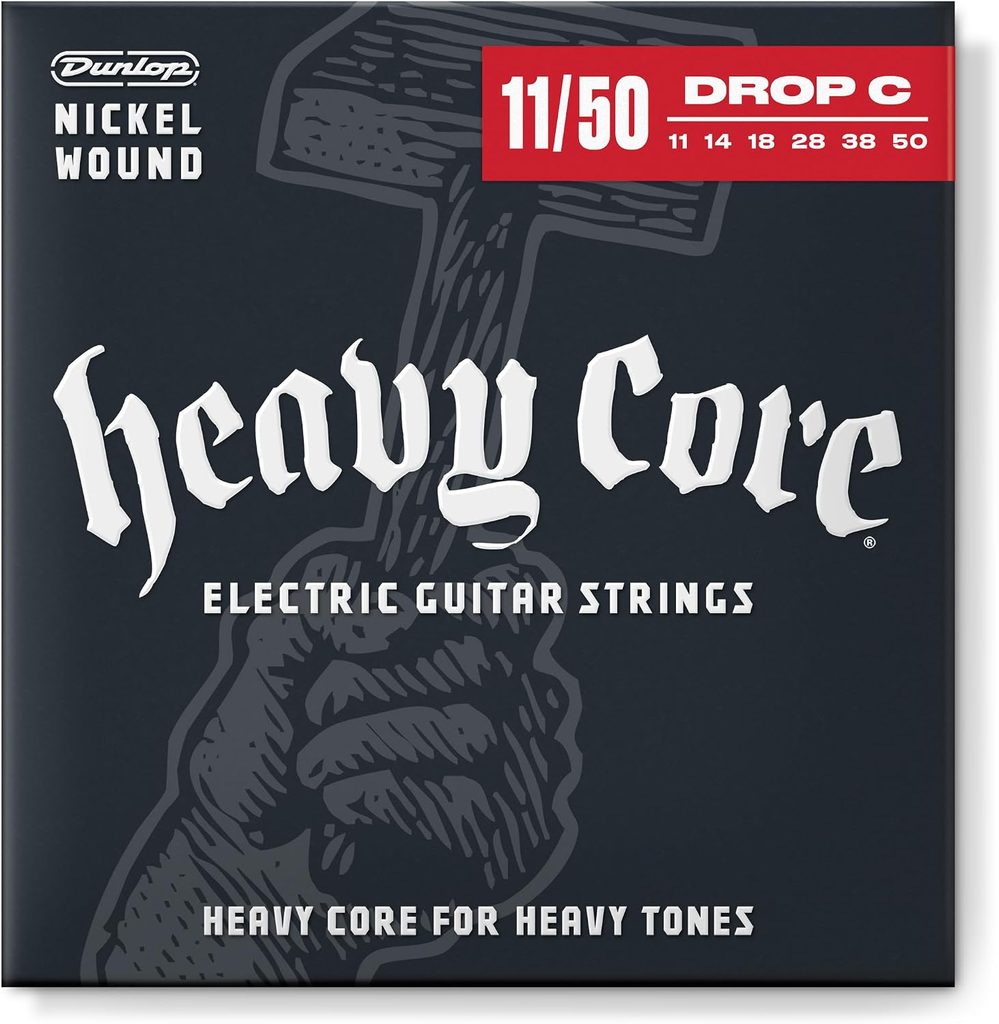
Heavier gauges engineered to maintain tension in lower tunings.
Gut-punching low-end guitar tones define modern metal, but simply detuning standard strings reduces tension to the point of uselessness. Dropping from E standard to C standard drastically reduces string tension, turning aggressive chugging riffs into a muted mess. Thicker string gauges ensure the strings remain taut enough for satisfying firmness and tuning stability.
D’Addario’s educational material recommends heavier sets for lower tunings to restore proper tension. The XL Nickel 11–56 set suits drop D applications, while the 12–60 set handles C tuning. These specialized gauges prevent the lowest strings from wobbling and buzzing, letting players unleash bone-rattling riffs with the stability and clarity heavy music demands.