



The guitar effects market churns out overdrive pedals like a factory line gone rogue, each one promising “amp-like tone” and “transparent boost.” Most sound like wasps trapped in shoeboxes. Players blow cash chasing sounds that vanish faster than crypto portfolios during a bear market. This guide cuts through the noise: five tone bandits drain wallets while five smart alternatives actually work. Learn which pedals belong on a rig instead of an Instagram story.
This content may contain affiliate links. If you wish to support us and use these links to buy something, we may earn a commission.
Overpriced
9. Fulltone OCD
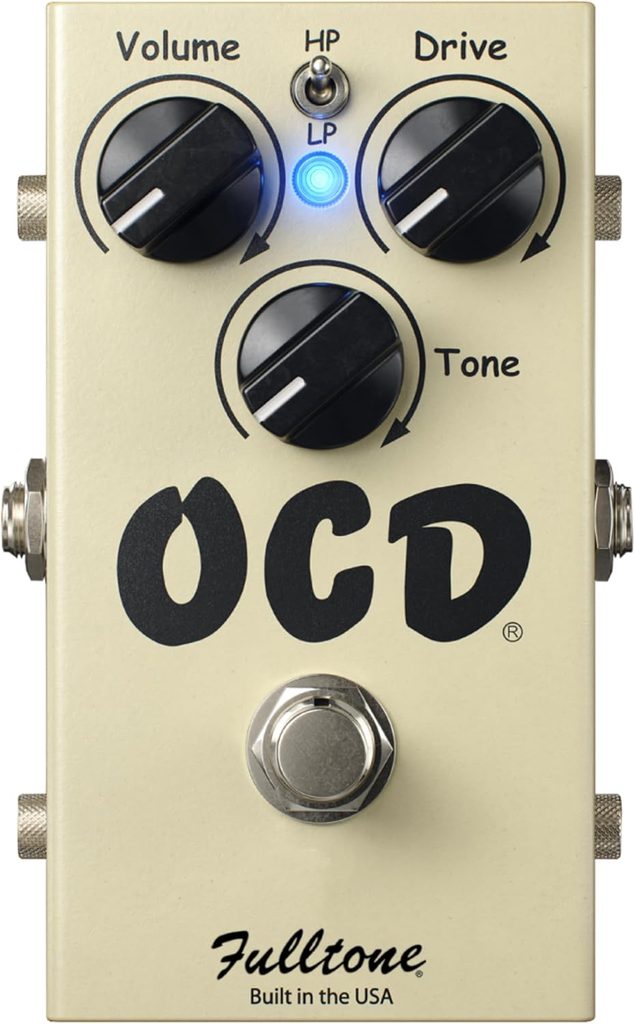
Once a solid workhorse, now priced for collectors who mistake controversy for quality.
The Fulltone OCD employs MOSFET clipping configured as hard clippers to a voltage reference, delivering two voicings for dynamic, amplifier-like response. Its V2 iteration adds a JFET input stage, increased input impedance, and selectable True Bypass or Enhanced Bypass operation. These technical updates rarely register in blind tests against budget clones.
Used models command $250 or more despite perfectly capable sub-$90 alternatives delivering identical tones. The circuit moved to Texas under new ownership, and manufacturing continues through Fulltone USA. Elevated prices reflect scarcity and badge appeal, not superior sound. Paying premium rates for this pedal is like mythologizing a band’s early demo after a public meltdown while ignoring better-produced studio versions.
8. Paul Cochrane Timmy
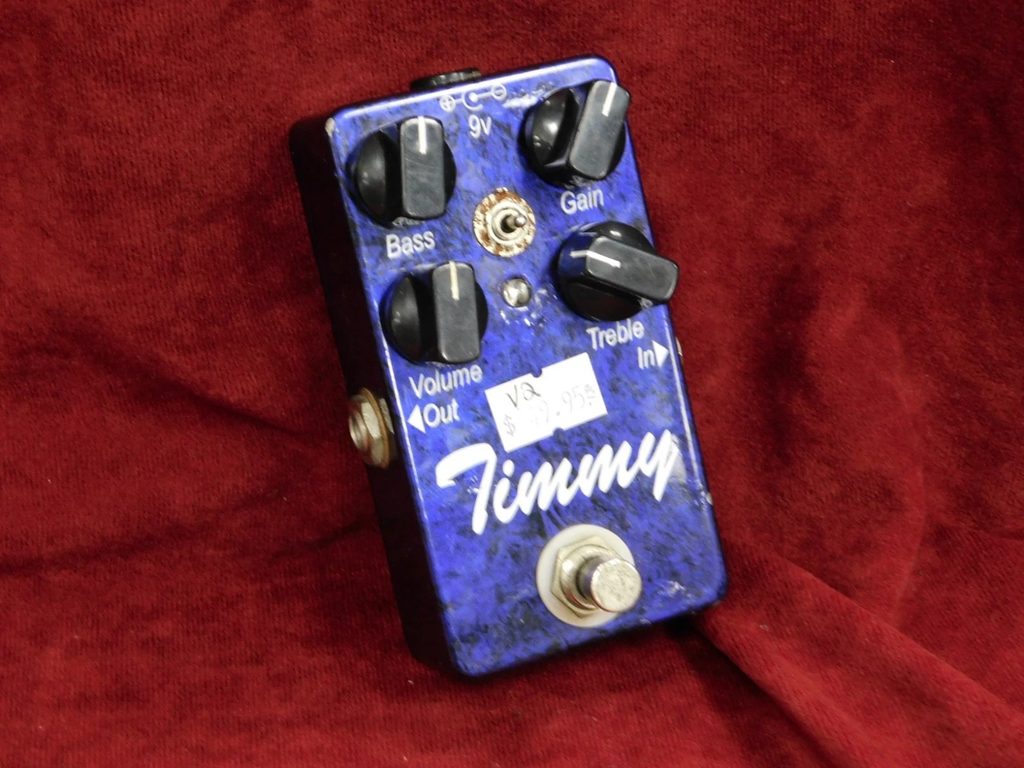
Transparency earned through reputation, access blocked by artificial scarcity.
Paul Cochrane’s low-compression, low-gain design preserves guitar and amplifier character. Controls allow pre-clipping shaping of bass and treble frequencies, maintaining fundamental tone like studio monitors revealing every nuance. Hand-built, small-batch production creates waiting lists stretching past a year, pushing secondary market prices past $250.
The MXR Timmy delivers the same circuit in a compact mini enclosure, though it requires a 9V power adapter and cannot use battery power. Players face a choice: join queues longer than limited-edition sneaker drops or pay premiums for immediate gratification. Elevated resale prices reflect convenience costs, not unreplicable circuit magic. The tariff buys queue-skipping rights, nothing more.
7. J. Rockett Audio Designs Archer
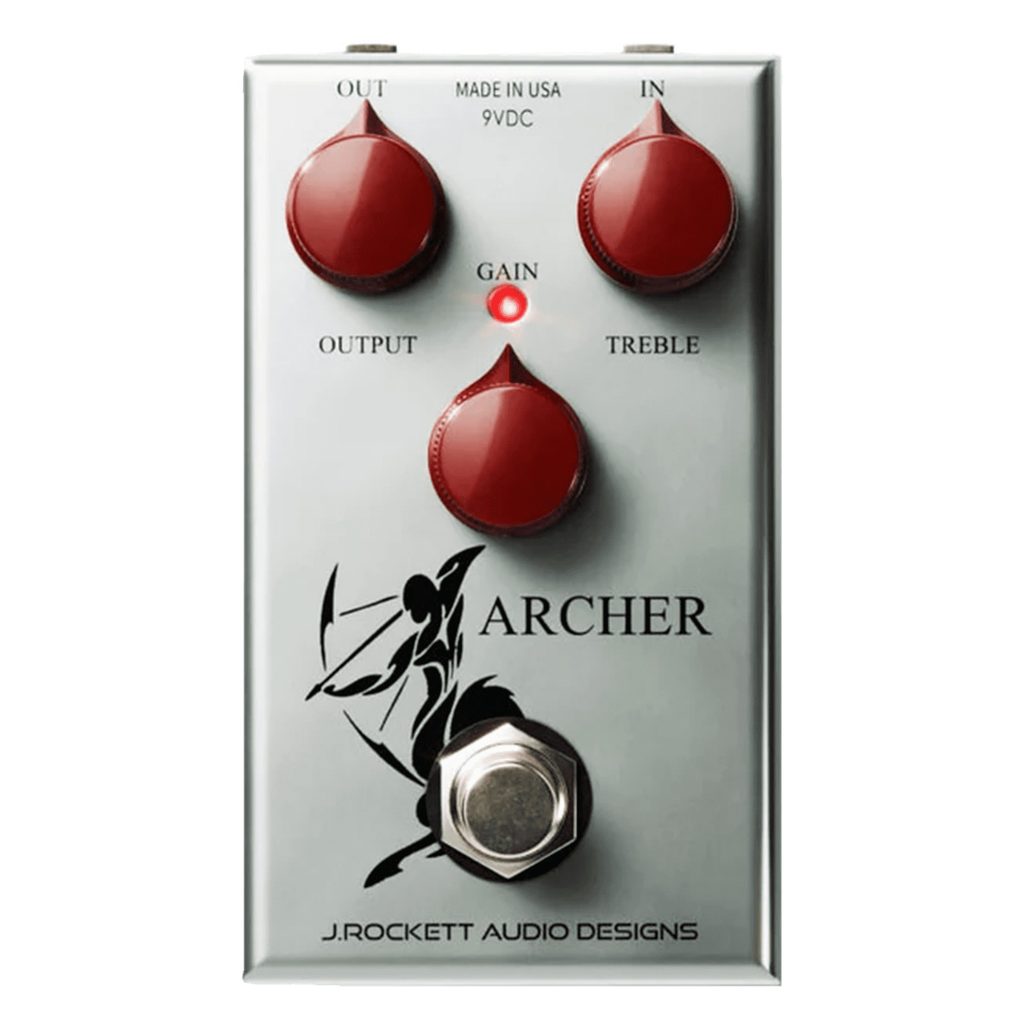
Brand recognition commanding premiums on widely available circuit designs.
The Archer provides transparent boost and overdrive based on Klon Centaur concepts. Output, treble, and gain controls pair with an internal charge-pump circuit raising 9V input to approximately 18V internally for increased headroom. The pedal draws about 26 mA and operates from battery or adapter.
Session musicians frantically assembling rental boards grab the Archer for its name and guaranteed availability, much like buying Supreme tees for branding over fabric quality. Similar op-amp clipping circuits appear in pedals priced $80–$90 lower, delivering identical functionality. The premium tags brand recognition and consistent stock rather than superior circuitry. Paying extra for this pedal mirrors buying bottled water at festivals: convenient, expensive, and ultimately unnecessary.
6. Klon Centaur & Klon KTR
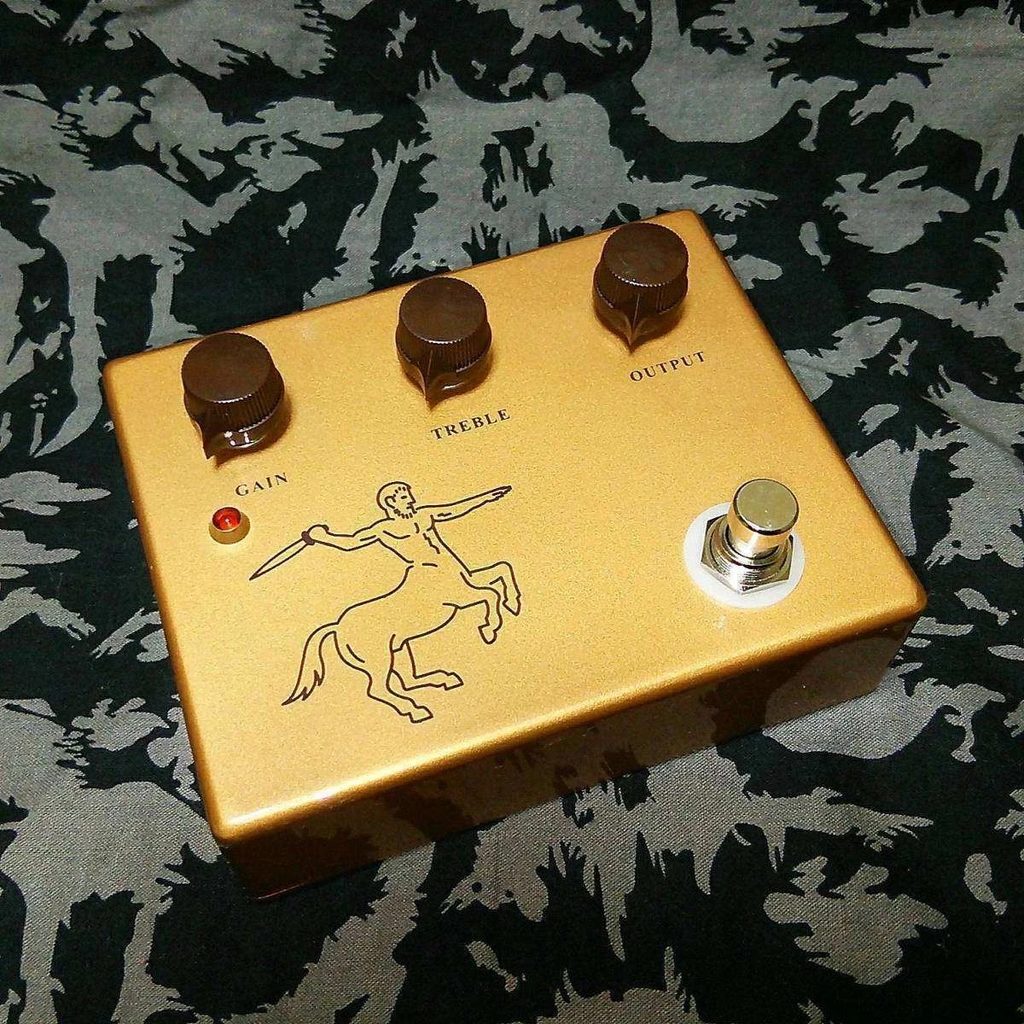
Scarcity elevating prices on circuits that leaked years ago.
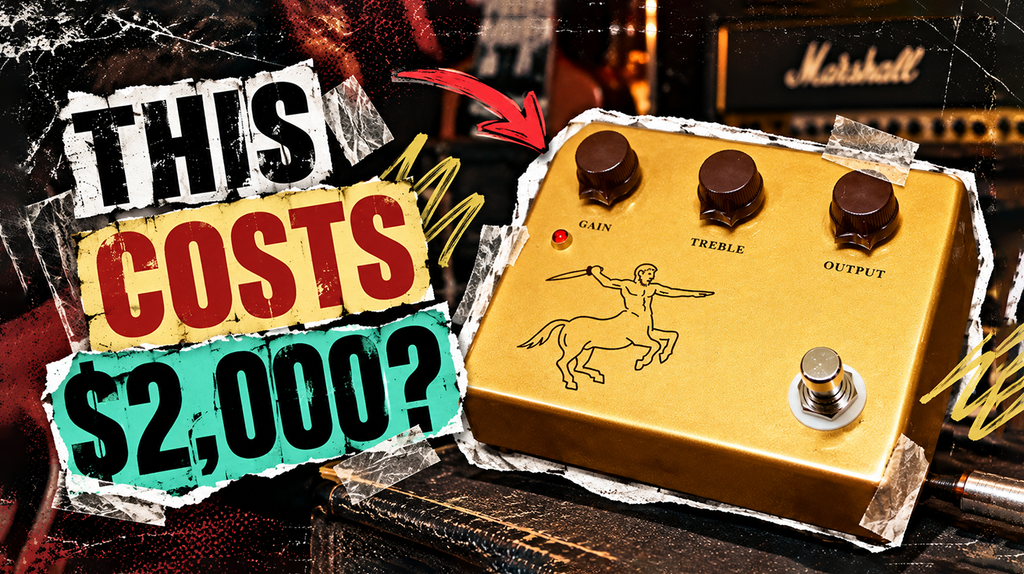
Bill Finnegan produced approximately 8,000 original Klon Centaurs during the 1990s and 2000s. The circuit combines clean signal with clipped signal, producing pronounced boost, midrange presence, and touch-sensitive overdrive. Boards sealed with epoxy potting contained germanium clipping diodes. Original units fetch over $2,000 on secondary markets, with rare variations climbing into five figures. Buyers track serial numbers like hypebeasts hunting limited-edition sneakers.
The KTR emerged as the official successor, delivering the core boost and overdrive concept in a compact enclosure with modern production methods. The pedal retails around $300, feeling reasonable compared to its predecessor. Circuit schematics have been extensively analyzed and published, prompting numerous lower-priced derivatives. Original Centaur prices reflect legend and scarcity, not unreplicable sonic properties. The story commands premium prices; the sound doesn’t.
Smart Buy
5. Way Huge Green Rhino MkV
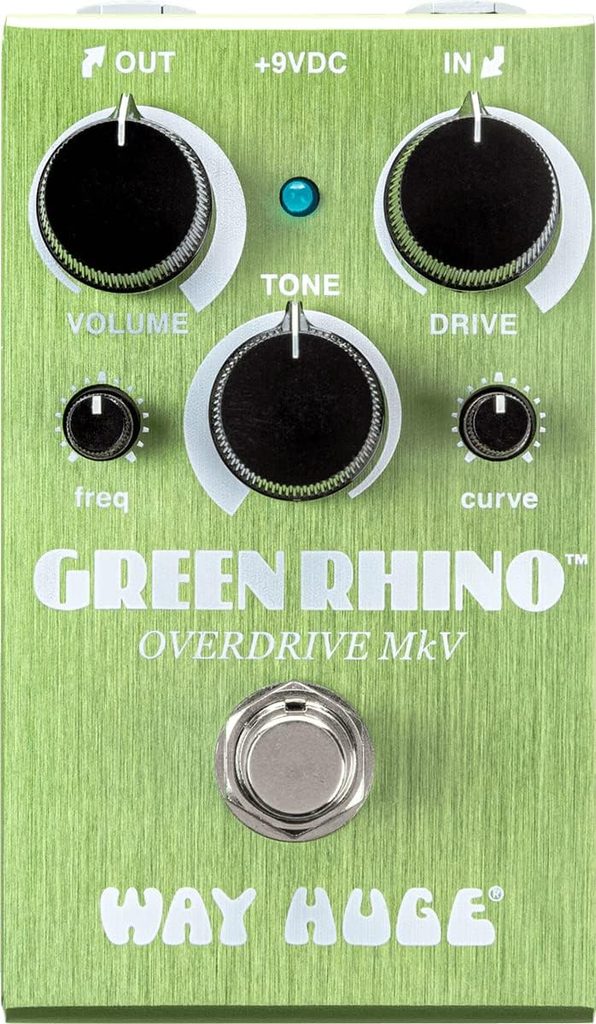
Tube Screamer lineage with expanded controls and zero collector drama.
The Green Rhino MkV delivers mid-forward, compressed breakup rooted in Tube Screamer-family designs. Volume, tone, and drive controls pair with additional shaping controls for low and high frequencies. The circuit handles blues, country overdrive, and classic-rock distortion without requiring vintage-unit treasure hunts.
Jim Dunlop produces the pedal steadily under the Way Huge brand, maintaining consistent availability. The Green Rhino MkV is a dependable workhorse, hitting the right notes without drama—like a roadie who never misses sound check. Steady production eliminates collector markups, delivering reliable tones for working musicians across genres.
4. Wampler Tumnus Deluxe
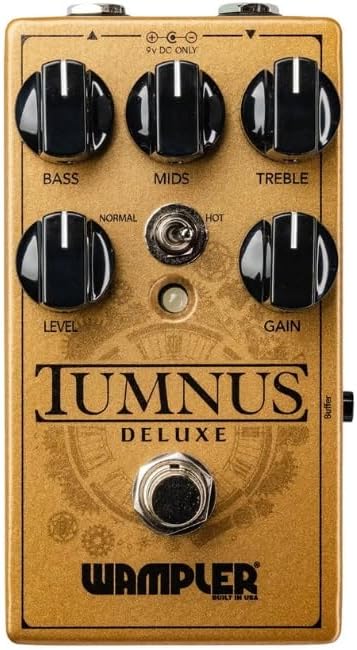
Expanded tone shaping without astronomical prices or waiting lists.
The Tumnus Deluxe provides transparent, Klon-style overdrive with separate bass and mid controls alongside core gain, volume, and treble adjustments. This expanded control set adapts to different amplifiers and guitars, delivering clean boost, low-gain overdrive, and higher-gain saturation while retaining clarity and pick response.
Players dialing in tones for specific amplifiers can adjust bass or boost mids to cut through dense mixes without guesswork. Unlike finicky vintage gear requiring VCR-level programming skills, the Tumnus Deluxe offers intuitive operation. Wampler has also offered compact Tumnus variants for players with limited pedalboard space. Readily available at roughly one-third the price of legendary Klon-style units, this pedal proves golden tickets aren’t required for great tone.
3. EarthQuaker Devices Plumes
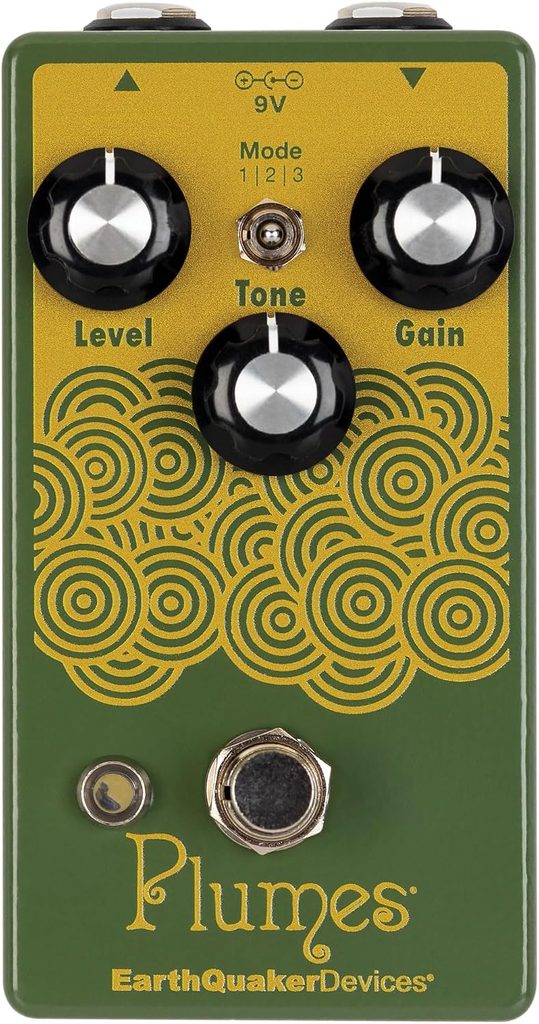
Three clipping modes delivering broader range than single-purpose boutique boxes.
The Plumes provides compact overdrive with three selectable clipping modes altering compression, headroom, and harmonic character. Standard volume, tone, and gain controls allow dialing everything from subtle edge to full-on crunch. Players needing grittier lead tone mid-set can flick a switch, instantly reconfiguring the pedal’s response.
Manufactured in Akron, Ohio, the Plumes covers more practical sonic ground than many boutique pedals that feel like vintage vinyl playing one track. Shifting from smooth breakup to aggressive roar adapts to song requirements without complex histories or collector markups. EarthQuaker Devices delivers honest, dynamic overdrive backed by full warranty coverage.
2. Marshall Bluesbreaker Reissue
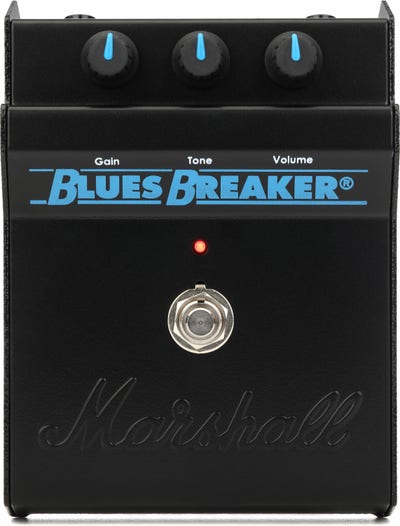
Original circuit lineage without boutique mythology or waiting lists.
Marshall’s Bluesbreaker reissue is based on the 1991 pedal that became an important reference for low-gain, open, touch-sensitive overdrive. The circuit lineage is associated with later pedals including the Analog Man King of Tone. Manufactured in the United Kingdom, the reissue provides volume, tone, and gain controls designed to deliver lightly compressed breakup, clean boost, and responsive low-gain overdrive.
The pedal ships ready for pedalboards without joining waiting lists longer than Taylor Swift tours. Marshall provides a direct path to classic tones at $249, bypassing boutique markups and the lottery-winning feeling required just to acquire decent drive pedals. Historically significant circuits shouldn’t require mystique or years-long queues.
1. Electro-Harmonix Soul Food
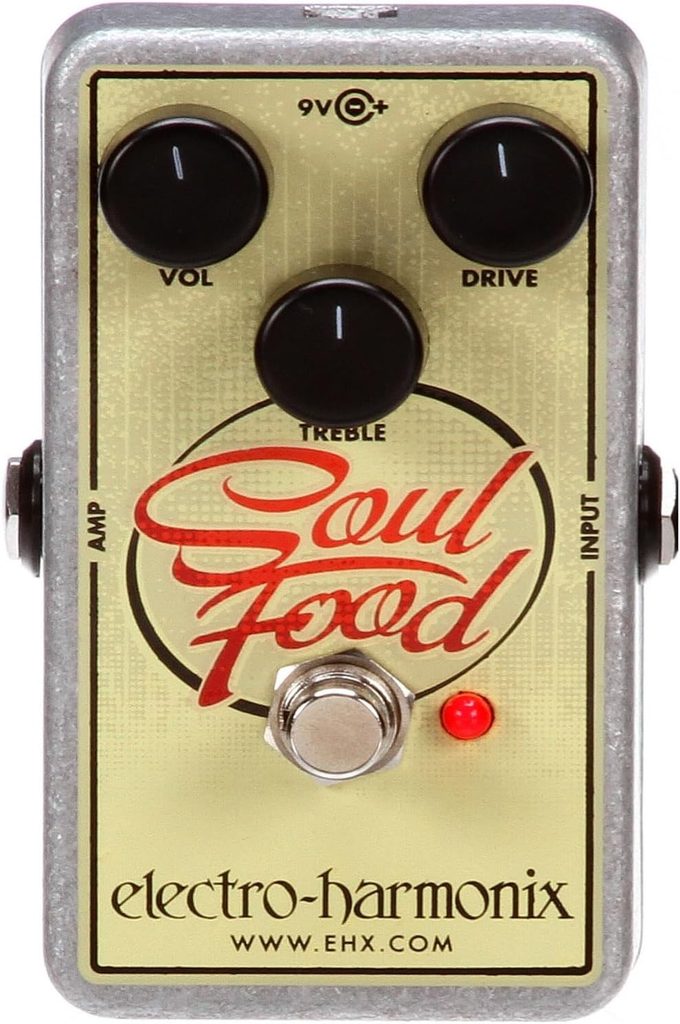
Klon-style transparency at roughly 2% of Centaur prices.
The Soul Food delivers transparent, high-headroom drive character associated with Klon-style pedals. Volume, treble, and drive controls allow the pedal to function as an always-on boost, low-gain overdrive, or amp-pusher. The circuit accepts 9V battery or standard power supply, making it adaptable for various rig configurations.
Seasoned touring musicians tuck Soul Food pedals into gig bags as reliable backups that perform even when pricier options anchor main boards. The pedal tackles most transparent overdrive jobs at accessible prices, making it indispensable for players prioritizing tone over status. Finding Michelin-star meals at diner prices doesn’t happen often—but when it does, smart players stock up.