



The music gear market can feel like a band’s reunion tour: full of big names, but often delivering an echo of past glory at an inflated price. Navigate a landscape where the latest TikTok trends meet decades of brand prestige, making smart choices crucial. Finding genuinely valuable gear means cutting through the noise to identify what truly performs. This guide reveals multi-effects units that defy expectations, alongside those that simply don’t justify their cost, giving the definitive rundown for informed purchases. Stop buying gear that sounds like a demo and invest in the rig that earns its place on the pedalboard.
This content may contain affiliate links. If you wish to support us and use these links to buy something, we may earn a commission.
Skip These
10. Boss GT-1
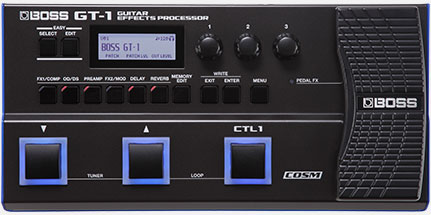
A relic from 2016 that clings to mid-’90s technology while charging modern prices.
A piece of guitar tech still on shelves today, the Boss GT-1 launched in September 2016. The unit relies on COSM (Composite Object Sound Modeling), a digital engine that debuted in 1995—a tech fossil in an era of AI-driven captures. The unit’s audio clocks in at a 44.1 kHz sampling frequency, which is like buying a dial-up modem when everyone else is on fiber optics.
Boss’s upcoming GX-1, arriving in 2026, will run on modern AIRD technology with higher fidelity processing. Yet the GT-1, despite its heritage status, still retails for an approximate sCtreet price of $200. This persistence on the market feels like finding a cassette player in an Apple Store, a truly baffling moment for unsuspecting buyers.
9. HeadRush Core
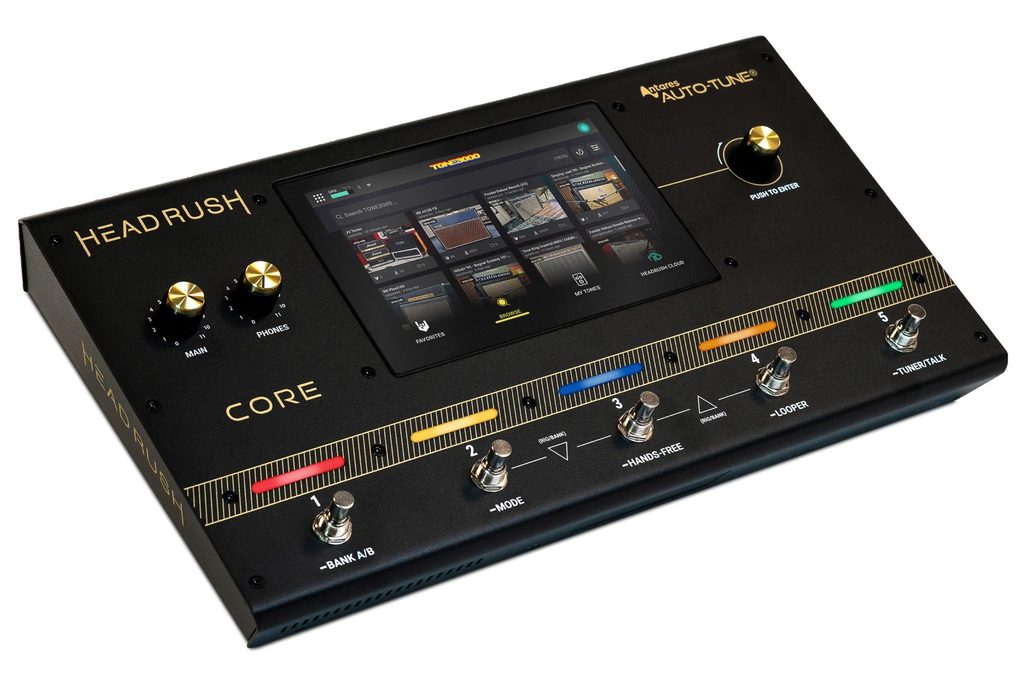
Impressive features meet a fledgling ecosystem that lags behind established rivals.
At a street price around $650, the HeadRush Core offers features often seen in higher-priced units. Its generous 7-inch full-color touchscreen streamlines complex routing via intuitive drag-and-drop signal chain editing. HeadRush’s proprietary ACT (Audio Cloning Technology) captures favorite amps, preamps, and drive pedals, providing a digital sous chef for tone.
This positions the Core directly against rivals like the Line 6 HX Stomp, available around $600. Its ecosystem and community feel like a fledgling indie band compared to the HX Stomp’s decade-long, stadium-filling legacy. Consider the deeper support of an established platform; appreciate it when troubleshooting gear, much like finding parts for a rare prototype versus a common Honda Civic.
8. Line 6 POD Go
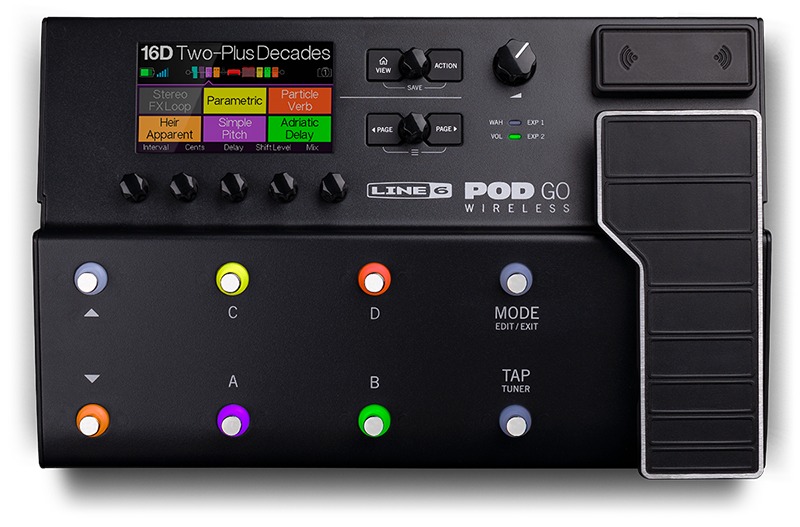
A simplified Helix engine disguised as a full-featured processor, with restrictions that bite.
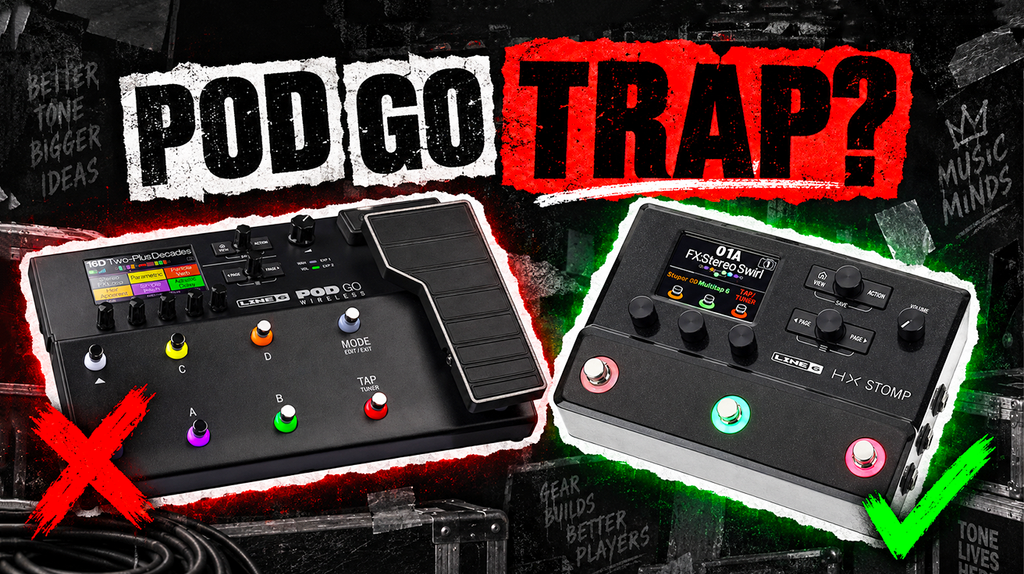
The Line 6 POD Go‘s street price around $450 often masks a hidden cost that catches buyers off guard. The unit delivers a simplified version of the celebrated HX engine, a trimmed-down experience that feels like being given a VIP pass to a club that only plays one genre. With its semi-fixed signal path, the POD Go is limited to only four truly flexible processing blocks, a far cry from the full HX engine’s creative freedom. That 4.3-inch color display might look inviting, but the underlying architecture dictates what can actually be done.
Despite a 2.50 firmware update in January 2025 adding 11 new guitar amps, the core restriction remains. For only approximately $150 more, the HX Stomp offers that unrestricted Helix engine, letting players stack 6-8 flexible blocks with total freedom. It’s the musical equivalent of ordering a combo meal, only to realize later that buying each item à la carte would have given more for less. Many players don’t do the math until after the purchase, finding themselves locked into a digital ecosystem that feels more like a walled garden than an open field.
7. Kemper Profiler Stage / Profiler Stage MK2
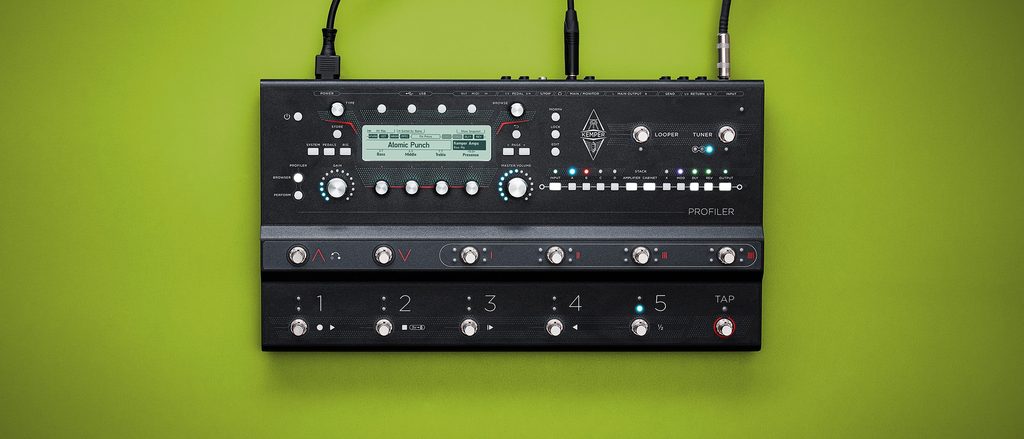
Once revolutionary, now overshadowed by competitors offering similar profiling at a fraction of the cost.
Around 2011–2012, Christoph Kemper introduced amp profiling technology. For years, the Kemper Profiler was the exclusive gateway to capturing a tube amp’s soul. Its Liquid Profiling mapped amp behavior with 100,000 frequency points. The MK2 refined this with faster boot times, an extended looper up to 2 minutes, and 20 simultaneous effect blocks.
Yet the digital landscape has shifted, much like how TikTok changed the music video game. The market now teems with similar profiling from Neural DSP’s Neural Capture, Mooer’s Tone Capture, and HeadRush’s ACT. These alternatives offer comparable results at a fraction of the cost. Ask whether a flagship price for exceptional sound is still worth it when excellent tones exist for just hundreds.
6. Neural DSP Quad Cortex
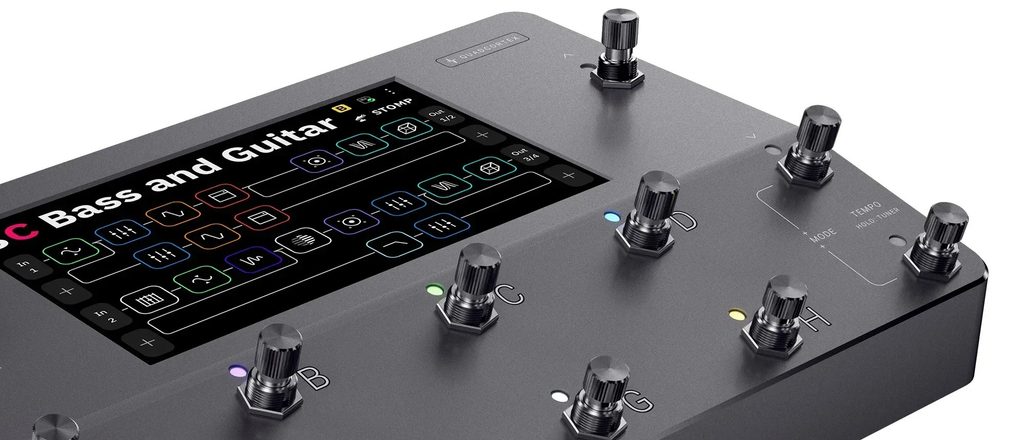
Unmatched processing power meets a price tag that most players can’t justify.
Its internal architecture boasts four SHARC+ DSP chips and two ARM cores, delivering 2 GHz of dedicated DSP power, making it a formidable unit. This powerhouse drives over 50 amp models, 70 effects, and 1,000 impulse responses, all managed via a crisp 7-inch high-brightness multi-touch display and Neural Capture technology. Neural DSP raised the US price from $1,699 to $1,799 in May 2025, a hike that feels less like a necessary cost and more like buying a luxury box upgrade no one asked for.
For most guitarists, the $1,500 tone difference between a $250 unit and an $1,800 unit is often indistinguishable outside a sound engineer’s lab. Players are largely subsidizing marketing and brand cachet, much like buying a luxury car when a reliable sedan gets to the same destination. A whopping 95% of players could fund multiple other units with its price, still having cash for strings and picks.
Grab These
5. Mooer GE200
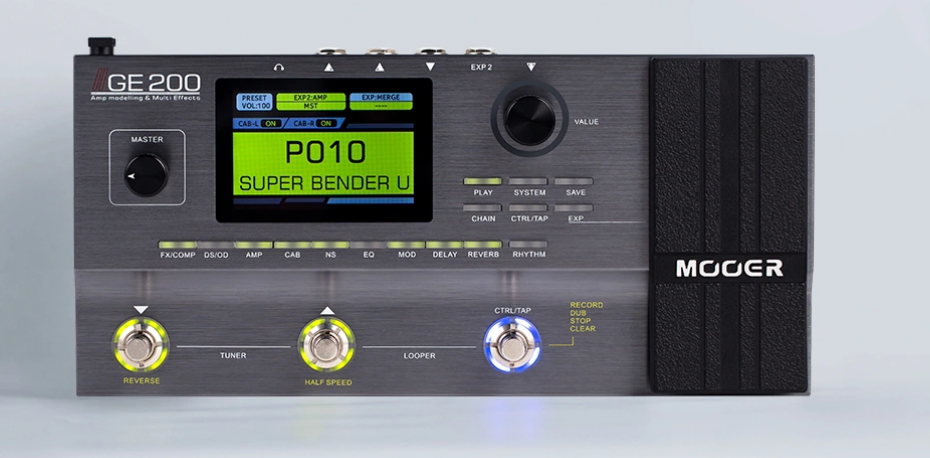
Budget-priced, studio-grade tones that embarrass units costing three times as much.
Mooer carved out its niche by packing robust performance into budget-friendly packages, and the Mooer GE200 multi-effects unit continues that tradition. At roughly $200, this compact floorboard delivers an astonishing array of tones with 55 amp models and 70 effects. Its MNRs tone engine ensures warmth and dynamics, defying price point expectations like a TikTok trend with actual longevity. This unit provides the lowest-stakes entry into amp modeling; the financial commitment is less than a single boutique overdrive pedal.
Beyond its core tones, the package includes an integrated expression pedal and a 52-second looper perfect for practice. The unit also supports IR (impulse response) loading for WAV files at 44.1 kHz, 24-bit, up to 512 samples. Players consistently praise its sound compared to units costing three or four times as much, making it feel like finding a vintage Arcade Fire album in a dollar bin. For anyone tired of gear envy, this pedal delivers the goods without the hype.
4. Boss GX-1
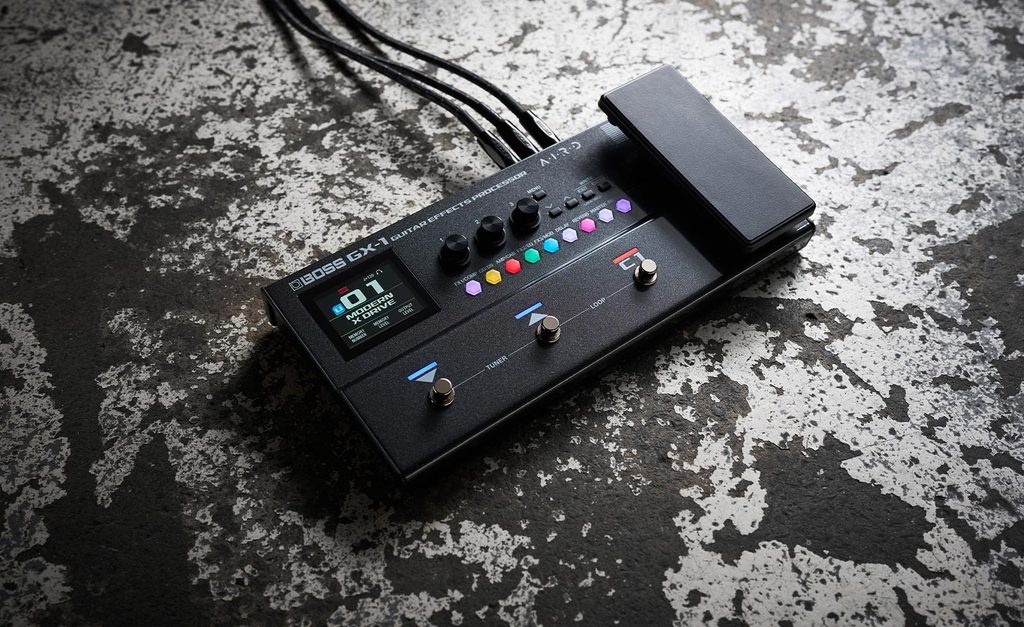
Modern AIRD technology at an entry-level price that redefines what $230 can buy.
NAMM 2026 brought a significant disruptor to the entry-level gear market. The Boss GX-1 arrived with 23 amp types and 140 effects, all built on Boss’s modern AIRD (Augmented Impulse Response Dynamics) engine. This technology, usually found in higher-end processors, marks a generational leap from older COSM (Composite Object Sound Modeling) units. The unit supports up to eight simultaneous effect blocks. It boasts a vibrant color display, Bluetooth app connectivity, and a versatile USB-C audio interface. Stereo outputs are standard.
The unit powers for up to 6 hours on AA batteries. All this comes at a $230 price point, redefining entry-level expectations. Seriously, finding a GX-1 next to a decade-old Boss GT-1 on the same shelf feels like putting a modern smartphone next to a flip phone from 2007. The GX-1 empowers creation, not compromise.
3. NUX MG-30
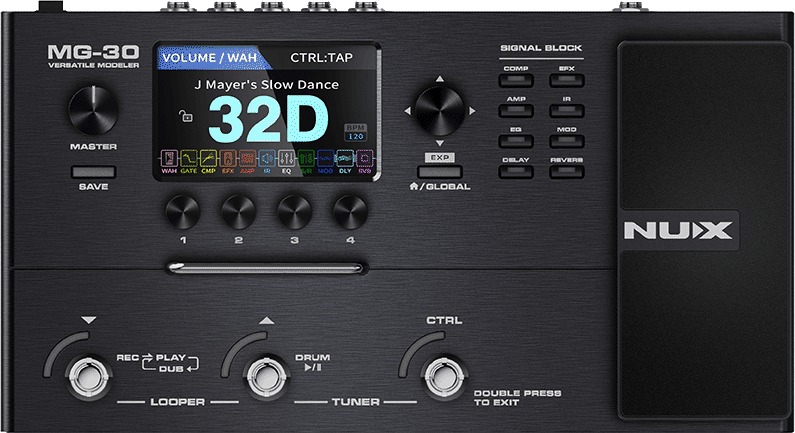
White-box amp modeling and studio-grade specs at a price that makes premium pedals sweat.
Operating on a dual DSP engine, the NUX MG-30 employs TSAC-HD/TSAC-2K white-box amp modeling, replicating amplifier circuits. It packs 35 amp models and offers 11 independent, movable signal blocks on a 4-inch color LCD. A 60-second looper and 128 custom third-party IRs at 1024-sample resolution provide studio-grade cabinet simulations. Its 32-bit A/D conversion and 48 kHz sampling deliver around 2 ms low latency; these are specs usually found in units above $400.
Priced around $330, this unit operates like a sleeper agent in multi-effects. It quietly embarrasses gear costing twice as much, making anyone question every premium pedal purchase, like opting for a basic streaming service when a full library costs less.
2. Valeton GP-200
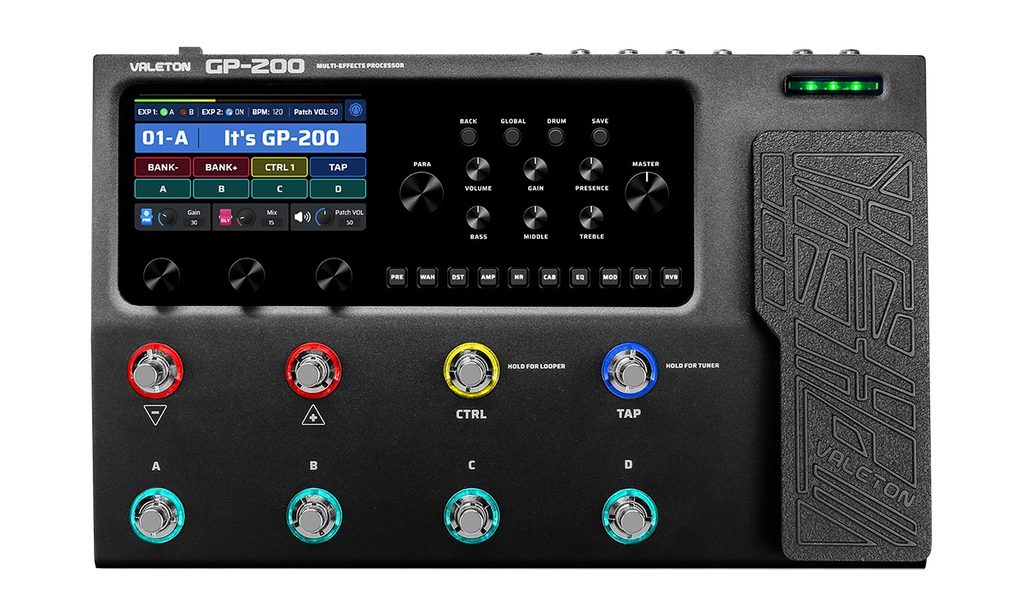
Balanced XLR outputs, NAM file support, and 240 effects for the price of a boutique overdrive.
For a price that barely buys a decent boutique overdrive pedal, the Valeton GP-200 manages to drop-kick higher-priced competition. This unit packs 11 simultaneous modules and over 240 effects/models, including roughly 140 amp/cab models, making it an arsenal ready to deploy. The package includes two balanced XLR outputs, a feature the $450 Line 6 POD Go inexplicably skipped. The onboard 4.3-inch TFT LCD (480×272) makes navigation shockingly fluid.
Recent firmware updates, including v1.7.4 and v1.8.1, introduced NAM (Neural Amp Modeler) file import, which is like giving an old-school flip phone 5G capabilities. This means AI-style amp captures load directly into the unit. For anyone tired of digital floorboards that demand a second mortgage, the GP-200 is a TikTok-worthy hack. For $250 to $300, the full processing rig stands ready for the practice room, recording, or stage without apology.
1. Line 6 HX Stomp
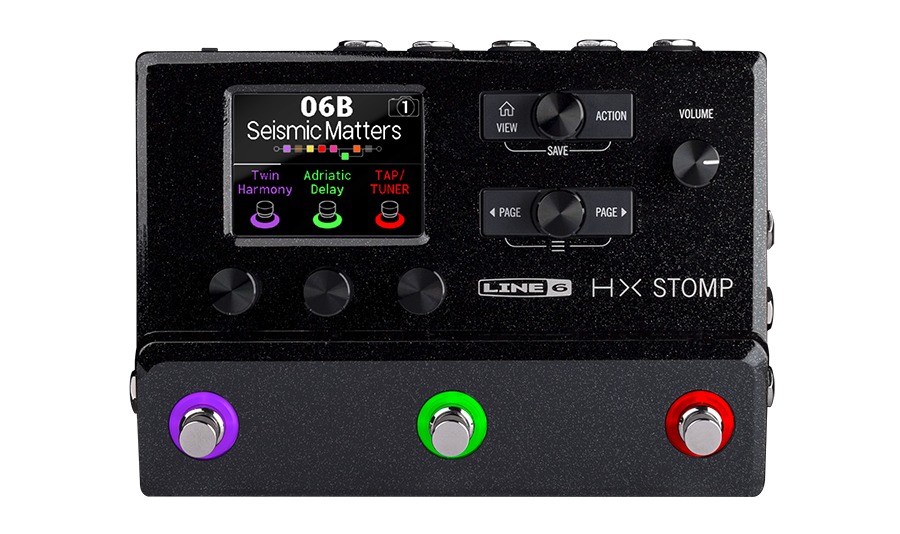
The full Helix engine in a three-footswitch pedal—the smartest $600 any working guitarist can spend.
Line 6 packs its entire Helix engine into the HX Stomp, delivering professional-grade tones in a chassis roughly the size of a brick. For around $600, the unit delivers over 300 effects and models, including 62 amp channels, 37 cabs, 17 mics, and more than 100 effect types. This compact, three-footswitch unit isn’t a watered-down demo; it’s the exact DSP muscle found in its larger siblings.
This compact unit runs up to 6-8 processing blocks simultaneously, allowing complex signal chains. Integration using the four-cable method (4CM) places effects before an amp’s preamp and others in its loop. Its robust I/O includes USB, transforming it into a 24-bit/96 kHz audio interface. Like a veteran actor delivering award-winning performances in an indie film, this pedal brings the same Helix technology to any stage or studio, making it the smartest purchase for the working guitarist.