



Most digital pianos roll off the factory line sounding about as generic as a royalty-free stock photo. Tuning these hidden parameters can transform your playing experience, pulling out nuances you never knew existed. This list cuts through the noise, spotlighting the critical sound settings often buried deep in menus. These levers truly dial in your sound, turning a sterile machine into something alive.
1. Equalization (EQ) Settings
Factory EQ curves can hollow out the sound you paid for.
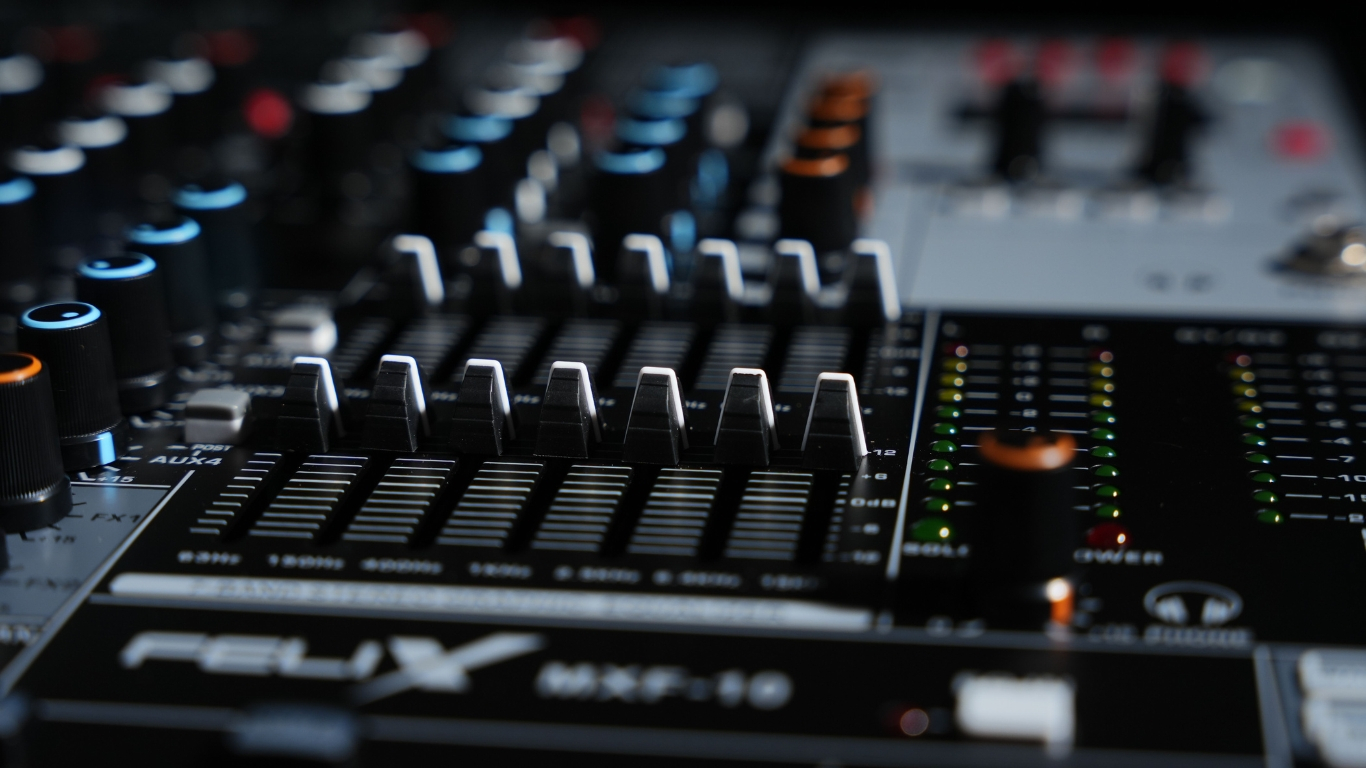
A pronounced “V-shaped” EQ curve, boosting bass and treble while reducing mids, often leaves digital piano sounds clear but lacking true body. Chasing a “bigger” sound can leave an instrument resembling a cheap boombox, all low-end rumble and no actual core. This adjustment creates booming bass while hollowing out the mid-range, sacrificing natural connection. While hyped settings might cut through a live band, they detract from a realistic at-home playing experience.
Digital piano manuals provide EQ presets or tonal controls for authentic timbre adjustment. The goal is nuanced shaping, not just volume. Some manufacturers offer specific frequency-range controls for bass, midrange, and treble, allowing precise tonal balance adjustments.
2. Reverb and Ambience
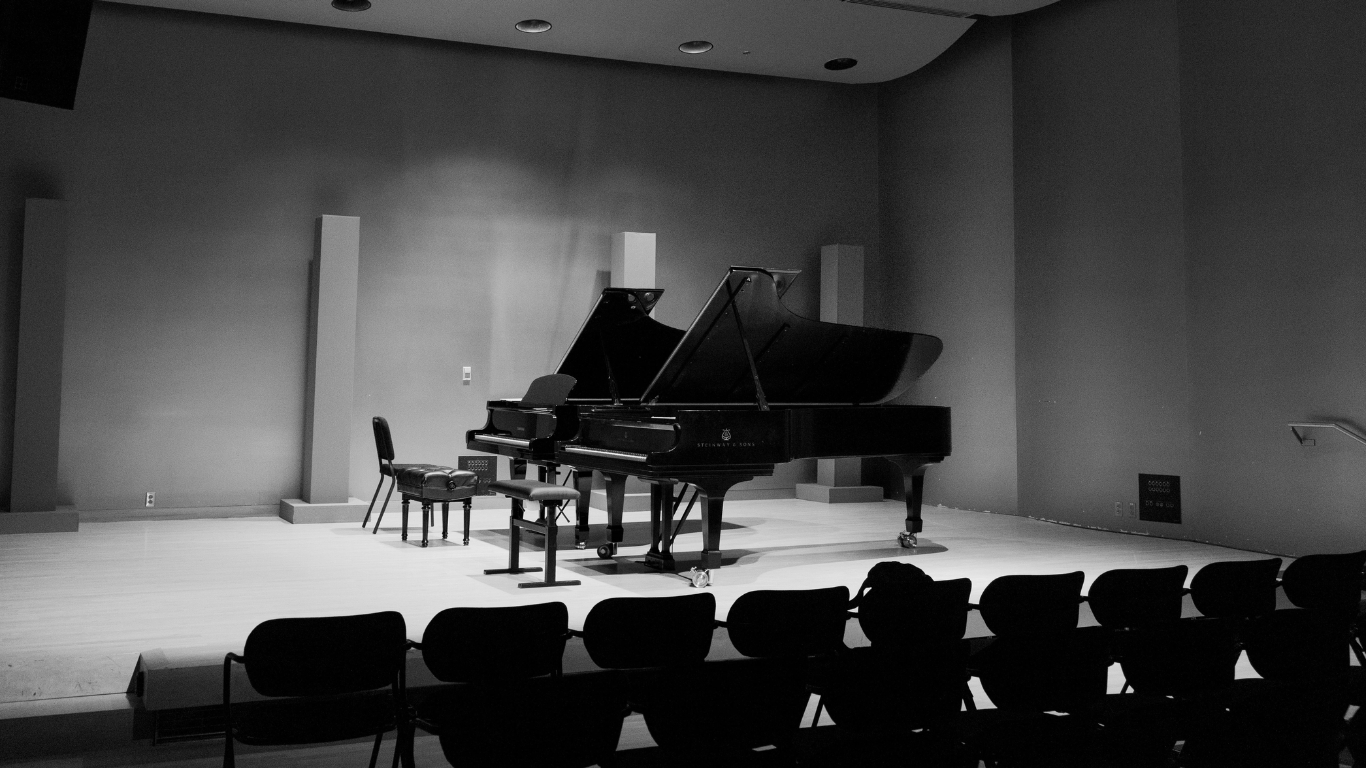
Excessive reverb turns note attacks into muddy wash.
Digital piano reverb, sometimes called “ambience,” simulates acoustic reflections from rooms or grand concert venues. Cranking cathedral presets to maximum transforms crisp note attacks into an indistinct blur. Overuse makes inherent detail vanish, like a social media filter obscuring the actual subject.
Moderate settings can make a digital piano sing without sacrificing clarity. Room settings generally create a shorter, more intimate effect, while hall settings create a larger space. Most built-in reverb engines are fairly basic compared to serious DAW software. The trick is to season, not douse, the sound.
3. Hammer Noise
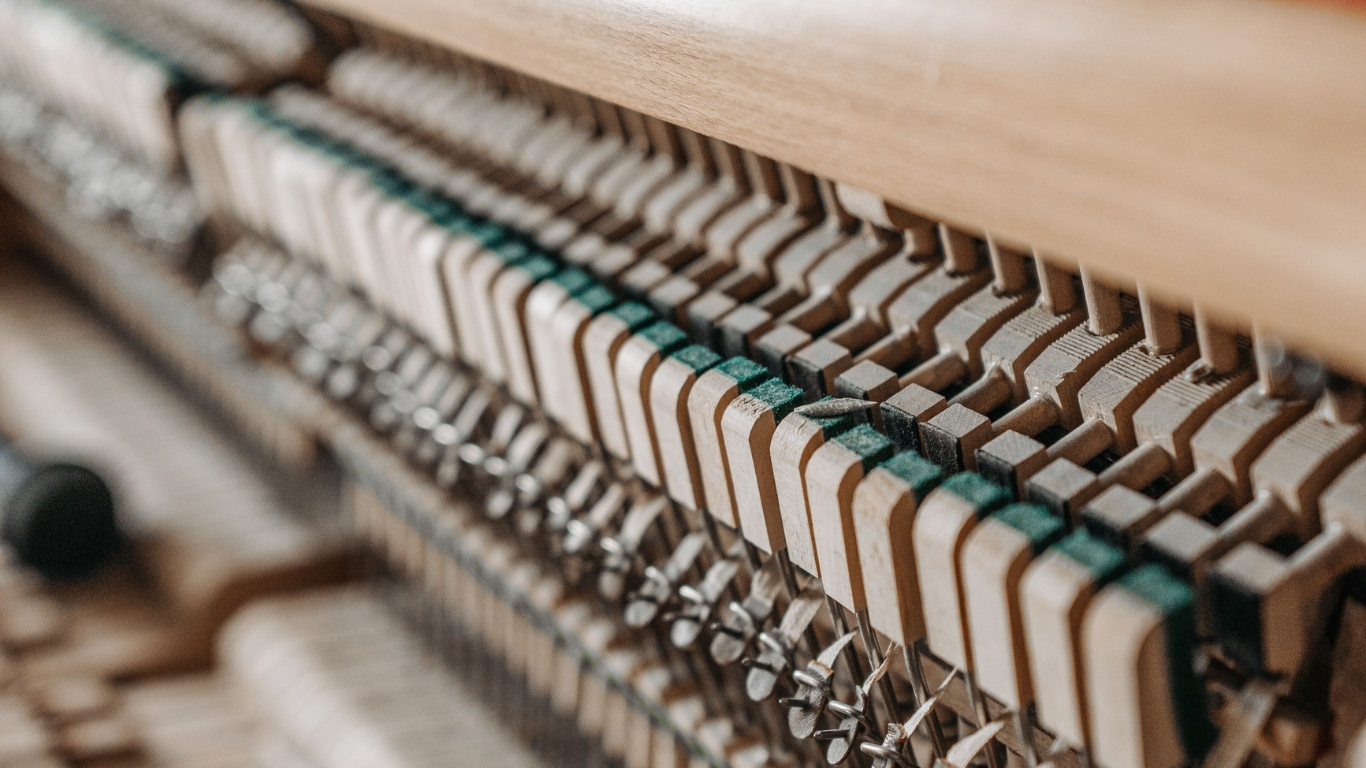
That tiny mechanical clatter pulls listeners into the instrument’s guts.
Sitting in front of a real acoustic upright means proximity to the hammers themselves. That tangible thud or impact as the hammer hits the string is crucial for digital players. Roland’s Piano Designer manual confirms hammer noise as an adjustable parameter; higher settings produce a louder hammer impact. This mimics the intimate upright perspective, creating a tactile connection.
The FP-90 manual specifies hammer noise on a scale from -2 to +2, with higher values producing more audible hammer sound. This small adjustment separates sterile digital playback from something that feels alive, a tactile ghost in the machine.
4. String Resonance
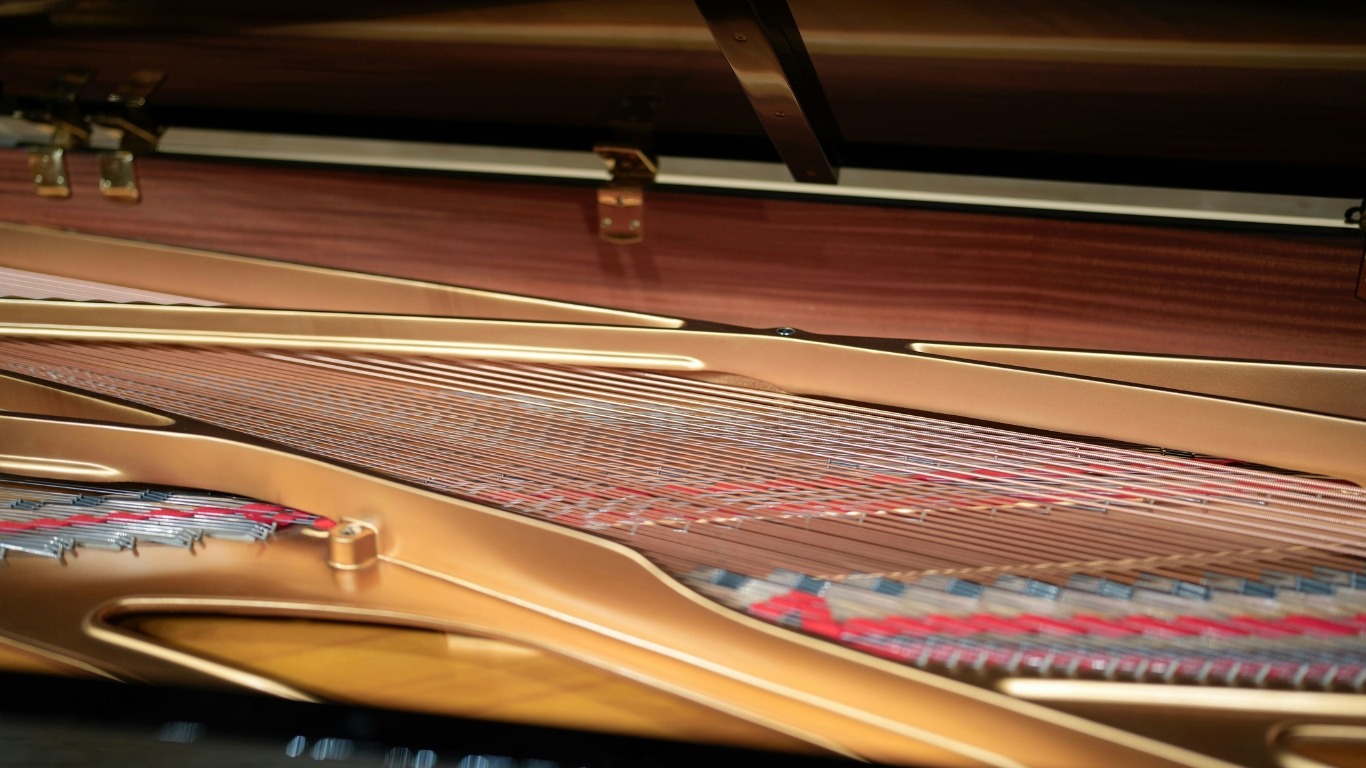
Sympathetic vibrations transform sterile notes into interconnected tapestry.
String resonance simulates the sympathetic vibrations from unplayed strings when other notes are struck. Roland documentation describes how this feature reproduces the natural resonance created by previously played notes’ strings vibrating when another note is played. Increasing this setting makes secondary resonances more prominent, adding layers of sustain complexity.
The difference becomes immediately noticeable when a digital piano stops sounding like a flat studio track and starts breathing. This parameter helps achieve a fuller, more organic sound, transforming isolated notes into an interconnected sonic experience.
5. Damper Resonance

Pedal-induced sympathetic vibration transforms individual strikes into cohesive warmth.
Roland FP-90 documentation details how damper resonance profoundly impacts digital piano sound, allowing players to sculpt note decay. This setting models the sympathetic vibration that ripples through other strings and the piano’s body when the sustain pedal is engaged. Higher settings produce a more noticeable resonant effect.
Lower damper resonance settings deliver a cleaner, less blended sound with stark clarity. Turning up the setting changes the entire sonic landscape, providing that rich wash that transforms individual strikes into a cohesive, warm tapestry.
6. Cabinet Resonance
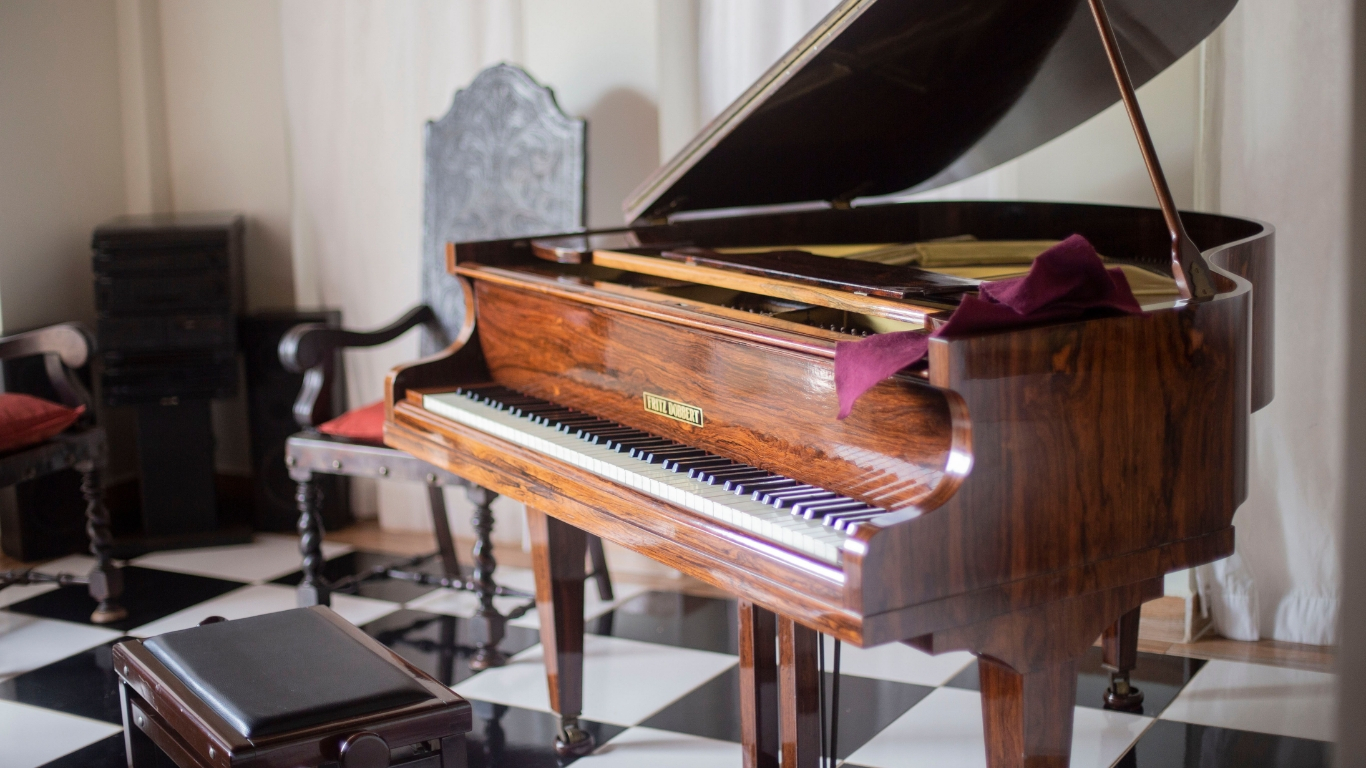
Body vibrations lend crucial scale and depth to digital sound.
Cabinet resonance simulates subtle vibrations from an acoustic piano’s body. This parameter lends crucial scale and depth to digital sound, ensuring the instrument feels fully present in the room. In advanced digital systems like the Roland FP-90 and DP603, higher cabinet resonance values create a more noticeable body presence.
This makes the instrument project an almost physical character, mimicking a grand piano’s immersive sensation. Cabinet resonance makes the digital piano feel less like a recording and more like a vibrant, resonant instrument.
7. Soundboard Resonance and Soundboard Type
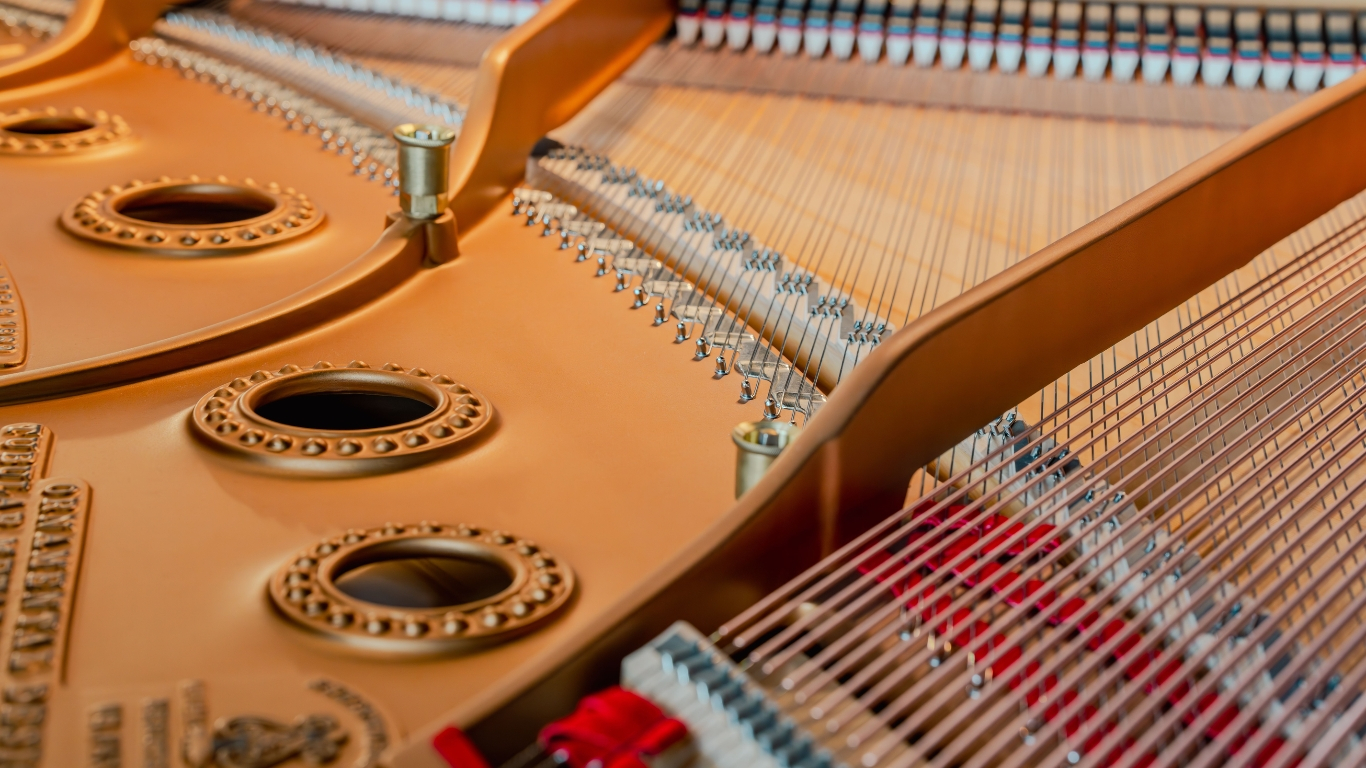
Different soundboard settings alter how sound blooms and projects.
Roland’s Piano Designer system provides access to soundboard-resonance controls that refine tonal character. On compatible models, this means direct manipulation of soundboard types, the crucial component dictating how sound blooms and projects. Different soundboard types can alter the color, projection, and perceived naturalness of the piano tone.
This granular control ensures sound fills a room exactly as intended. The level of sound-shaping allows players to toggle settings until the instrument truly sings, delivering genuine clarity rather than just loudness.
8. Key-Off Resonance
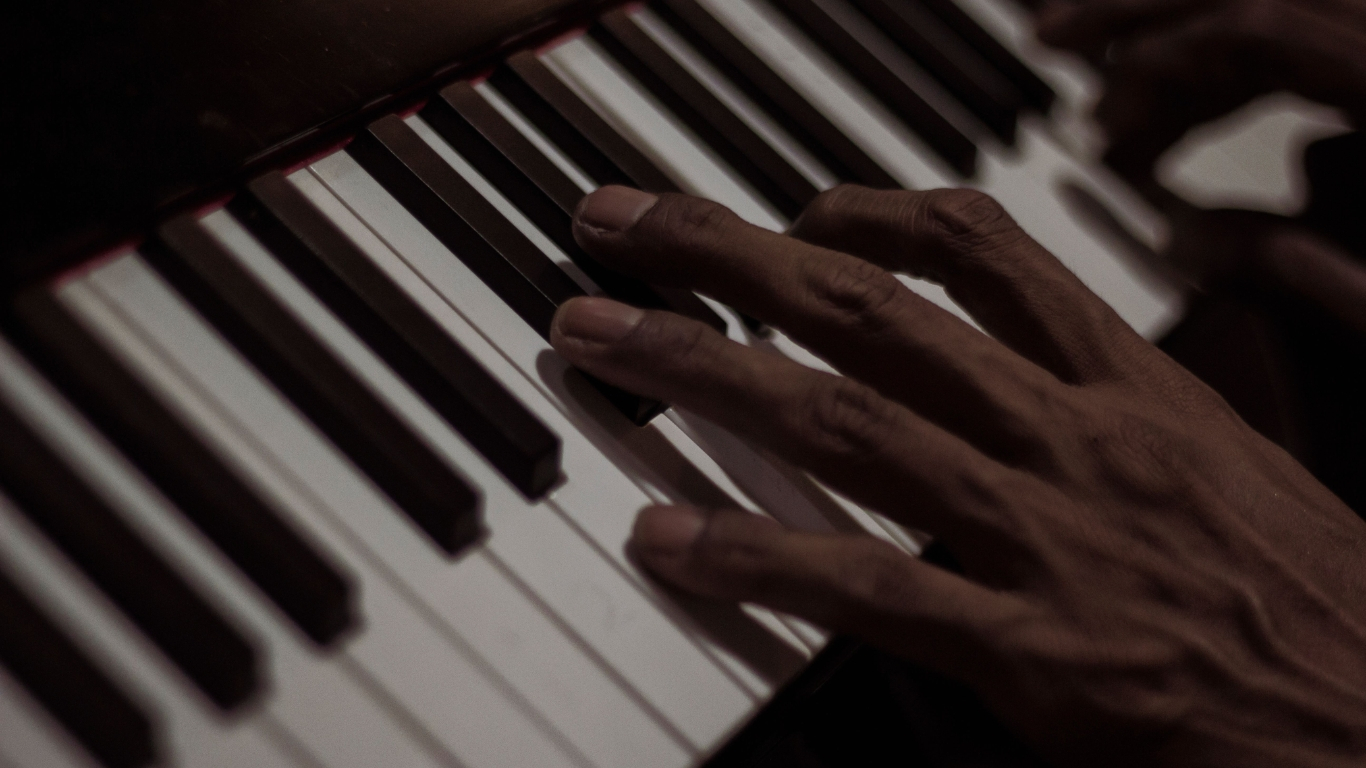
Release behavior adds character to every note’s decay.
Key-Off Resonance simulates tonal and mechanical shifts that occur when keys are released. This feature, found in midrange and high-end digital pianos such as the Roland DP603, ensures that even the decay of a sound has character. It stands alongside other detailed acoustic parameters like hammer noise and string resonance.
This level of detail moves beyond basic sound reproduction. For pianists, this feature transforms quick, staccato passages; the subtle, fleeting ghost of the note’s release gives each phrase crisp, authentic definition.
9. Damper Noise

Mechanical whisper adds depth without becoming distracting clatter.
Damper noise reproduces the sound associated with dampers contacting or leaving the strings. This mechanical detail, available on Roland models like the DP603 and LX-15e, adds depth to pedal work and note releases. Excessive levels can make the instrument sound overly mechanical.
Finding the sweet spot is crucial; the goal is a faint, natural character as the dampers lift, not a jarring mechanical clunk. Achieving this balance prevents the instrument from sounding artificial and maintains the illusion of acoustic realism.
10. Voicing and Piano Character

Customized tonal personality beats cranked presets every time.
Voicing customizes tonal personality, allowing adjustments to make the piano brighter, warmer, softer, or more powerful. Advanced models like Roland’s LX-15e offer “brilliance” or “single-note character” controls under names such as tonal character or piano designer. These controls should be adjusted to suit the room and playing style.
A musician might dial down brilliance and adjust warmth for different repertoire, transforming the instrument from generic sound machine to an expressive extension of their craft. The piano’s tonal character needs customization suited to specific musical contexts.
11. Piano Designer
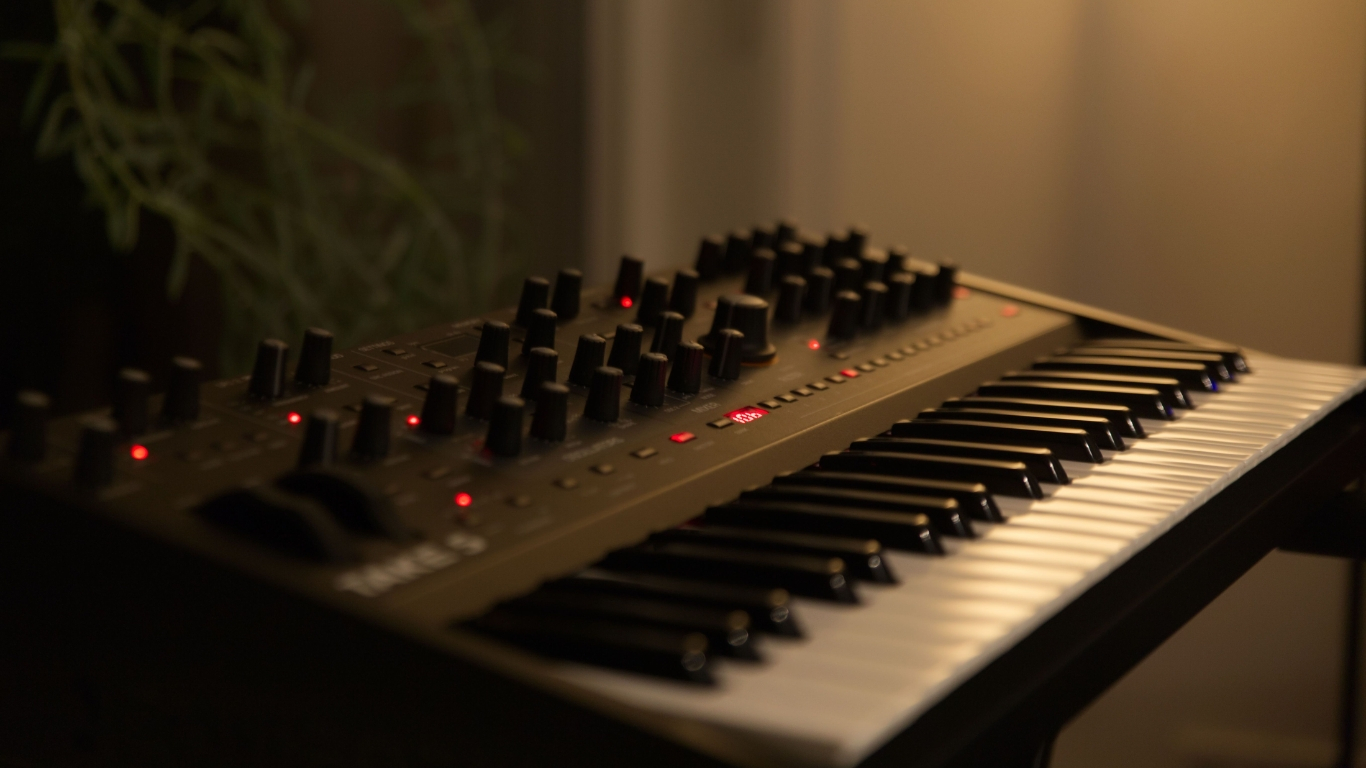
Surgical precision over every acoustic nuance replaces fixed presets.
Piano Designer is Roland’s system for customizing acoustic-piano simulation parameters. Available on models like the FP-90, this integrated system allows fine-tuning of mechanical sounds such as hammer noise and key-off resonance. The system also allows intricate adjustments to sympathetic vibrations, including string resonance and damper resonance.
Depending on the model, controls can include hammer noise, string resonance, damper resonance, cabinet resonance, soundboard type, key-off resonance, and parameters affecting individual notes. This level of bespoke sound creation ensures the instrument matches unique visions perfectly.