



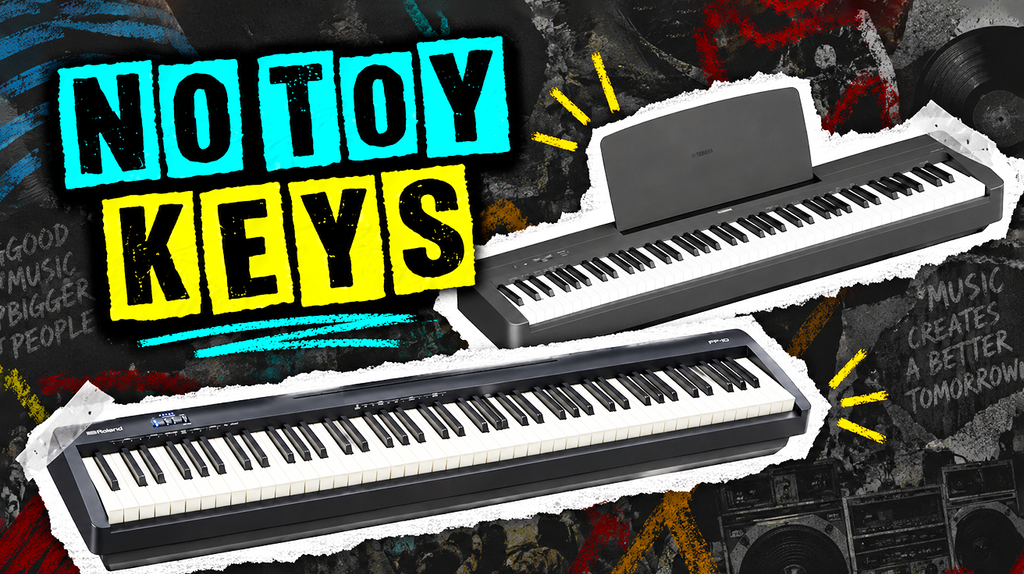
Starter digital piano sales have climbed steadily in recent years, turning living rooms into makeshift practice spaces and making the hunt for a decent beginner instrument feel like navigating a crowded thrift store. Most options deliver flimsy key action that feels like tapping a microwave button or sound so sterile it makes elevator music sound vibrant. A poor choice turns inspiration into frustration faster than a bad Wi-Fi signal, leaving beginners with an expensive dust collector instead of a musical gateway. Without decent tone or responsive keys, that initial enthusiasm quickly flatlines. The good news? A handful of models actually deliver the goods without requiring a second mortgage.
This content may contain affiliate links. If you wish to support us and use these links to buy something, we may earn a commission.
4. Casio PX-S1100

Battery operation meets full-featured portability in Casio’s slimmest 88-key design.
Dead phone batteries during emergencies create problems, but a dead piano battery during a creative burst feels criminal. The Casio PX-S1100 dodges this entirely with battery operation, letting practice happen anywhere from cramped dorm rooms to outdoor patios. This digital piano challenges the assumption that full-featured instruments must sacrifice portability, packing genuine functionality into a compact, slim body that students can actually move between classes without herniating a disc.
Beneath the sleek exterior sits a Smart Scaled Hammer Action Keyboard delivering authentic touch despite its travel-friendly build. Robust 192-note polyphony and 18 built-in tones make it versatile enough for classical études or jazz experiments. Bluetooth MIDI and audio connectivity transform the piano into a seamless hub for learning apps and streaming backing tracks. The dual speakers stay tuned for smaller spaces, delivering solid sound without requiring a full PA setup. Beginners demanding mobility without sacrificing genuine musical expression won’t find many better options at this price point.
3. Kawai ES120
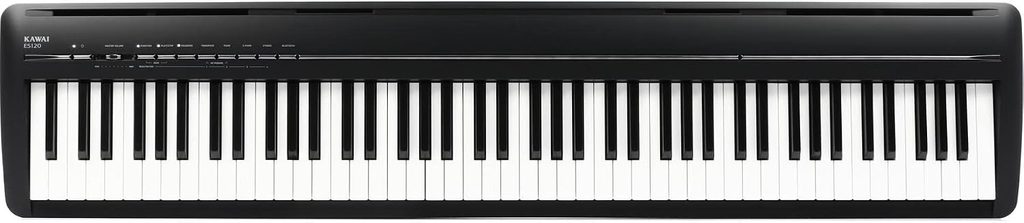
Concert grand samples meet dual headphone jacks in a lightweight portable package.
The Kawai ES120 packs 10 W + 10 W speakers with 12 cm x 2 speaker units, delivering sound output that embarrasses some larger home models. Rich, dynamic tones pulled from SK-EX and EX concert grands give this portable instrument serious acoustic presence across 25 built-in sounds. The Responsive Hammer Compact keyboard action feels precise and deliberate, avoiding the sloppy response that plagues cheaper portables.
Dual headphone jacks transform late-night practice into a genuine option; roommates can both hear why that F# keeps sticking without waking the neighbors at 2 a.m. At just 12.0 kg (26.5 lbs), this instrument weighs less than most concert photographer backpacks while delivering home-digital-piano performance. Bluetooth MIDI and Audio connectivity handle app integration and wireless streaming. Anyone who’s tried practicing quietly in shared living spaces knows exactly why those dual jacks matter more than any marketing spec sheet admits.
2. Roland FP-10
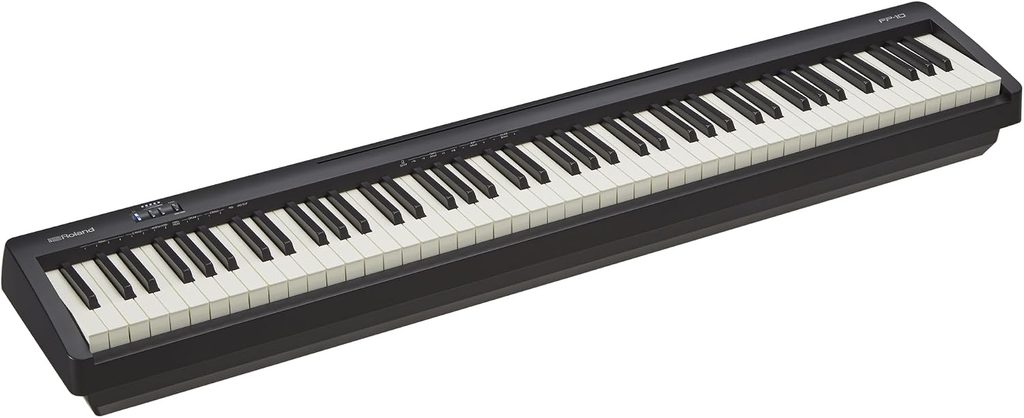
PHA-4 keyboard action delivers acoustic feel at entry-level pricing.
Keyboard action defines serious piano practice, separating instruments that teach proper technique from plastic toys that build bad habits. The Roland FP-10 delivers tactile experience usually reserved for pricier models through its PHA-4 Standard keyboard featuring Escapement and Ivory Feel. Triple sensors and escapement simulation remain rare in this price class, giving students the mechanical feedback needed to develop genuine touch sensitivity.
The SuperNATURAL Piano Sound engine ensures tone matches touch, responding to subtle velocity changes that cheaper sound engines ignore completely. This focus on authentic feel means trade-offs elsewhere; basic onboard features and modest speakers keep costs manageable. Measuring 1,284 x 258 x 140 mm and weighing 12.3 kg (27.1 lbs), it stays genuinely portable. The SuperNATURAL engine truly shines through headphones, where integrated speakers can’t interfere. Roland stripped away everything except what actually matters for developing proper technique, and it shows.
1. Yamaha P-145
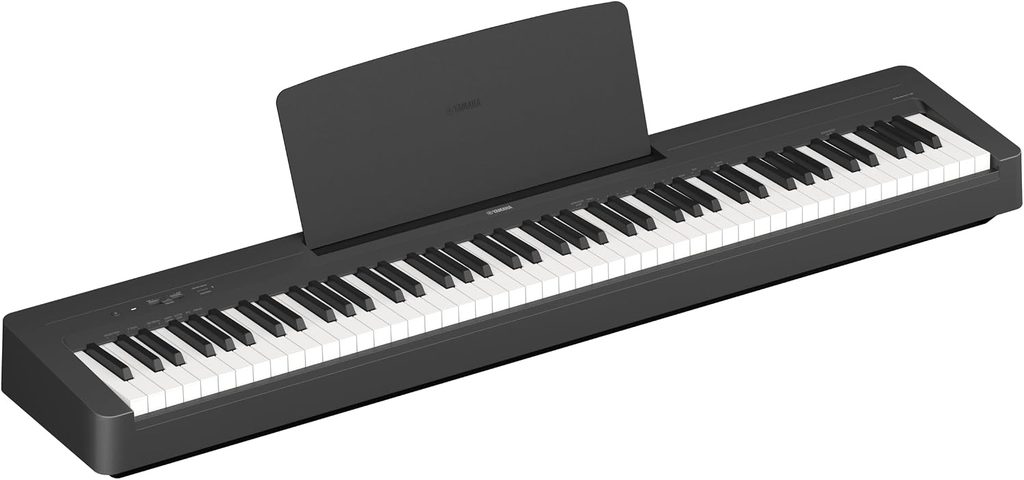
Yamaha’s P-45 successor delivers balanced portability and familiar acoustic tone.
Yamaha’s P-45 digital piano earned its reputation as a reliable, no-frills beginner instrument over years of steady sales. The P-145 continues this approach, offering compact 88-key portable design with GHC (Graded Hammer Compact) keyboard action that provides balanced, responsive feel. The action avoids the flimsy plastic common in cheaper models, giving new players solid foundation without demanding concert-grand budget.
Yamaha’s characteristic acoustic piano sound arrives immediately recognizable and comforting, the sonic equivalent of finding your favorite coffee shop in a new city. The instrument delivers exactly what beginners need for home use or starting a piano journey with straightforward operation and proven reliability. Its narrower dynamic range compared to pricier models limits advanced pieces demanding subtle expression, but anyone just learning proper hand position won’t notice. The P-145 offers solid balance of action, tone, and portability without pretending to be something it isn’t.