




Engineers routinely observe that certain mixes cut through speakers with surgical precision while others crumble into muddy noise. The difference isn’t luck or magic plugins; it’s specific technical choices most producers guard like trade secrets. While basic tutorials flood YouTube, the nuanced moves separating amateur tracks from professional releases remain locked behind studio doors tighter than a record label’s vault. These eight techniques represent the equivalent of finding actual cheat codes, fundamentally reshaping how heavy music connects with listeners across every playback system imaginable.
1. Chris Baseford’s Kick-Drum Low-End Gating Technique
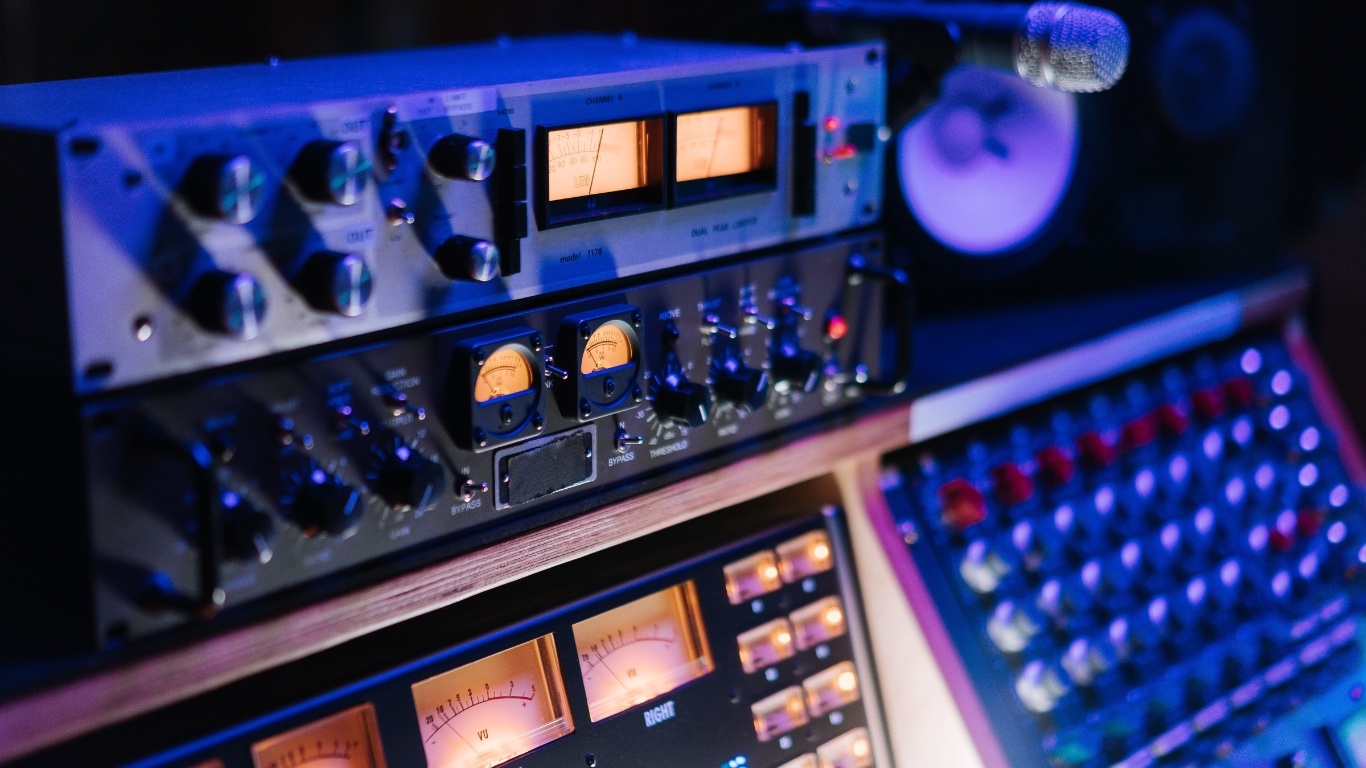
Producer Chris Baseford splits kick-drum frequencies to preserve punch while eliminating muddy rumble.
Producer and mixer Chris Baseford, who’s worked extensively with Nickelback and Shinedown, employs a specific gating strategy that separates effective kick drums from foggy low-end mess. He gates frequencies below 110 Hz (sometimes 120 Hz depending on the track) to prevent accumulating mud. Dense mixes pack instruments into limited sonic space; this precision ensures the kick drum punches instead of adding to an indistinct rumble.
Baseford’s method cleverly manipulates the signal’s time domain. The technique allows a short, impactful transient below the threshold while permitting longer sustain above it. This dual approach captures both the visceral snap and lasting power without sacrificing clarity. The result avoids generic boom, delivering defined punch and sustained weight that translates across playback systems.
2. Andy Sneap’s Multiband Guitar Chug Ducking

Legendary metal producer Andy Sneap uses the Waves C4 to surgically control low-end guitar bloom without killing impact.
Heavy guitar chugs create overwhelming low-end bloom that muddies mixes faster than a poorly executed breakdown. This sonic mess proves especially problematic in metal, where riffs demand impact without turning tracks into frequency soup. Legendary producer Andy Sneap, whose credits include Megadeth, Opeth, and Killswitch Engage, deploys targeted multiband compression. He starts with the Waves C4‘s “Too Much Limiting” preset, then makes one crucial adjustment.
Instead of compressing the entire frequency spectrum, Sneap precisely targets the second band to control unruly low-end guitar chugs. This surgical approach removes flabby sustain while preserving gut-punch. When heavy breakdowns hit, guitars feel tighter than vacuum-sealed denim. The technique functions as dynamic control with a dimmer switch; listeners experience full impact without confused rumble clouding the mix.
3. Adam “Nolly” Getgood’s 900 Hz Bass Boost
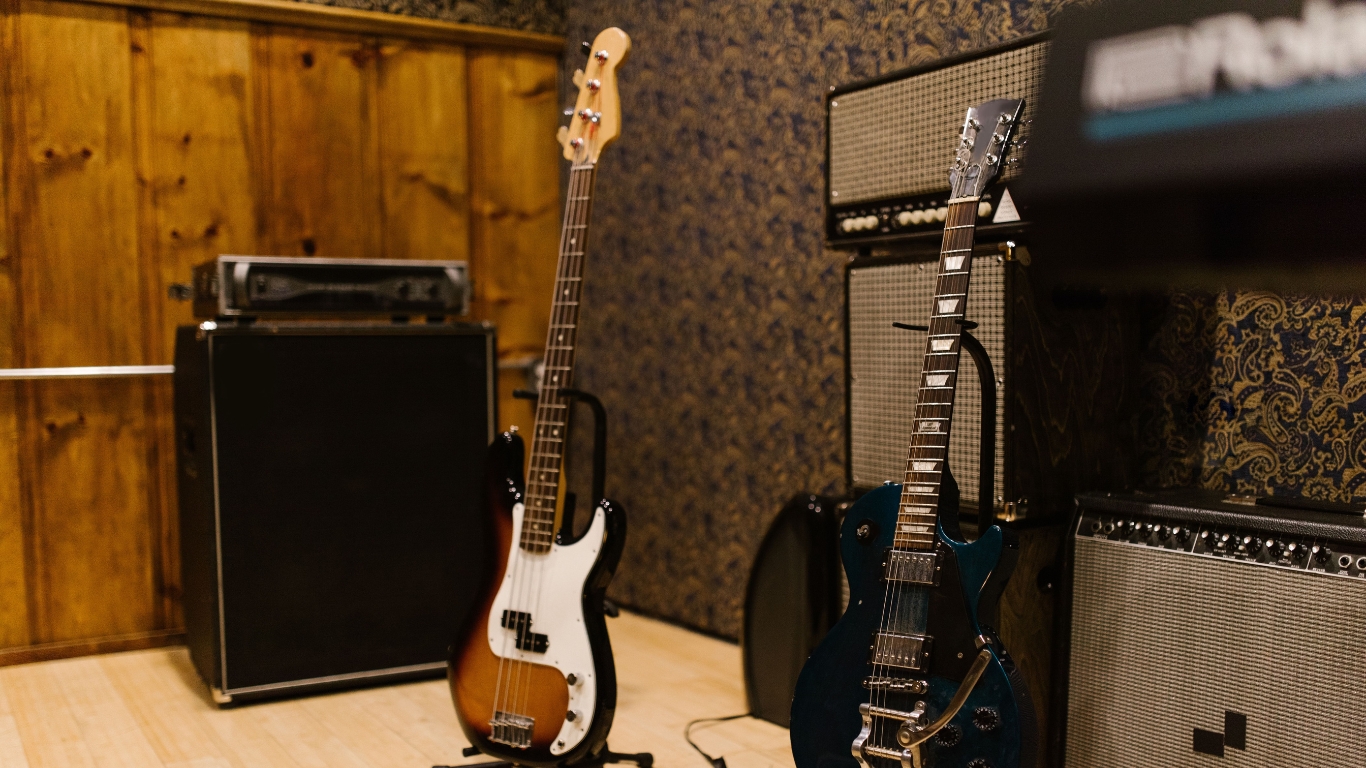
Periphery’s mixer boosts 900 Hz on bass to make fundamental notes slice through saturated guitar walls.
Heavy metal mixes frequently feature bass tracks felt as vague rumble rather than heard as distinct melodic lines. Adam “Nolly” Getgood, mixer for Periphery and co-founder of GetGood Drums, addresses this by boosting 900 Hz on bass guitar. This frequency choice emphasizes upper harmonics, helping the instrument cut through dense, saturated rhythm guitars that otherwise swallow bass parts whole.
The subtle EQ adjustment functions as sonic highlighting. Bass lines that previously acted as structural ghosts—present but invisible—suddenly articulate individual notes with sharp definition. Boosting 900 Hz complements existing bass saturation, making crucial notes snap into focus. This represents the difference between indistinct low-end thud and a precise, groove-driving bass line that listeners can actually follow through the heaviest sections.
4. Modern Look-Ahead Drum Gating

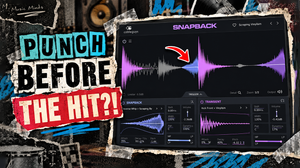
Kilohearts Gate and SSL X-Gate use pre-trigger technology to capture full drum transients older gates routinely missed.
Traditional drum gates using delayed triggers routinely chopped off crucial attack transients. These older methods, often relying on 10-millisecond side-chain delays, would open too late and slice away the initial snap that gives drums their impact. The result sounded thin and lifeless, like watching poorly synced video where every hit lands slightly off-beat.
Modern look-ahead technology fundamentally changed drum gating. Kilohearts Gate offers 5 milliseconds of automatic look-ahead to catch every ounce of initial punch. SSL X-Gate extends the concept further, letting engineers dial in medium, long, or maximum 15-millisecond pre-trigger settings. The gate opens slightly before the transient arrives, capturing the full attack. This surgical precision elevates drum mixes, giving them professional impact that older gates couldn’t deliver.
5. Mark Mynett’s “No Compression” Approach for Heavy Guitars
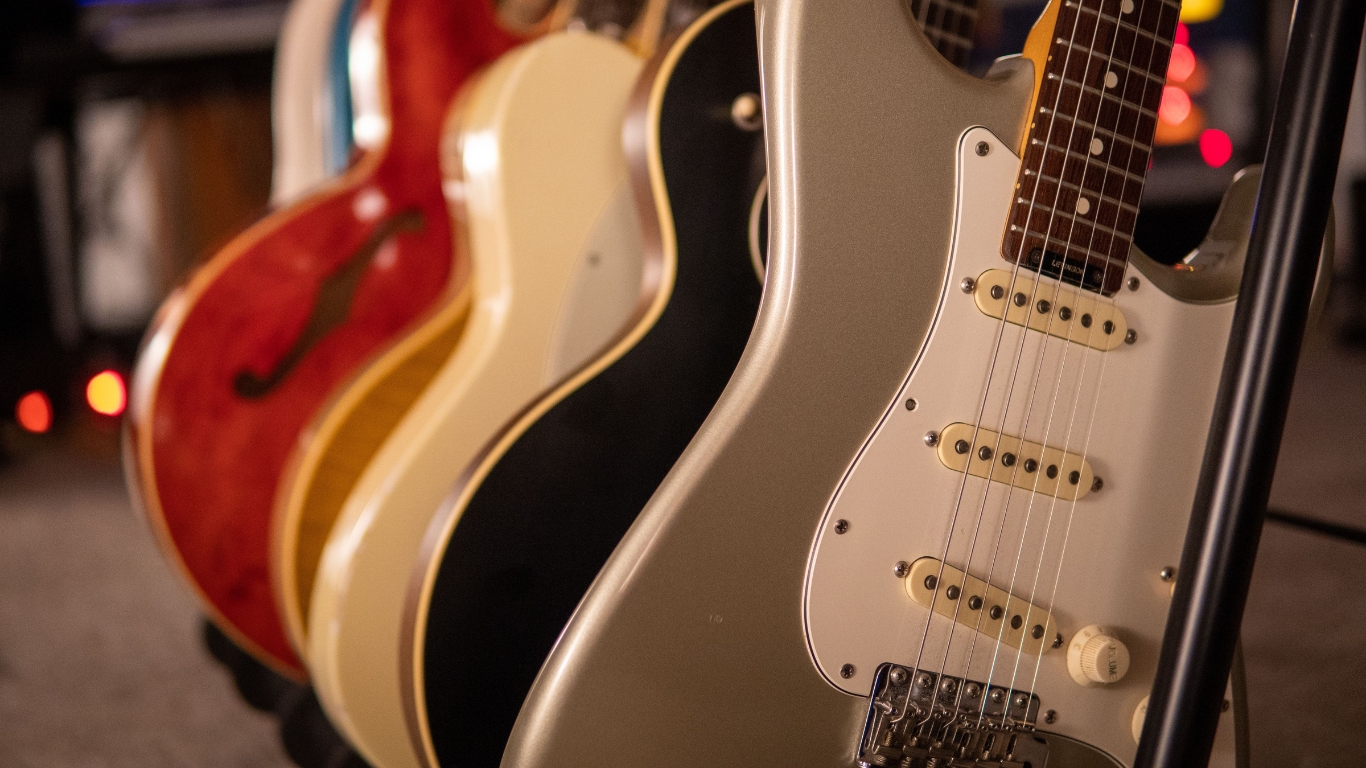
Veteran metal producer Mark Mynett rarely compresses rhythm guitars, trusting amplifier saturation to handle dynamics naturally.
Heavy guitars might not require compression at all, a position Mark Mynett champions against conventional mixing wisdom. He rarely compresses rhythm guitars, arguing that amplifiers naturally saturate signals and smooth peaks during the recording process. Overdriven signals arrive at the mixing stage already dynamically controlled, tighter than raw direct inputs ever could be.
This approach differs significantly from drum processing, which demands targeted compression for punch and sustain. Mynett suggests using a limiter minimally—if absolutely necessary—to shave extreme peaks. Think surgical trim rather than full reconstruction. His method directly challenges the universal belief that every instrument needs compression. Sometimes trusting the amplifier’s natural behavior produces superior results than stacking processors.
6. Buster Odeholm’s Multiband Saturation on Room Mics

Humanity’s Last Breath producer splits room mics into five frequency bands for aggressive, controlled drum impact.
Studio convention suggests close microphones deliver clarity while room mics add ambience. Buster Odeholm, producer and mixer for Humanity’s Last Breath, transforms this concept entirely. He splits room mic signals into five distinct frequency bands for surgical multiband saturation, then crushes mid-range frequencies hard. This manipulation makes drums bloom dramatically while smoothing transients into something aggressively controlled.
The technique transforms lifeless drum recordings into powerhouse performances that hit like heavyweight punches. That professional, chest-thumping impact previously missing from amateur mixes suddenly materializes. Close mics provide definition, but room mics—when properly processed—become the primary source for drum dynamics and visceral punch that translates across playback systems.
7. Buster Odeholm’s Bluetooth Speaker Translation Trick
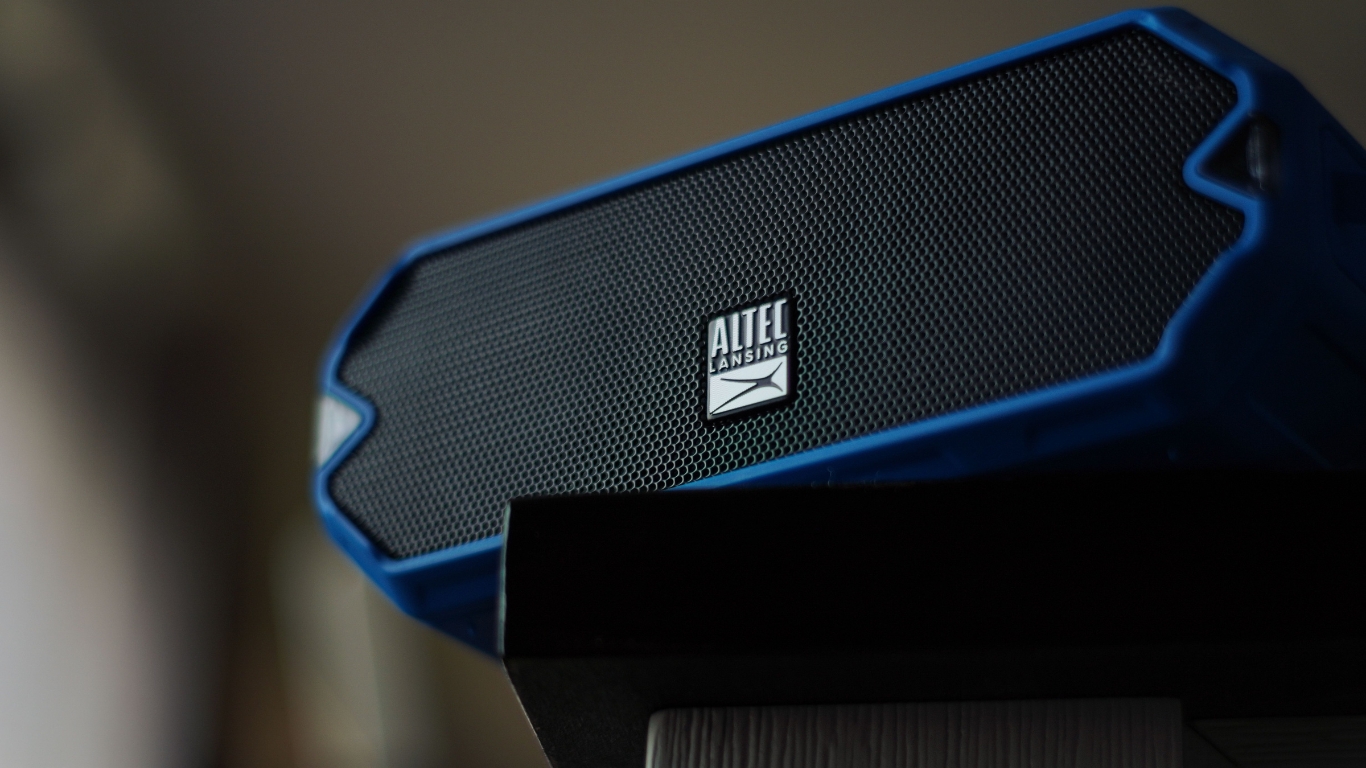
A 4 dB mid-channel boost ensures guitars remain audible when stereo mixes collapse to mono on consumer speakers.
Studio mixes often sound pristine on professional monitors but become muddy disasters on small consumer systems. Buster Odeholm addresses this translation problem with a specific “Bluetooth speaker trick.” When stereo signals collapse to mono—as happens on single-driver Bluetooth speakers—crucial guitar frequencies vanish, like carefully arranged artwork reduced to blurry phone photos.
Odeholm applies a 4 dB mid-range boost to guitars within a mid-side processor’s mid channel, leaving the sides untouched. This ensures guitar parts that previously disappeared on mono playback suddenly punch through with definition. The technique recognizes that most listeners encounter music through phones, cars, and smart speakers rather than studio monitors. Guitars deserve to be heard clearly, not merely suggested through vague frequency information.
8. Zack Cervini’s Heavy Guitar Compression

Blink-182 and Poppy producer Zack Cervini slams rhythm guitars with approximately 12 dB of gain reduction for raw, forward impact.
Conventional wisdom preaches gentle guitar compression to preserve dynamics. Zack Cervini, whose credits include Blink-182 and Poppy, uses the opposite approach for raw impact. He aggressively compresses rhythm guitars with plugins like Waves Renaissance Axx, targeting approximately 12 dB of gain reduction. The guitars slam forward, occupying mix space in ways gentle compression never achieves.
Dense rock mixes demand guitars that punch through competing elements. Cervini’s technique proves indispensable in these contexts. Successful mixing embraces diverse, often contradictory approaches depending entirely on the song’s requirements. Know when to apply delicate touch and when to reach for aggressive processing that makes guitars impossible to ignore.