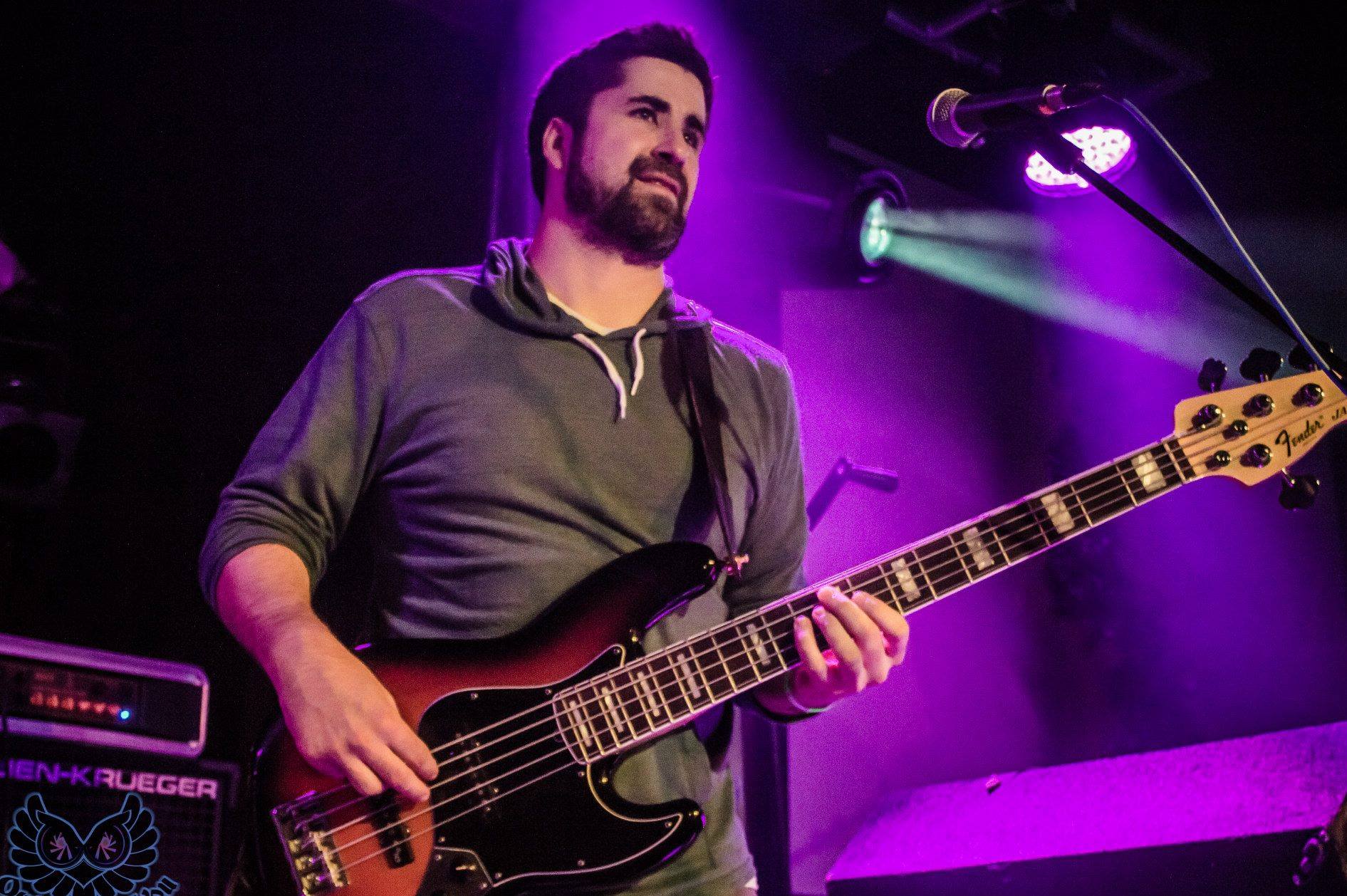



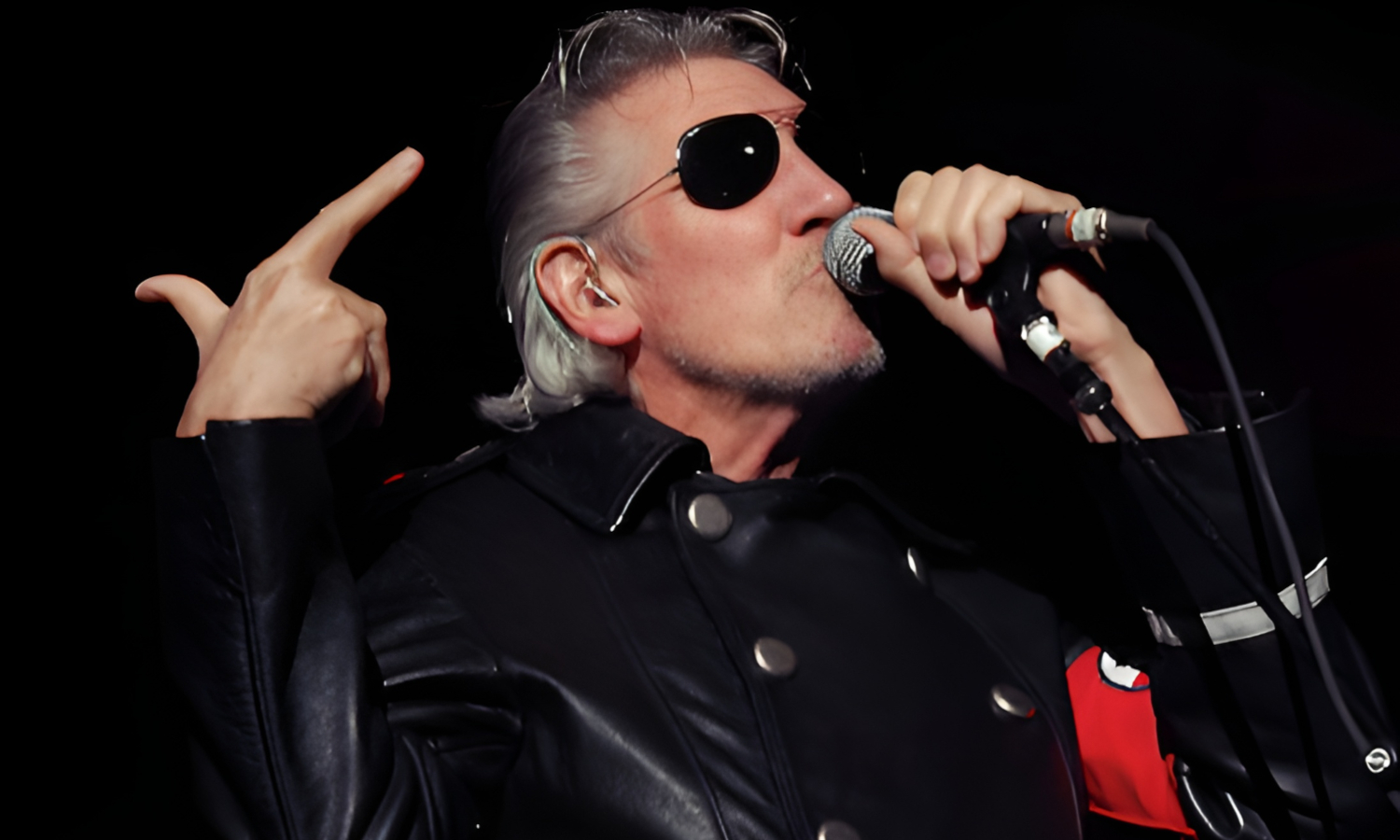
Few musicians abandon diplomatic niceties as reliably as Roger Waters. When Metallica’s James Hetfield told the Las Vegas Sphere crowd that his band wasn’t there to push outside influences on fans, Waters fired back on The Katie Halper Show with seven words that left nothing to interpretation: “Can we stop talking about this [Expletive]?” What followed wasn’t just a celebrity beef — it was a proxy war over what a concert stage is actually for.
What Hetfield Actually Said
Hetfield’s Sphere remarks were blunt, broad, and notably free of any named target.
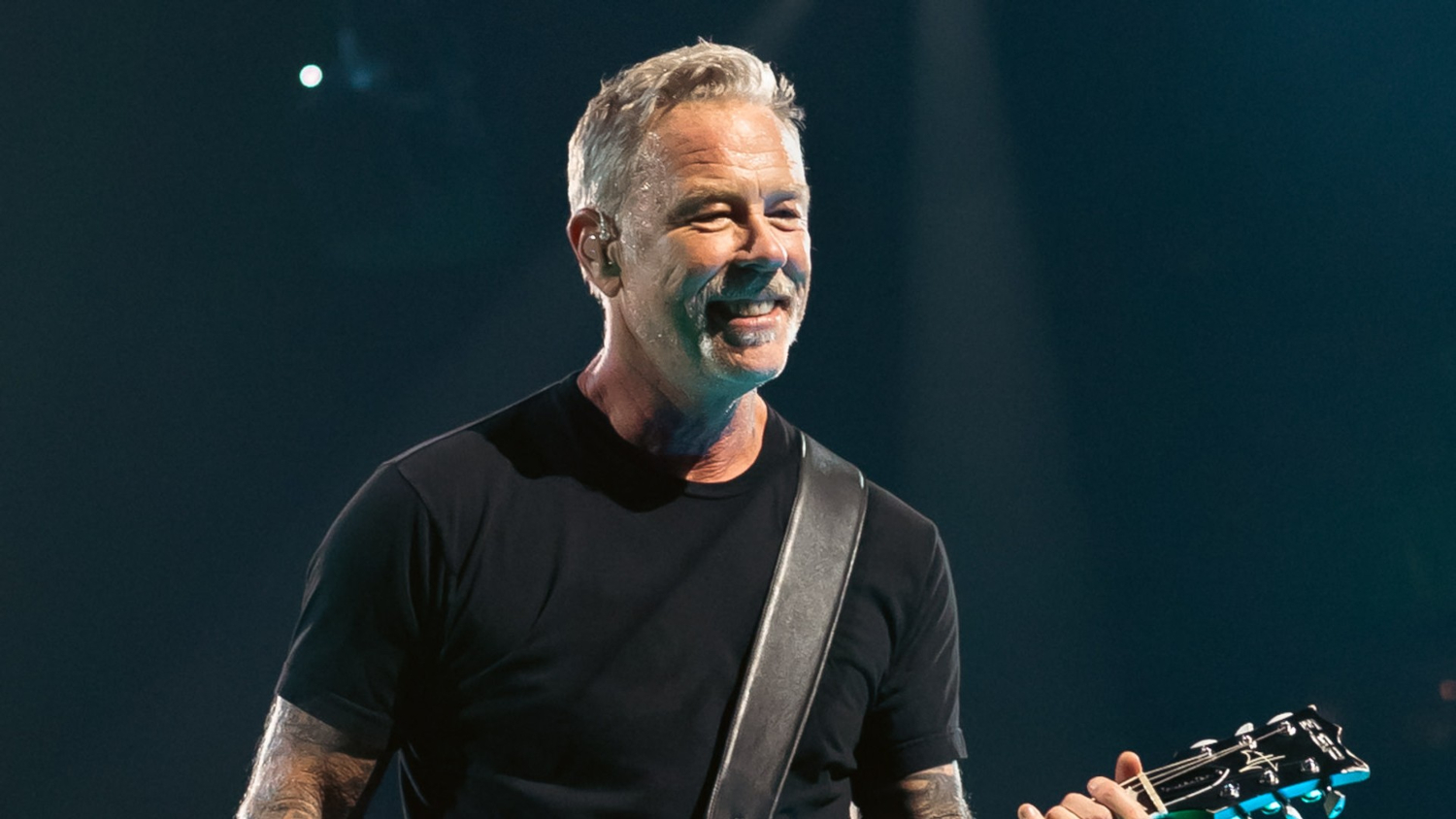
During Metallica’s Sphere performance on Oct. 10, Hetfield thanked fans for making the trip and told them the band wasn’t there to influence anyone with its “bull—-.” The agenda, he said, was “love, energy and heavy music.” He named no specific artist or movement. The connection to Waters is interpretive — drawn from timing and subject matter, not a direct, named exchange. Hetfield has previously expressed discomfort with political advocacy onstage, and the Sphere remarks fit that established pattern.
Key context:
- Hetfield spoke at Metallica’s Sphere residency on Oct. 10 and did not identify any specific artist or political movement
- Waters responded on The Katie Halper Show, calling Hetfield names and a nobody — these are Waters’ expressed opinions, not independently established assessments
- Waters argued that kindness and empathy matter more than “loud music and bouncing around”
- Waters’ public profile includes outspoken support for Palestinian causes; critics have leveled allegations of antisemitism against him, which he has rejected, stating his criticism is directed at Israeli government policy rather than Jewish people
Stage as Sanctuary or Soapbox?
The real argument here runs deeper than one podcast appearance.
Waters didn’t stop at name-calling. He suggested — in his view — that someone should have taught Hetfield the value of kindness earlier in life. That is a sharp character judgment, and it should be read as exactly that: Waters’ personal opinion, not an established fact about Hetfield’s character or abilities. Moments like these rank among the more memorable rock star meltdowns in recent memory.
The underlying divide is genuine, though. Hetfield frames the concert as a temporary refuge, a space where outside noise goes quiet for a couple of hours. Roger Waters has spent decades doing the opposite, building performances around The Wall‘s politically charged imagery and treating the stage as a platform for social accountability.
Most concertgoers have felt both pulls at some point — the night they needed Bruce Springsteen to name what was broken, and the night they just needed the riff to hit. Neither artist is wrong about what music can do. They simply disagree, with considerable force, about what it should.