



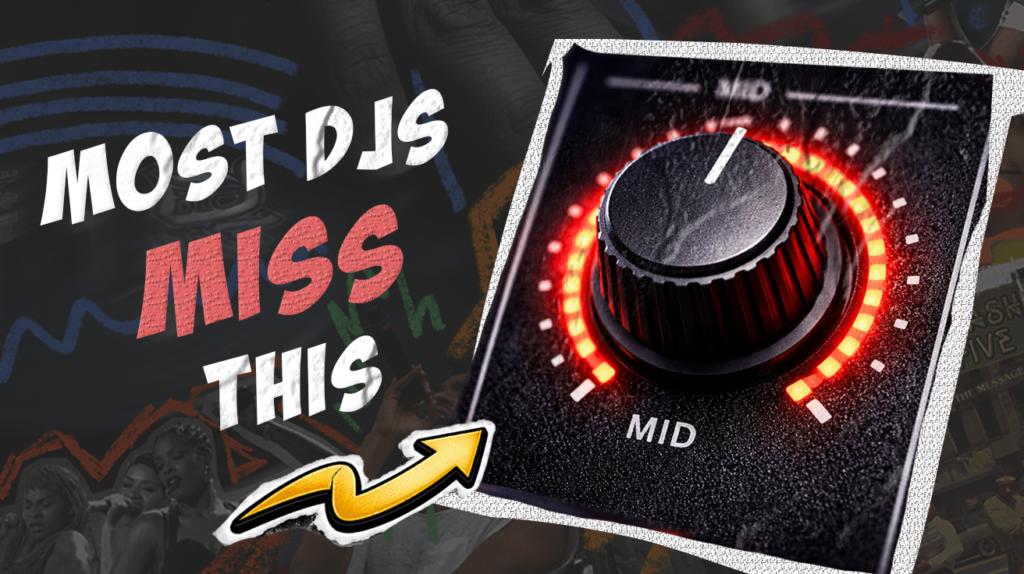
DJs who nail EQ separate themselves from bedroom wannabes faster than a dropped bass line. The equalizer isn’t just three knobs on your mixer—it’s surgical precision wrapped in sonic architecture. Get it right, and transitions flow smoother than aged whiskey; mess it up, and your set sounds like construction equipment having an existential crisis. These twelve tools don’t just tweak frequencies—they reshape entire dance floors.
12. EQ (Equalizer)
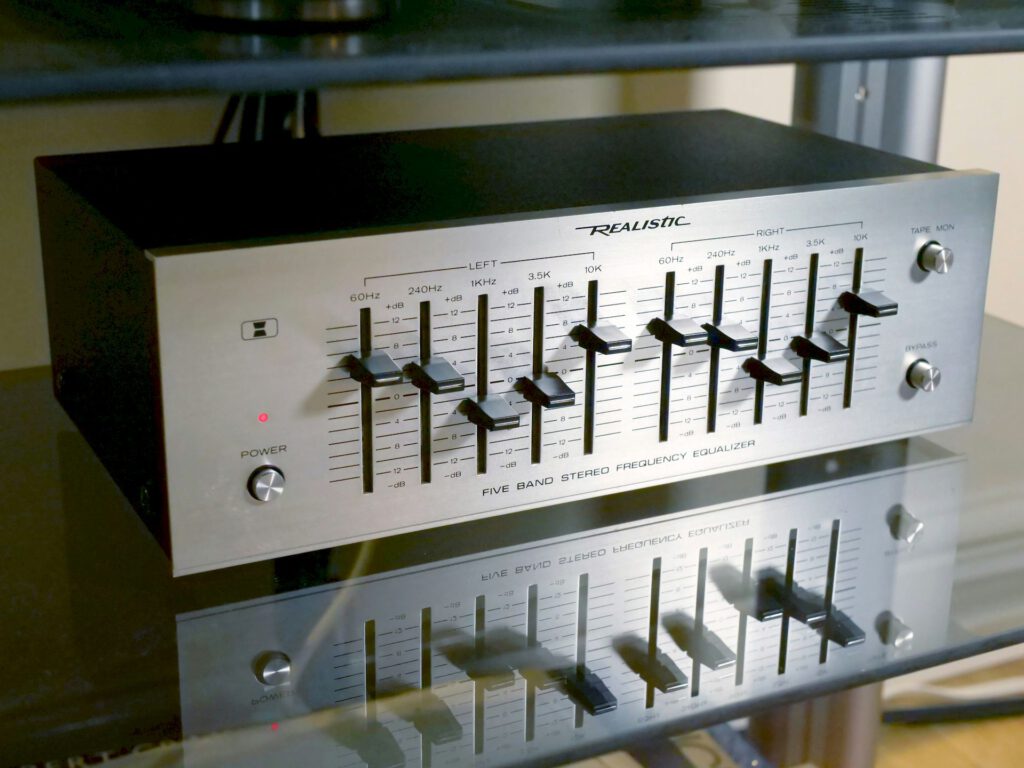
Your sonic scalpel for frequency surgery.
The equalizer controls volume for specific frequency ranges, carving space in your mix like a sound sculptor. Most DJ mixers feature a 3-band setup: lows (20-200 Hz), mids (200-5000 Hz), and highs (5000-20000 Hz). This prevents frequency clashes that turn dance floors into audio disasters.
Picture spinning at a rooftop food festival—the music needs to complement truffle tastings, not compete with them. EQ lets you spotlight vocals without basslines wrestling like drunk teenagers. Smart frequency management transforms background noise into a sonic tasting menu that actually enhances the experience.
11. Lows (Bass)
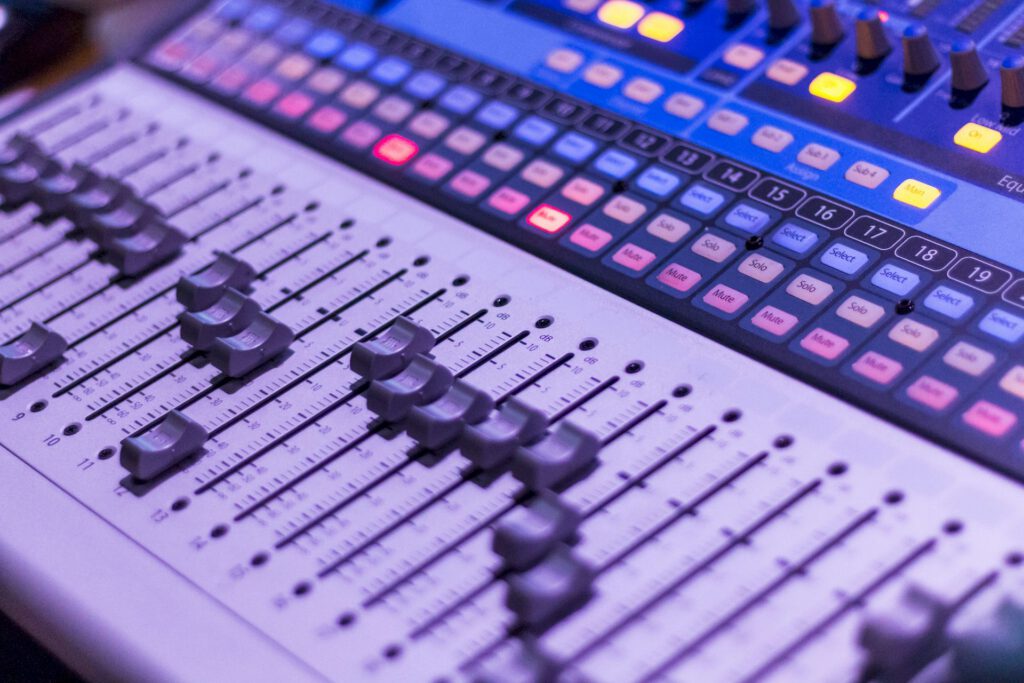
The primal energy that separates parties from polite gatherings.
Bass frequencies (20-200 Hz) fuel dance floor mayhem, but layering two basslines creates muddy mixes that sound like hippos dueting in a bathtub. Cutting bass on incoming tracks creates space for clean transitions and prevents low-end buildup.
Summer food festivals demand careful bass management—you want people hyped between paella and prosecco, not overwhelmed by sonic sludge. EQ becomes your scalpel, carving out frequency space so each track slams without muddiness. The result? Pure, danceable energy that makes even the food taste better.
10. Mids (Vocals)
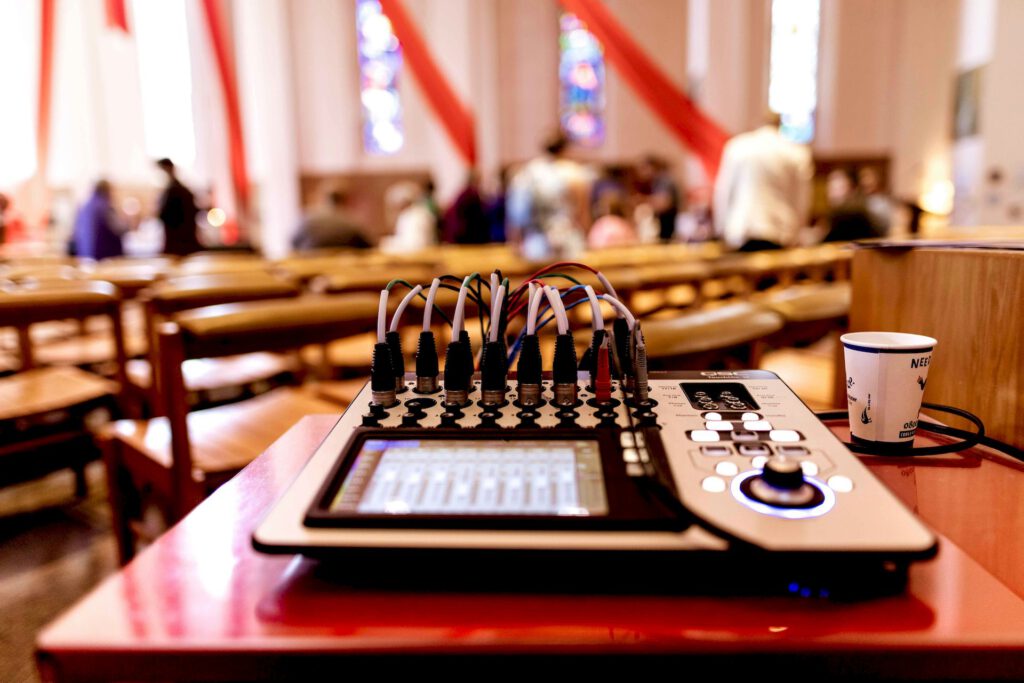
Never layer two vocals simultaneously unless chaos is the goal.
The 200-5000 Hz range handles vocals and melodies, making mids crucial for clean transitions. Layering vocals creates confusion—like wearing two pairs of headphones simultaneously. Your ears get lost, and your mix turns into sonic traffic jams.
Cutting mids on incoming tracks while boosting outgoing ones prevents musical mosh pits. This frequency band bridges your entire mix, keeping melodies crisp and crowds hooked. Master the mids, and you’re conducting symphonies instead of just playing tracks.
9. Highs (Treble)
Where hi-hats live and grooves come alive.
Hi-hats and cymbal crashes occupy the 5000-20000 Hz range, making treble management crucial for tight grooves. Proper high-frequency control ensures every transient cuts through instead of getting buried in muddy mixes.
Those crispy hi-hats add sizzle to culinary festival sets—EQ here gives beats extra flavor. High frequencies also smooth transitions between tracks, preventing sets from sounding flatter than day-old soda. A little finesse in the highs saves entire performances.
8. EQ Gain
The volume knob for specific frequencies.
A +6dB boost separates tracks that thump from those that gently vibrate molars. EQ gain adjusts frequency levels measured in decibels, creating sonic balance rather than cranking everything to eleven. It’s matchmaking for frequencies during transitions.
Channel gain or trim evens the playing field between tracks of different volumes. Isolator mode on some mixers fully kills bands to negative infinity (-∞), perfect for dramatic drops. Think like a chef balancing flavors—adding precisely what each frequency needs for perfect sonic recipes.
7. Channel Gain/Trim
The polite handshake before the beat drops.
Channel gain matches overall track volumes, preventing steamroller moments when one song destroys another. It’s essential preparation that ensures no sonic surprises disrupt carefully crafted vibes.
Anyone who’s survived playlist ambushes by surprise polka remixes knows volume management matters. Channel gain works alongside EQ for seamless transitions, debunking the myth that maxed-out knobs equal killer mixes. Balance beats brutality every time.
6. Isolator Mode
Surgical precision for dramatic frequency kills.
Unlike standard EQs with partial cuts, isolator mode completely eliminates frequency bands for dramatic effect. It’s the difference between nudging and pulling the sonic rug from under tracks during peak moments.
Imagine killing highs to drop a soulful saxophone solo while crowds devour jambalaya—isolator mode crafts those goosebump moments. Anyone who’s felt bass hit their chest knows this surgical control separates pros from amateurs. Drama demands precision.
5. Beatmatching
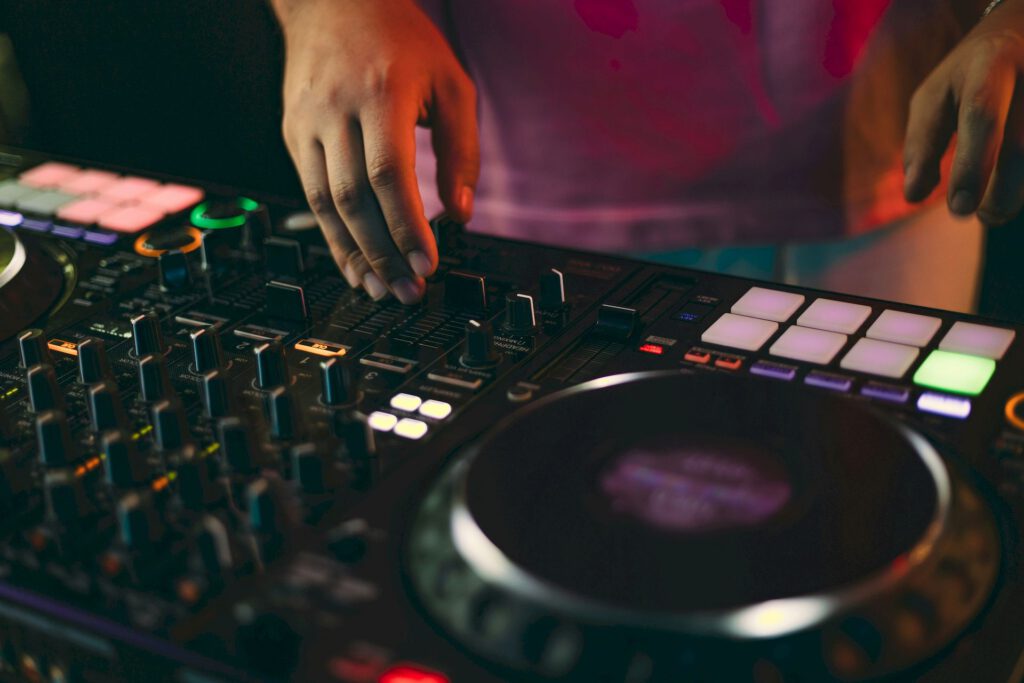
Reset to zero for seamless sonic handoffs.
Overlapping basslines resemble musical food fights—messy and unappetizing. Resetting EQ to 12 o’clock (0dB) before beatmatching prevents frequency clashes and ensures smooth transitions between tracks.
That 0dB balance gives each track its moment without muddying waters. Practice this habit now, and you’ll be miles ahead of bedroom DJs dreaming of headliner status.
4. Parametric EQ
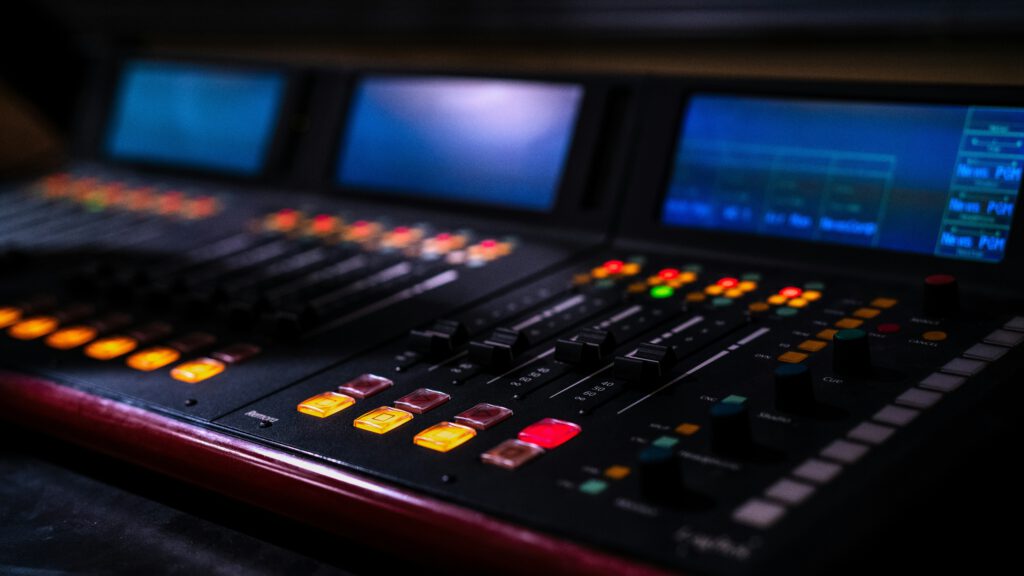
Surgical frequency selection beyond basic controls.
Parametric EQ offers custom frequency selection, trading finger-painting for photorealistic audio art. Unlike broad bass/mid/treble strokes, parametric controls target specific problem frequencies with surgical precision.
This advanced tool separates bedroom producers from professionals getting placements. When basic knobs can’t touch specific frequency issues, parametric EQ delivers mission-critical control. Any mixing engineer confirms: pro results demand parametric precision, not just basic adjustments.
3. EQ Effects/Filters
Creative isolation prevents sonic mudslides.
EQ effects and filters isolate specific frequencies, stopping low-end buildup without sacrificing energy. This creates more creative transition options while maintaining mix clarity during complex blends.
Think seasoning sound instead of deep-frying it—balanced mixes enhance dining experiences rather than overwhelming them with sonic chaos.
2. HPF/LPF (High-Pass Filter/Low-Pass Filter)
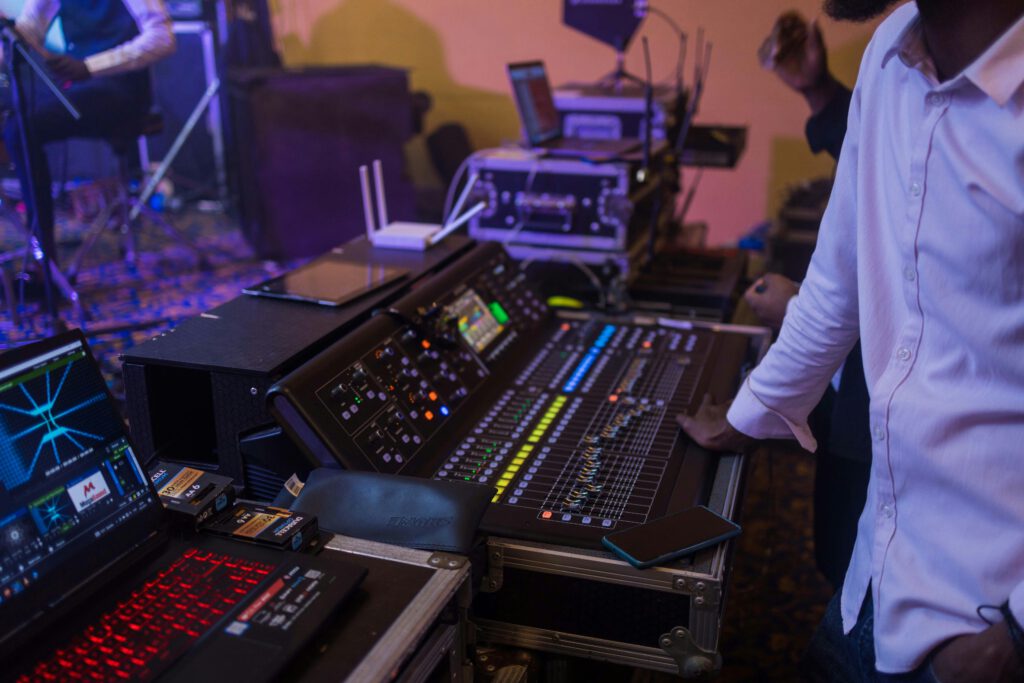
Modern filter sweeps without vintage hassles.
High-pass and low-pass filters create rising sweeps that build suspense before drops. These tools replaced manual tape deck techniques with effortless digital precision, becoming essential for creative transitions.
Beachside food festival transitions benefit from LPF gradually filtering high frequencies, mimicking tide pullbacks before bass-heavy drops. When executed properly, crowds lose their minds as filtered builds explode into full-frequency mayhem. Timing beats everything in filter game.
1. Pioneer DJM-900NXS2
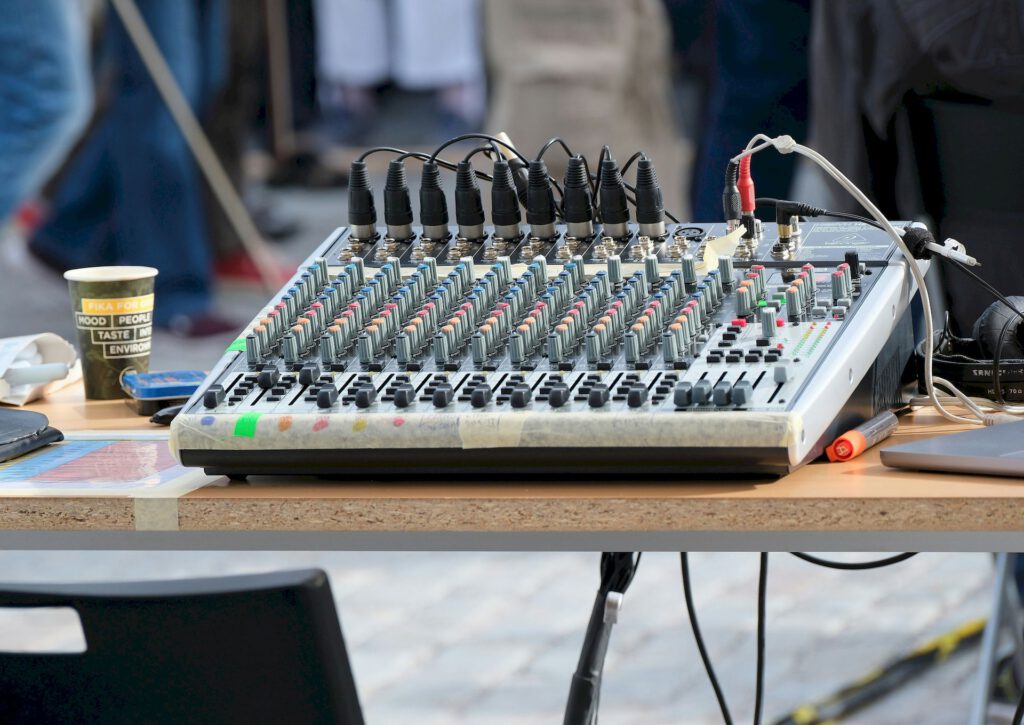
Industry standard mixer trusted worldwide.
The Pioneer DJM-900NXS2 earned its reputation through consistent performance in clubs and festivals globally. Its advanced EQ capabilities create sonic playgrounds compared to basic mixers that feel salvaged from garage sales.
Aspiring headliners deserve equipment that delivers consistently polished audio. While entry-level mixers limit creative potential, the DJM-900NXS2 provides the reliable foundation pros trust for moving crowds. Sometimes upgrading equipment transforms entire careers—this mixer proves that investment pays dividends.