


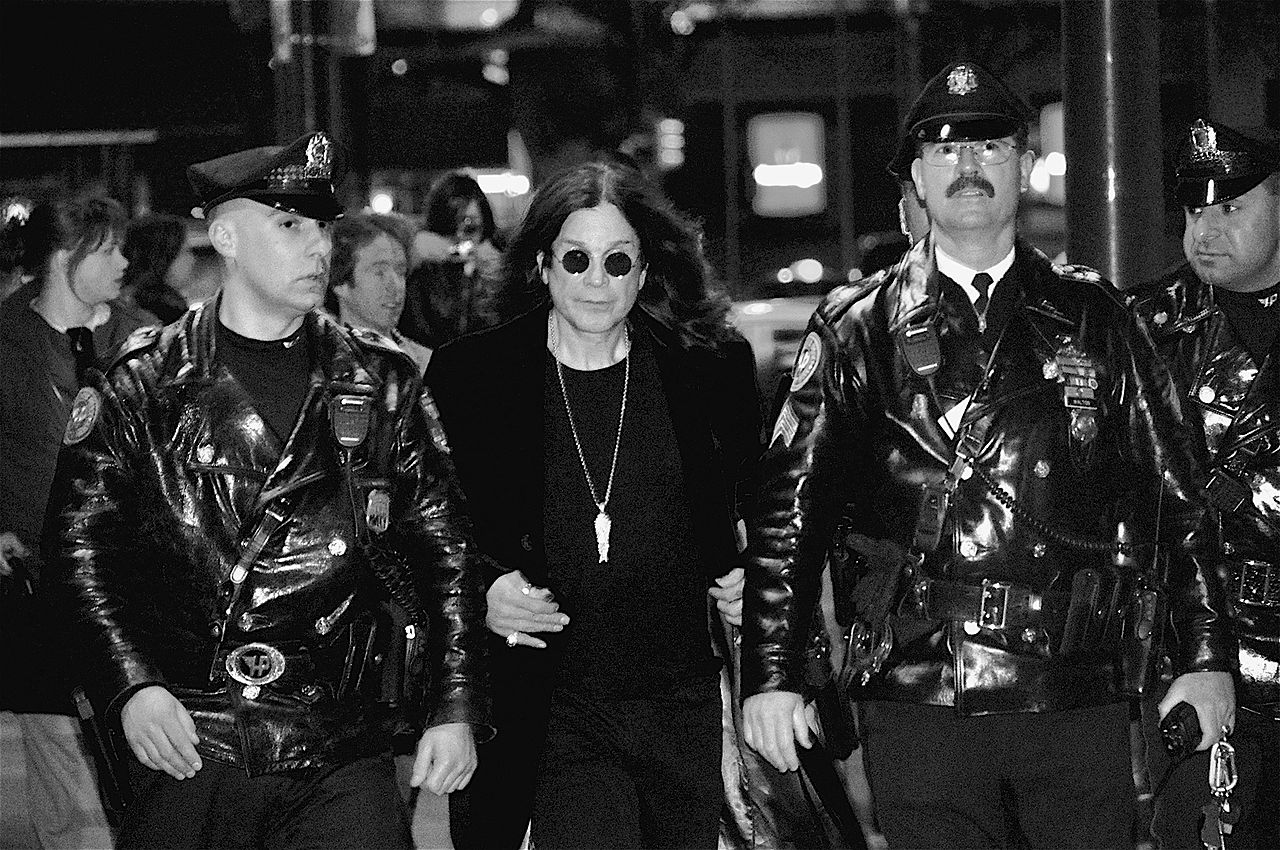
Doctors warned Ozzy Osbourne he “could probably die” two weeks before his final show. He performed anyway, choosing artistic legacy over medical caution in rock’s most defiant farewell.
Medical Warning Couldn’t Stop the Prince of Darkness
Sharon Osbourne’s recent appearance on the Dumb Blonde podcast revealed the stark reality behind her husband’s July 5, 2025, “Back to the Beginning” concert at Villa Park in Birmingham. After Ozzy’s hospital discharge following sepsis treatment, doctors delivered an unambiguous warning: “This could kill you.” The 76-year-old rocker, already battling Parkinson’s disease for over two decades, faced an impossible choice.
Sharon recalled the family’s awareness that “the kids and I, we knew it was time.” Yet Ozzy’s response embodied five decades of rock rebellion: Sharon remembered him saying he wanted to “go my way” like a rock star.
A Hometown Goodbye Worth Dying For
The concert featured heavy metal royalty—Guns N’ Roses, Metallica, Steven Tyler, Tool, Slayer, and Tom Morello—paying tribute to the genre’s founding father. Despite being wheelchair-bound and visibly frail, Ozzy delivered classics like “Mr. Crowley,” “Suicide Solution,” “Mama, I’m Coming Home,” and “Crazy Train.”
His stage presence, though diminished physically, carried the emotional weight of someone saying goodbye. “You’ve got no idea how I feel… Thank you from the bottom of my heart,” he told the crowd. Those words carried a different meaning, knowing what doctors had told him backstage.
The Final Curtain Falls
On July 22, 2025, less than three weeks after the show, Ozzy Osbourne died from a heart attack. His final moments reflected the same defiance that defined his career. After asking Sharon for a kiss and a hug, he passed quickly. Sharon decided against revival efforts, later explaining he “went out like a king.”
Thousands of fans gathered in Birmingham’s streets while King Charles III sent a handwritten note to the family. The man who bit a bat’s head off, survived decades of addiction, and created heavy metal’s template had orchestrated his own ending with typical theatrical precision.
For someone who built a career on confronting mortality through music, choosing performance over safety wasn’t reckless—it was perfectly on brand. Ozzy Osbourne didn’t just die like a rock star; he lived like one until his final breath.