


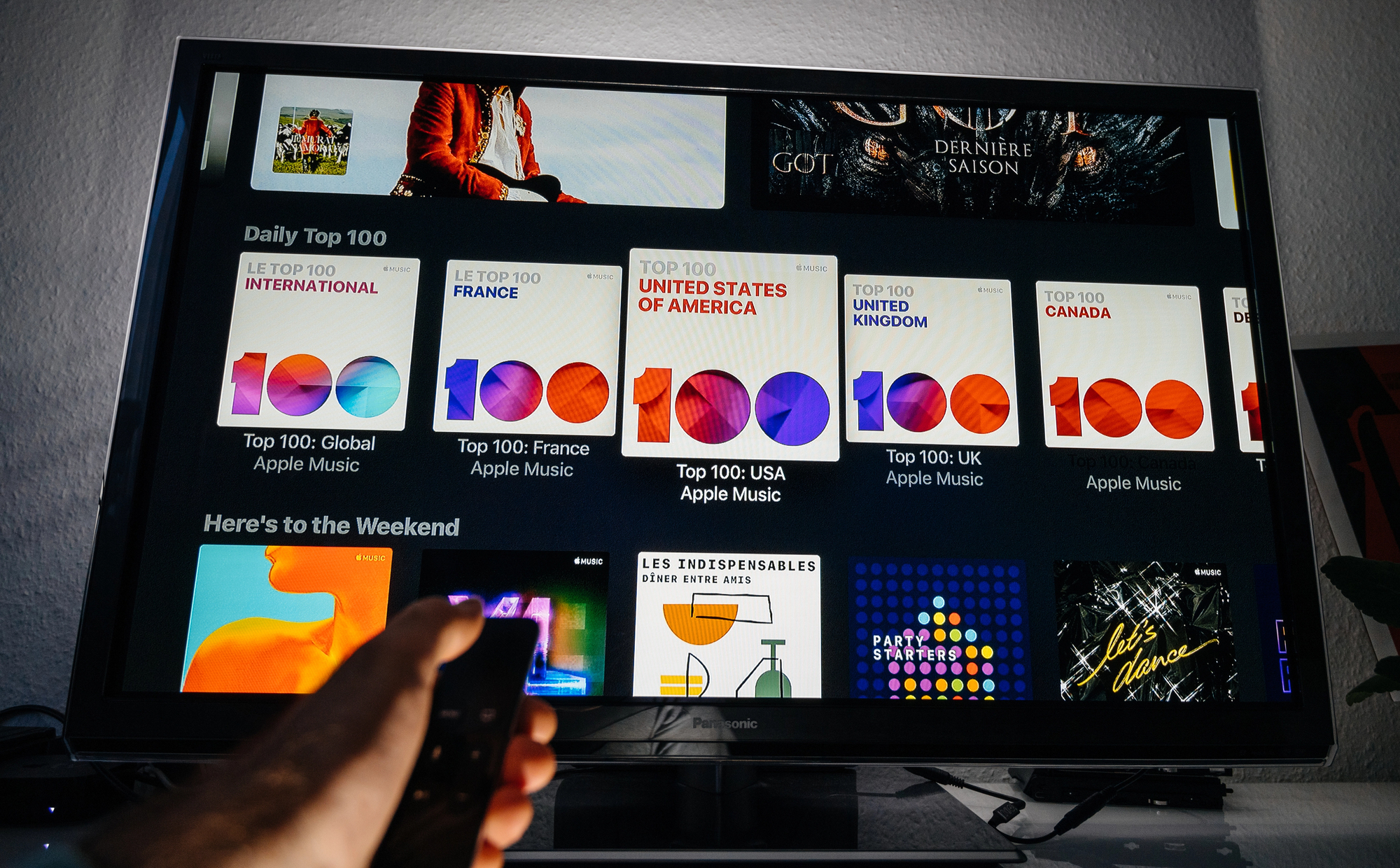
Eleven spots on the iTunes Top 100 singles chart belong to someone who doesn’t exist. “Eddie Dalton,” the country-soul sensation currently occupying positions #3, 8, 15, 22, 42, 44, 51, 58, 60, 68, and 79, is entirely artificial—the creation of Dallas Little, a content creator from Greenville, South Carolina, who generated everything from vocals to videos using AI prompts.
The April Fools’ Chart Invasion
Four new releases pushed the fake artist’s dominance to unprecedented levels.
Little launched his latest Eddie Dalton tracks on April 1, 2026—timing that feels less coincidental than prophetic. The fictional singer’s compilation album also hit #3, while tracks like “Another Day Old” dominated the #1 spot for nearly a week, racking up 1.2 million YouTube views.
Downloads, not streaming or radio play, drove these chart positions. People bought the music thinking they’d discovered authentic country soul.
Content Farm Meets Country Music
Crunchy Records operates as Little’s AI-powered hit factory.
Little runs what amounts to a musical content farm through his Crunchy Records label, churning out multiple AI artists beyond Eddie Dalton. The process requires no traditional recording—just prompts that generate songs, vocals, imagery, and promotional videos.
This follows last year’s precedent when AI-generated gospel singer Solomon Ray topped iTunes Christian charts, proving the concept works across genres.
Numbers Don’t Add Up
Chart success contradicts actual sales data in suspicious ways.
Luminate tracking shows Eddie Dalton sold only 6,900 tracks total since creation—numbers that shouldn’t support such massive chart dominance. Industry observers question whether Little is gaming iTunes’ algorithms or if listeners genuinely mistake AI for human artistry.
“Is Little gaming iTunes? Are people really buying Eddie Dalton’s music?” Showbiz411 asked, noting the complete absence of radio airplay typically required for legitimate chart success.
Industry Reckoning Ahead
Platforms face pressure to develop AI detection systems.
Pittsburgh musicians expressed mixed reactions, with some accepting AI elements while others worry about human replacement. The Eddie Dalton phenomenon exposes how easily AI content can infiltrate legitimate charts, potentially undermining decades of industry credibility.
Streaming platforms may need verification systems to distinguish synthetic from authentic artists—or risk becoming unwitting distributors of AI-generated content masquerading as human artistry.