



Bedroom producers worldwide have turned laptops into chart-topping hit factories, proving you don’t need Abbey Road’s budget to sound professional. The gear jungle feels overwhelming when every YouTube guru pushes different must-haves, but smart choices separate actual music-making from endless gear rabbit holes. We’ve cut through the marketing noise to spotlight essentials that deliver quality without requiring a second mortgage or audio engineering degree. These picks balance performance, ease of use, and affordability so you can focus on creating instead of troubleshooting.
1. Computer

Your studio’s digital brain needs enough horsepower to handle multiple audio tracks without crashing mid-session.
Slow computers kill home recording dreams faster than a power outage during a perfect take. A decent machine needs at least 8-16GB of RAM to juggle multiple tracks without choking—think herding caffeinated cats through a revolving door. Solid-state drives (SSDs) aren’t just fancy upgrades; they load samples faster than conspiracy theories spread on social media.
USB latency turns recording into an echo-chamber nightmare, so processing power keeps your rhythm tight. Multiple USB ports become essential for interfaces, MIDI keyboards, and that dongle you’ll inevitably lose behind the desk.
2. Digital Audio Workstation (DAW)
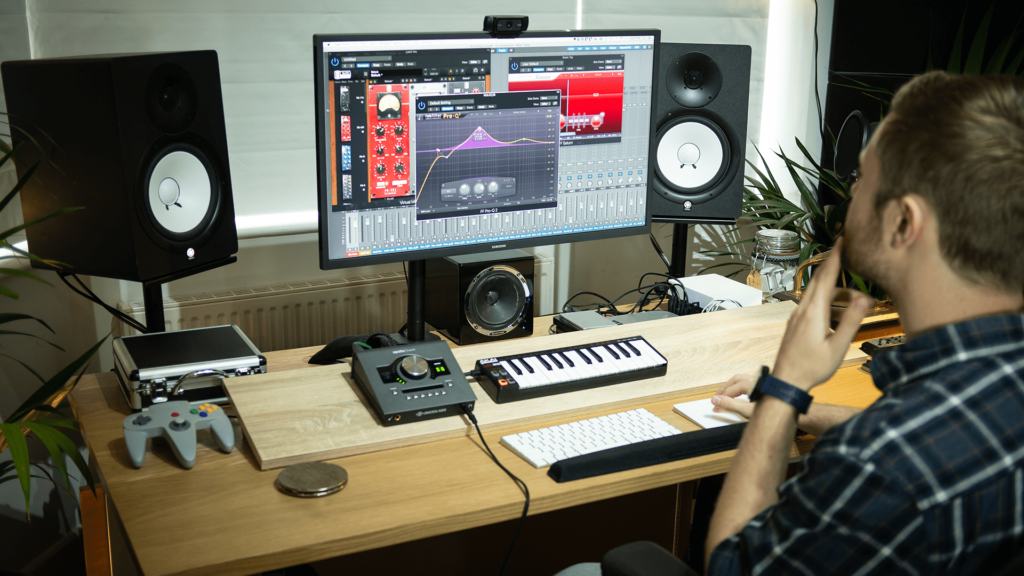
Recording software transforms your computer into a virtual Abbey Road Studios.
Recording software is where bedroom producers craft radio-ready magic. Start with free options like GarageBand (Mac) or Audacity, then graduate to affordable powerhouses like Reaper, Ableton Live Intro, or Pro Tools First. Check compatibility first—DAWs are like dating apps where personality clashes wreck everything.
This software works like Photoshop for sound, letting you chop, layer, and sculpt audio until 3 AM. The real question: can those late-night sessions become actual tracks, or just digital dust collectors?
3. Audio Interface
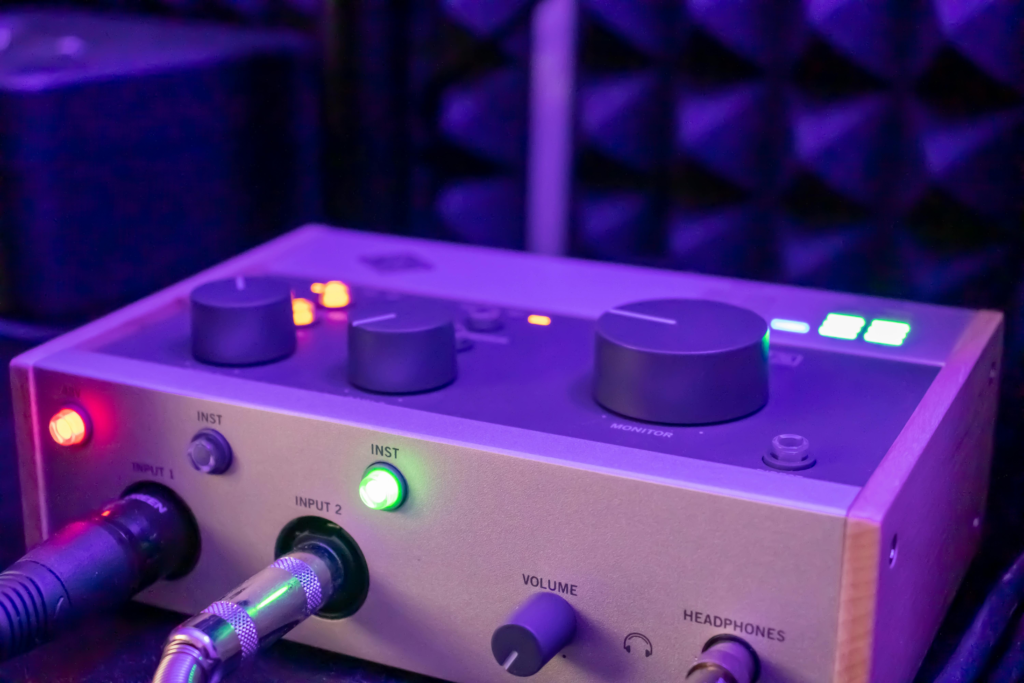
The crucial hub converting analog instrument signals into digital audio your computer understands.
Audio interfaces act as translators between your analog world and digital recording setup. Beginners need 2+ inputs with phantom power for condenser mics, like the Focusrite Scarlett 2i2 or Arturia Mini-Fuse. Both offer low-latency USB connections and headphone outputs—bare minimum features that prevent neighbor complaints during midnight recording marathons.
Simple USB connection gets you recording immediately, no engineering degree required.
4. Condenser Microphone
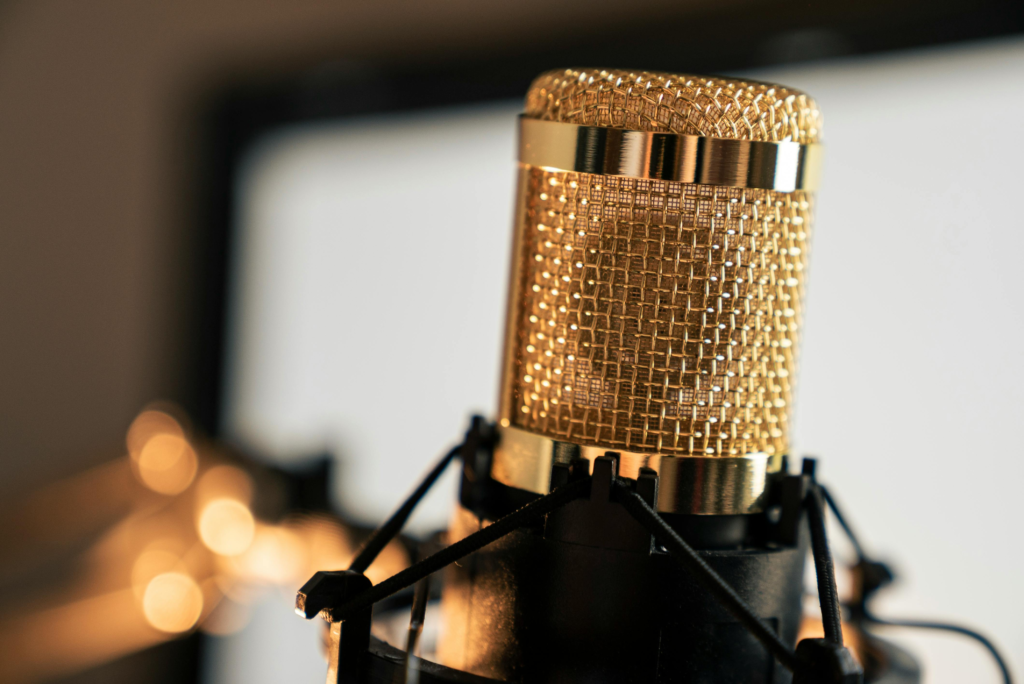
Essential for capturing crisp vocals and acoustic instruments with professional clarity.
Nearly every home studio starts with a condenser mic for vocals and instruments. Audio-Technica and Shure offer solid options under $100, paired with mandatory pop filters unless you want recordings sounding like wind tunnels. Think of pop filters as vocal bouncers, keeping aggressive “p” sounds from crashing the party.
Consider dynamic mics like the Shure SM7B as future upgrades—they’re studio workhorses. Add a boom arm because gravity kills great takes, and you’re set for clean, professional captures.
5. Closed-back Headphones
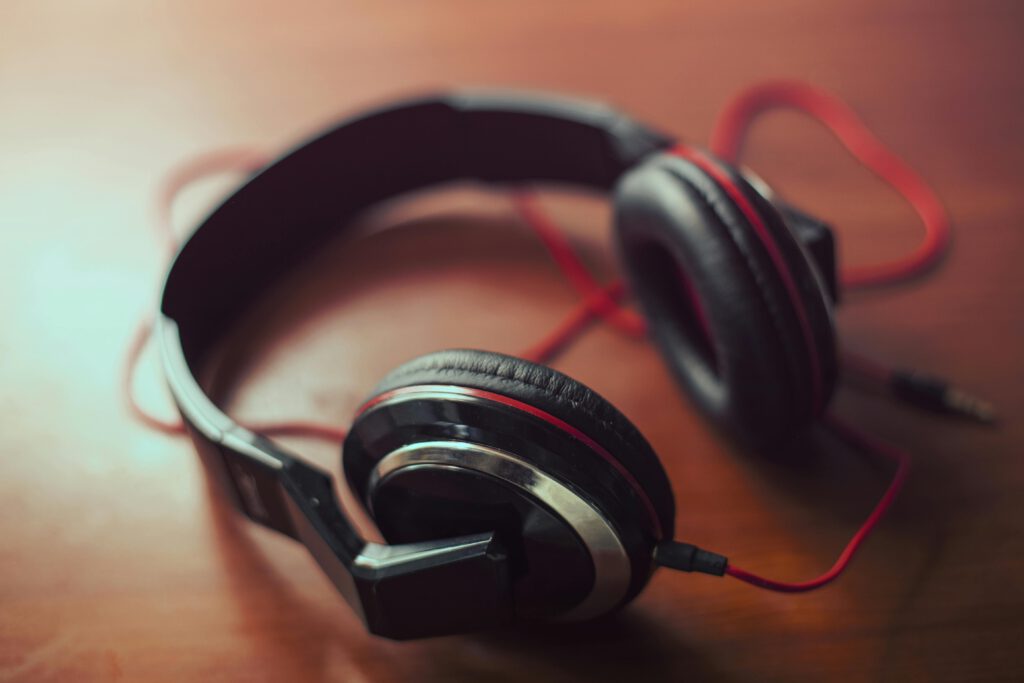
Critical for accurate monitoring without sound bleeding into sensitive microphones.
Closed-back headphones shut out distractions and prevent sound bleed during recording. The Sennheiser HD series, Audio-Technica, and Beyerdynamic DT 770/880 Pro have dominated studios for decades, with old-school engineers still swearing by them. Picture producers at 3 AM, fueled by lukewarm coffee, tweaking kick drums through their trusty Beyerdynamic DT 770 Pros.
These aren’t just tools—they’re sonic darkrooms for developing your sound in isolation before unleashing it worldwide. Best part? No kidney sales required for affordability.
6. Studio Monitor
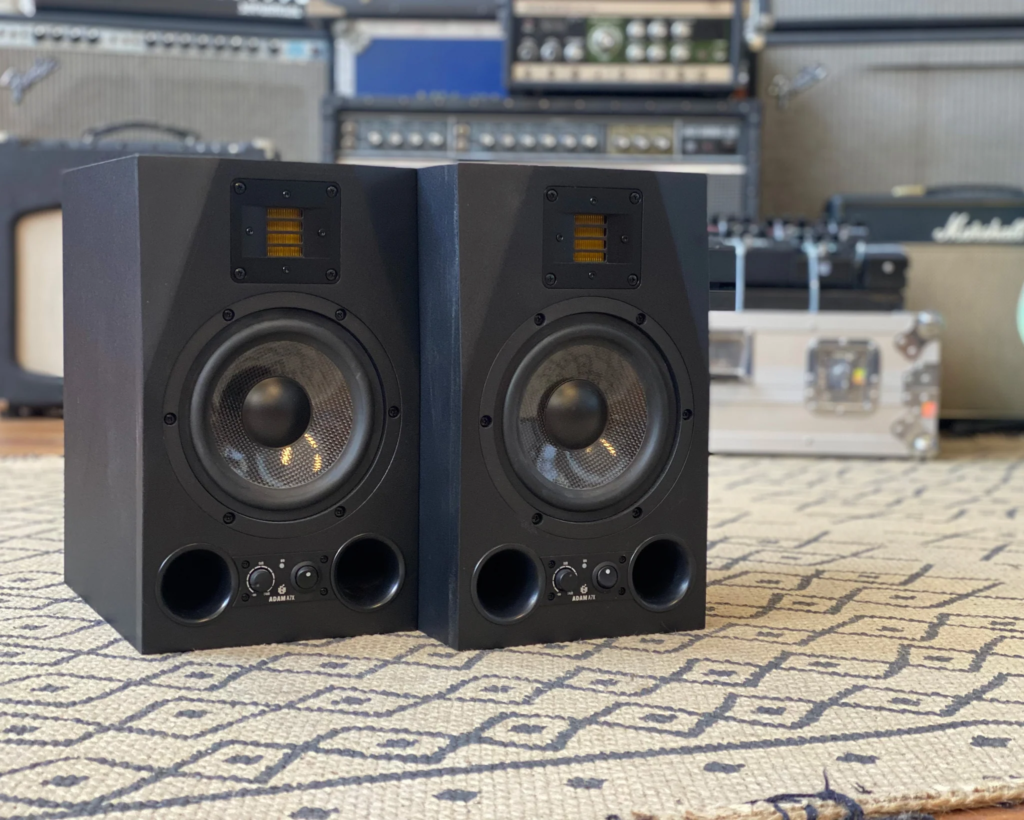
Reference speakers designed for critical listening and accurate mixing decisions.
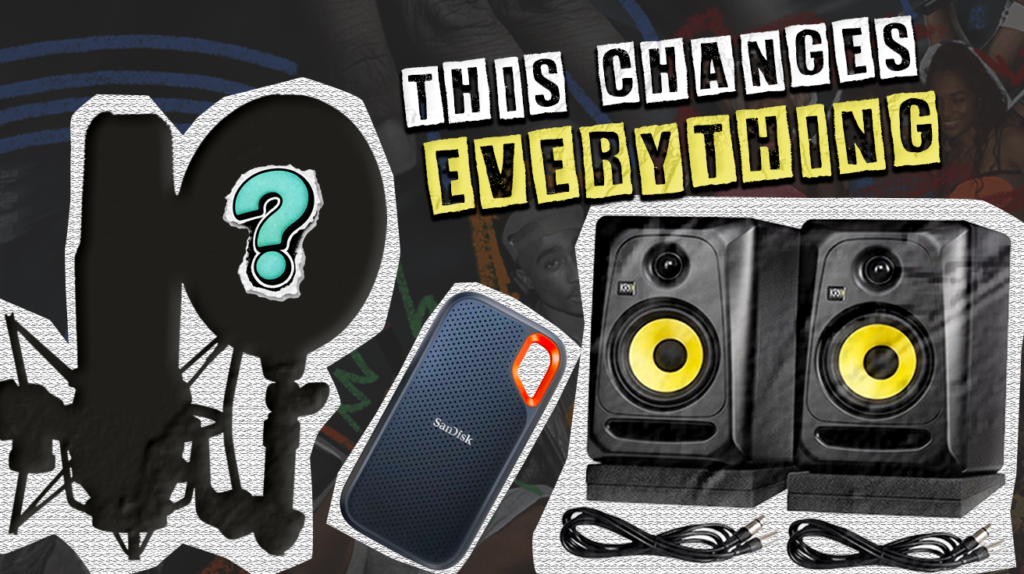
Studio monitors, or nearfield monitors, provide reference-quality sound for mixing. Many pros favor KRKs, connecting via balanced XLR or TRS cables. Position monitors so they form an equilateral triangle with your head for optimal listening. Room acoustics matter more than monitor price—even $300 speakers sound terrible in concrete cubes.
Acoustic treatment panels give speakers therapy sessions, revealing what’s actually there instead of room reverb lies.
7. MIDI Keyboard
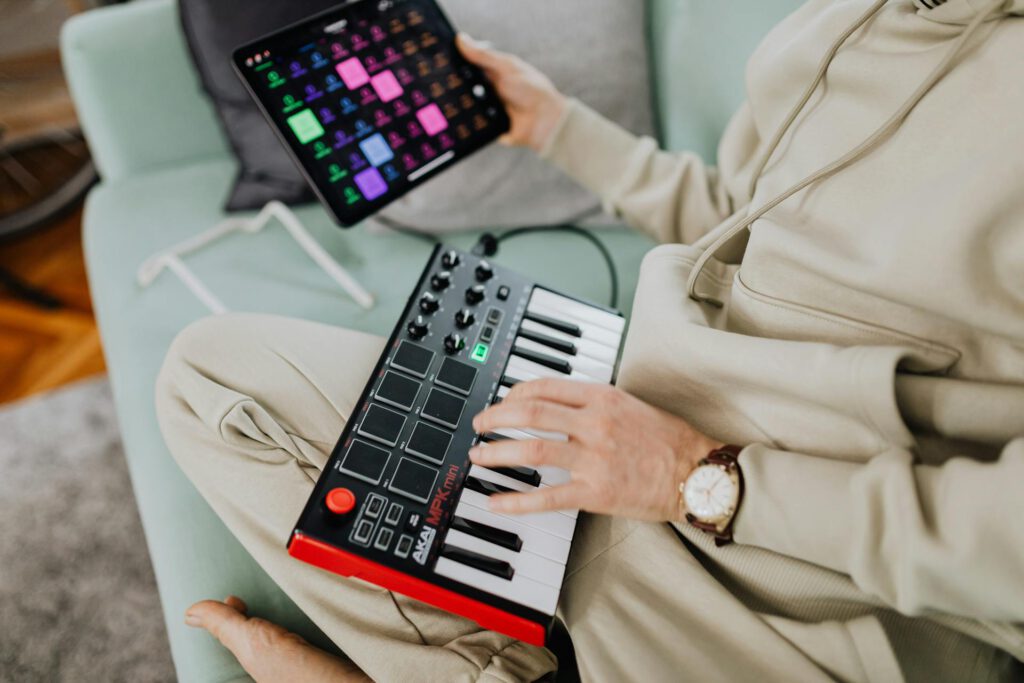
Opens infinite virtual instrument possibilities for producers and composers.
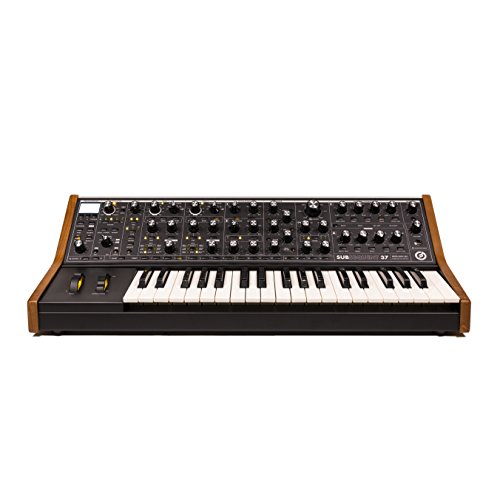
MIDI keyboards unlock virtual instrument worlds beyond physical limitations. The Akai MPK Mini, retailing around $120, lets producers conjure everything from vintage synths to orchestral strings. This compact powerhouse connects via USB, turning laptop inspiration into fully-formed tracks during flights or subway commutes.
Studio-in-a-backpack functionality eliminates roadie requirements and trust fund dependencies.
8. Cables (XLR, TRS, 1/4″)
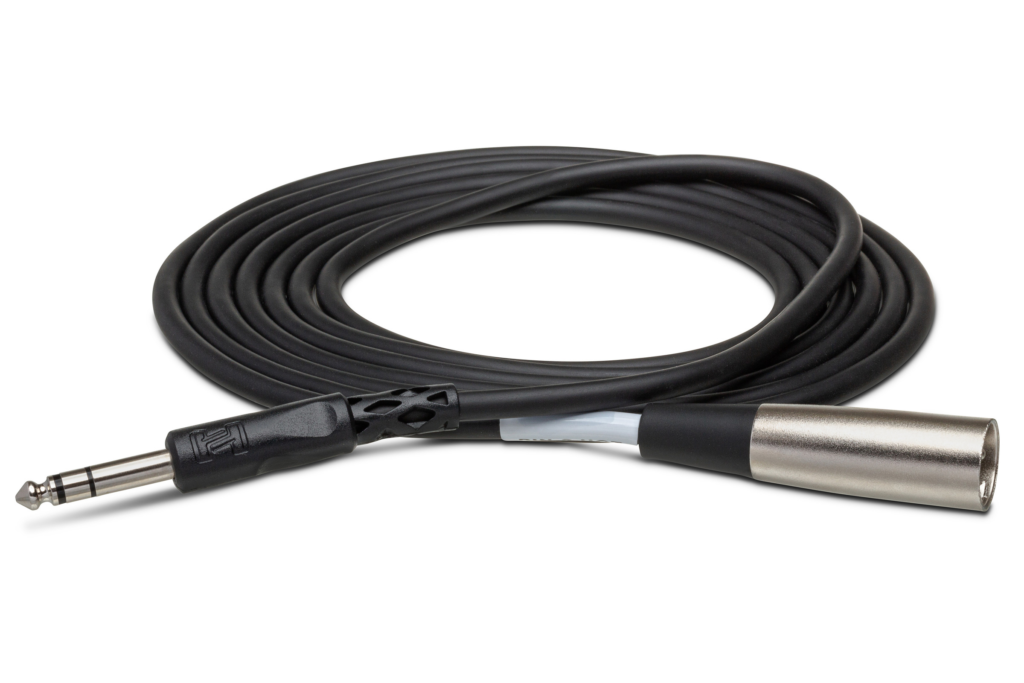
The overlooked studio veins carrying precious audio signals between your gear.
Cables get ignored more than drummer opinions, yet they’re studio lifelines. XLR cables with three-pin connectors handle microphones, ensuring balanced signals that reject noise. TRS (Tip-Ring-Sleeve) and 1/4-inch cables connect instruments and studio monitors, offering balanced and unbalanced options depending on your gear.
Decent cables cost relatively little, but skimping turns sonic masterpieces into something flatter than Milli Vanilli’s synthesizer-blamed career implosion.
9. Budget Home Studio Setup
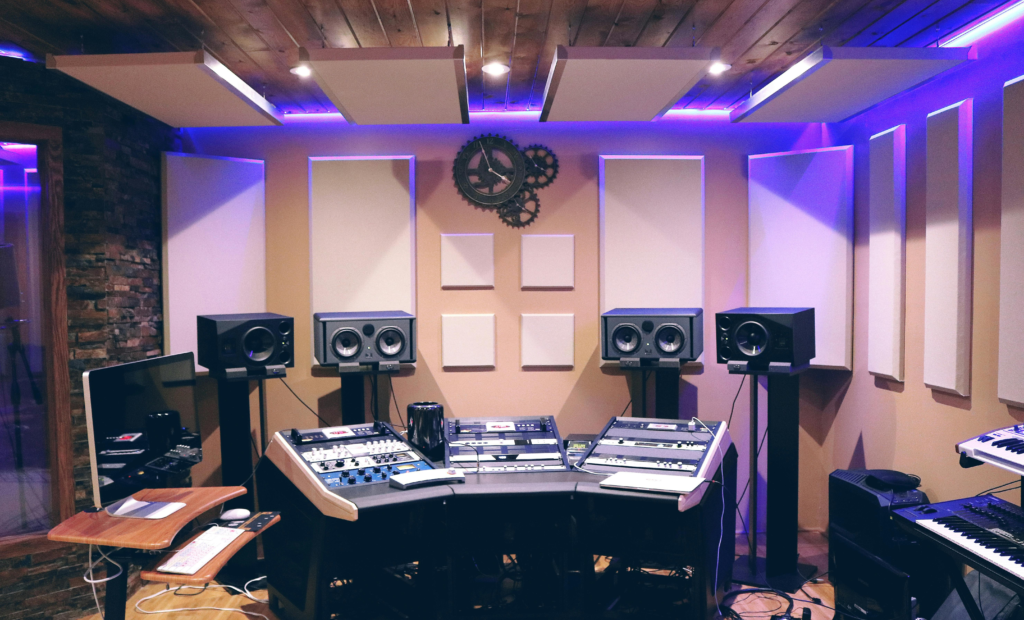
Smart compromises and strategic choices create functional studios under $350.
Total beginners can build functional home studios for under $350 through smart compromises and MacGyver-level creativity. Start with quiet rooms featuring decent acoustics—thick curtains, rugs, and strategic furniture placement make huge differences. Treat your room before buying expensive gear; location beats equipment every time.
Test existing gear before splurging on upgrades. Don’t believe hype claiming only brand-new, top-shelf equipment produces quality sound.
10. External SSD
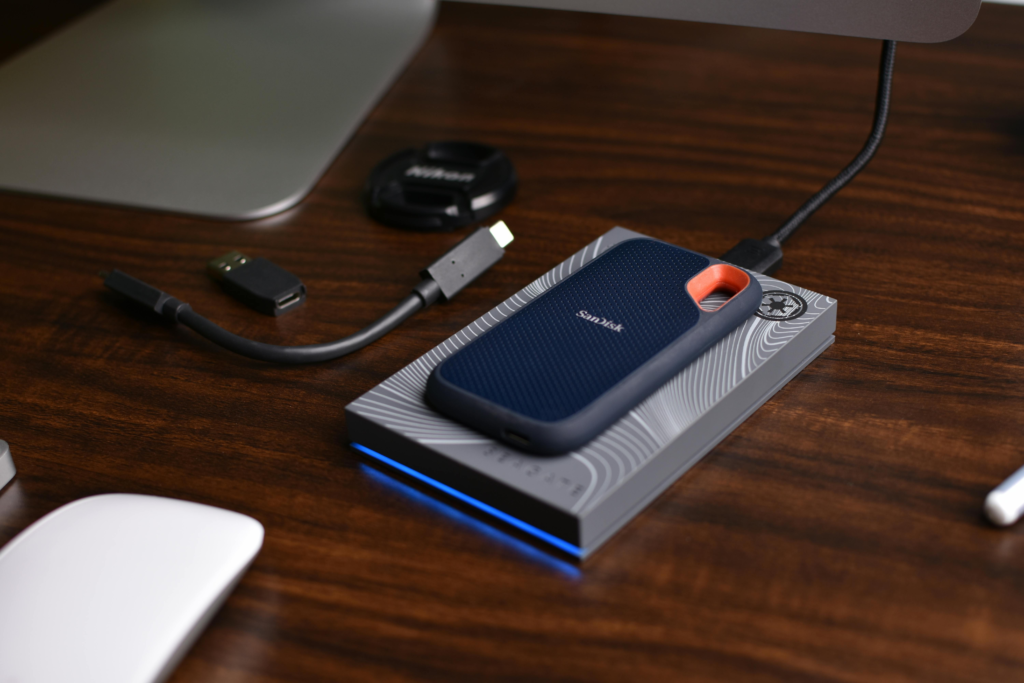
Budget-friendly storage upgrade preventing project crashes and improving workflow speed.
External SSDs are unsung budget heroes when computer drives fill faster than teenage search histories. This upgrade adds nitrous-boost storage performance, keeping projects running smoothly without breaking budgets. Picture producers drowning in WAV files before critical SSD upgrades—suddenly loading samples happens faster than you can say “delay.”
Systems transform from caffeinated sloths into responsive music-making machines, turning file-waiting into actual creating.