




Some producers treat their studio like a casino—placing bets on inspiration and hoping for a lucky break. Structuring your time into focused practice and deliberate performance sessions could be the house edge you need. This approach isn’t about sucking the soul out of your art; it’s about leveling up your skills, so you’re not just winging it every time you fire up Ableton.
8. Practice vs. Performance Sessions
Master the art of separating skill-building from track-finishing.
Break down studio time into practice—tool learning, sound design, drum-groove building—and performance, aka “game day,” where songs get birthed. Think of it like LeBron hitting the court after only playing video games. Athletes don’t just show up to the game and hope they play well.
Instead of expecting every session to be a Grammy winner, devote time to mastering your gear. Jot down weaknesses exposed during performance rounds, then laser-focus practice sessions to improve. It might be the difference between the same loops everyone else is using and the track that lands you in the closing credits.
7. Pressure and Overthinking
When expectations kill creativity, reframe your studio time.
Music production can feel less like expression and more like walking a tightrope over a canyon filled with self-doubt.
When producers approach sessions expecting immediate, high-quality results, it triggers overthinking that interferes with natural creative decision-making. This pressure differs from how other skilled pursuits are developed—athletes practice throughout the week before competition, musicians rehearse before recitals.
6. Synth Learning and Preset Exploration
Build familiarity without the pressure of creating a masterpiece.
Remember when everyone thought Y2K would crash the world? Diving into synths still feels like decoding alien tech for many producers. Instead of hunting for a track, try just futzing around. Scroll through the presets and twist some virtual knobs—this is about building trust, not beats.
Open a synthesizer without the goal of writing a track. Go through presets and tweak parameters to understand how small changes affect sound output. Before you know it, you’ll hear subtle differences that once escaped your ear. Soon, you’ll know how things respond and already trust what you’re hearing.
5. Drum Groove and Pattern Development
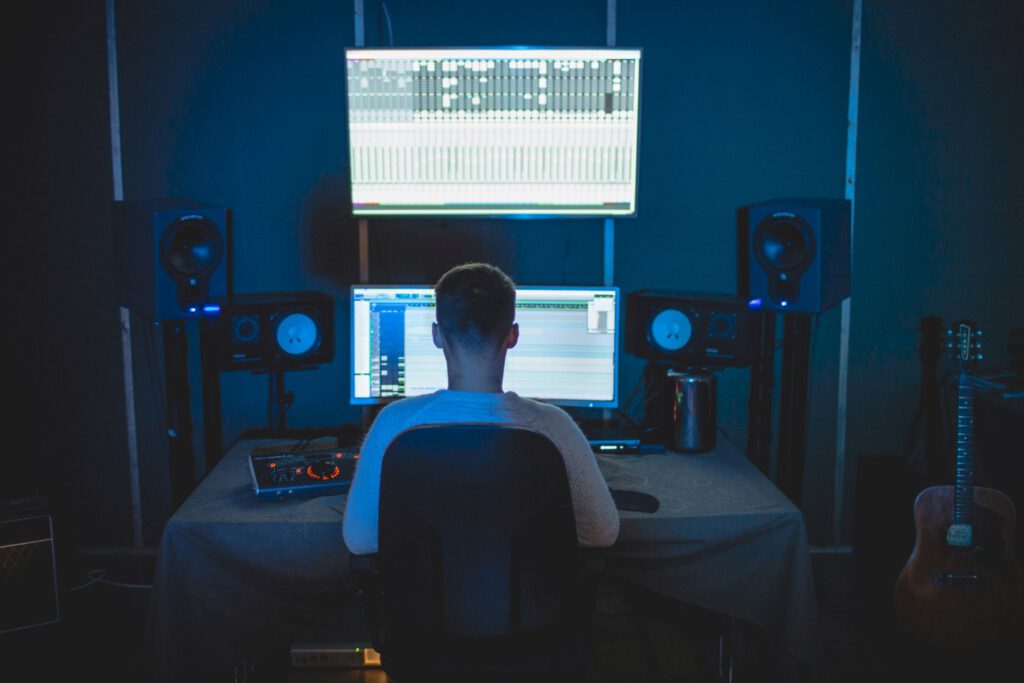
Isolate your rhythm skills to unlock tighter, more dynamic beats.
If your tracks sound flatter than day-old soda, maybe dedicated drum practice is the fix. Spend a practice session just building grooves, trying different patterns, and messing with swing until your beats hit that sweet spot between tight and sloppy.
Focus on drums exclusively during dedicated sessions. Build various grooves, test different patterns, experiment with swing parameters, and learn to distinguish between what creates tight versus sloppy feels. This isolates a single production skill for mastery before integrating it into full compositions.
4. Song Arrangement Study
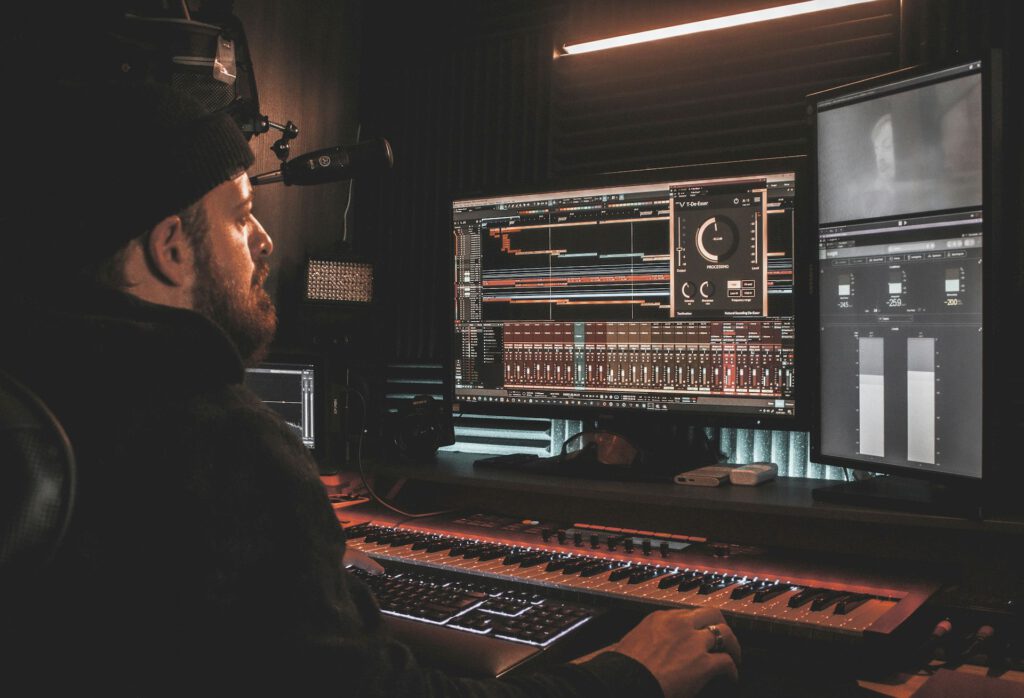
Reverse-engineer hits to learn dynamic storytelling through music.
Nothing gets those creative juices flowing quite like reverse-engineering someone else’s hit. Practice sessions can involve dissecting existing songs to understand their arrangement, from first note to fade out. Listen closely to how energy levels shift: where do elements drop in, and just as importantly, when do they disappear?
Study existing songs to analyze arrangement structure, including identifying where energy increases, when elements are introduced, and when elements are removed. This skill-building approach teaches how music develops dynamically over time without requiring original composition. It’s musical forensics—why struggle for inspiration when you can learn like a student?
3. Personalized Producer Development Plans
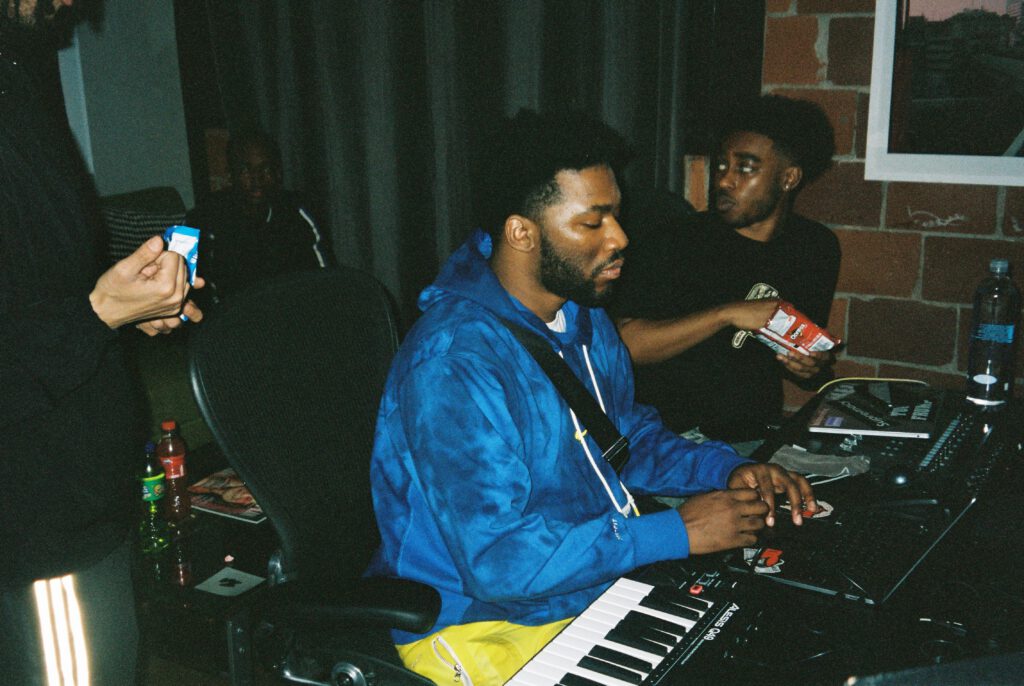
Identify your unique skill gaps for maximum practice efficiency.
The difference between 2 producers grinding the same hours often boils down to direction: knowing which skills pay off fastest. Some cats need to quit second-guessing every synth patch and just commit. Others can’t write a hook to save their lives, and it’s back-to-basics time.
Individual producers have different skill gaps requiring customized focus areas—some need faster decision-making, others need foundational skill strengthening, and some need clear planning frameworks to eliminate guessing during sessions. Maybe all you need is a clear plan instead of wandering aimlessly every time you load your DAW.
2. Identifying Weaknesses
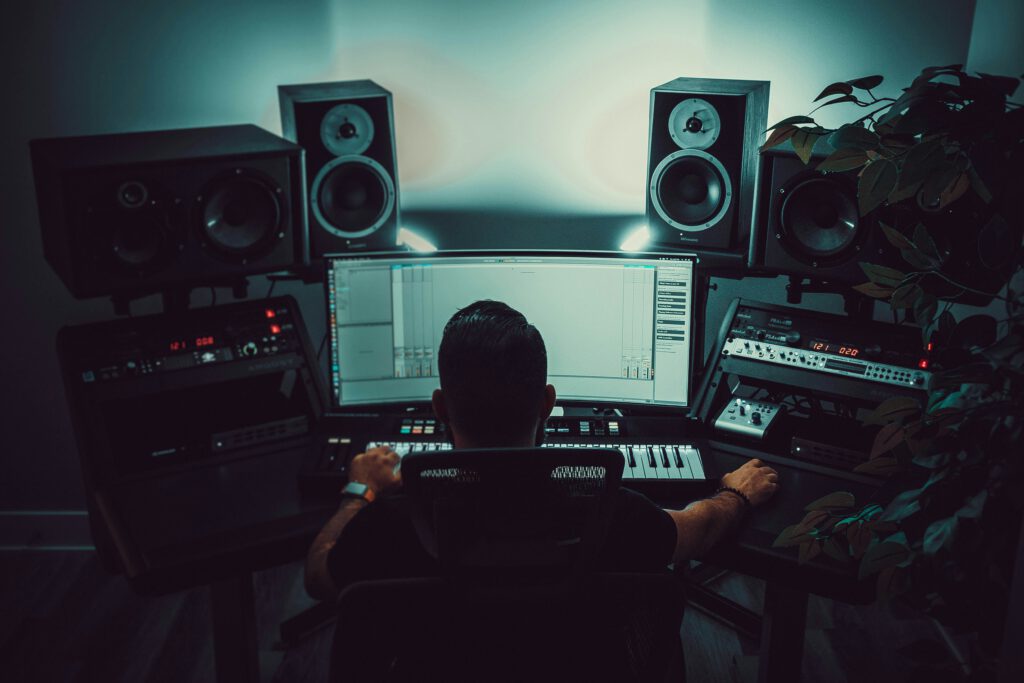
Turn your “uh oh” moments into targeted skill improvements.
Keep a running list of weaknesses identified during performance sessions to direct focus during subsequent practice sessions. This isn’t about beating yourself up; it’s about knowing exactly what to focus on next time. Think of it as your creative to-do list, except instead of “buy milk,” it’s “nail that swing feel.”
The difference between 2 producers with equal practice time is direction and knowing which skills provide the biggest return on invested time. Track what feels easy now, what still feels slow, and what still needs work. That’s how the real ones turn frustrating moments into skill-ups.
1. Scheduling Studio Sessions
Mix skill-building days with track-finishing days for balanced growth.
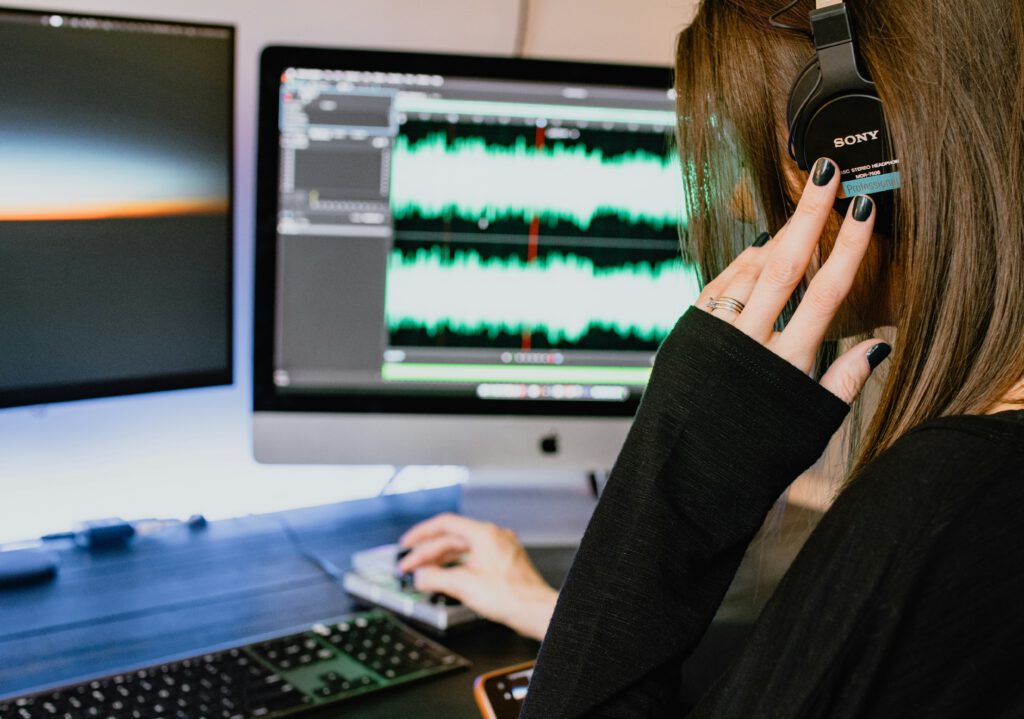
Creative ruts can feel like staring at a blank canvas—with a ticking clock. Savvy producers mix “practice” sessions for leveling up specific skills with “game day” sessions focused on finishing tracks. Some days become about mastering drum grooves, others about wrestling with synth presets without worrying about the clock.
This structured approach reduces pressure by establishing that not every session must produce finished work. Cosmic Academy can help producers build familiarity with individual components before attempting complete compositions. By dividing your week between practice and game day, you develop proficiency and confidence to unleash in full song sessions later.