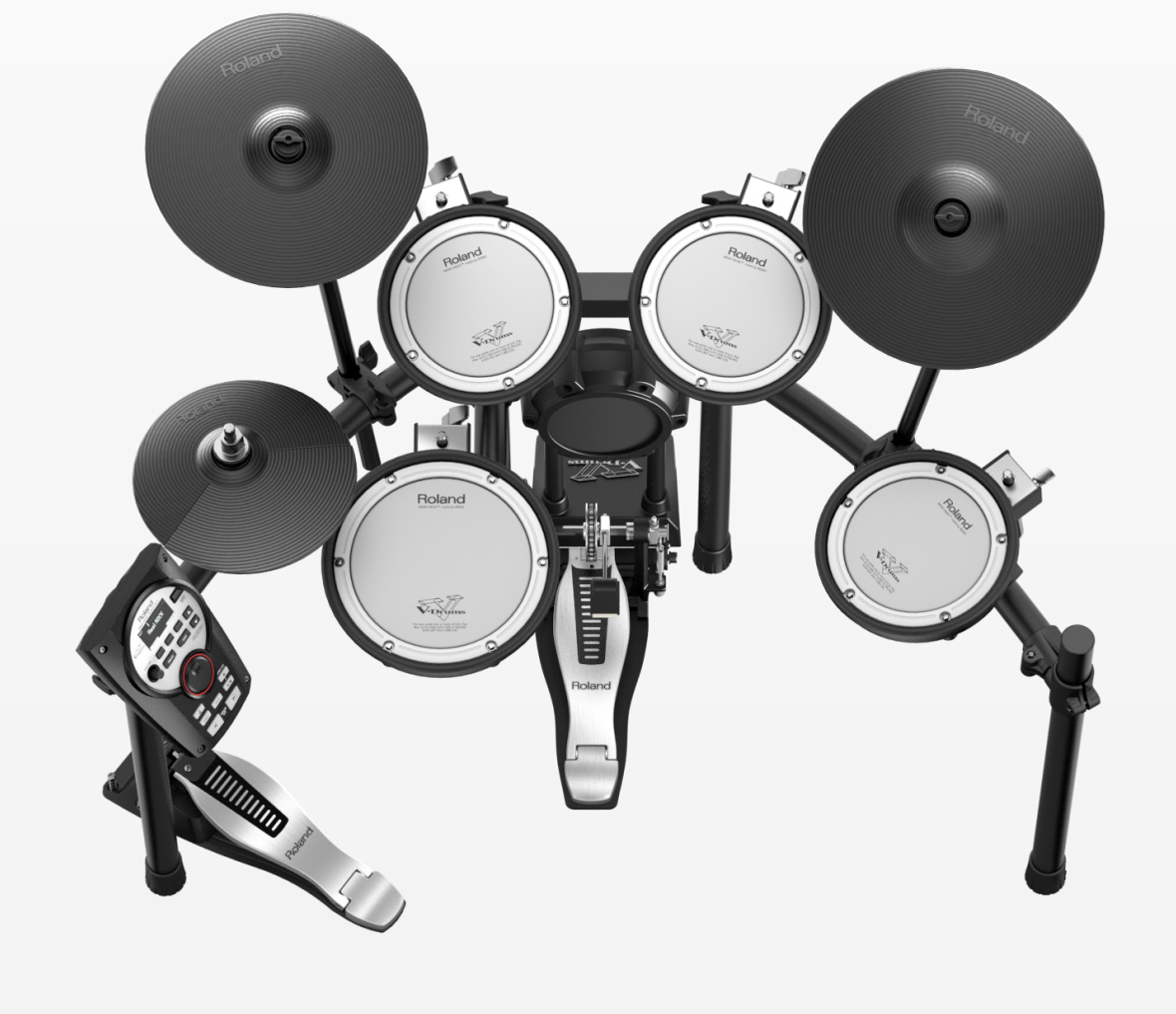




The Roland TR-909 launched in 1983 with a hybrid design—analog circuitry for kicks, snares, claps, and toms; digital samples for cymbals. That sonic friction landed on countless techno, house, acid, and industrial records. Drums that tap like bored influencers scrolling feeds won’t cut it. Crafting truly impactful drum sounds demands dissecting and reshaping their very anatomy. These selected techniques promise to elevate beats from background noise to undeniable sonic statements. Ditch the bland and discover how to make every hit demand attention.
13. Reshaping drum-hit dynamics with volume envelopes
Achieving true drum punch demands more than standard compression; it requires surgical precision. The frustration is real: a drum loop feels flat, lifeless, like a stale meme that missed its moment. Cableguys VolumeShaper, operating within ShaperBox 3, offers a solution. Draw a volume envelope or use an LFO to create a short, precise dip right after a transient, amplifying its perceived impact. This transforms a timid kick into a percussive force, much like a perfectly timed comedic beat drop.
The tool’s audio mode and LFO resets ensure consistent shaping for every drum hit, regardless of its timing. Reduce the loop length to fill the editor, simplifying intricate curve drawing. This precision extends to applying identical volume curves across varied sounds, such as layering synthetic claps to emulate multiple stacked hits. With three frequency bands for discrete volume shaping, sculpt attack, body, and decay with granular control, imbuing drums with the swagger a rock star has walking off stage.
12. Pitch and time reshaping of drum hits
Inject immediate intrigue that makes stale samples feel instantly alive.
Cableguys TimeShaper, integrated into ShaperBox 3, manipulates pitch and timing curves to transform drum hits. Sculpt snares, claps, or percussion with surgical precision using its virtual playhead. This generates effects like chops slicing the beat or stutters mimicking a skipping CD, creating movement that revives static samples.
Draw a sloping curve to sweep pitch down, creating dramatic impact like a jet engine powering down. This tool also generates glitches, scratches, and tape-stop effects, adding a lo-fi grit reminiscent of a forgotten VHS tape. If grooves feel stiff, TimeShaper’s playhead manipulation ensures percussion never sounds like a corporate training video.
11. Layering drums and percussive textures
Meticulous layering ensures drums possess an individuality that stands out.
The most compelling drum tracks rarely rely on a single, static sample; they instead thrive on carefully constructed layers that provide depth and unique character. Begin with a solid foundational sample, the rhythmic backbone, before adding complementary material like Foley, vinyl crackle, or a pitched vocal. Automating these layers over time injects variety, preventing drum beats from sounding like tired memes from last year.
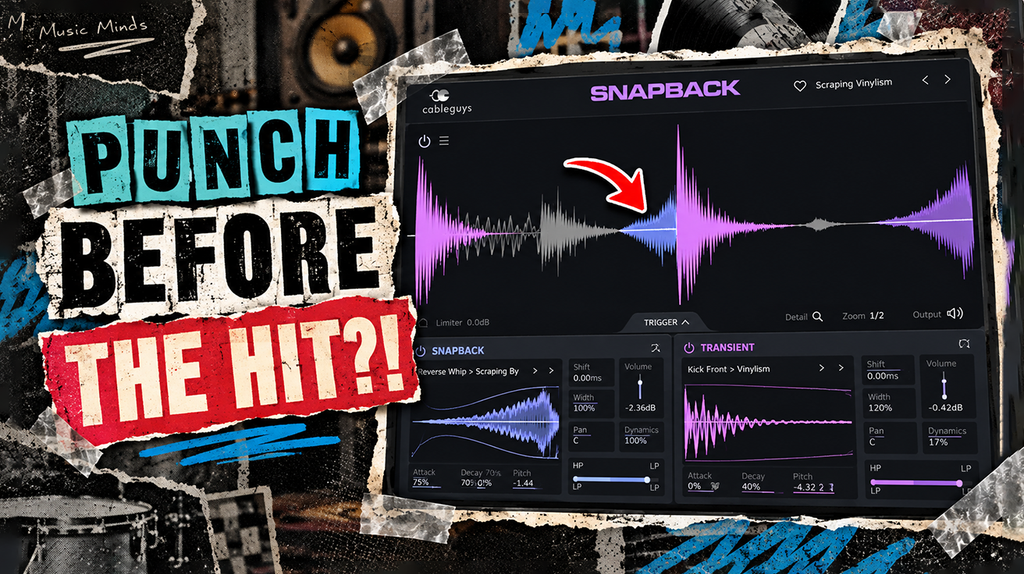
Producers aiming for a unique drum texture often leverage Cableguys Snapback for instant punch. This effect acts like a sonic bouncer, instantly reshaping dynamics for impact. Deploy it for subtle reverse impacts or a quick ‘thwip’ before a kick or snare, shifting the rhythmic feel. Alternatively, use an obvious Snapback layer to create suction and urgency just before a transient, automated on specific, impactful hits.
10. Using resonances for tonal character
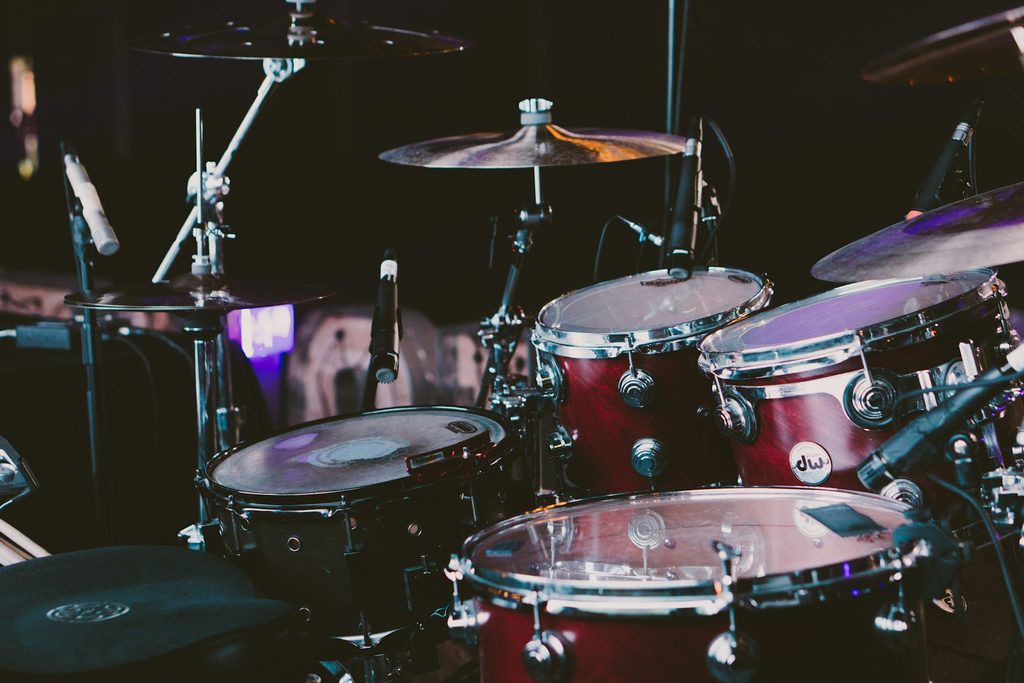
Resonances are the fingerprints of character, waiting to be exploited.
Producers instinctively flatten “undesirable” resonant peaks in a drum sound. The Roland TR-909’s distinctive open hi-hat combines analog drum voices with digitally sampled cymbals. Those specific resonant peaks supply recognizable tone. Flattening these frequencies drains the “magic,” making the sound indistinguishable from a million other samples—like trying to fix a painting by removing its colors.
Instead of flattening, boost a super narrow EQ bell, sweeping to find a ringing tone, then blend it in. Blend a tonal element, like an 808 Conga, tuned to the track’s key. Newbie producers often gut these vital frequencies, unaware they’re tossing out the very DNA of a drum hit. The difference is between a generic drum hit and one that sticks like a catchy TikTok sound.
9. Micro-grooves and subtle rhythmic details
These tiny sonic Easter eggs are the secret to a drum track that breathes.
Small timing, texture, and accent events can alter a drum groove without becoming an obvious rhythmic feature. Reverse impacts, snapback layers, field recordings, and vinyl crackle can provide short transitional or subliminal rhythmic cues. They act as nudges that operate just at the edge of perception, much like how TikTok trends subtly warp brains without anyone realizing it.
Beats sometimes have all the right rhythmic pieces, yet still feel as flat as week-old seltzer. Organic textures contain these “micro events” and “tiny rhythms,” injecting unique, hidden depth. Cableguys Snapback specifically adds this punch and character to drums, giving drum tracks life beyond mere metronomic precision.
8. Stereo widening through reverb and layered sounds
Transform a flat drum track into an immersive experience beyond a low-res MP3 from 2005.
If drum mixes sound trapped in a sonic shoebox, lacking any real space, expand their presence. Start with a solid, centered drum hit, then blend in a stereo layer for tasteful width. Processing with a convolution reverb, especially using unusual impulse responses, adds unique stereo content no mere pan knob ever could.
Cableguys’ ShaperBox 3 includes a Width shaper among its available effects for stereo manipulation. This careful treatment makes drums fill the room, providing the sonic equivalent of 3D glasses for ears, transforming flat tracks into something expansive and alive.
7. Selective distortion of drum transients or sustain
This surgical approach ensures aggression while maintaining drum clarity and impact.
While others simply slap a distortion plugin onto an entire drum track, discerning producers sculpt their grit while preserving impact. This precision distorts only specific parts of the drum waveform, preserving a transient’s punch while smashing the hit’s body. Cableguys DriveShaper is a distortion toolkit, and the broader ShaperBox system supports layered effect processing. Draw precise LFO curves or use an envelope follower to blow out sustain for maximum crunch, much like a chef searing only the fat cap of a steak.
This method prevents drums from becoming an undifferentiated wall of noise. Aiming for industrial drums means wanting that satisfying thump without them collapsing into mud. DriveShaper accents distortion patterns uniquely, altering timbre for crunchy movement—like applying a TikTok filter not to the whole video, but only the dramatic drop, ensuring maximum effect.
6. Sidechain-triggered interaction between bass and drums
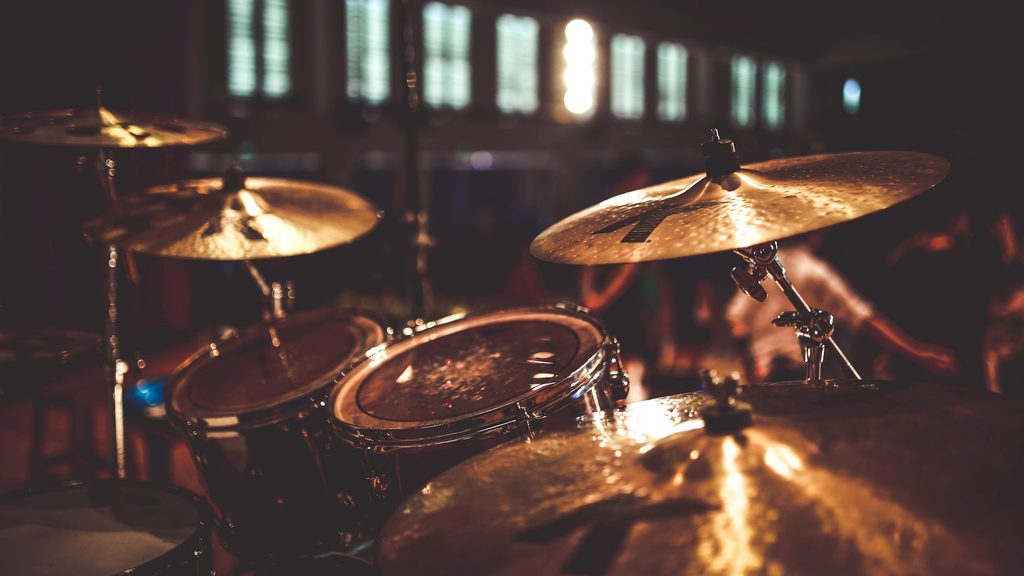
This trick makes percussion visibly react, creating visceral, unique character.
A static bassline delivers all the personality of a flat soda. Dynamic rhythmic punch means the bass actively sculpts drums. In Ableton Live, route a bass or sub-bass signal directly into a high-frequency drum channel, like rides. Isolate the sub-bass with EQ, then use a compressor’s sidechain audition button to route and hear only that specific signal. This makes the bass the rhythmic puppet master, dictating the drum’s pulse.
Mix this sidechained sub-bass in parallel with the rides. Distort both signals together, then high-pass the subs from the combined signal. The rides go “mushy and break up” every time the bass hits, creating a squishy, oppressive feel and exaggerating bass weight—like a glitch in the Matrix.
5. Manual timing shifts, swing, and humanized grooves
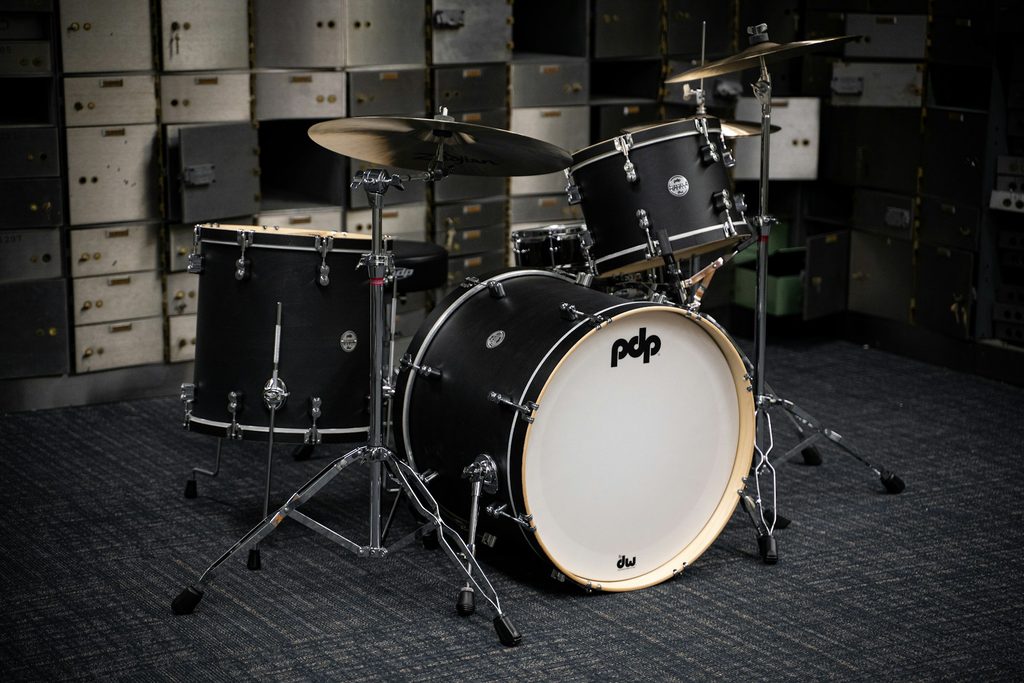
This manual groove shifting transforms a sterile beat into a living, breathing entity.
A truly organic beat rarely sticks to the grid like a politician’s talking points, leading to music that feels stiffer than a LinkedIn headshot. Locking all drums to the perfect quantization in Ableton Live often creates this robotic, lifeless pulse, missing the human imperfections that make grooves irresistible. If beats lack organic flow, the issue likely stems from this digital straitjacket, where every hit is mathematically perfect but emotionally vacant.
To avoid that sterile outcome, emulate a real drummer’s subtle inconsistencies. Start by anchoring the snare and downbeat kick firmly to the grid, giving rhythm a solid foundation. Then, manually shift other sounds—like hi-hats or ghost notes—early or late by tiny amounts. Ableton Live’s Track Delay can delay or pre-delay an entire track, while micro-offsets can also be made with clip nudge controls. This trick, mastered by artists like J Dilla and Burial, transforms beats into raw conversations instead of Excel spreadsheets.
4. Swing and shuffle timing
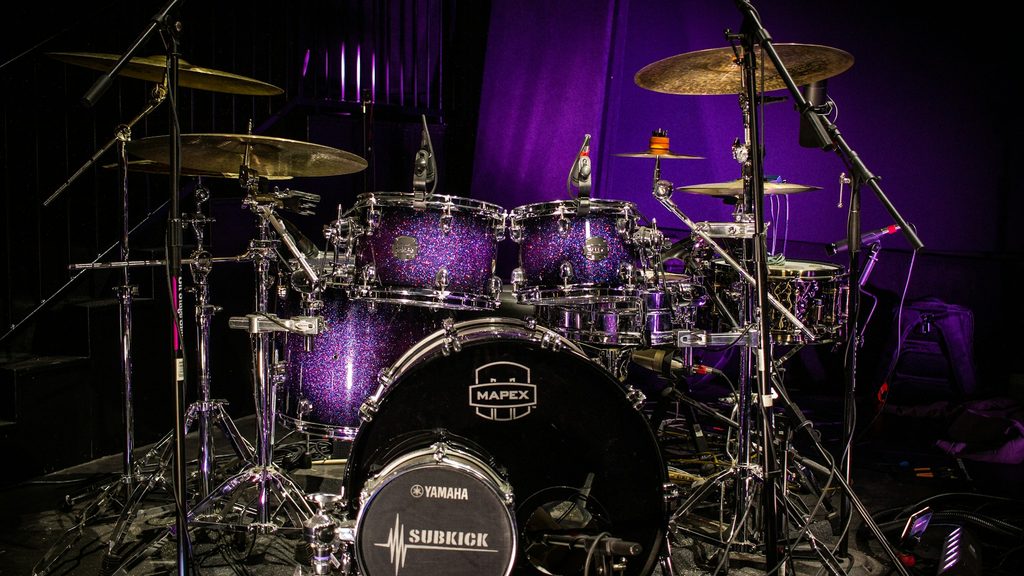
The best rhythms often emerge from imperfection, not programmed precision.
Swing timing, often called shuffle, delays alternating subdivisions to create a signature rhythmic lilt. This subtle push-and-pull transforms a stiff beat into something more fluid and danceable. If a classic house or hip-hop feel is needed, swing templates are crucial. Ableton’s Groove Pool can adjust timing and velocity relationships before committing the changes to MIDI notes or audio warp markers, much like a conductor subtly altering an orchestra’s tempo.
For real-time manipulation, Cableguys TimeShaper manipulates a virtual playhead to create pitch and time changes—instant gratification like hitting the perfect filter on a TikTok before it even posts. While software templates offer convenient swing, manual groove shifting provides truly unique results. Pushing individual notes ahead or behind the beat creates bespoke swagger, a human touch algorithms cannot replicate.
3. Distinctive drum-sound selection
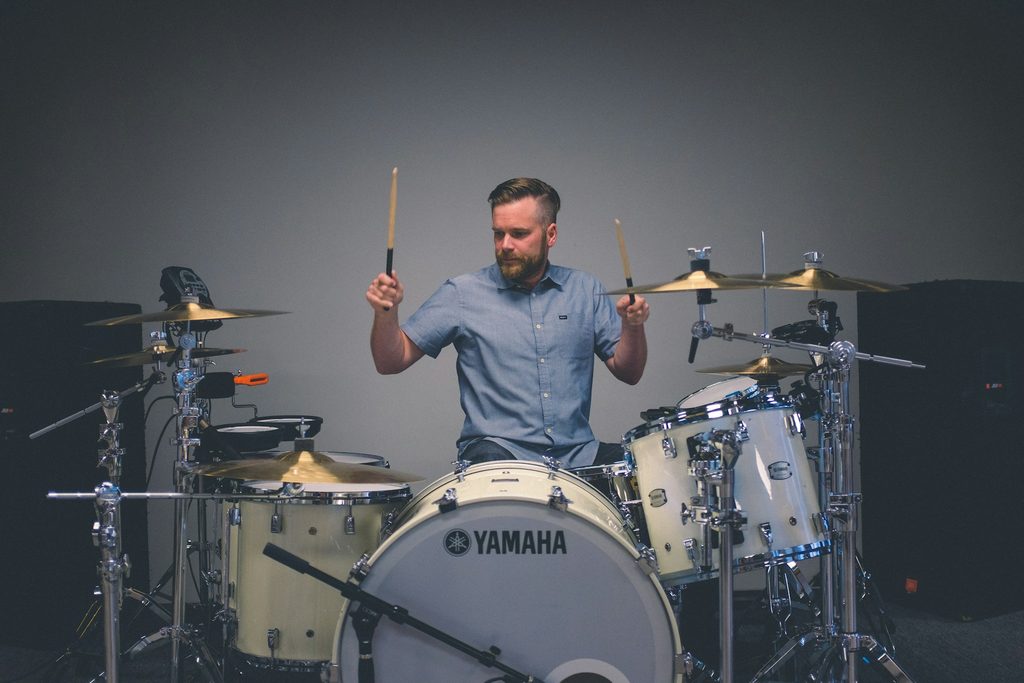
Drum choices are the spice blend that makes tracks unforgettable.
Drum sounds are the DNA of tracks; choose wisely, or risk making something as forgettable as last year’s viral dance challenge. These percussive elements define a track’s entire timbre, its kinetic punch, and the overall feel that hooks a listener. In an era where algorithms push predictable beats, tracks sometimes just exist, flatlining harder than a bad stand-up set. Avoiding factory presets is the first step toward giving music a unique sonic passport.
Ditch conventional percussion entirely. Some producers have built entire drum tracks from kitchen appliance noises with slapping results. Manipulate standard elements by blending two different kicks and three different rim shot snares for a unique feel. The Roland TR-909’s combination of analog and sampled voices became influential in techno, house, acid, and industrial music, demonstrating how contrasting drum technologies create distinctive character.
2. Drum-kit arrangement and contrast
Intentional contrasts are the secret sauce, giving drum kits actual personality.
Drum kit identity depends on how contrasting sounds are positioned together, not just individual samples. A distinctive percussive palette emerges when elements are juxtaposed, like a thudding acoustic kick with a sharp electronic snare. The Roland TR-909 launched in 1983, blending analog circuitry for several drum voices with digital cymbal samples. This hybrid design demonstrates how sonic friction creates a signature sound.
Kits where individual samples shine, yet the whole lands flat like a bad cover band, happen when dynamic tension is absent. Dropping one weird, standout sound—a reverse impact or vinyl crackle—into a predictable loop can flip the script. It’s like a generic TikTok dance suddenly dropping a meme-worthy move, transforming the entire performance.
1. Defining a cohesive drum-production concept
Drums deserve a manifesto, not just random noise.
Some drum tracks hit with the precision of a Swiss watch, while others sound like a broken washing machine. The feeling is familiar: throwing every “weird” drum sample imaginable into a project, hoping for magic, only to end up with a disjointed sonic mess. It’s like designing a menu by just adding random ingredients; starting with a grand idea, but ending up 12 courses deep in a culinary disaster, because defining a cohesive vibe was skipped.
Defining the vision cuts through that noise. Do aggressive, punchy rhythms for a street fight work better, or something floaty and experimental, like a forgotten vaporwave track? That consistent mood guides every decision: sample selection, timing, layering, distortion, resonance, and spatial treatment. Clear creative direction transforms scattered elements into focused sonic statements.