



Music consumers spent $17 billion on recorded music in 2023, according to the RIAA, yet even the most iconic albums aren’t immune to the occasional sonic speed bump. A perfectly curated playlist can get derailed by one questionable track—like finding a single, defiant anchovy on a gourmet pizza that otherwise slays. These aren’t just filler; they’re the tracks that make listeners wonder if the artist was having an off day or simply trolling the masses. This list dissects the bewildering brilliance, or sometimes just the outright weirdness, that makes these specific sonic oddities stand out on otherwise universally praised records.
21. La – Lil Wayne
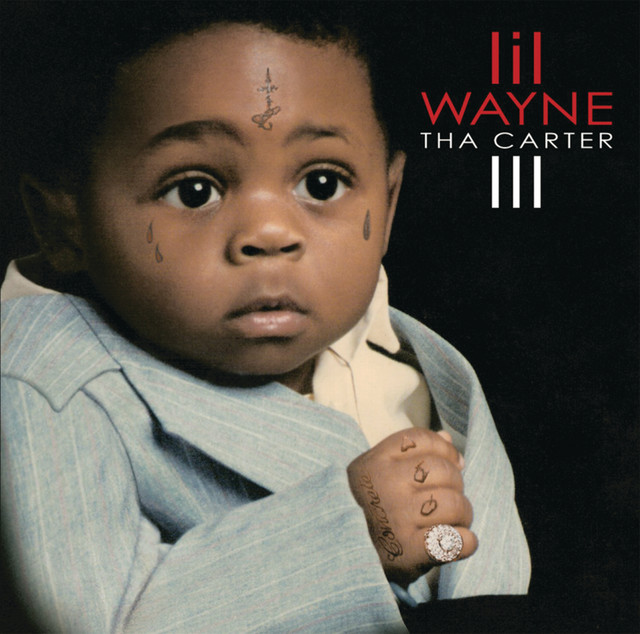
David Banner delivered cartoonish chaos in under a minute.
Lil Wayne’s Tha Carter III debuted at No. 1 on the Billboard 200 and snagged a Grammy for Best Rap Album. Yet, within this acclaimed work lives “La,” a 53-second interlude that still divides fans like a badly-timed TikTok dance. Produced by David Banner, the track uses cartoonish, high-energy beats with Wayne repeating ‘la’ in a quirky flow. It feels more like a spontaneous studio goof than a centerpiece, a musical non sequitur.
Some listeners embrace its goofy nature as a breath of fresh air amidst the album’s gravitas. Others perceive “La” as a simplistic, non-essential piece, contrasting sharply with Tha Carter III’s more substantive offerings. This short segment proves that even on a Grammy-winning project, a minimal track can spark a debate as fierce as any album highlight.
20. Top Ramen – Baby Keem
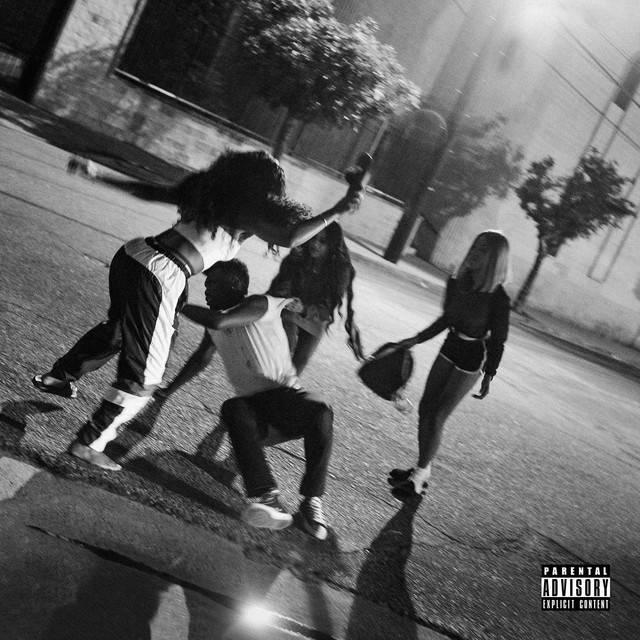
Minimalist production left fans waiting for a beat drop that never arrived.
Baby Keem’s 2019 mixtape Die For My Bitch launched him into the spotlight, yet “Top Ramen” lands with a whisper. The track feels like ordering a gourmet meal and getting served a single, artfully placed olive. Its minimalist beat and sparse arrangement contrast sharply with the aggressive flows and melodic trap found elsewhere. Keem delivers his signature pitched vocal, still flexing on relationships, but the understated production leaves listeners wondering where the party went.
This artistic restraint, while aiming for a stark vibe, often feels more like buffering on a bad Wi-Fi connection when anticipation runs high. It’s an experimental choice, but it risks blending into background noise, a common dilemma when artists prioritize concept over banger. Sometimes, less isn’t more; it’s just less.
19. Wild Honey Pie – The Beatles
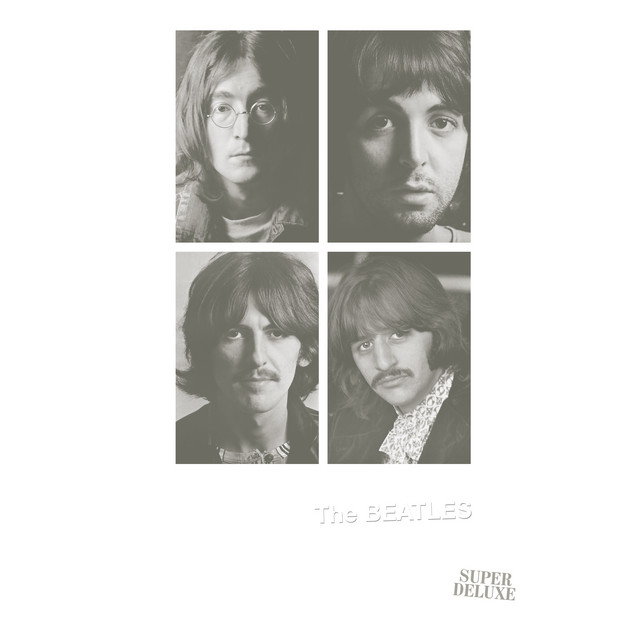
Paul McCartney’s solo experiment turned into a 53-second fever dream on a double album.
At a mere 53 seconds, “Wild Honey Pie” proves even legendary bands could drop a sonic fever dream onto a double album. Released in 1968 on The White Album, this track is Paul McCartney’s solo endeavor—a noisy fragment of distorted guitar and shouted vocals. It feels less like a song and more like a toddler left alone with a microphone and a reverb pedal, a bewildering glitch in a masterpiece.
Even ardent fans often skip this chaotic doodle, the musical equivalent of an awkward TikTok trend everyone tries to forget. Its inclusion, reportedly championed by band friend Donovan, underscores the subjective nature of “art.” The debate over its place persists, proving some sounds are designed to divide 56 years later.
18. Selfish – Dave
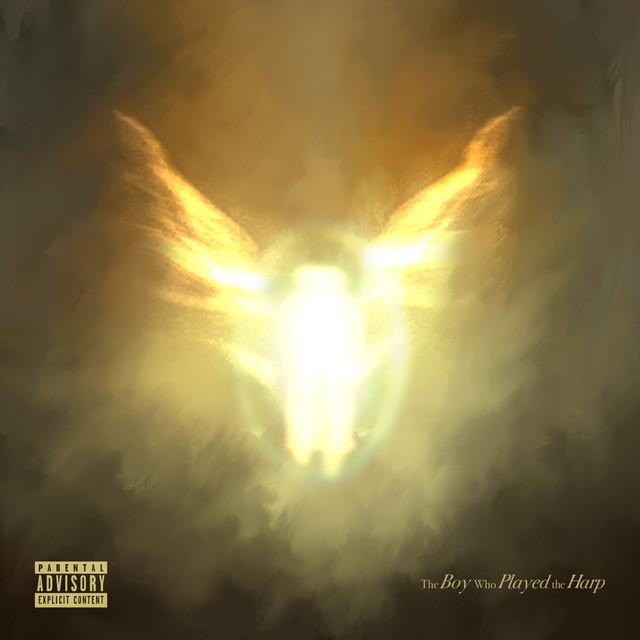
James Blake’s atmospheric production turned introspection into a mandatory pause.
Psychodrama clinched the 2019 Mercury Prize for its unflinching, therapy-session deep dive, yet “Selfish” pulls listeners into its quiet corners. Dave, featuring James Blake on production and vocals, swaps the album’s usual urgent commentary for introspective soundscapes, built on atmospheric synths and layered harmonies. This isn’t the sonic equivalent of a dopamine hit; it’s more like the sudden, sobering reality check after a night of chaos.
Lyrically, Dave unpacks guilt, emotional distance, and relationship toxicity, fitting the album’s confessional core. For those expecting the relentless lyrical firepower of “Location” or “Streatham,” “Selfish” can feel like a brief, unexpected pause—like when a favorite true crime podcast suddenly switches to a meditation track. It demands leaning in, past the expectation of a banger, to a moment of brutal honesty.
17. Rest Stop – Kero Kero Bonito
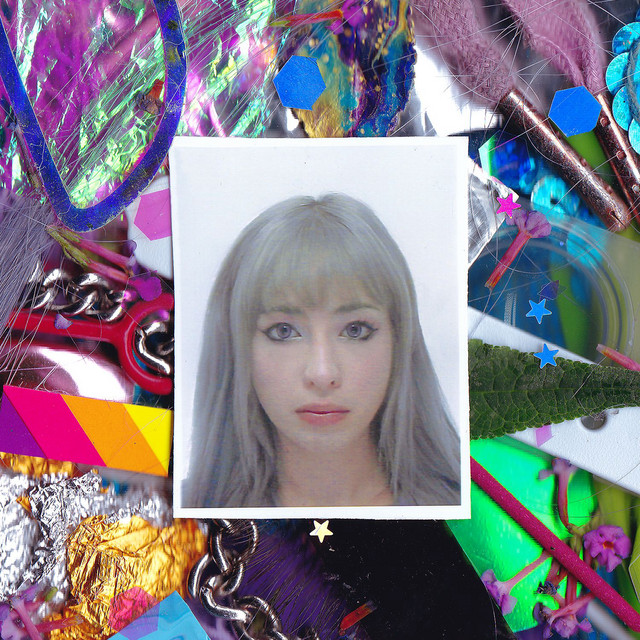
A roadside narrative replaced pop hooks with ambient confusion.
Kero Kero Bonito’s 2018 album Time ‘n’ Place didn’t just tweak their sound; it ripped out the synth-pop circuit boards, soldering in noisy, guitar-driven indie rock. “Rest Stop” embodies this pivot, acting less like a song and more like a loading screen between acts. Built on ambient sound and a spoken word narrative about a roadside stop, it makes listeners check Spotify, wondering if the Wi-Fi dropped out.
For listeners expecting bubbly pop, “Rest Stop” arrives like a flat tire on a joyride. This atmospheric pit stop acts as a palate cleanser, but most might just endure it, hoping the next track delivers the catchy goods the band once perfected.
16. Miss Pacman – Sudan Archives
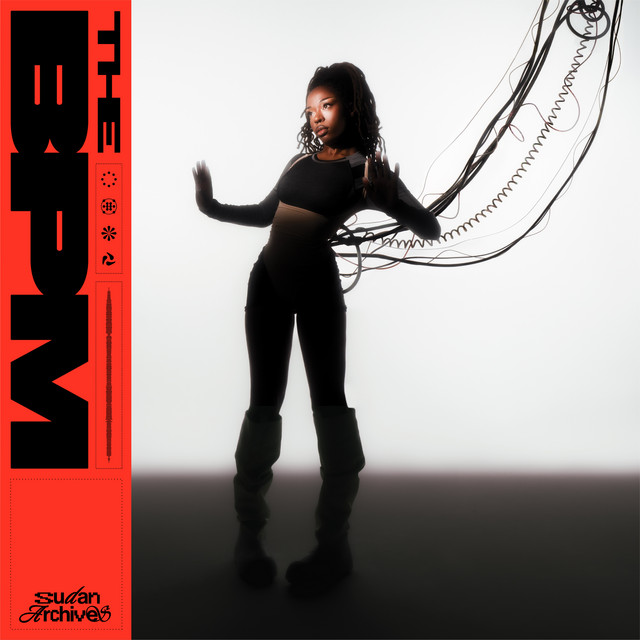
Video-game metaphors met clipped delivery for maximum disorientation.
Sudan Archives’ 2019 debut Athena includes “Miss Pacman,” a track quickly debated for its polarizing sound. Blending R&B, experimental pop, and distinctive violin, its unusual melodic choices and clipped, syncopated delivery feel like playing an arcade game where controls randomly shift. This actively challenges auditory norms, pushing against conventional song structures and guaranteeing a love-it-or-hate-it reaction.
The track uses video-game metaphors, narrating romantic pursuit with playful vocal inflection. This intentional disorientation, while innovative, sacrifices accessibility for artistic boldness. It’s like a chef experimenting with truly bizarre flavor combinations; some hail it as genius, others just want a straightforward meal. Despite Athena‘s acclaim, “Miss Pacman” shows an artist unafraid to mess with expectations.
15. GOD. – Kendrick Lamar
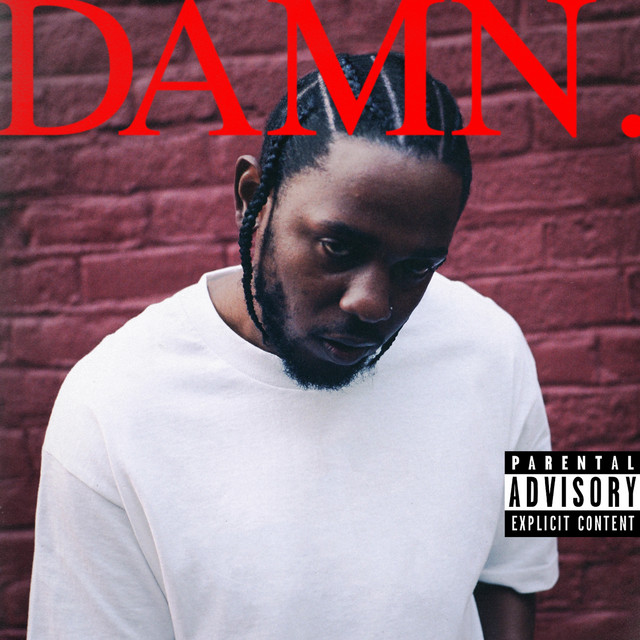
Melodic triumph felt out of place on a Pulitzer-winning album built for intensity.
Kendrick Lamar’s DAMN. snagged the Pulitzer Prize for Music in 2018, marking a seismic shift in how the establishment viewed hip-hop. Its penultimate track, “GOD.,” often feels like that one friend who shows up to an underground punk show in a tailored suit, completely missing the vibe. Kendrick delivers melodic, sung vocals floating over a glossy, synth-heavy trap beat crafted by producers like Cardo and Top Dawg. It’s all about triumph and the surreal feeling of success, a declaration that “this is what God feel like,” a sentiment as aspirational as a startup pitch deck.
Fans remain fiercely divided on this track, a stylistic outlier on an album celebrated for its raw intensity in cuts like “DNA.” or “FEAR.” The pop-leaning vocal delivery, for some, lands on DAMN. like a perfectly coiffed poodle at a street fight. It’s not necessarily bad, but it feels like it belongs on a different album, perhaps one where the stakes aren’t so existentially high.
14. LOVE. – Kendrick Lamar ft. Zacari
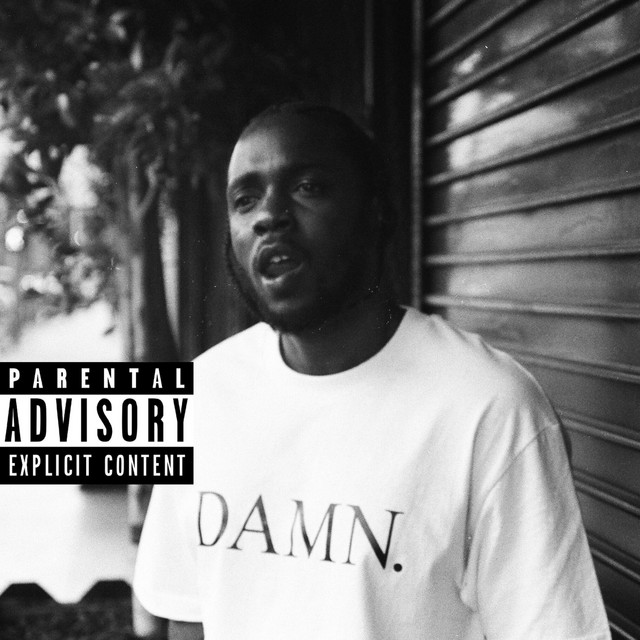
Radio-friendly devotion clashed with the album’s darker themes.
Charting on the Billboard Hot 100 might seem like a win, but Kendrick Lamar’s “LOVE.,” featuring Zacari, sparks arguments among DAMN. faithful. This mid-tempo track, blending R&B and pop, became one of the album’s most radio-friendly offerings. For an album that won a Pulitzer Prize, this smooth, devotional love song feels like comfort food amidst a Michelin-star tasting menu.
A track that blows up on TikTok can feel out of place in an artist’s grittier catalog. “LOVE.” captures that tension between artistic vision and mainstream accessibility. While it won a Grammy for Best Rap/Sung Performance in 2018, many fans skip it, preferring DAMN.‘s more abrasive cuts. It’s like watching a favorite indie film director suddenly make a rom-com—technically sound, but it doesn’t hit the same.
13. LOYALTY. – Kendrick Lamar ft. Rihanna
Rihanna’s pop polish created a club banger that felt like an accidental detour.
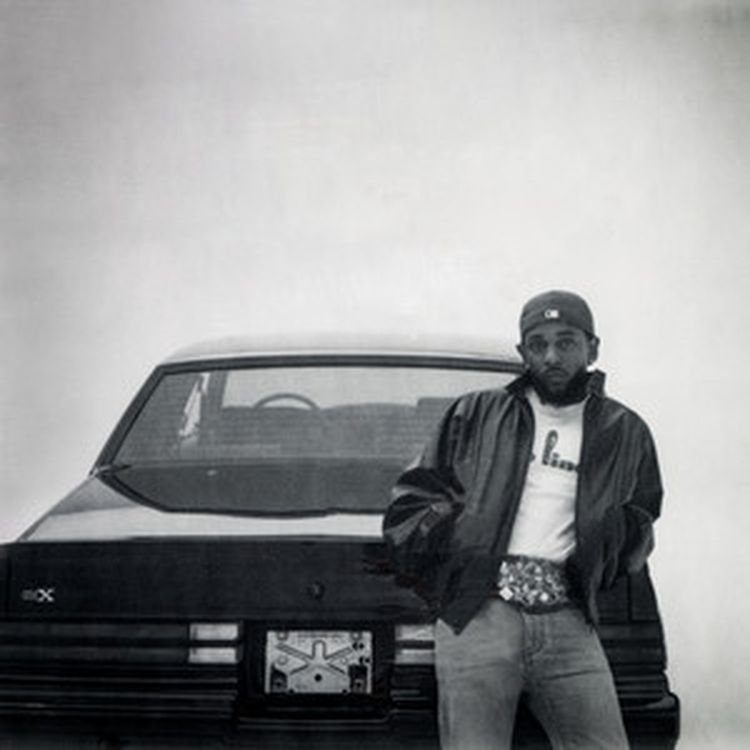
A Grammy Award for Best Rap/Sung Performance in 2018 typically signals widespread acceptance, yet “LOYALTY.,” Kendrick Lamar’s collaboration with Rihanna on DAMN., still divides his fanbase. Produced by DJ Dahi and Sounwave, the song fuses hip-hop, R&B, and pop, deploying reversed samples and layered vocal effects for a slick, club-ready sound. It sounds great on a Friday night, but feels like it got lost on the way to the album—like finding a perfectly polished pop gem amidst a collection of gritty, experimental rock anthems.
Kendrick and Rihanna exchange verses about trust, fidelity, and the moral compromises inherent in both relationships and the music industry. Despite its accolades, many fans perceive “LOYALTY.” as a stylistic outlier on an album celebrated for its raw, often confrontational energy. This track highlights how an award-winning collaboration, designed for mainstream success, can still land like an unexpected jump scare for an artist’s core audience.
12. DNA. – Kendrick Lamar
Mike Will Made-It’s aggressive production delivered relentless intensity that risked fatigue.
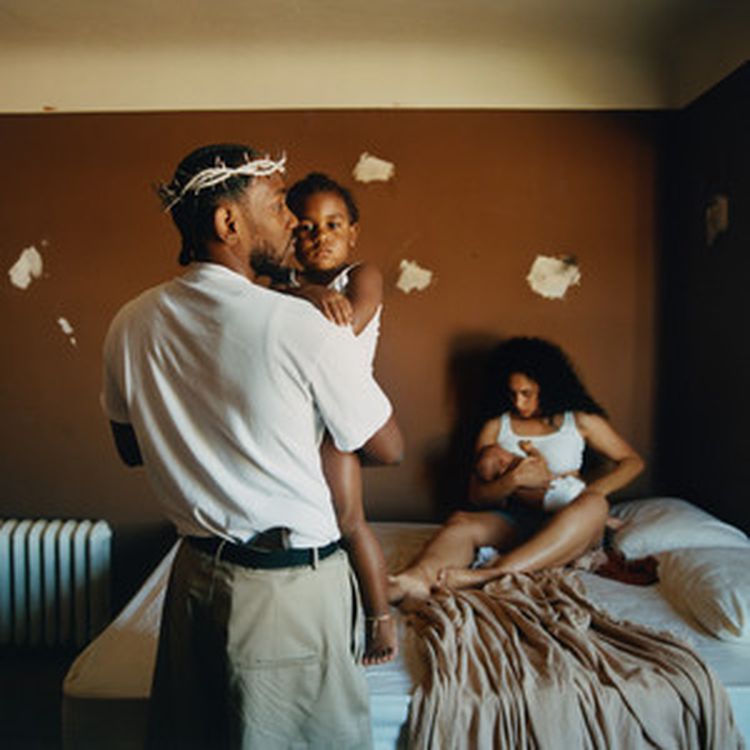
“DNA.” is the second track on Kendrick Lamar’s DAMN., an album that went on to win a Pulitzer Prize in 2018. This Mike Will Made-It production hits like a haymaker, built on a ferocious, bass-heavy beat that ingeniously samples Kendrick’s own vocals from “YAH.” The unfiltered dissection of identity and heritage packs lines like, ‘I got loyalty, got royalty inside my DNA.’ It’s a track designed to grab listeners by the throat, a sonic assault that demands full attention.
While many cite “DNA.” as a high-intensity highlight, its relentless energy can feel like being strapped to a rocket ship with no off-ramp. For those chasing that instant jolt, it delivers every time. However, this sheer force can sometimes overshadow the nuanced storytelling found on other tracks, like the introspective “GOD.” or the melodic “LOVE.” from the same album.
11. EAST – Earl Sweatshirt
A Belarusian folk sample created intentional chaos that became a meme.
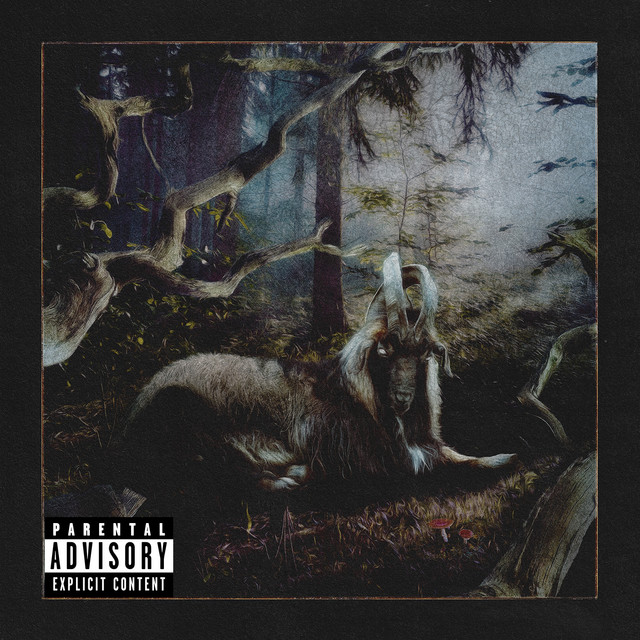
Earl Sweatshirt’s 2020 EP FEET OF CLAY navigates dense, abstract soundscapes and fragmented songs, yet “EAST” lands like a perfectly executed sonic prank. This track features Earl rapping over a disorienting, off-kilter loop from the Belarusian folk song “Песняры – Косил Ясь конюшину,” creating a rhythm so unstable it feels like a DJ trying to scratch a record in slow motion. When a TikTok filter glitches just enough to be unsettlingly hilarious, it delivers that same kind of intentional chaos.
The track’s surreal atmosphere and unusual sample choice subvert every expectation, proving that an artist can twist rhythm to provoke laughter. Its technical audacity is clear, but the sheer “fun” factor often overshadows its musical structure, leading to widely varied reactions from a dedicated audience.
10. California – Childish Gambino
Falsetto and funk collided in the album’s most polarizing track.
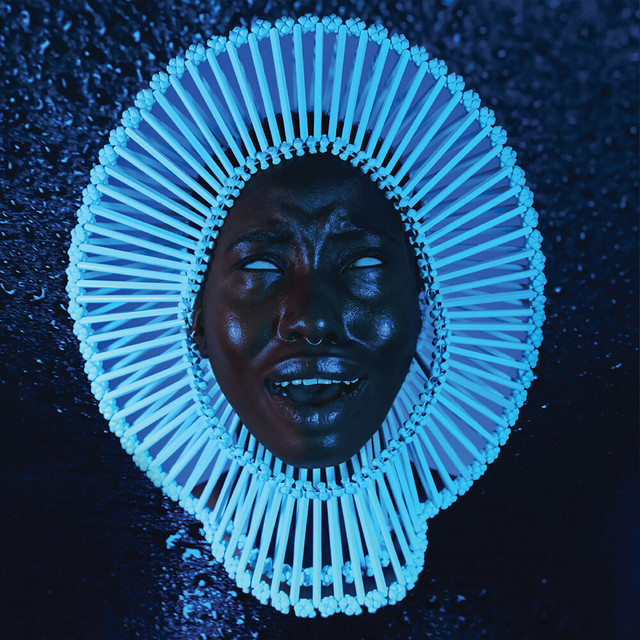
Childish Gambino’s 2016 album “Awaken, My Love!” marked a dramatic genre shift, and ‘California’ pushed its psychedelic soul and funk boundaries even further. This track abandons his rap style for a bouncy, tropical groove, but its audacious falsetto and nasal vocal inflections ignited intense debate. This delivery shows up to a Michelin-starred restaurant in a clown suit.
Lyrically, it chronicles a woman’s chase for fame and excess in California, fitting the album’s themes of love and paranoia. Many listeners found its tone ‘goofy,’ a vibrant, hand-drawn caricature in an otherwise meticulously painted portrait. Yet, despite the divisive vocals, the song remains a fixture for some, proving that even an oddly delivered track can become an indispensable part of an album’s identity.
9. No Makeup (Her Vice) – Kendrick Lamar
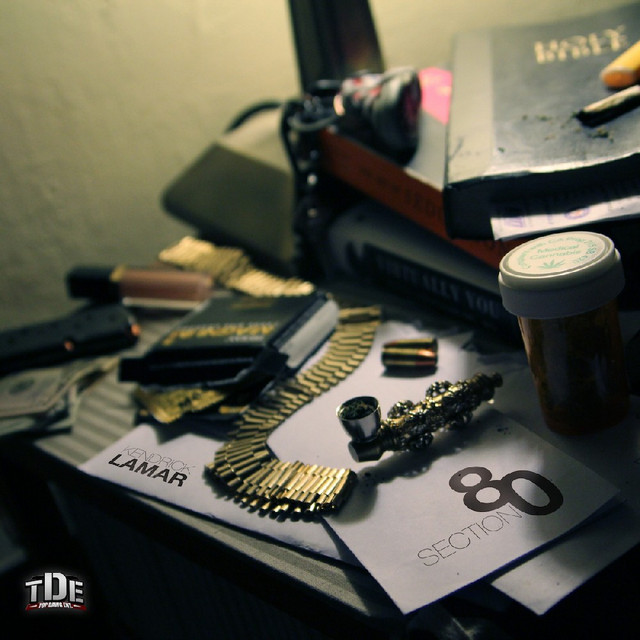
A profound message about beauty standards lost impact in weak execution.
“No Makeup (Her Vice)” emerged on Kendrick Lamar’s 2011 album Section.80, featuring singer Colleen Green. A soulful beat and prominent vocal sample provide the backdrop. Kendrick tackles societal beauty standards, showing a woman’s reliance on makeup as a coping mechanism, tying into Section.80‘s themes of Generation Y’s vices.
However, the execution often earns this track the dreaded “skip” button from fans. It’s like a brilliant Netflix documentary saddled with a shockingly monotone narrator. The lyrical message, critiquing beauty standards, is profound, but its delivery frequently falters. Even Kendrick Lamar can misfire, showing concept alone rarely guarantees replay value.
8. The Spiteful Chant – Kendrick Lamar
Skrillex’s dubstep sample became a sonic jump scare that later vanished from streaming.
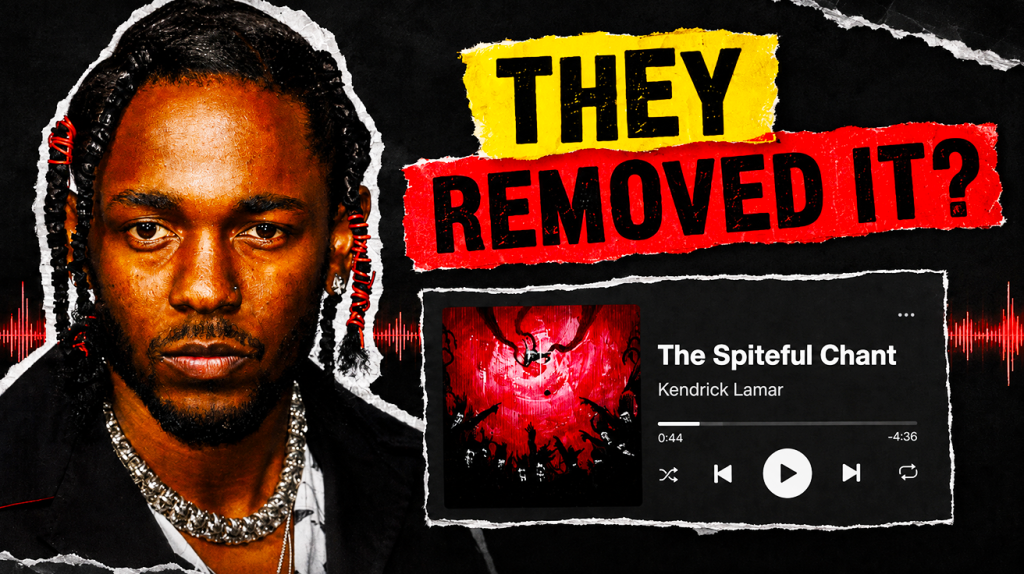
“The Spiteful Chant,” off Kendrick Lamar’s Section.80, gained notoriety not for its lyrical depth, but for its divisive production. Co-produced by Sounwave and Skrillex, the track interpolates Skrillex’s hit “Scary Monsters and Nice Sprites.” This injected a loud, EDM-inflected sound, feeling like an air horn solo in a quiet coffee shop. The abrasive electronic sample created a jarring experience for many, less a subtle homage and more a sonic jump scare, reminiscent of getting Rickrolled at the worst possible moment.
Lyrically, Kendrick aimed at critics and his own resentment. Due to sample clearance issues, “The Spiteful Chant” has since vanished from many streaming versions of Section.80. Many fans openly celebrated its disappearance. This logistical nightmare proves a bold production gamble can truly backfire.
7. G.N.X. – Kendrick Lamar
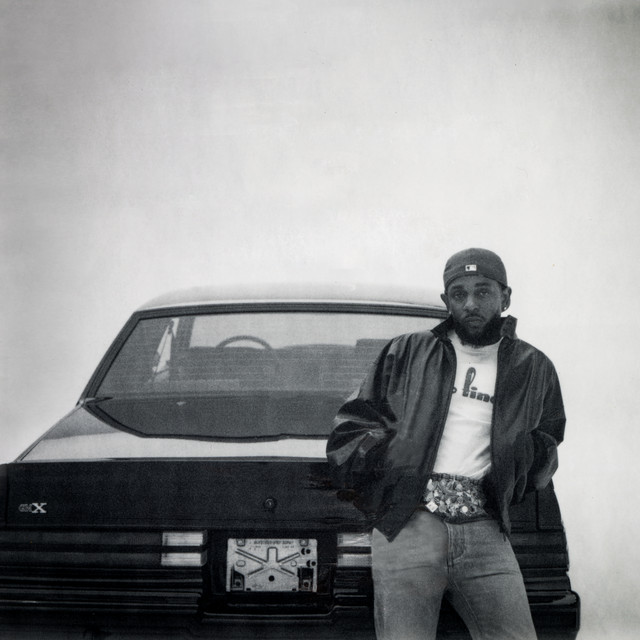
A chaotic mixtape cut showcased pre-fame experimentation with self-destructive beats.
Kendrick Lamar’s 2010 mixtape Overly Dedicated provided a raw glimpse into his experimental roots, long before his Pulitzer-winning albums. The track ‘G.N.X.‘ is a chaotic, high-energy assertion of generational identity, playfully referencing Generation X even though Lamar is a millennial. Musically, it unleashes a distorted, crashing beat, which some listeners famously likened to “actively trying to kill itself,” coupled with aggressive yet notably playful flows.
This kind of sonic chaos is less like a finished painting and more like an artist’s sketchbook, full of wild ideas that hint at future masterpieces. This deep cut, complete with its distinctive “ASMR” outro, was a crucial stepping stone, demonstrating Lamar’s early interest in concept-driven tracks and hinting at the profound depth that would later define his critically acclaimed major works.
6. HATE – JPEGMAFIA
Director’s cut chaos turned abrasive experimentation into listener fatigue.
JPEGMAFIA’s 2018 album Veteran, already a masterclass in glitchy confrontation, pushed its limits even further with the director’s cut track “HATE.” This song embodies Peggy’s antagonism towards critics and “fake fans,” delivering a sonic barrage of distorted vocals and blown-out drums that can feel like a sustained punch to the eardrums. It’s like someone opened a mosh pit in the earbuds and forgot to invite the bouncer.
The director’s cut pieces are known for being even more chaotic and aggressive than the original album sequence, amplifying that deliberate sonic discomfort. Listening to “HATE” feels less like a song and more like a firmware update gone sideways, designed to push listeners away if they’re not fully committed. While its confrontational style is core to JPEGMAFIA’s artistic identity, this track proves that an artist’s commitment to extreme sound can alienate even those who appreciate the underlying message.
5. Drunk and Hot Girls – Kanye West ft. Mos Def
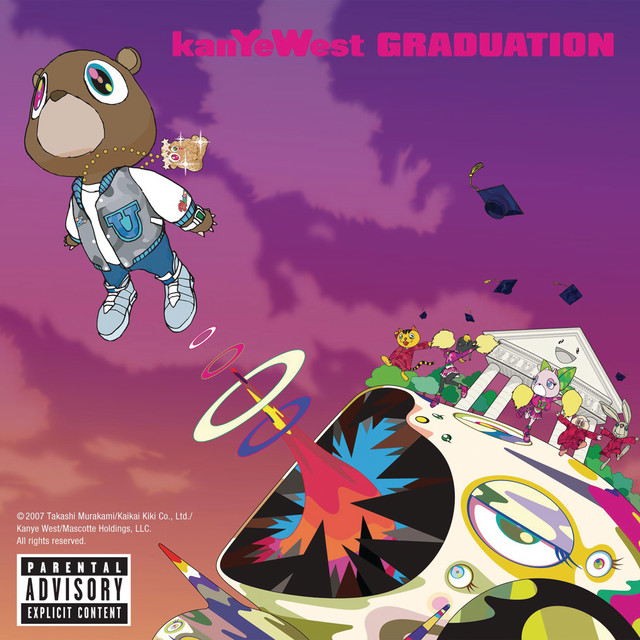
A plodding Can interpolation clashed with Graduation’s stadium polish.
Some tracks test even the most devoted fan, and ‘Drunk and Hot Girls‘ on Kanye West’s 2007 album Graduation is a prime example. Featuring Mos Def, it heavily interpolates Can’s 1972 track ‘Sing Swan Song,’ borrowing its distinctive piano figure. This slow, plodding track, with repetitive lyrics about intoxicated women, felt like a jarring incongruity with the album’s polished sound.
Critics consistently cite this as one of Kanye’s weakest, its crude concept clashing sharply with hits like ‘Flashing Lights’ and ‘Stronger.’ When a prestige drama unexpectedly drops a public access infomercial, that’s this tonal misstep. Even legendary artists deliver something that simply doesn’t land.
4. Drips – Eminem ft. Obie Trice
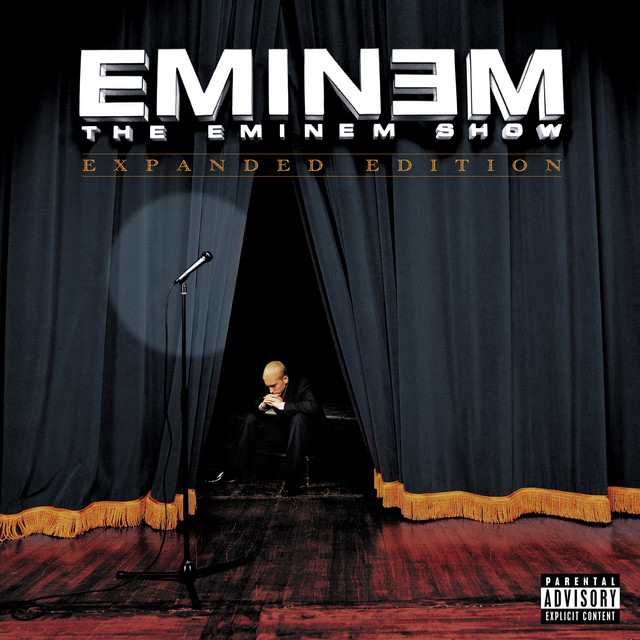
Graphic humor about STDs made The Eminem Show’s most unpleasant moment.
Released in 2002, “Drips” frequently earns the distinction of being The Eminem Show‘s most unpleasant track, a jarring interlude on an otherwise acclaimed album. Featuring Obie Trice, the song delivers a graphically comedic narrative about contracting an STD, replete with explicit references to sexual health and violence. It’s the sonic equivalent of a cringe-worthy TikTok trend that never quite lands, leaving listeners more uncomfortable than amused.
The sparse, dark beat and call-and-response structure between Eminem and Obie Trice emphasize the controversial lyrical content, prioritizing shock value. This approach alienates many listeners, leading them to bypass the track entirely despite the album’s classic status and Grammy win. Even a landmark album can house a piece that feels like a bad joke at a formal dinner.
3. Balloon – D.R.A.M.
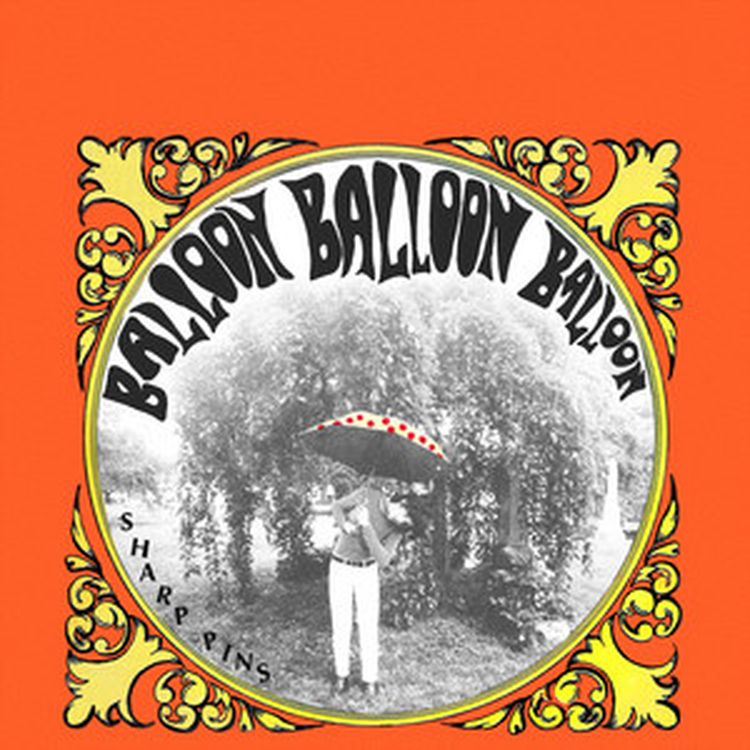
Online folklore and fan projects turned a divisive track into a digital urban legend.
Released in 2016 on Big Baby D.R.A.M., D.R.A.M.’s ‘Balloon’ ignited a petty turf war among listeners. Some praised its “goofy” yet “fun” beat, embracing a vibe that felt self-aware and less serious, while others hit skip faster than the next track loads. This track, however, also lives in the murky waters of fan-lore, with online chatter occasionally linking it to an unofficial, fan-made project.
Online communities can rewrite history, creating alternate realities for even well-documented pieces of art. The blurred lines between official releases and fan-made projects turn certain tracks into digital urban legends, proving that a song’s reputation can be shaped as much by internet mythology as by the music itself.
2. Scott and Ramona – Lil Uzi Vert
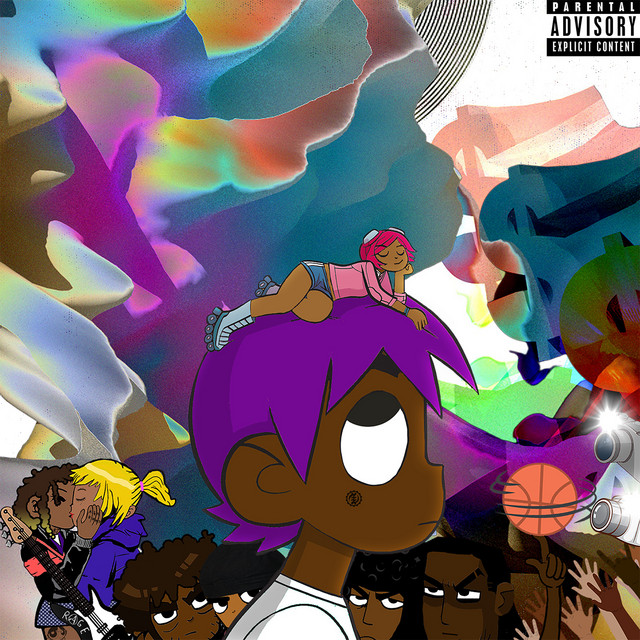
Scott Pilgrim references delivered unexpected vulnerability on a high-energy mixtape.
Lil Uzi Vert’s 2016 mixtape Lil Uzi Vert vs. the World featured chart-topping hits, yet “Scott and Ramona” stands apart. The title directly references Scott Pilgrim and Ramona Flowers, a nod to Uzi’s consistent embrace of anime aesthetics. Musically, this track is a vulnerable, emo-rap confession. Its airy production and emotional lyrics about love and heartbreak offer an unexpected pause—like a quiet moment on a bustling subway, a brief, introspective break from relentless rhythm.
This slower, melodic cut became a fan-favorite deep cut precisely because of its distinct tone. It provides an emotional palate cleanser amidst the mixtape’s more energetic offerings. Tracks designed for pure adrenaline are everywhere; this one taps into something deeper, proving vulnerability resonates more than any mosh-pit anthem.
1. Laying Down My Life 4 U – JPEGMAFIA
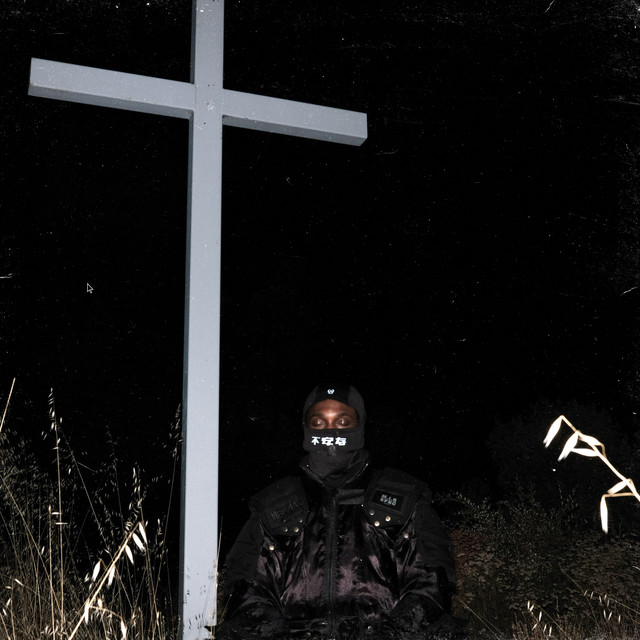
Director’s cut intensity turned self-referential chaos into a loyalty test.
Some artists dial up the volume; JPEGMAFIA cranks the distortion to 11 with “Laying Down My Life 4 U”. This track, part of deluxe or director’s cut releases associated with Veteran or EP!, isn’t for the faint of heart. It’s a sonic mosh pit, packed with dense, distorted production and self-referential, antagonistic lyrics that sound like Peggy’s internal monologue spilled onto a live wire. The abrasive sound remains a signature move for an artist who thrives on confrontation.
This intensity, while catnip for dedicated fans, can induce what some call ‘JPEGMAFIA fatigue’ in others. It’s like a chef who keeps adding ghost peppers to every dish; some crave the burn, others just want a glass of milk. Niche music taste often inspires that glazed-over look this track can produce. It’s a loyalty test, solidifying the base while sending others scrambling for a palate cleanser.