



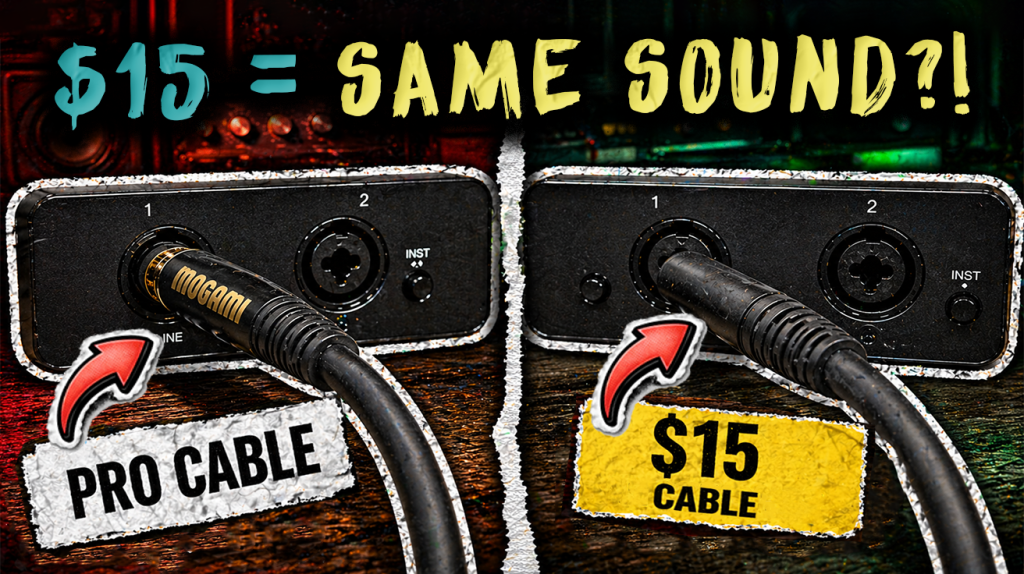
Spending over $50,000 on studio gear won’t magically transform your bedroom demos into chart-toppers. After years of hunting through Hollywood studios and home setups alike, one brutal truth emerges: precision and room acoustics demolish price tags every time. The right mic placement in a treated space beats the flashiest interface in an echo chamber. This guide tears through the marketing smoke, revealing how smart choices—not expensive ones—create professional results without liquidating your savings account.
This content may contain affiliate links. If you wish to support us and use these links to buy something, we may earn a commission.
6. Komplete Audio 6
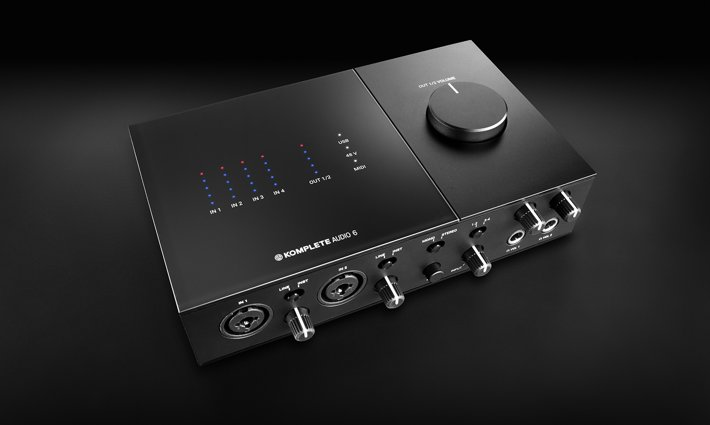
BBE’s 2012 sleeper hit proves that reliability beats flashy marketing every time.
The Komplete Audio 6, a 6-in/6-out USB interface released around 2012, cuts through budget interface chaos with actual substance. Four mic/line preamps anchor the unit, with two sporting those coveted MIDAS transformers that add studio-grade warmth without the boutique price hysteria. Optical I/O, MIDI I/O, and ADAT compatibility mean this box grows with your ambitions rather than becoming another closet paperweight.
Users consistently praise its low latency performance—no more sounding like you’re performing through a soup can telephone. The solid sound quality holds up against interfaces costing triple the price, proving that once you cross a certain threshold, diminishing returns hit harder than a drummer’s first attempt at subtlety.
5. Mogami Cables
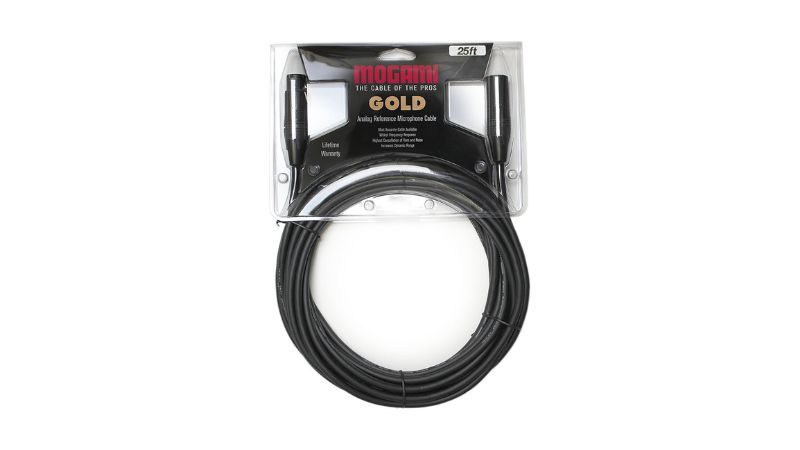
Professional-grade overkill that your home studio probably doesn’t need.
Mogami cables earn their reputation through low capacitance specs like 40pF/ft in their Quad model and shielding tough enough to survive a tornado. Tour veterans swear by them because road life destroys everything eventually—these cables laugh at abuse. But connecting your synths on a stationary desktop? The difference between pro-grade Mogami and a decent $15 cable often matters less than the difference between premium gas and regular in city traffic.
Your signal path stays clean either way, and your wallet stays heavier without the professional-grade paranoia. Save the bulletproof cables for when you’re actually dodging bullets on stage.
4. Barefoot Monitors
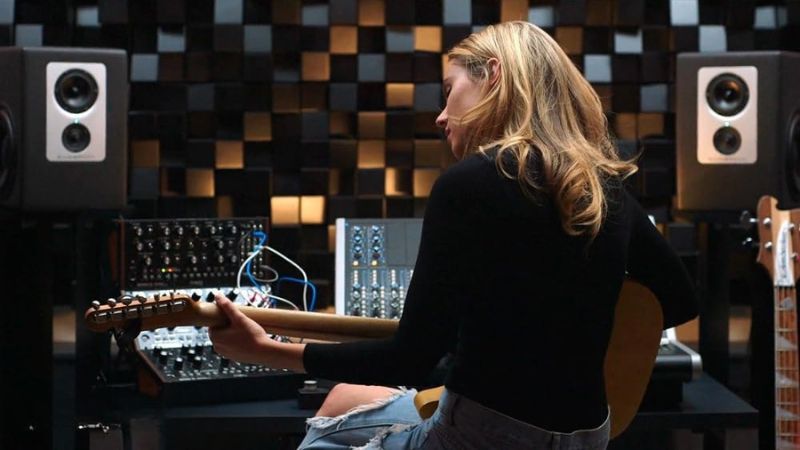
$5,000 speakers that sound terrible in bad rooms.
Barefoot Footprint01 monitors crank out 1200W of power through dual 8-inch woofers, a 4-inch midrange, and 1-inch tweeter. These $4,500–$5,000 powerhouses dominate mixing suites where Grammy winners and indie filmmakers craft their sonic masterpieces. The 3-way active design and membrane technology deliver flat frequency response with low-end accuracy that reveals every detail.
But here’s the reality check: even sonic perfection becomes useless in a room that sounds like a bathroom. Reflections and standing waves warp your perception more than any speaker upgrade ever could. It’s like judging a Michelin-star meal in a gas station—the environment sabotages the experience before you take the first bite.
3. KRK Monitors
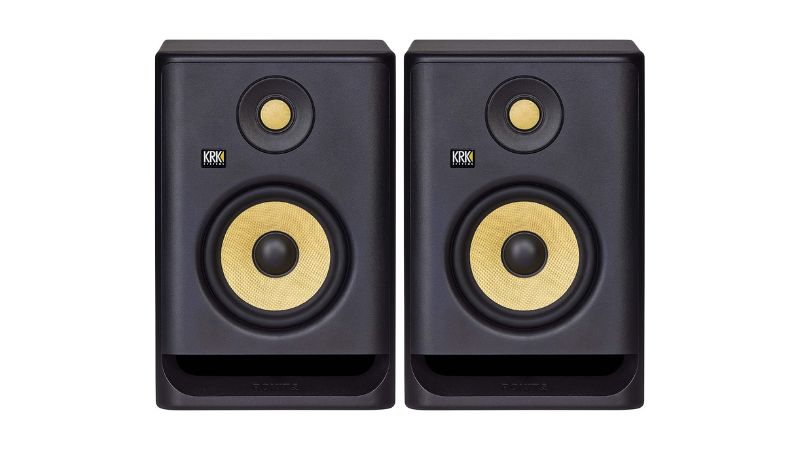
Budget workhorses that punch above their weight class.
KRK Rokits serve as home studio stalwarts because they deliver honest performance without the premium markup. Models often compared to the Yamaha HS8, running about $400 per pair, pack Kevlar woofers and silk-dome tweeters with DSP tuning that smooths frequency response. They offer punchy low-end that makes producers fall in love with their own bass lines.
These monitors translate surprisingly well across different playback systems, but room treatment still trumps brand loyalty. Your acoustics determine whether these budget champions reveal mix problems or create new ones. Master your listening environment first, then worry about upgrading the boxes.
2. Yamaha HS8 Monitors
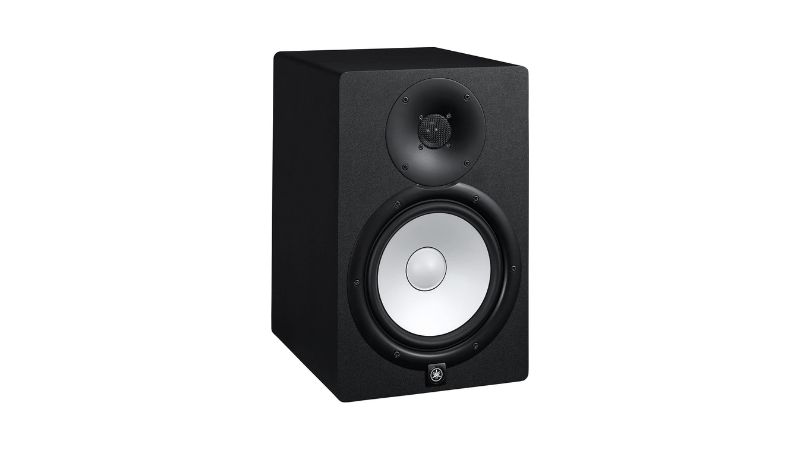
Seventeen years of brutal honesty that home studios can actually afford.
Since their 2007 debut, Yamaha HS8 monitors have consistently delivered accuracy over marketing hype. These 8-inch powered speakers feature 120W bi-amped design, covering 38Hz to 30kHz—wide enough to catch bass guitar growl and cymbal shimmer. Room control and high-trim switches let you dial in the output to match your studio’s acoustic personality.
The HS8s lay out your sonic landscape with surgical precision, but they can’t fix what your room breaks. Think of judging a chef’s cooking in a kitchen that permanently smells like burnt toast—the food might be perfect, but the environment tells a different story. Understanding how these monitors interact with your space unlocks their true potential.
1. Neumann KH 120 II Monitors
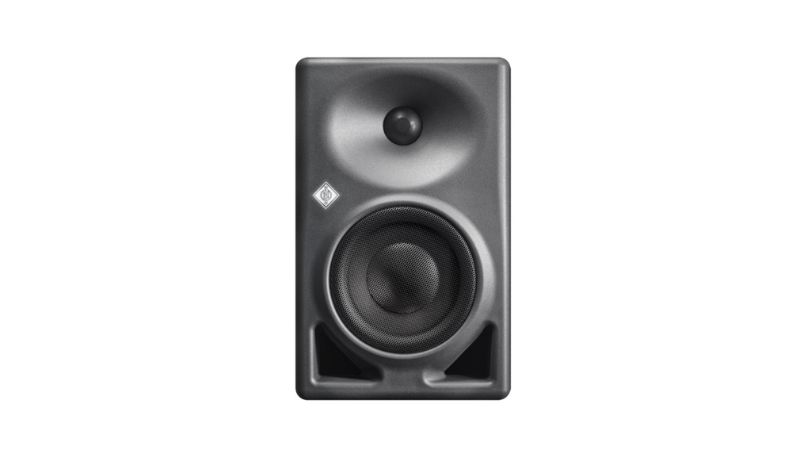
German engineering meets studio reality at $1,500 per pair.
Neumann KH 120 II nearfield monitors bring microphone-grade precision to the monitoring world. These 2-way active speakers pack a 5.25-inch woofer and 1-inch tweeter capable of hitting 116 dB SPL, covering 44Hz to 21kHz through DSP-controlled bi-amplification delivering 100W to the woofer and 50W to the tweeter.
The Mathematically Modeled Dispersion Waveguide technology fights room reflections better than most speakers, creating exceptionally neutral soundstaging. But even German engineering can’t completely cheat physics—knowing your room’s quirks remains essential for extracting maximum performance from any monitor, regardless of the engineering pedigree behind it.