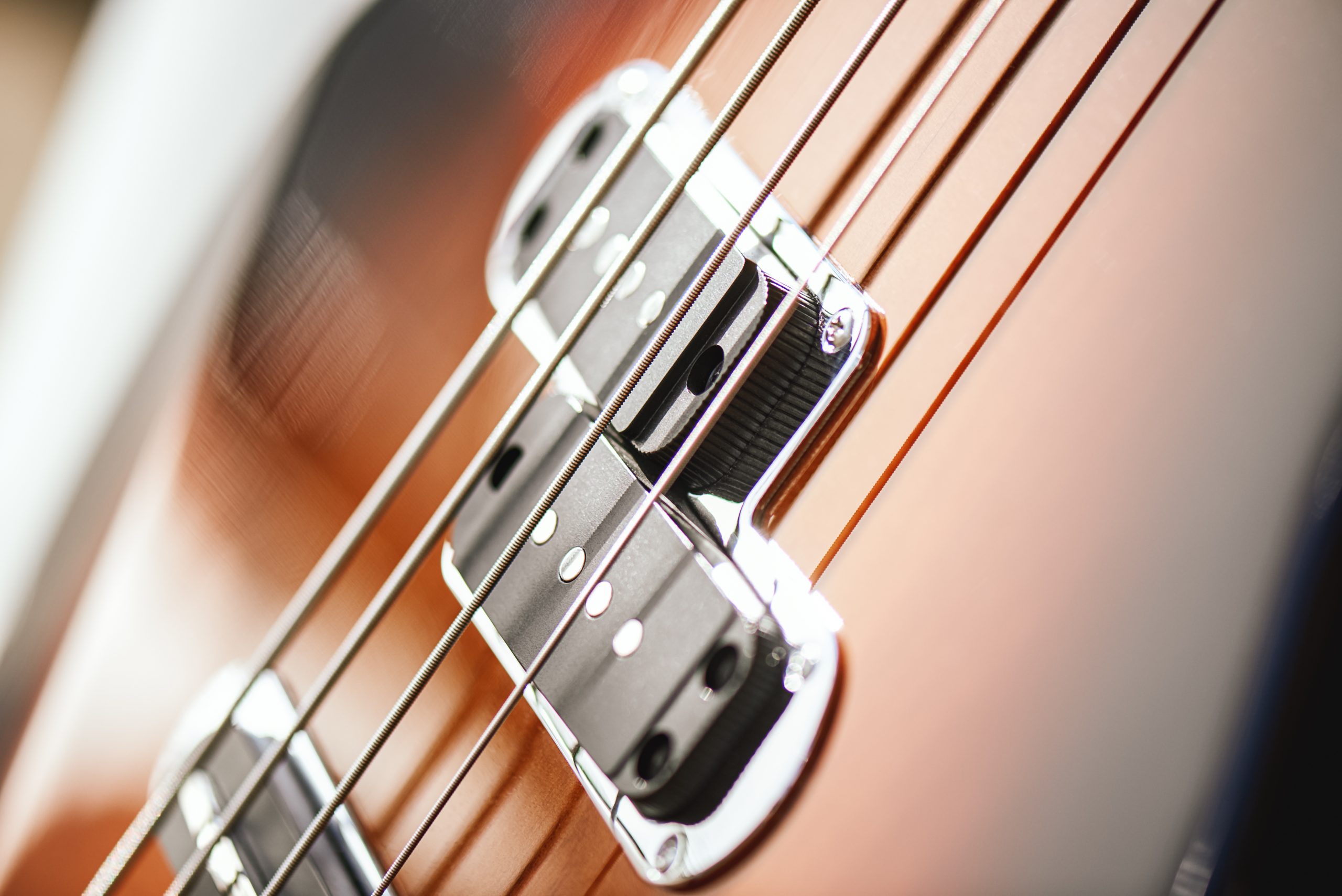




Guitar cases usually outlive their contents, but sometimes the relationship runs deeper than wood and strings. These burial traditions reveal something profound about artistic identity—when the best guitar becomes so intertwined with the musician’s soul that separation feels impossible, even in death.
Chuck Berry’s Cherry Red Companion
The father of rock ‘n’ roll couldn’t let go of his 1978 Gibson ES-355.
Chuck Berry’s family faced an impossible choice in 2017: bury the rock legend alone or honor his four-decade bond with his cherry red Gibson ES-355. They chose love over convention.
The semihollow guitar that traveled the world and recorded his final songs was placed inside a custom casket. Berry’s son revealed the “brain-twisting task” of fitting both man and guitar into their final resting place.
That ES-355 witnessed countless performances of “Johnny B. Goode” and knew every nuance of Berry’s revolutionary double-stop riffs. Separating them seemed like breaking up a fifty-year marriage.
Metal’s Ultimate Gesture of Respect
Eddie Van Halen’s personal gift honored Dimebag Darrell’s legacy.
When Pantera guitarist Dimebag Darrell was murdered on stage in 2004, the metal community grieved as one family. Eddie Van Halen’s response transcended typical rock star condolences.
He provided his original black-and-yellow “Bumblebee” guitar—the very instrument built for Van Halen II—to accompany Darrell to his grave. This wasn’t just any guitar; it was Eddie’s signature creation, a piece of rock history.
The gesture spoke volumes about mutual respect between guitar heroes and the understanding that some bonds between artist and instrument deserve eternal recognition.
Innovation Beyond the Final Note
Les Paul, Frank Zappa, and Johnny Cash reimagined death itself.
- Les Paul was interred in a guitar-shaped coffin in 2009, turning his final rest into one last innovation
- Frank Zappa’s ashes found their home in a guitar-shaped urn in 1993, perfectly matching his boundary-pushing philosophy
- Johnny Cash’s Gibson acoustic sits in the mausoleum alongside his memorial, a permanent duet frozen in time
These arrangements weren’t mere sentiment—they were artistic statements about identity persistence.
Death usually separates musicians from their tools, but these artists refused that convention. Their instruments became eternal extensions of creative spirits that couldn’t be silenced. Some of these losses mirror the tragic stories detailed in the ultimate price many music legends have paid for fame. Listeners hear their music and understand: some relationships transcend mortality.