



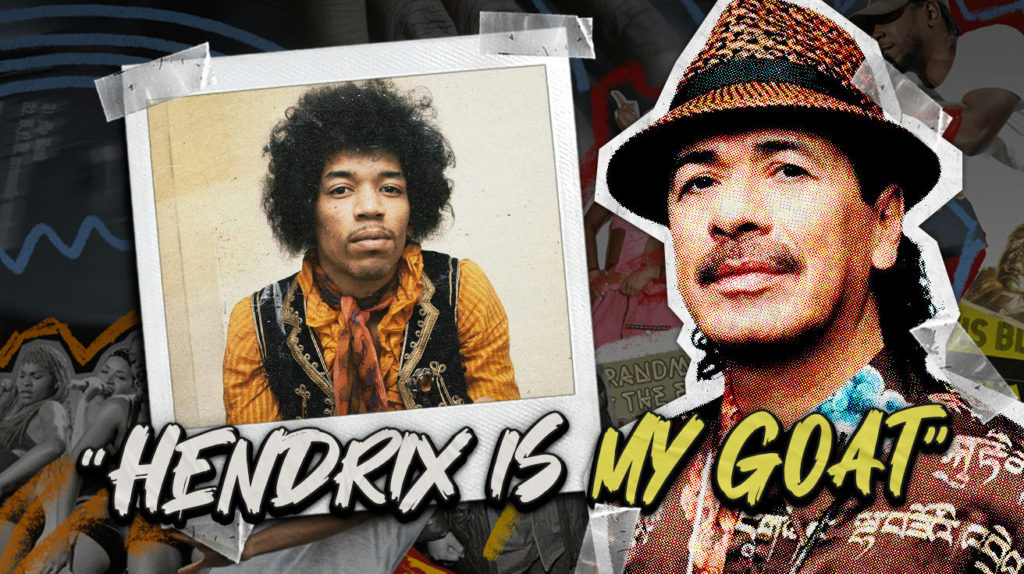
Carlos Santana transforms the guitar into a voice that speaks directly to your soul. His unmistakable tone, with its supernatural sustain and vocal-like expressiveness, didn’t materialize from thin air. Like any master, Santana studied the greats before forging his own path. His guitar DNA contains distinct strands from five influential predecessors who helped him craft that signature sound that makes your spine tingle when “Soul Sacrifice” hits your ears. Here’s the blueprint that every guitarist should understand: true originality comes from knowing your influences so well that you can transcend them completely.
5. Wes Montgomery: The Melodic Architect
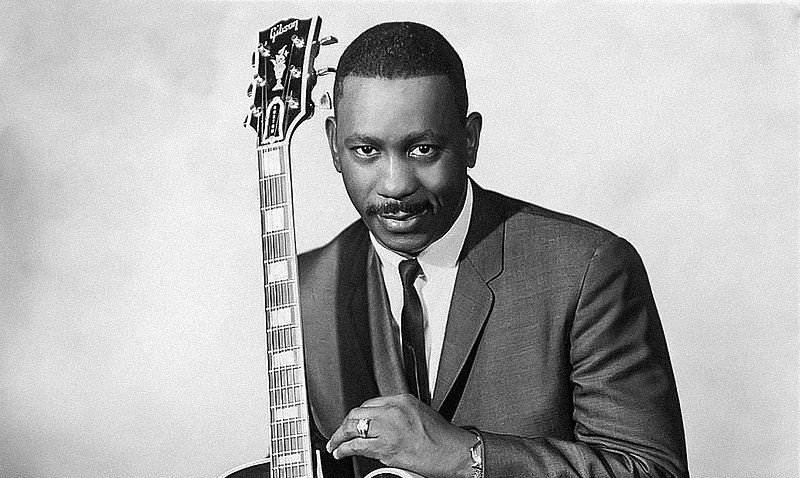
While Wes Montgomery’s playing might seem worlds apart from jazz, his sophisticated chord melodies and octave technique left an indelible mark on Santana’s approach. Montgomery’s ability to construct beautiful, architectural solos with clear beginnings, middles, and ends taught Santana the importance of melodic storytelling.
Montgomery’s famous octave technique appears throughout Santana’s catalog, giving certain passages a thicker, more orchestral quality that cuts through dense percussion arrangements. Santana’s jazz-influenced compositions like “Europa” most clearly display Montgomery’s impact, with their sophisticated chord progressions and melodic development.
4. Gabor Szabo: The Cross-Cultural Explorer
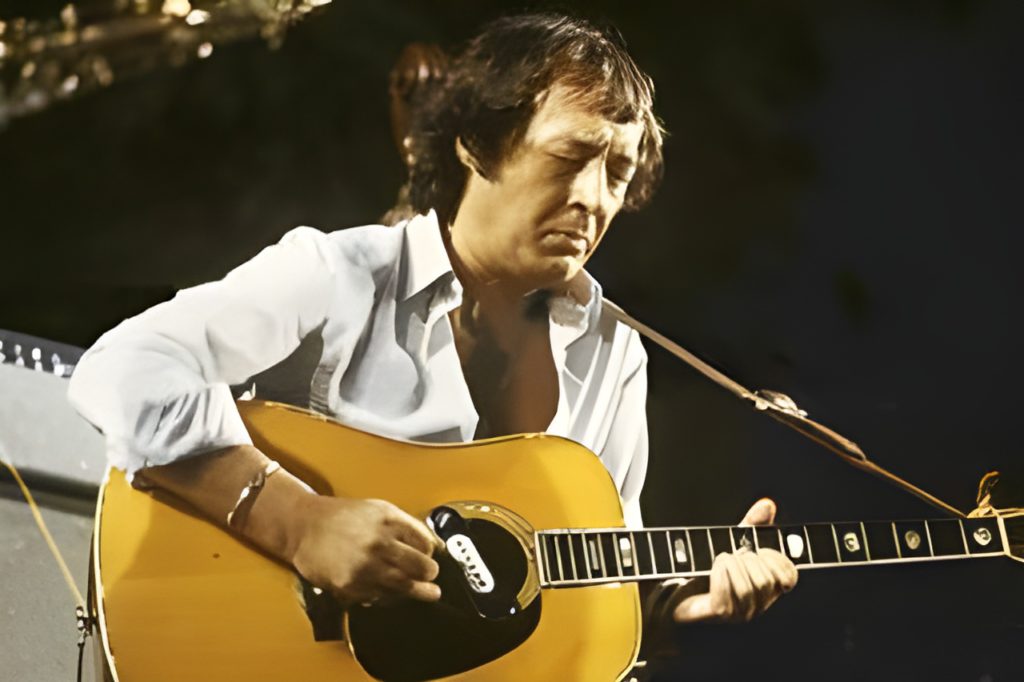
Perhaps the least known but most distinctive influence came from Gabor Szabo. Szabo’s fusion of Eastern European folk melodies, jazz improvisation, and Indian influences created a template for cross-cultural guitar exploration that Santana would expand upon throughout his career. Santana discovered Szabo’s album “Spellbinder” at a critical moment in his development.
The exotic scales, unusual rhythmic approaches, and spiritual overtones resonated deeply with Santana’s multicultural sensibilities. This influence manifested most clearly on “Abraxas,” where tracks like “Samba Pa Ti” showcase the modal explorations and exotic tonalities that Szabo pioneered—DNA you can still hear in guitarists like Tash Sultana today. Santana’s fusion of blues, jazz, and Latin sounds didn’t appear in a vacuum; it grew out of an era defined by seismic shifts in music—discover how the ’60s changed the guitar and set the stage for players like Santana.
3. B.B. King: The Emotional Storyteller
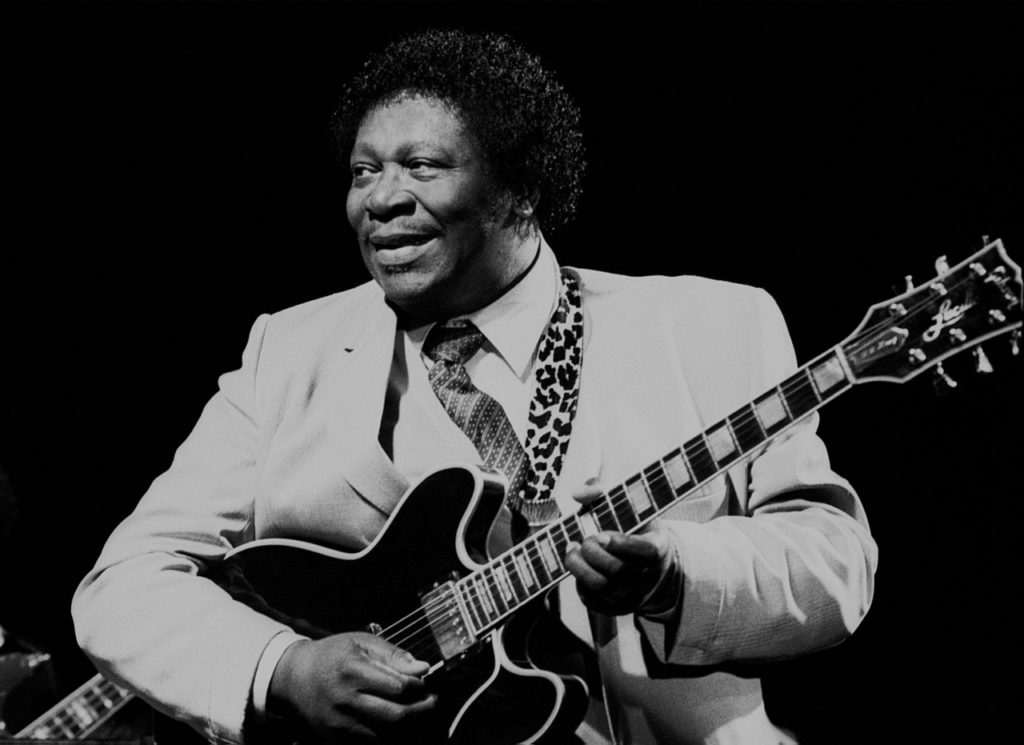
If boundaries needed pushing, B.B. King taught Santana the power of restraint. King’s economical playing style—where a single, perfectly bent note could convey more emotion than a flurry of fast runs—profoundly influenced Santana’s approach to melody and expression.
King’s famous vibrato technique and his ability to make “Lucille” sing with vocal-like qualities directly informed Santana’s sustained, singing tone. What separated King from his contemporaries was his emphasis on space and silence. He understood that what you don’t play is often as important as what you do—a lesson that helped Santana develop his patient, melodic approach.
2. John McLaughlin: The Spiritual Technician
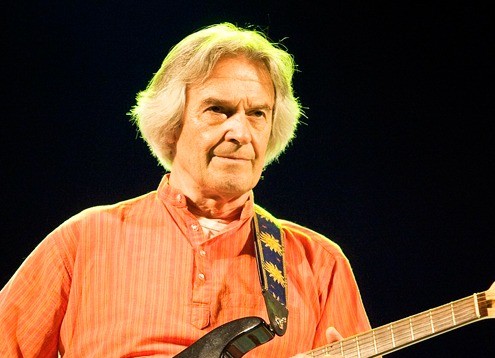
The relationship between Santana and John McLaughlin transcends mere musical influence—it represents a spiritual brotherhood. Both guitarists share devotion to spiritual teacher Sri Chinmoy and belief in music as a vehicle for higher consciousness. McLaughlin’s virtuosic technique and fusion of Eastern and Western musical traditions expanded Santana’s conception of what was possible on the instrument.
Their collaboration on “Love Devotion Surrender” showcases both guitarists pushing each other to transcendent heights. McLaughlin’s influence appears most prominently in Santana’s fusion-oriented work, where complex harmonic structures blend with spiritual overtones while maintaining his distinctive voice—think “Caravanserai” meets meditation app soundtrack, but with actual soul.
1. Jimi Hendrix: The Cosmic Connection
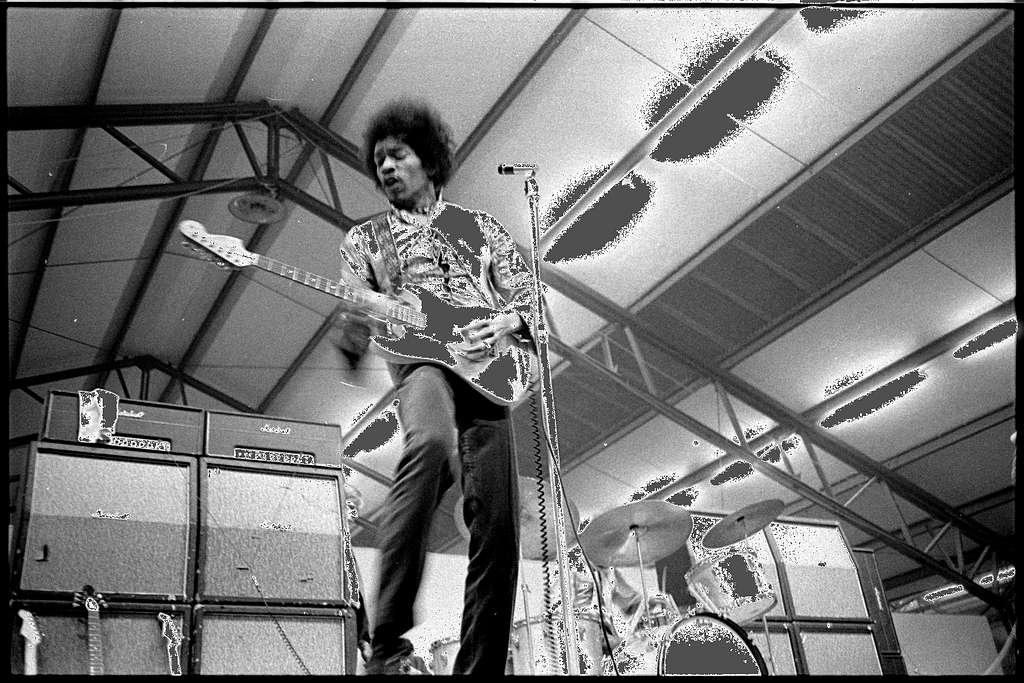
Santana encountered Jimi Hendrix’s revolutionary approach to the electric guitar just as he was developing his own voice. Hendrix’s fearless experimentation with feedback, wah-wah pedals, and psychedelic possibilities opened new dimensions that Santana would explore in his distinctive way. What Santana absorbed wasn’t just Hendrix’s technical wizardry but his philosophical approach.
Both guitarists treated their instruments as conduits for emotional expression rather than vehicles for technical showboating—a radical concept in an era obsessed with speed and flash. While much of Santana’s unique voice comes from technique, the choice of instrument plays a role too—some rare and expensive guitars can shape a player’s sound in unexpected ways.