



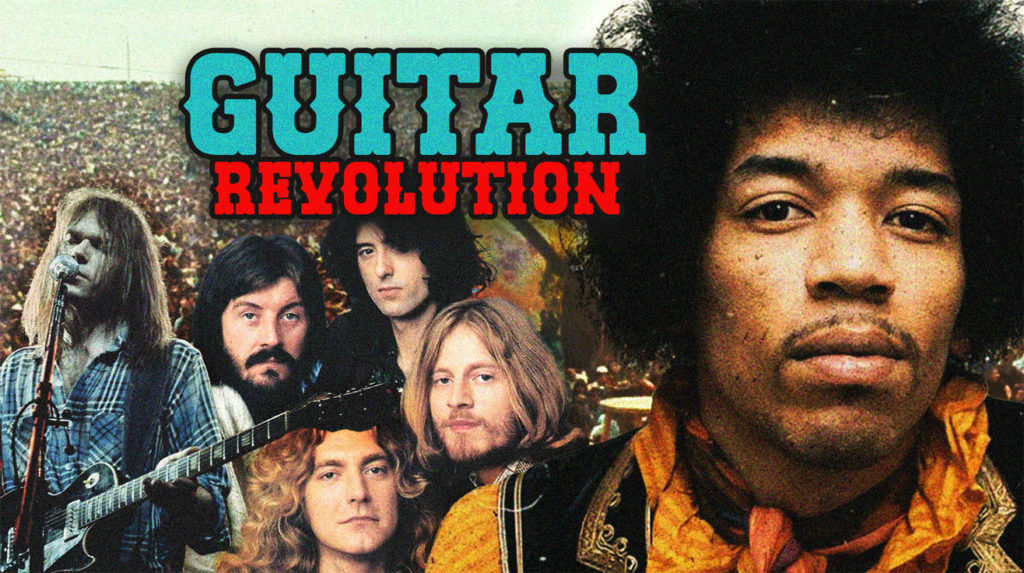
The sixties detonated music. Picture a cultural Molotov cocktail: one part blues heritage, two parts technological rebellion, and an entire generation’s worth of middle-finger-to-the-establishment energy. When kids plugged in, cranked up, and unleashed those six strings, they played notes that dismantled the entire social order one feedback-drenched power chord at a time.
What happened between ’60 and ’69 marked revolution in its purest form. Guitar heroes emerged from garages and clubs like comic book characters suddenly granted superpowers, each one wielding their instrument as both weapon and shield. The establishment never stood a chance against this sonic arsenal that transformed three chords and a dream into the soundtrack of youth rebellion. Nobody knew then that when they turned those amps up to 10, they’d still be rattling windows half a century later.
20. The Rolling Stones’ Blues Revival
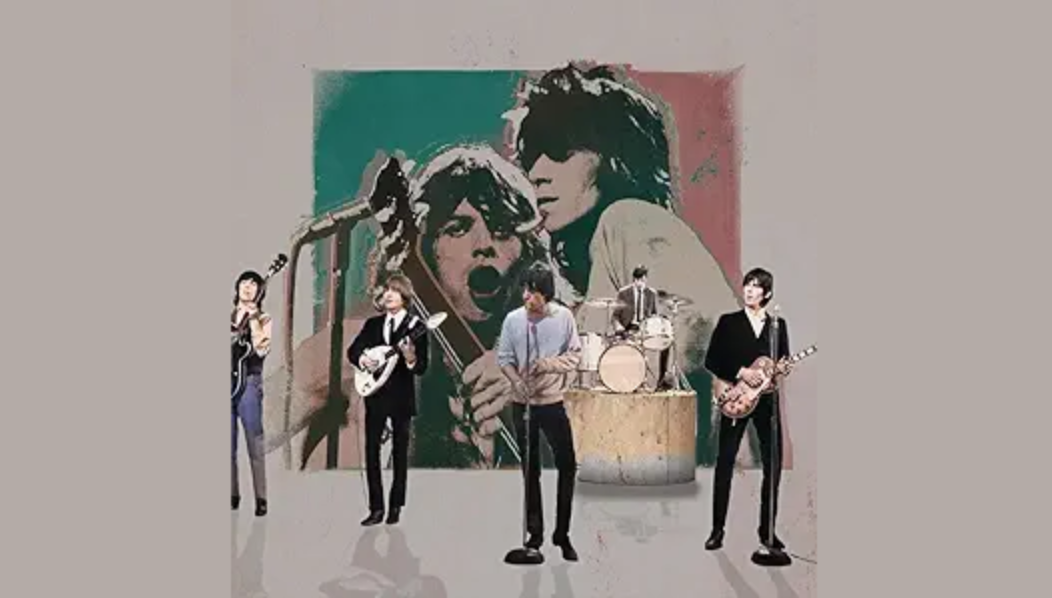
The Stones crashed into London’s scene in ’62 armed with nothing but American blues records and the audacity to believe they could channel them. Their pilgrimage to Chicago’s Chess Records—where they cut “2120 South Michigan Avenue”—was both homage and heist. These art school rebels played notes as cultural archaeologists excavating sounds that mainstream white America had conveniently buried under layers of Perry Como and Pat Boone.
Richards’ guitar work crackled with something both stolen and sincere, a contradiction that defined their entire existence. The Stones bombed their first American tour with spectacular efficiency—turns out Americans weren’t ready to hear their own musical roots played back to them by British kids. But their stubborn blues devotion eventually conquered precisely because it refused to compromise, spreading like musical wildfire across a landscape parched for authenticity. They invented nothing new—they simply remembered what others tried to forget.
19. The Beatles’ Pop Influence
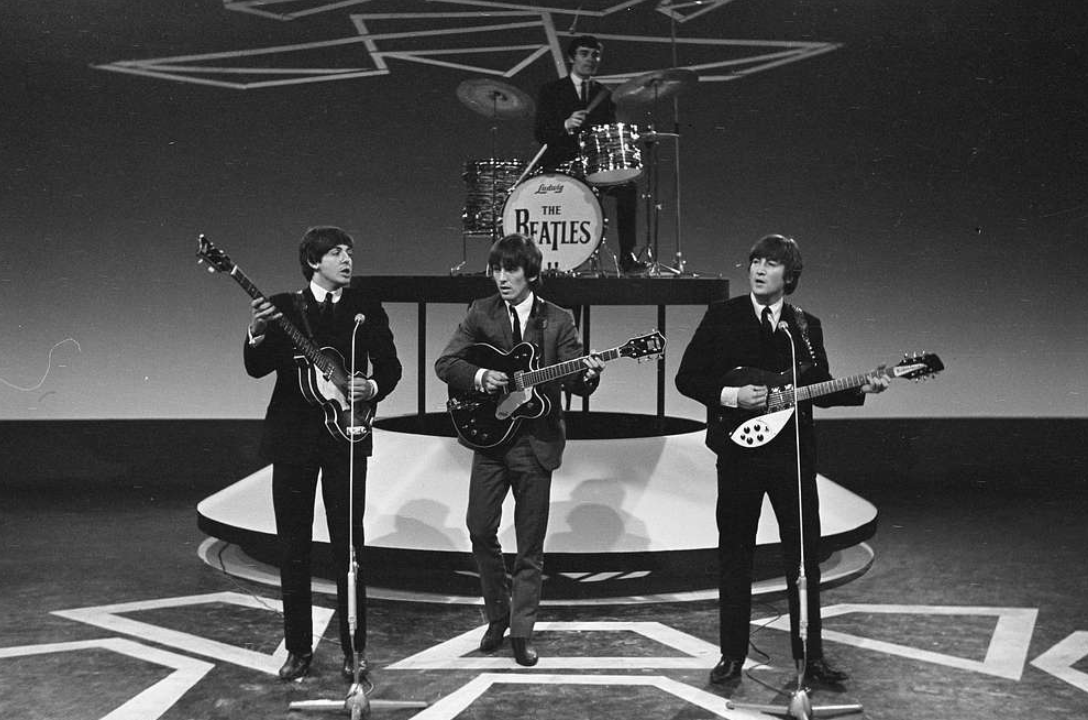
February 9th, 1964: the cultural earthquake nobody saw coming. When The Beatles hijacked Ed Sullivan’s stage, they triggered mass hysteria that made the Salem witch trials look rational by comparison. Those 73 million viewers watched television witnessing the exact moment when American culture fractured into “before” and “after.”
Harrison’s six-string approach revolutionized through its melodic restraint—the guitar equivalent of haiku versus epic poetry. By Revolver in ’66, the band had transformed from teen idols into sonic scientists, treating studios as laboratories where Harrison’s guitar became both test subject and result. His reversed solos and tape-manipulated tones focused less on virtuosity and more on reimagining what guitars could be—a radical approach that influenced everyone from bedroom strummers to avant-garde composers. The revolution was televised and electrified.
18. Garage Rock and The Kingsmen
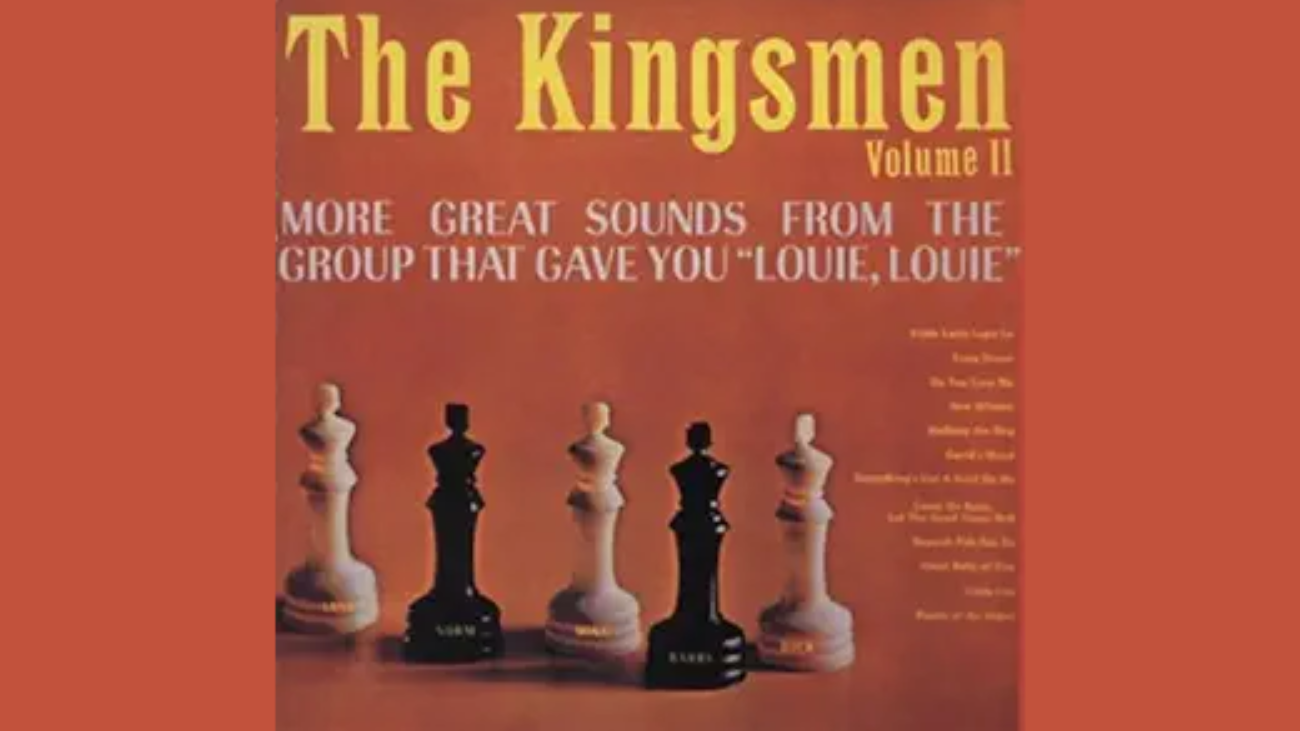
Garage rock embodied a teenage declaration of independence. When The Kingsmen butchered “Louie Louie” with such glorious imperfection that the FBI literally investigated the lyrics, they accidentally created a blueprint for generations of noise-makers. Mike Mitchell’s solo displayed technical imperfection; a perfectly imperfect middle finger to every music teacher who ever said “you’re playing it wrong.”
This beautiful racket spread across suburban America faster than gossip at prom. Every basement, garage, and rec room became a potential birthplace for three-chord revolution. These kids used their instruments as sledgehammers against the walls of boredom and conformity—swinging with the same wild abandon that would later fuel everything from the Ramones to Nirvana. Garage rock worked precisely because it had no credentials, no permission slip, and absolutely no interest in being polite about its intentions.
17. Surf Rock and Dick Dale
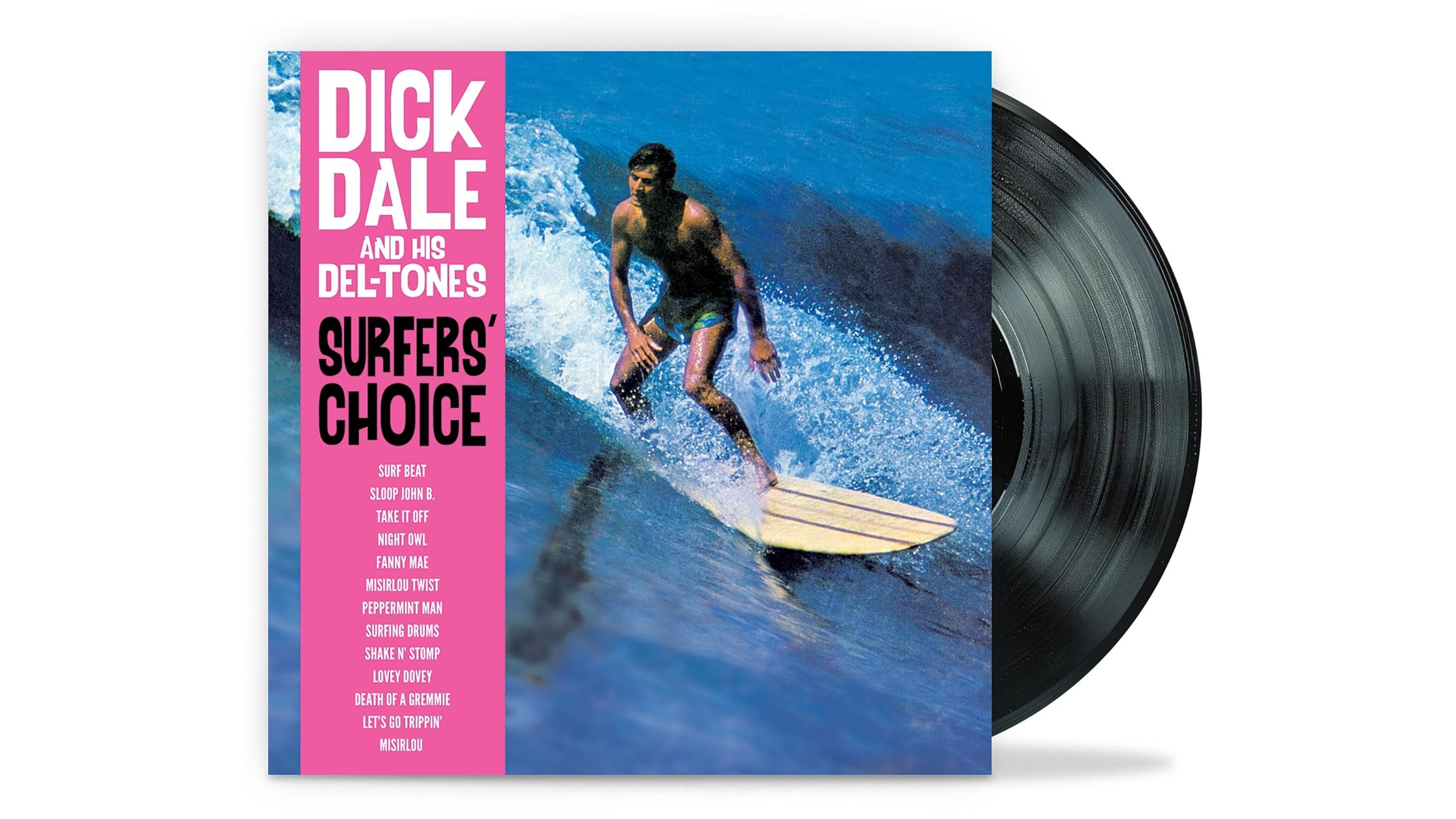
Before California became tech bros and traffic jams, there was Dick Dale—the mad scientist of surf rock whose playing style resembled someone trying to outrun a tsunami on six strings. His signature tune “Miserlou” fired notes at 200 beats-per-minute that left guitarists wondering if he’d secretly grown extra fingers. Dale wrestled his guitar into submission.
What set Dale apart came through pure electrical domination. He blew up so many amps that Leo Fender himself had to design special equipment that wouldn’t melt under his assault. This guitar playing declared war against the limitations of existing technology. Dale’s relentless tremolo picking technique cast such a long shadow that entire genres—from metal shredders to punk rockers—still unknowingly worship at his altar. He needed no lyrics to tell stories; his guitar screamed, whispered, and everything in between with the emotional range of the ocean itself.
16. The Yardbirds and Jeff Beck
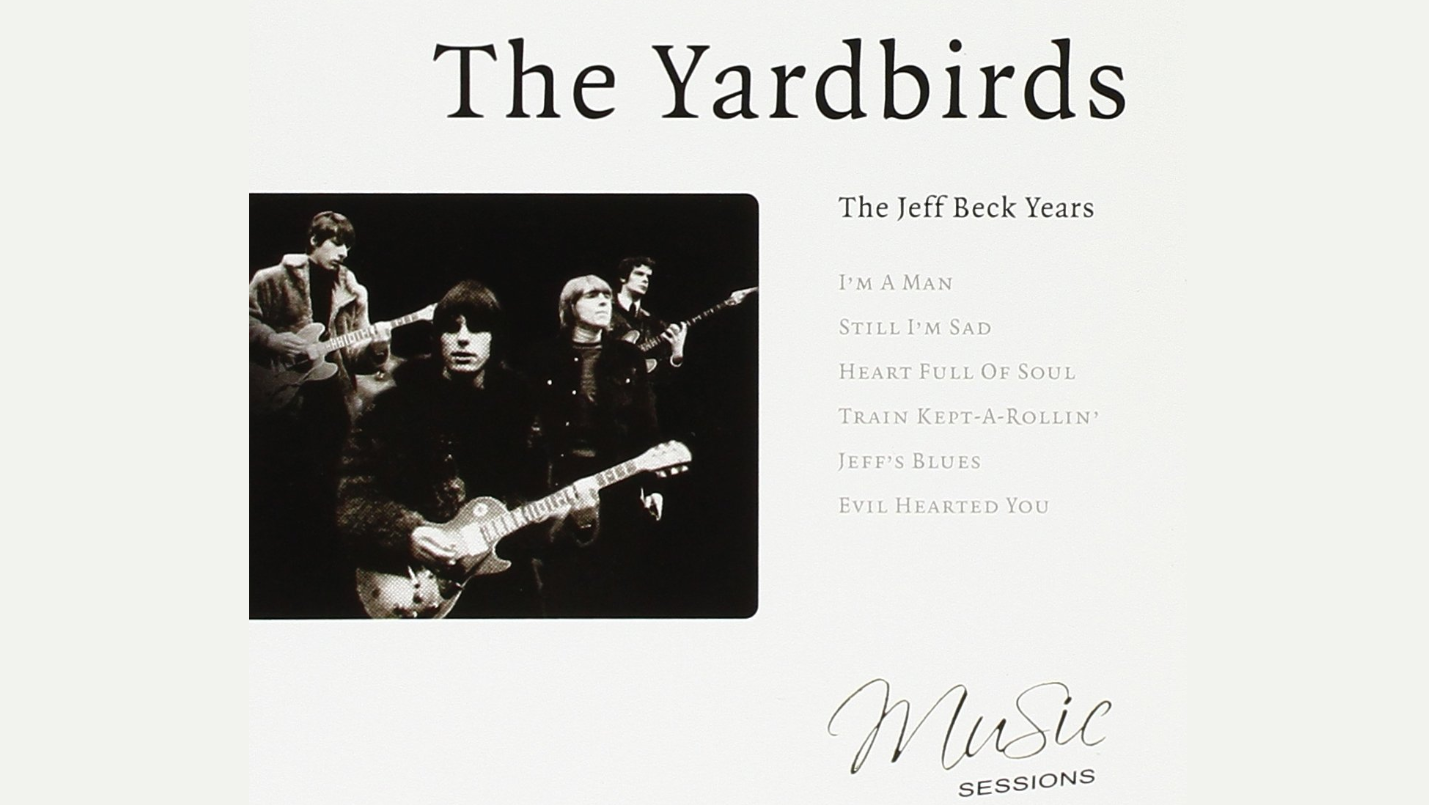
The Yardbirds operated as a breeding ground for guitar deities with assembly-line efficiency. This unassuming British blues outfit somehow managed to host Clapton, Beck, and Page in succession, each one graduating to reshape rock history. When Beck stepped in during ’65, the guitar’s evolutionary timeline accelerated from stone tools to space travel practically overnight.
Beck treated his guitar as a physics experiment gone wonderfully wrong. On “Shapes of Things,” his controlled feedback squealed and moaned with all the primal urgency of birth announcements from another dimension. While other guitarists tried to play pretty, Beck yanked sounds from his instrument that defied existence—coaxing noises that resembled Indian ragas one moment and industrial machinery the next. His approach transformed the guitar into something you could manipulate, torture, and rebuild in your own image. The Yardbirds contributed to rock history as the lab where its future was being frantically prototyped.
15. Psychedelic Rock’s Origins
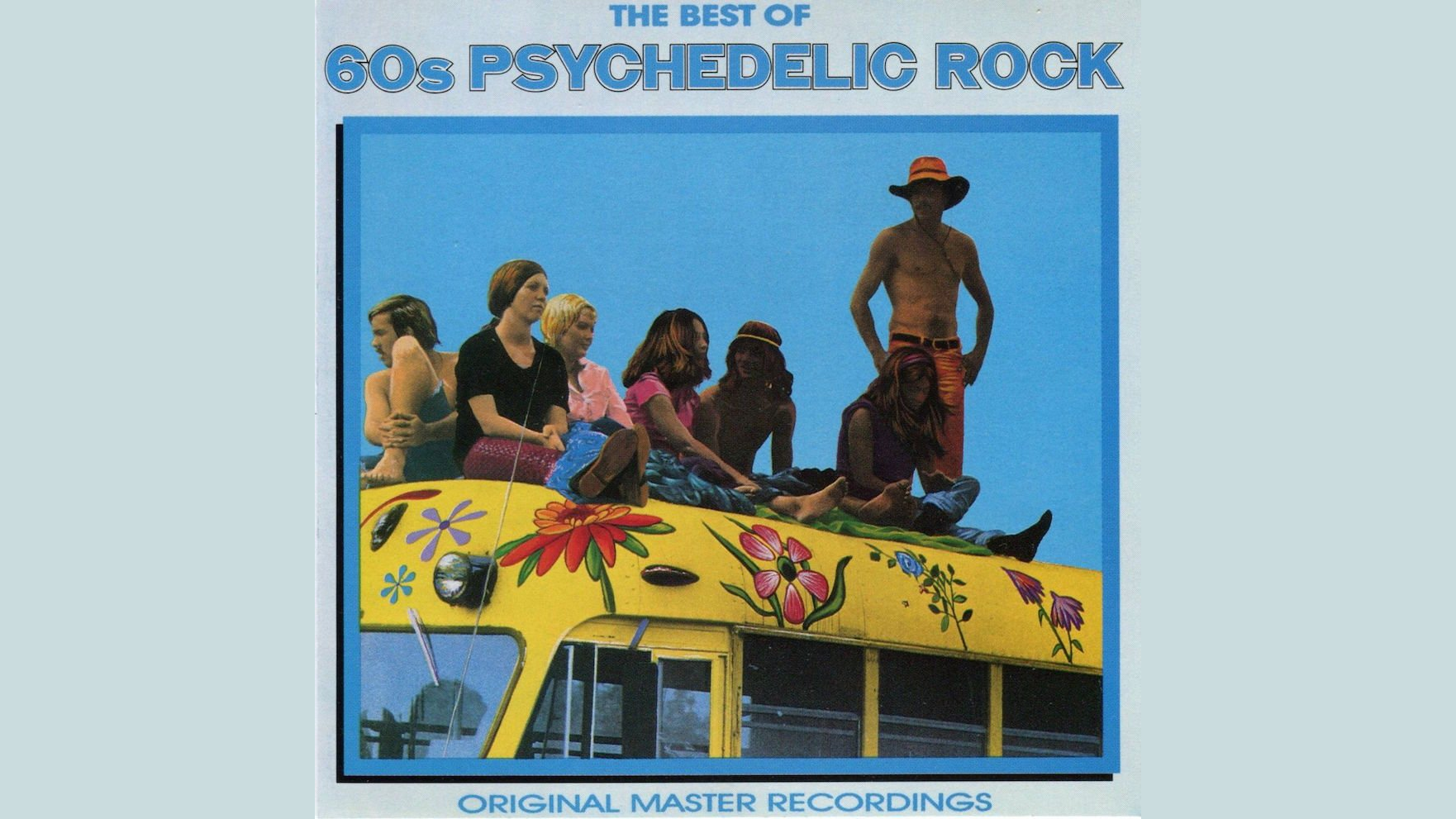
When America’s buttoned-up fifties collided with chemical consciousness expansion, music transformed completely. By ’63, LSD had infiltrated artistic communities faster than suburban parents could clutch their pearls. Timothy Leary and Ken Kesey became accidental musical curators orchestrating a revolution from makeshift laboratories and communal living rooms.
The Grateful Dead’s performances at Kesey’s acid tests functioned as spiritual ceremonies where guitars became conduits for collective hallucination. These sprawling instrumental explorations resembled jazz sessions crossed with religious experiences, with each note stretching toward infinity. The guitar evolved into a portal—a technological shamanic tool that could translate the unspeakable into sound waves. This represented the sound of a generation attempting to rewire perception itself through volume, sustain, and six electrified strings.
14. The Byrds and ‘Eight Miles High’
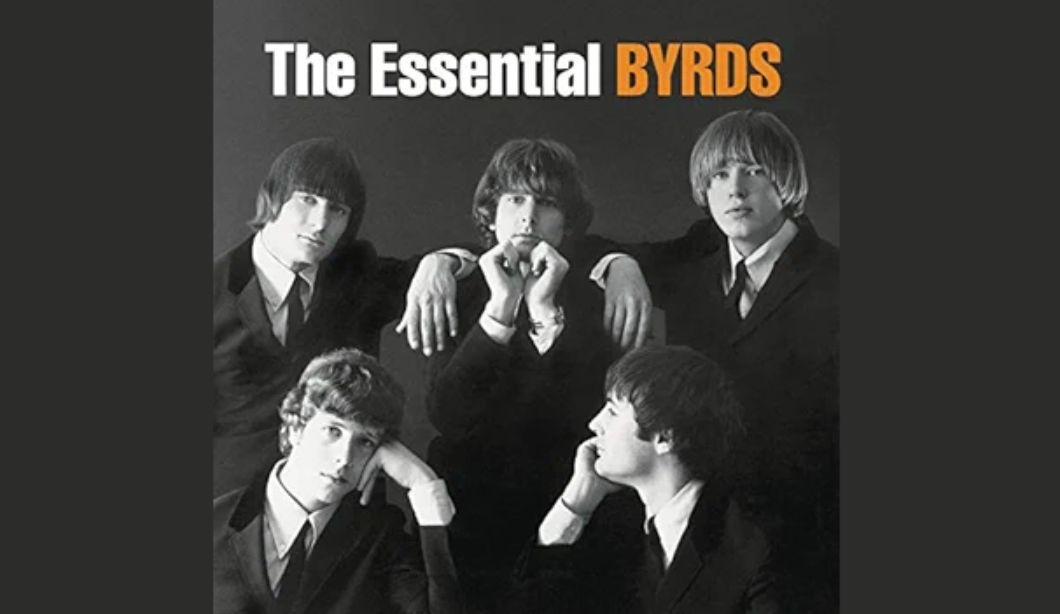
The Byrds’ “Eight Miles High” crashed into 1966 like an alien transmission intercepted by radio stations. This song embodied cultural cross-pollination in its purest form. McGuinn’s fuzzed-out Rickenbacker solo functioned as a passport to uncharted territory, stamped with influences from Ravi Shankar’s sitar drones and Coltrane’s saxophone explorations rather than the usual Chuck Berry pentatonics that fueled rock’s engine.
McGuinn’s acid-expanded consciousness rewired what guitars could accomplish within three minutes of radio time. His approach translated Eastern classical music through Western technology while simultaneously inventing a new language altogether. Radio stations banned it for supposed drug references, but the real threat came through musical heresy that challenged the entire foundation of Western pop structures. This represented psychedelic rock as decolonization through amplification, permanently expanding rock’s borders beyond blues-based limitations.
13. The Beatles’ Psychedelic Innovations
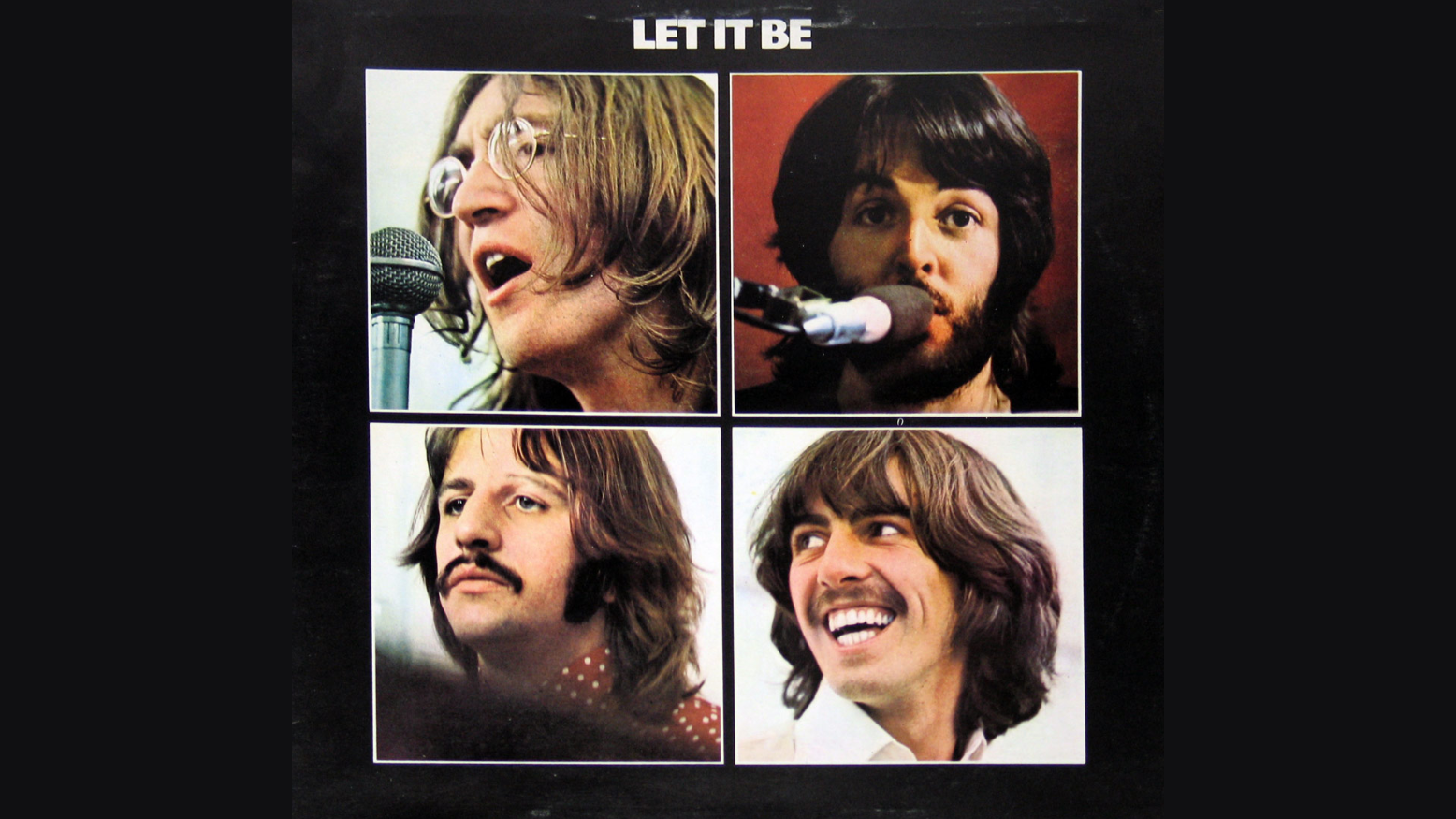
Revolver obliterated boundaries completely. The Beatles transformed from mop-topped heartthrobs into sonic revolutionaries faster than parents could say “what happened to ‘I Want To Hold Your Hand’?” Their acid-awakened creativity turned Abbey Road Studios into a laboratory where guitars underwent experiments that would make Dr. Frankenstein’s work seem pedestrian by comparison.
Harrison’s obsessive five-hour quest to perfect a single guitar passage reveals everything about their metamorphosis. This music reflected pure alchemy. Geoff Emerick’s revolutionary recording techniques treated guitars like alien artifacts requiring new methods of documentation rather than conventional instruments. Backward solos, tape loops and compressed signals transformed six strings into unrecognizable sound sources that resembled transmissions from another dimension. The guitar played notes while being fundamentally reimagined as both instrument and concept, forever changing what those six strings could represent in popular consciousness.
12. Jimi Hendrix’s Arrival in London
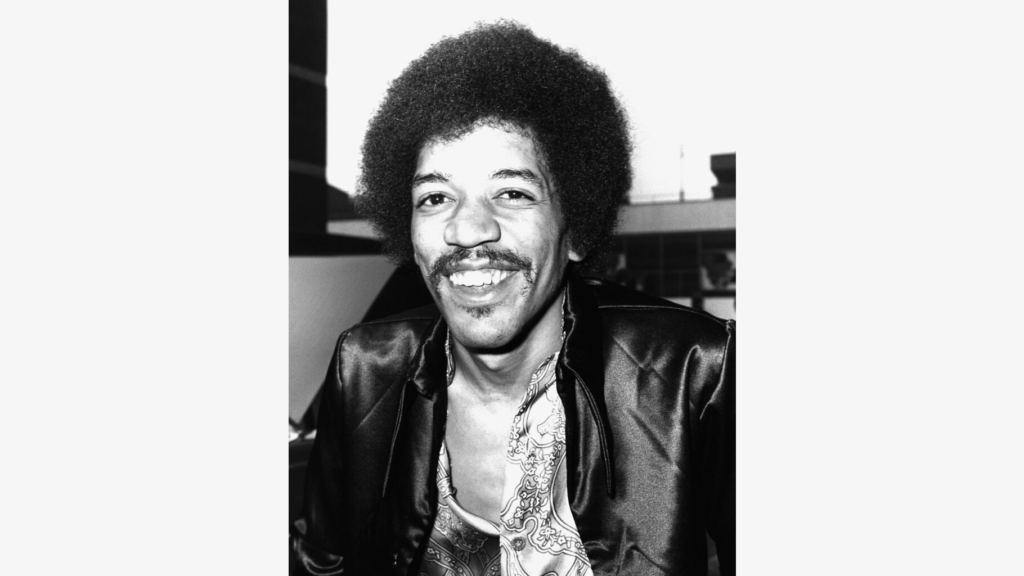
September 24th, 1966: the day guitar playing got completely recalibrated. Hendrix materialized in London like a time traveler bringing technology from decades in the future. Within a week, he casually demolished British rock’s established hierarchy by performing Howlin’ Wolf’s “Killing Floor” in front of Cream and leaving Clapton—then considered guitar’s reigning deity—looking like a stunned student at his first day of class.
The November show at the Bag O’Nails served as a coronation ceremony attended by rock royalty. Richards, Jones, and McCartney watched Hendrix play and witnessed their entire understanding of what guitars could do shatter into fragments. His performance resembled a scene from a sci-fi movie where humans first encounter advanced alien technology—equal parts terror and revelation. Here was a Black American military veteran showing the British invasion architects that they’d barely scratched the surface of their instruments’ capabilities. Guitar playing would forever be divided into two eras: before Hendrix landed and everything after.
11. Jimi Hendrix’s Guitar Style and Showmanship
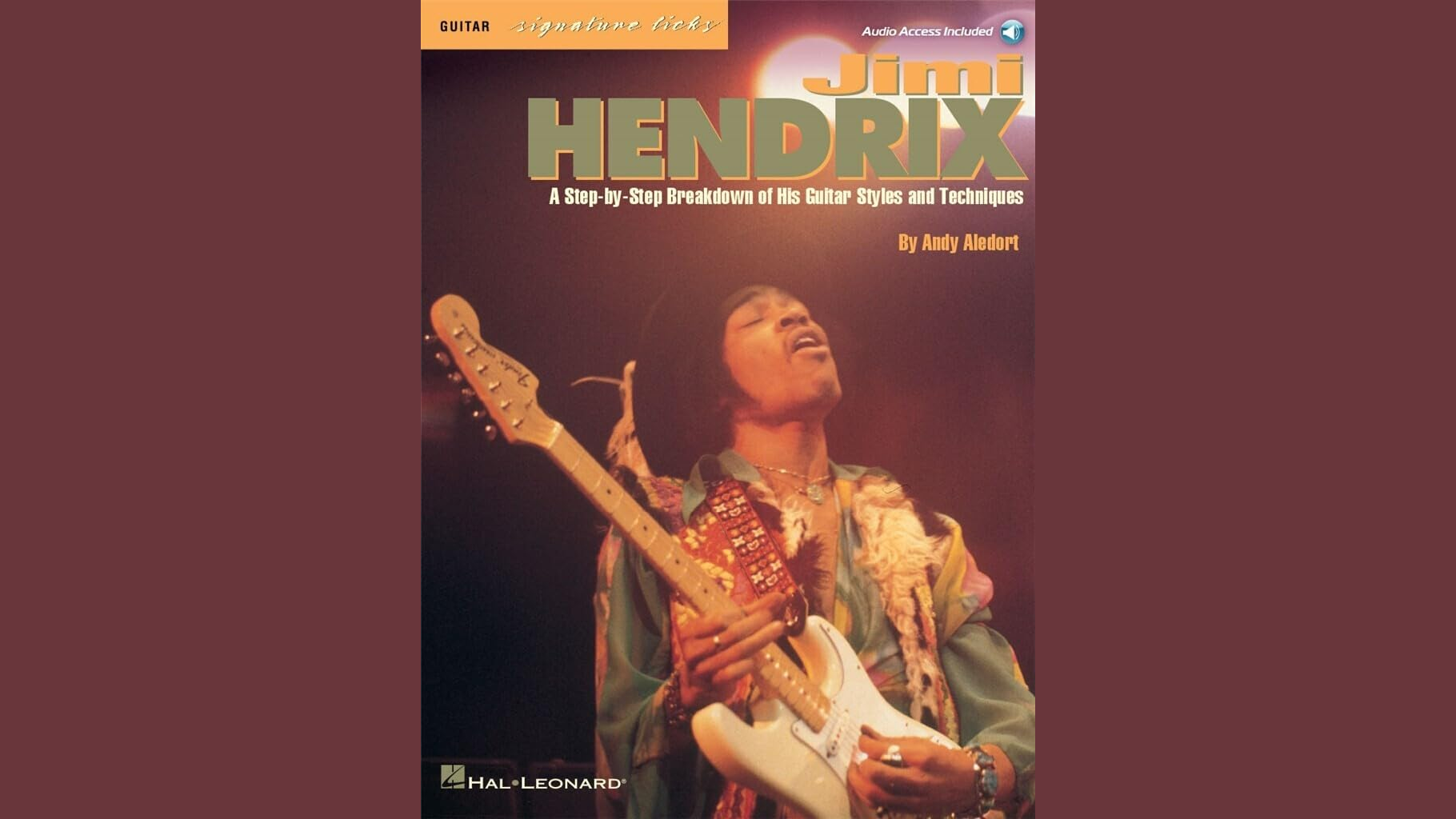
Hendrix liberated the guitar. While white rock stars attempted to emulate their blues heroes, Hendrix leap-frogged the entire conversation and turned the instrument into something that could scream, whisper, laugh cry, and speak in tongues. His hands moved across the fretboard with the casual confidence of someone who’d made a Faustian bargain for superhuman abilities, yet every note carried the emotional weight of centuries of Black musical tradition.
“Foxy Lady” introduced Hendrix’s approach and reset expectations for what electric guitars should sound like. The opening feedback-drenched sustain functioned as both mating call and battle cry, establishing dominance in the rock ecosystem with predatory precision. His apprenticeship with Little Richard taught him that technical skill without showmanship created merely academic exercise—about as exciting as watching someone solve equations. Hendrix understood guitar playing shared DNA with performance art rather than recital, infusing every note with theatrical magnetism that turned concerts into religious experiences. He expanded guitar technique and expanded what it meant to be a guitarist at all.
10. Sister Rosetta Tharpe’s Influence
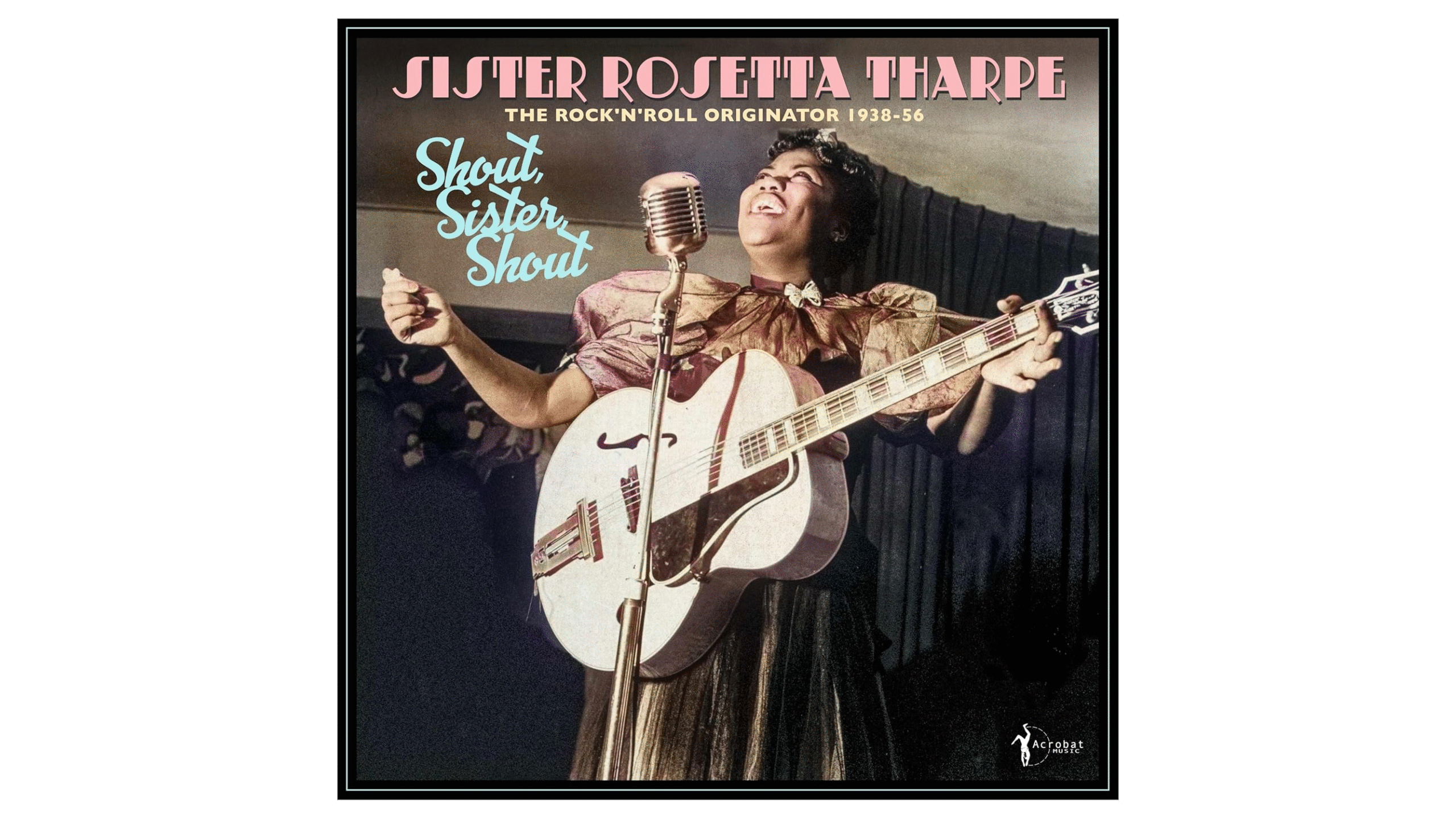
Before Clapton was “God,” Sister Rosetta Tharpe was the deity nobody wants to acknowledge. Her May 1964 performance for British television—Gibson SG in hand like Excalibur—reached 12 million viewers when it aired that August and ignited a revolution across the pond. The history books conveniently forget that rock’s so-called white male inventors were actually students, sitting at the feet of a Black woman who shredded boundaries decades before “shredding” was even a term.
Tharpe’s playing burned itself into the musical DNA of Page, Beck, and Clapton—those same guitar heroes who’d later be credited for techniques she pioneered. Her fingers moved across fretboards similar to how Dorothy’s ruby slippers tapped across the yellow brick road: magical, transformative, and ultimately leading everyone home. Rock history without Tharpe remains incomplete—a fiction designed to erase the woman who made everything else possible.
9. Jimi Hendrix and Guitar Effects
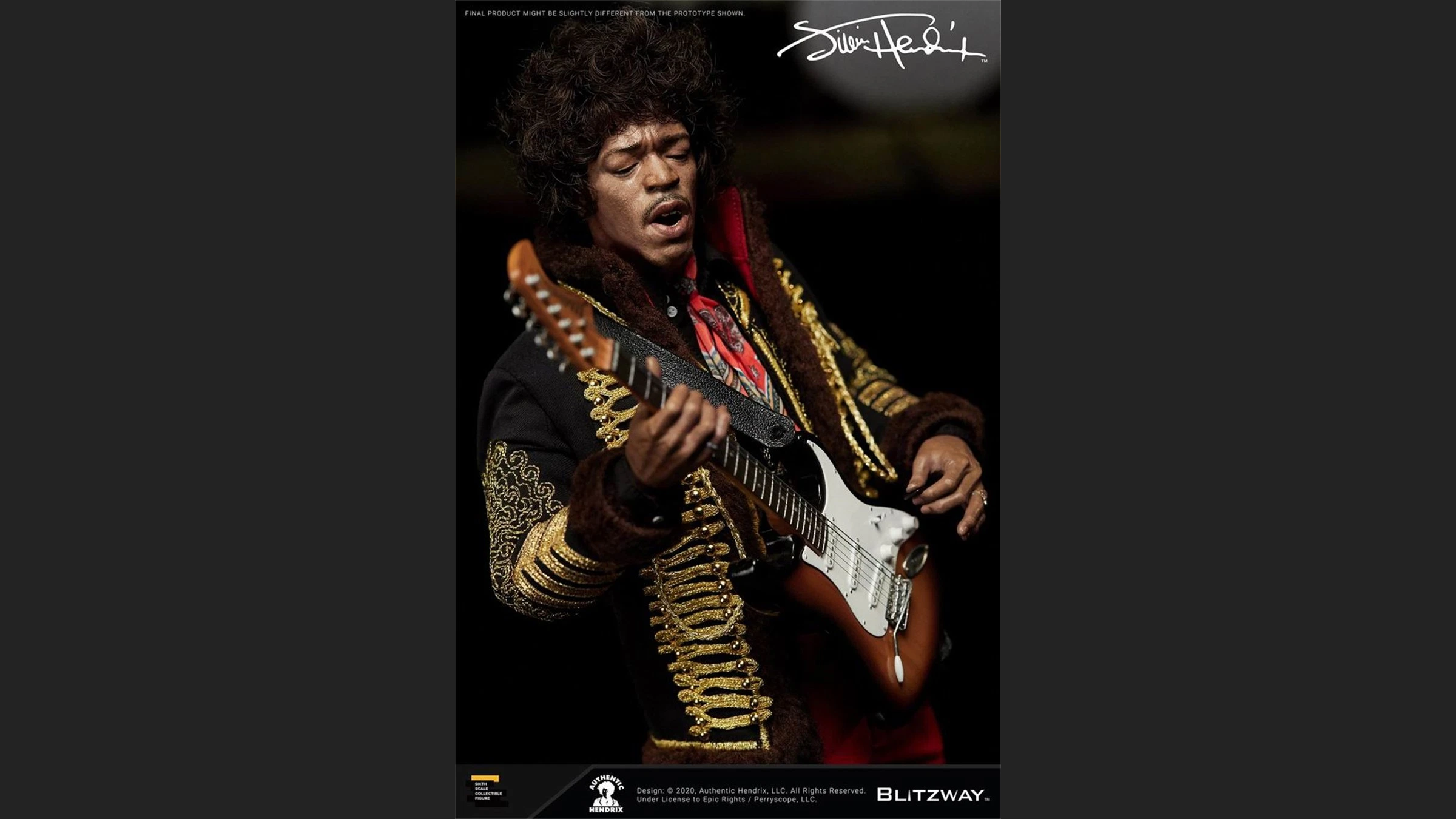
Effects pedals functioned as extensions of Hendrix’s nervous system. His relationship with the Arbiter Fuzz Face verged on spiritual partnership; this unassuming circular pedal transformed guitar signals into the sonic equivalent of tectonic plates shifting. Each knob twist sought to unleash controlled chaos that perfectly captured the cultural turbulence of the era. If you’re a big guitar fan, you might also be interested in finding the perfect acoustic guitar on a budget.
The wah-wah pedal under Hendrix’s foot operated similar to what the steering wheel is for Formula 1 drivers—a precision instrument for navigating sonic hairpin turns at breakneck speed. His Univibe created swirling atmospheric textures that resembled consciousness itself dissolving at the edges. “Are You Experienced” posed a challenge to listeners and guitarists alike. These sounds created new emotional territories being mapped in real-time through technology that manufacturers hadn’t even imagined could be used this way. While guitar companies sold products, Hendrix revealed they were actually distributing unfinished instruments awaiting proper activation.
8. Cream and Eric Clapton’s Psychedelic Sound
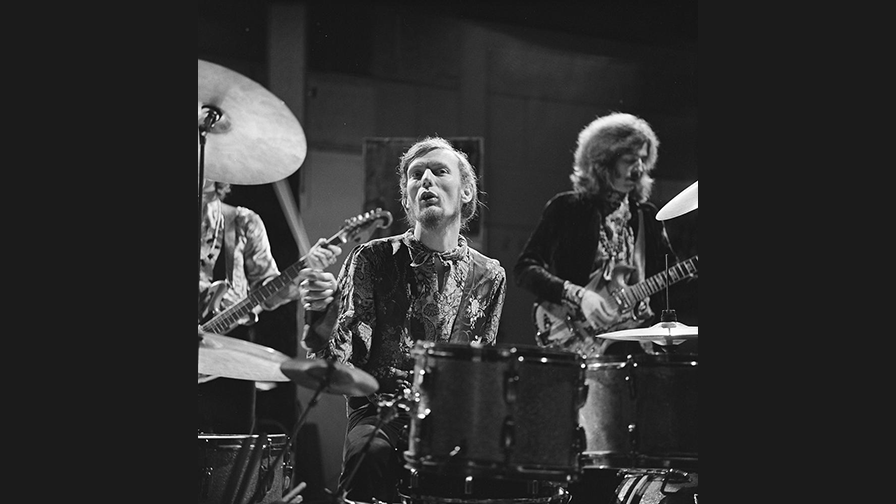
Cream engineered a new musical paradigm where three musicians generated the sonic density of an orchestra. Their blues-psychedelia hybrid resembled Dr. Frankenstein’s monster if it had been assembled from Mississippi Delta body parts and reanimated with LSD-laced lightning. The power trio format embraced maximalism with minimal personnel.
Clapton’s work on “White Room” marked the moment blues grew wings and flew into dimensions Robert Johnson never imagined possible. His wah-wah pedal transformed guitar lines from discrete notes into liquid expressions that poured between musical measures with dream-like fluidity. This presented blues reimagined through a kaleidoscope, stretched and contorted into shapes that honored tradition while simultaneously deconstructing it. Cream demonstrated that virtuosity could mean emotional excavation at high volume, with each player pushing the others toward territory that none would have discovered alone. The blues evolved beyond borrowing into transformation.
7. Led Zeppelin’s Debut
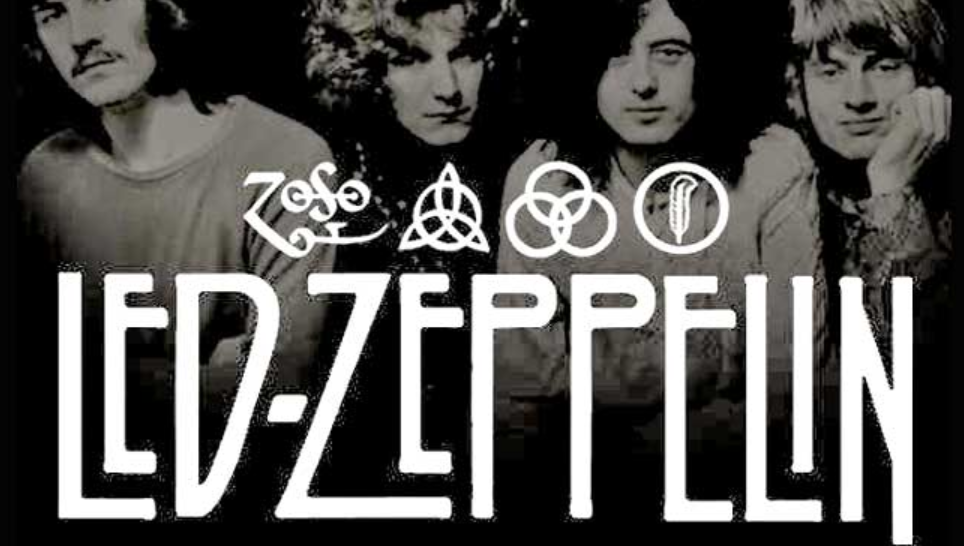
Led Zeppelin’s 1969 debut detonated across the musical landscape with apocalyptic force. Page’s guitar work functioned as both architect and wrecking ball, simultaneously constructing new sonic cathedrals while demolishing all existing templates for what rock could be. This represented mutation at an atomic level that would permanently alter rock’s DNA.
“Communication Breakdown” delivered exactly what the title promised—a complete rupture in rock’s established communication systems. The riff attacked listeners with the precision of a surgical strike and the subtlety of a sledgehammer to concrete. Meanwhile, “Dazed and Confused” stretched blues progressions into something resembling a horror movie soundtrack, with Page’s violin bow transforming his guitar into an instrument of beautiful menace. The album functioned as both love letter to blues tradition and divorce papers from its limitations. Heavy but articulate, complex but primal, cerebral but physical—these contradictions emerged as features of a new musical language being written in real-time that would eventually birth everything from metal to grunge.ral but physical—these contradictions weren’t flaws but features of a new musical language being written in real-time that would eventually birth everything from metal to grunge.
6. Fleetwood Mac and Peter Green
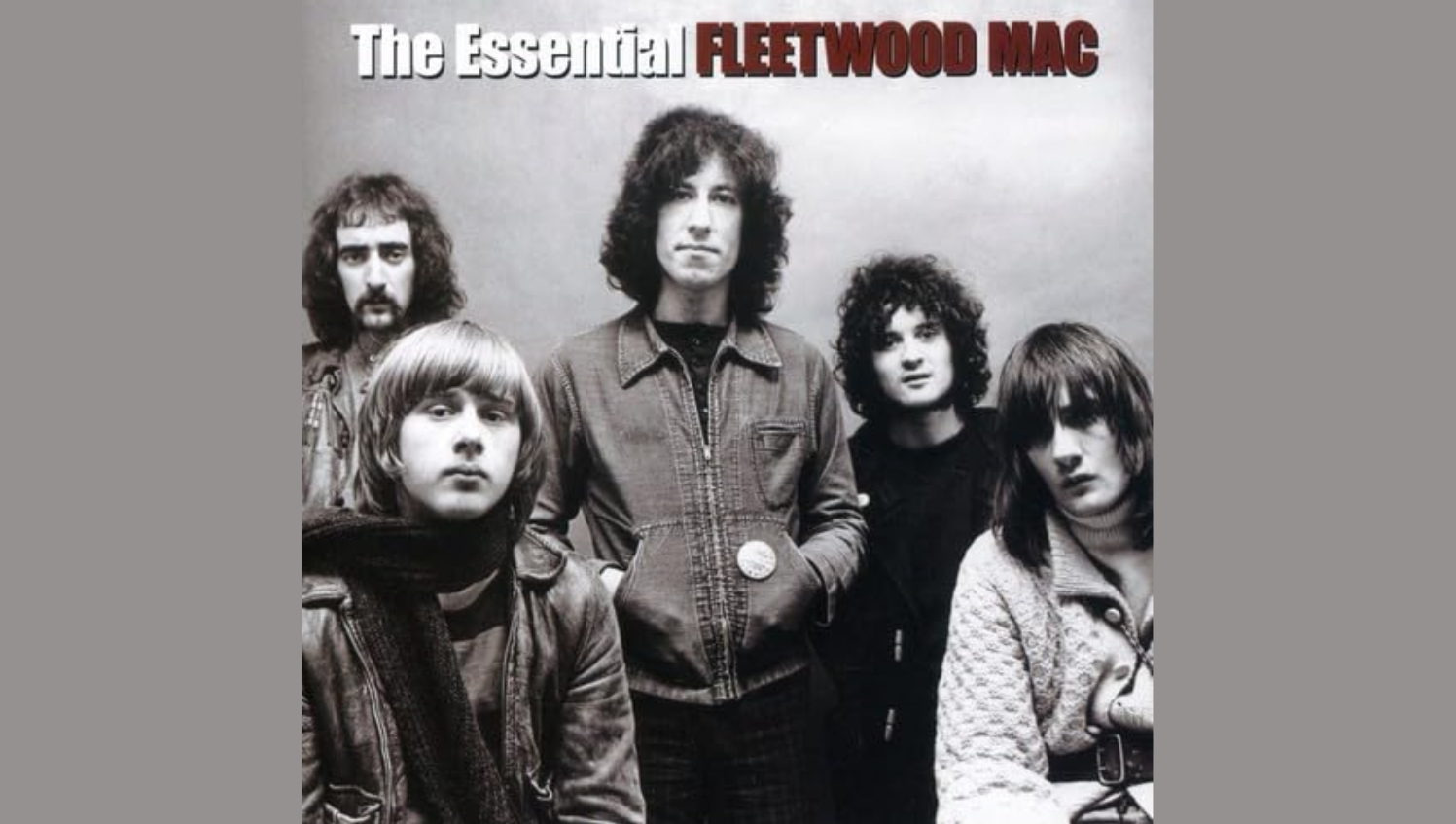
Before Fleetwood Mac became soft-rock superstars trading relationship drama for platinum records, they were Peter Green’s blues revolution. Green communicated through his guitar with the emotional fluency of a poet who’d found a better medium than words. His modified 1959 Les Paul with reversed pickup magnets served as necessity; standard guitars simply couldn’t translate the sounds he heard in his head.
“Albatross” floated onto the charts in 1969 like a message from some alternate universe where technical showing-off had been replaced by pure emotional expression. Green’s approach to guitar resembled Japanese minimalist art—finding perfection not by adding notes but by removing everything unnecessary. The spaces between his phrases spoke volumes, proving that silence could be as powerful as sound when placed with perfect intuition. His playing carried the weight of ancient blues wisdom filtered through a fragile psyche that would eventually fracture under the pressure of his own sensitivity. Green’s legacy teaches that feeling trumps flash, and that sometimes the most powerful statement is knowing exactly what not to play. is knowing exactly what not to play.
5. BB King’s ‘The Thrill is Gone’
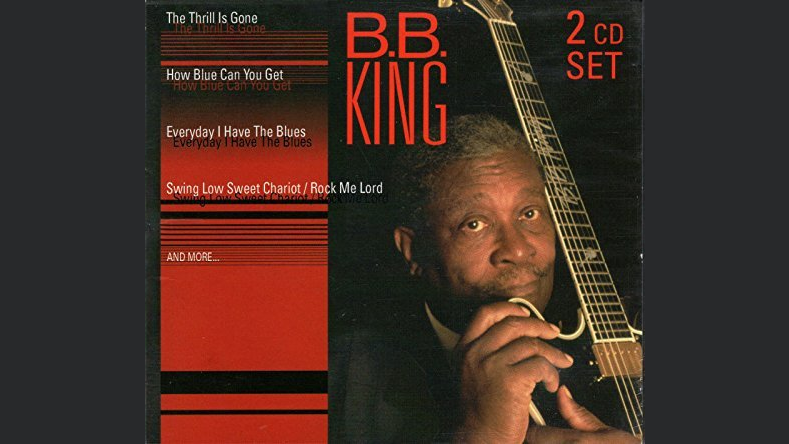
Late 1969: while psychedelic explorers were still adding more effects, more notes, and more everything, B.B. King released “The Thrill Is Gone” and demonstrated how a single perfectly bent note could outweigh a thousand rapid-fire scales. King’s masterpiece elevated blues guitar from juke joint entertainment to high art without sacrificing one molecule of emotional authenticity.
King’s guitar Lucille sang with all the nuance and expressiveness of the finest operatic voice. His vibrato technique worked like emotional truth serum—impossible to fake and immediately recognizable anywhere. Each note bent and sustained contained libraries of human experience: joy, suffering, resilience, and transcendence. While guitar magazines would later obsess over shredders with Formula 1 finger speed, King’s economical phrasing revealed them as empty calorie virtuosos by comparison. This blues guitar embodied human communication distilled to its purest form—a masterclass in saying everything by playing only what matters. King delivered testimony with six strings as his only witness.
4. Monterey Pop Festival
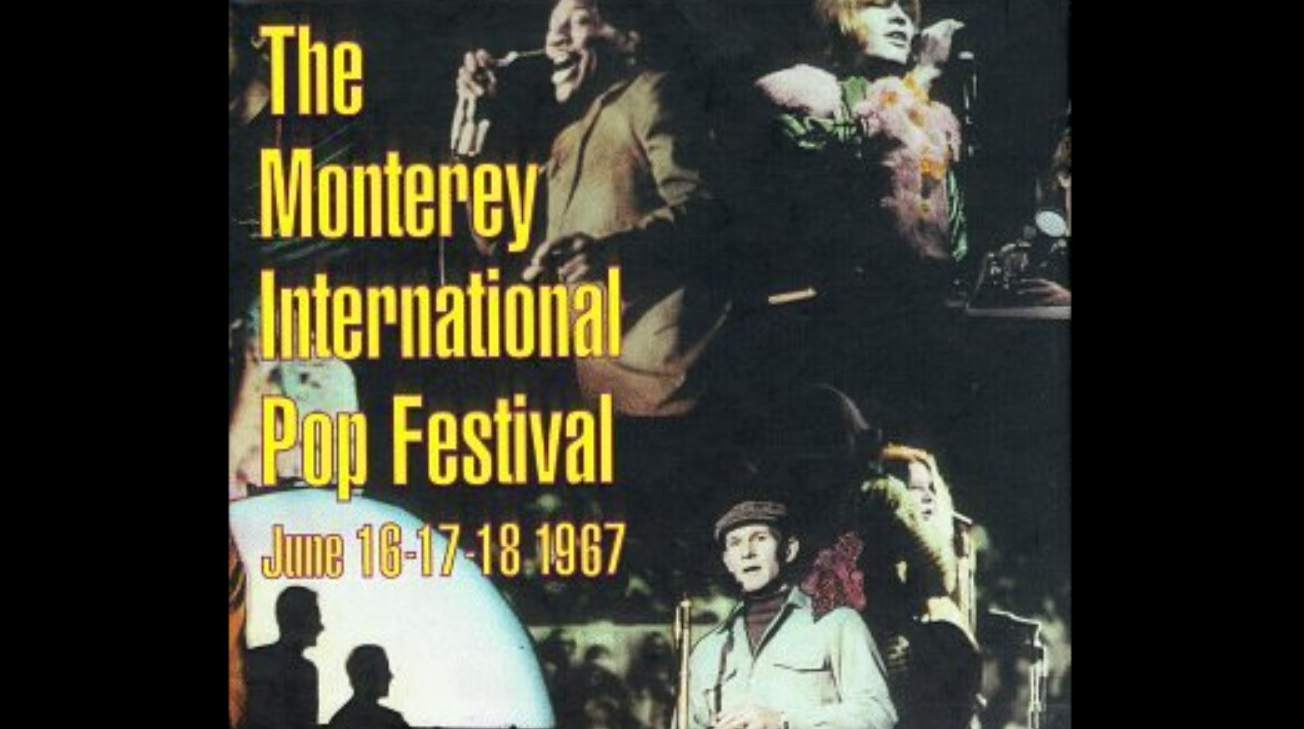
While British guitarists colonized the charts, American players created regional sounds as diverse as the country itself. This represented sonic cartography—mapping American identity through amplified strings. Frank Zappa approached the guitar as a mad scientist cross-bred with a satirist, creating compositions that made conservatory graduates question their life choices. Meanwhile, Fogerty conjured Louisiana swamp magic from his suburban California garage.
Bloomfield carried Chicago’s electric blues tradition forward with reverence and innovation, while Duane Allman’s supernatural slide technique translated Deep South experience through sounds more like channeling spirits than playing guitar. Neil Young stood apart from them all, treating distortion as emotional truth serum. These players embodied America’s contradictory impulses—tradition versus innovation, technique versus feeling, reverence versus rebellion. If British players refined rock into a sleek sports car, these Americans customized it into something that could handle every type of terrain—from city streets to backwoods dirt roads to desert highways, creating distinct musical dialects that spoke to regional experiences while somehow remaining universally understood.
3. Neil Young’s Emotional Approach
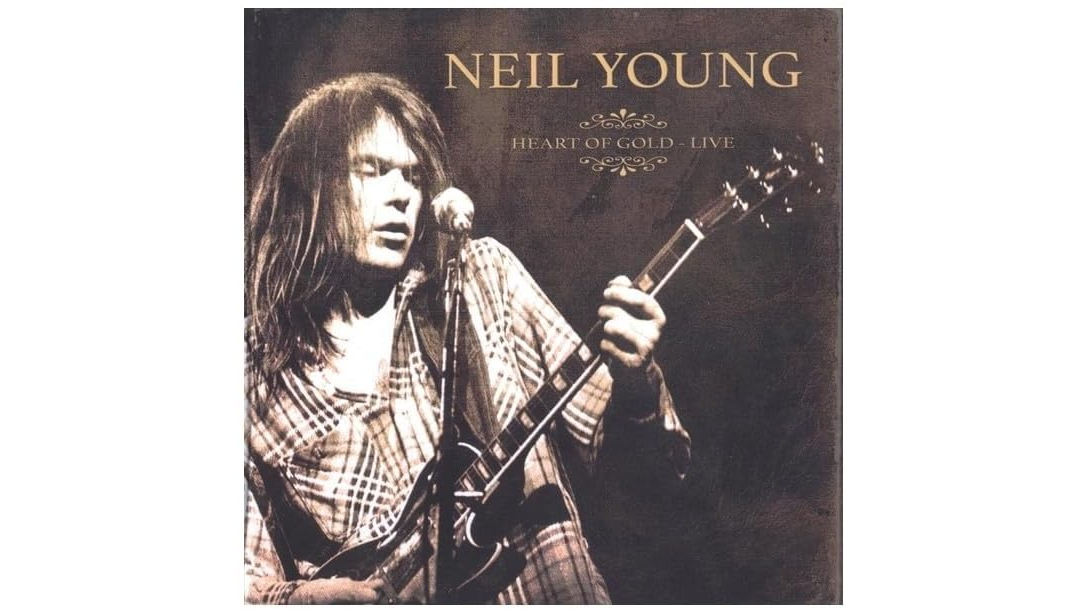
Neil Young approached the guitar similar to how Jackson Pollock approached canvas—with beautiful disregard for convention and absolute commitment to emotional truth. While virtuosos counted notes per second, Young counted heartbeats per phrase. His approach aimed at making listeners feel something authentic, even if that something hurt.
“Down by the River” showcased Young’s revolutionary minimalism—a one-note solo that somehow contained multitudes, resembling Samuel Beckett writing a guitar part. Each repetition gained emotional weight rather than diminishing through familiarity. His tone served a purpose—a jagged, imperfect sound that perfectly matched the jagged, imperfect human experience it described. Young treated distortion as emotional state made audible. He understood something fundamental that flashier players missed: technical precision without emotional precision creates just expensive noise. His influence stretched far beyond his contemporaries, laying groundwork for everything from punk’s deliberate rawness to grunge’s emotional catharsis. Young demonstrated that broken things often make the most honest sounds.
2. Jimi Hendrix’s ‘All Along the Watchtower’
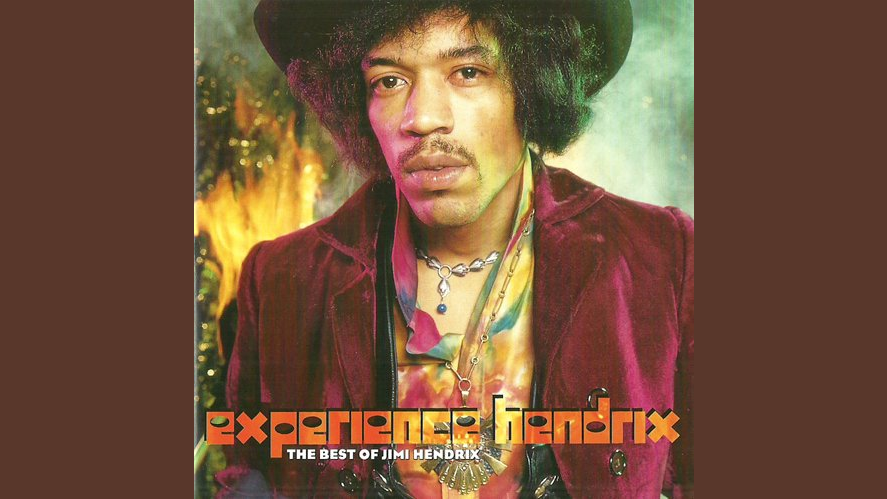
When Hendrix tackled Dylan’s “All Along the Watchtower,” he liberated it from its original constraints. This complete reinvention transformed a skeletal folk reflection into a technicolor apocalyptic vision. The guitar reimagined, rebuilt, and ultimately claimed the song so completely that even Dylan himself surrendered ownership.
Hendrix’s solos translated late-60s cultural upheaval—civil rights struggles, Vietnam protests, and generational warfare all somehow captured in six electrified strings. His guitar screamed with the precise frequency of societal fracture, making explicit what Dylan had only implied. This transformation resembled what would happen if you handed a stick figure drawing to Picasso and asked him to add color. The recording demonstrates how Black musical innovation consistently transforms and elevates source material, creating cultural alchemy that turns lead into gold. Hendrix electrified Dylan’s music and plugged it directly into the cultural moment’s highest voltage current, creating something that still sounds like it was recorded tomorrow rather than yesterday.
1. Woodstock Festival
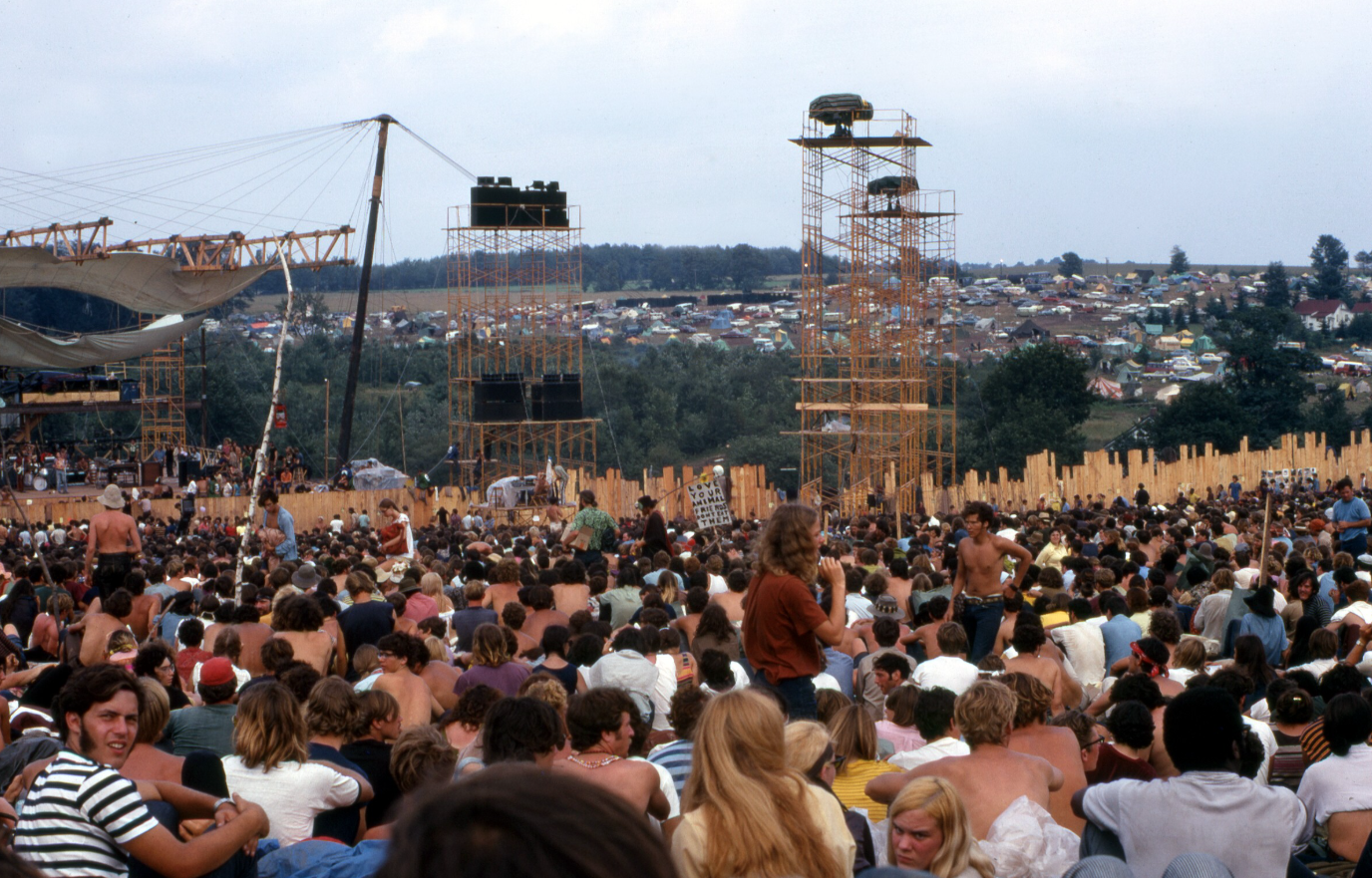
August 1969: while America teetered between utopian dreams and violent realities, half a million pilgrims converged on Max Yasgur’s farm for what would become the decade’s exclamation point. Woodstock embodied the electric guitar’s ultimate communion—both celebration and funeral for the idealism that powered the sixties. The festival operated as guitar-driven history, with each performance marking evolutionary stages of the instrument’s decade-long journey.
Carlos Santana’s acid-enhanced performance of “Soul Sacrifice” blurred the lines between religious experience and musical expression—his guitar lines speaking in tongues that transcended language barriers. Meanwhile, Hendrix’s Monday morning rendition of the national anthem worked as both eulogy and prophecy, transforming patriotic ritual into surrealistic commentary that perfectly captured America’s contradictions. His guitar mimicked bombs, screams, and sirens—the soundtrack to a country at war with itself. This represented documentary—the electric guitar evolving beyond entertainment into journalism. Woodstock captured the sixties guitar revolution in its final form: idealistic but world-weary, technically ambitious but emotionally raw, hopeful for the future but already nostalgic for what was ending. The guitar had completed its transformation from polite accompaniment to cultural weapon—and music would never sound the same again.