



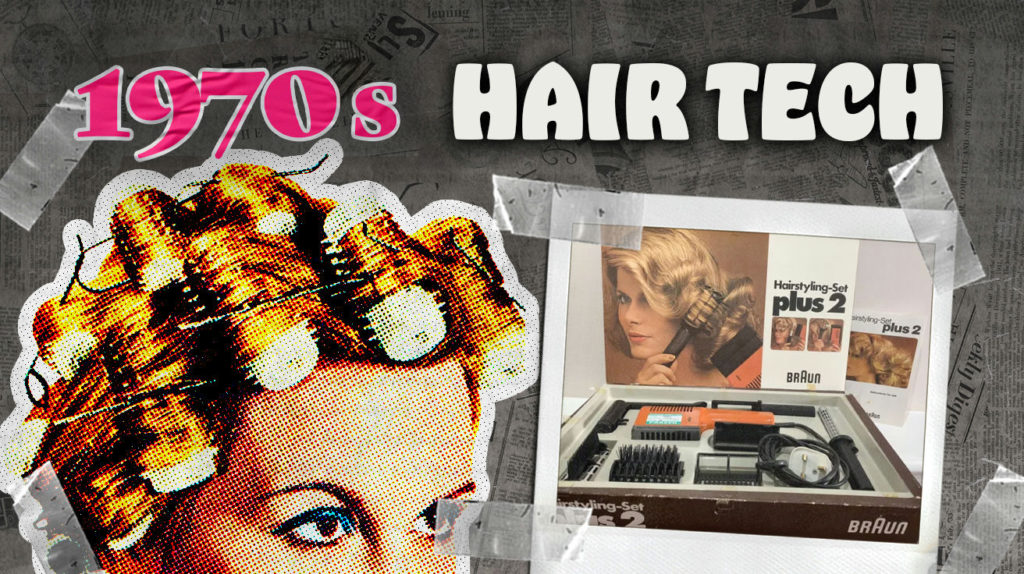
The 1970s marked a technological turning point when the beauty industry plugged in. Hair styling tools transformed from manual metal contraptions into powered personal devices, creating a watershed moment where advanced styling techniques escaped salon exclusivity and landed on home vanity counters across America.
The following ten devices rewired how an entire generation approached personal style.
9. Clairol Kindness Instant Hair Setter (Mid-1970s): The Batch Processor
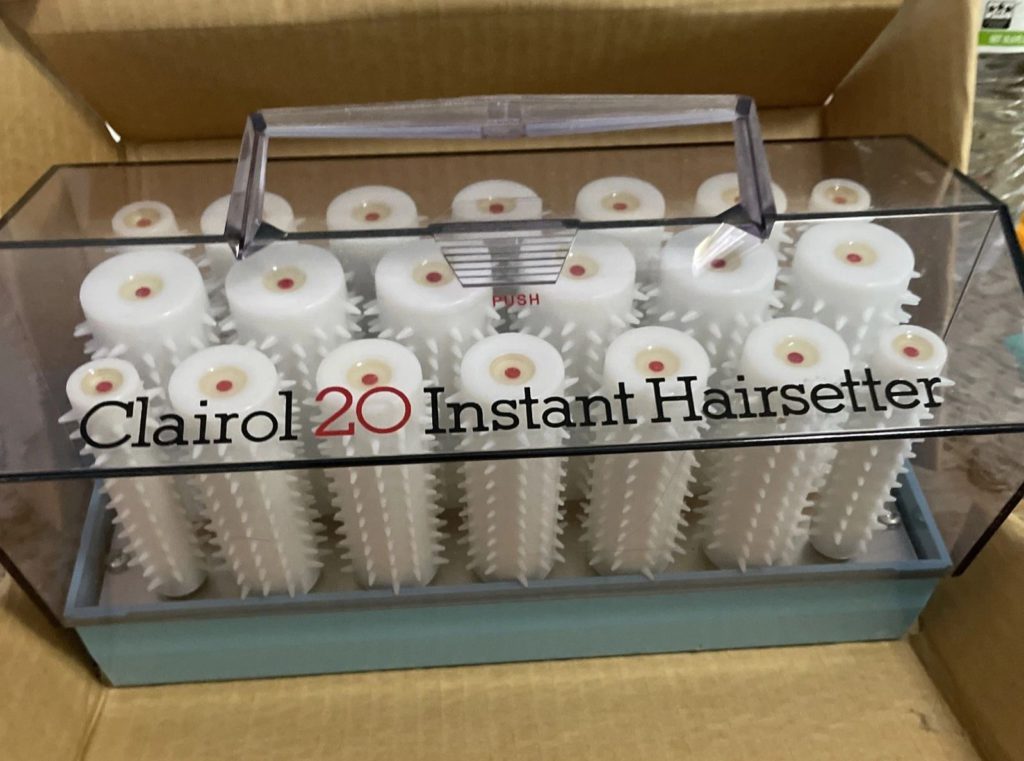
Waiting hours for hair to set plagued styling routines until the Clairol Kindness Instant Hair Setter revolutionized the process with its batch-heating approach. With its velvet-wrapped rollers heating simultaneously, it was the multitasking champion of mid-70s vanities. Each roller’s metal core heated from the inside out—an engineering choice that delivered consistent results.
This wasn’t just another hot tool—it was a complete styling system. For the iconic Farrah flip, you’d strategically deploy large rollers at the crown and medium ones for those face-framing layers. The cool-touch tips meant you could handle the heated rollers without performing the hot-potato dance of pain.
8. Lady Schick Speed Styler: The Celebrity-Endorsed Game-Changer
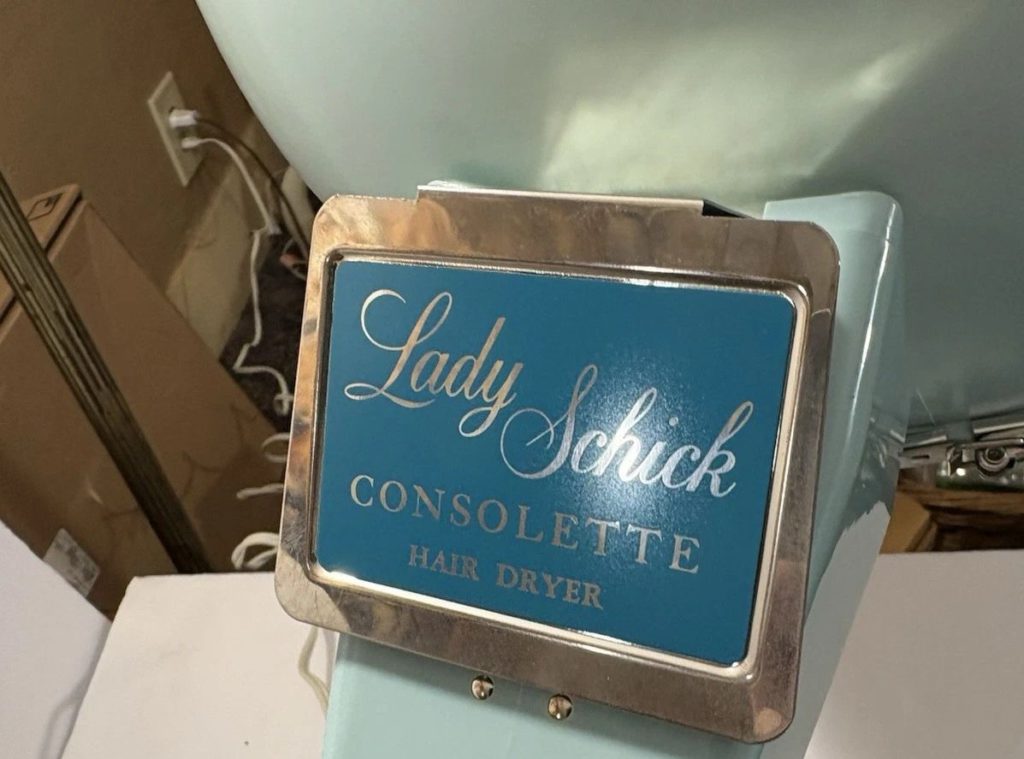
No styling tool defined the 1970s aesthetic quite like the Lady Schick Speed Styler, which earned its legendary status through celebrity endorsement and reliable performance. Just as certain earbuds became status symbols after appearing in music videos, this styler gained fame through Farrah Fawcett’s impossible-to-ignore hair perfection. That distinctive electrical hum became the soundtrack of morning routines across America.
The Speed Styler wasn’t just selling drying power—it was selling a specific, achievable aesthetic. For anyone chasing that characteristic 70s volume, the technique involved flipping your head upside down during initial drying—a move that would look right at home in today’s TikTok tutorials. The device has since entered collector territory, with working models fetching $25-70 depending on condition.
7. Helen Curtis Curl Dry Attachment (1979): The Original Add-On Experience
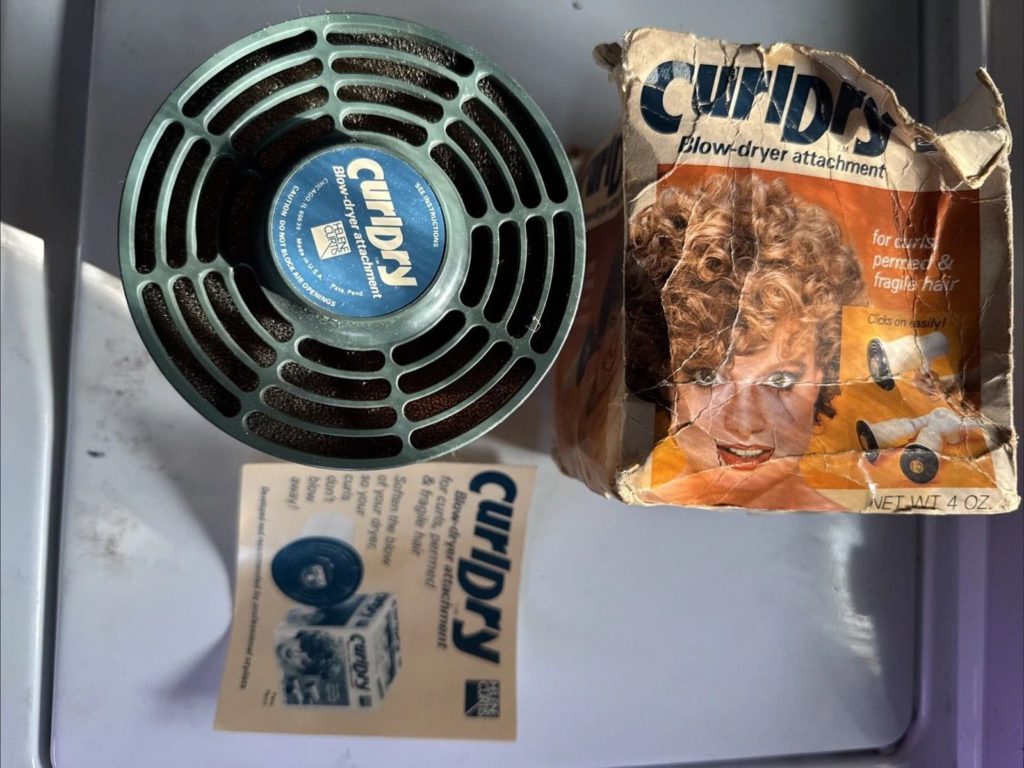
Snap-on compatibility made the Helen Curtis Curl Dry Attachment (1979) a brilliantly economical upgrade that transformed basic blow dryers into specialized styling stations. This clever add-on snapped onto existing blow dryers, instantly upgrading them with roller-like styling capabilities. It transformed a basic tool into a specialized one without requiring a complete equipment overhaul.
This attachment showcases how manufacturers began thinking in ecosystems rather than standalone products. For best results, hair needed to be almost dry before use, with a light setting spray applied first. Its success inspired countless styling accessories that followed the same principle—expanding functionality through affordable add-ons rather than complete replacements.
6. General Electric Go Dryer 1200: The Lifestyle Tech Pioneer
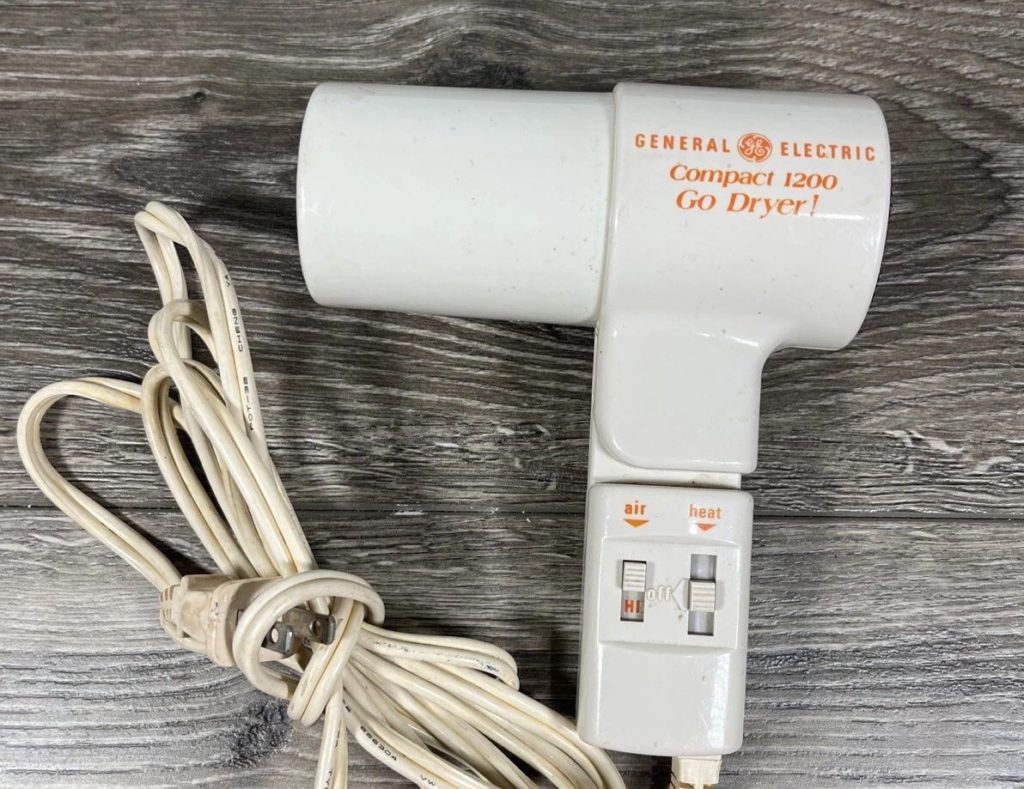
If you were constantly moving in the 1970s, the General Electric Go Dryer 1200 answered your portable styling needs with its protective carrying case and travel-ready design. With its foldable design and hard plastic carrying case (think early laptop protection), this compact powerhouse was engineered specifically for active users. The protective case prevented damage during transport—a feature many modern travel tools mysteriously abandoned.
This dryer represented how tech companies began responding to changing social dynamics. As women’s participation in sports and out-of-home activities increased, their tech needs evolved beyond the bathroom vanity. For maximum volume, users would flip their heads upside down first—a technique that remains unchanged despite decades of technological advancement.
5. Sears 1200 Mist Styler Dryer (1977): The Power User’s Choice
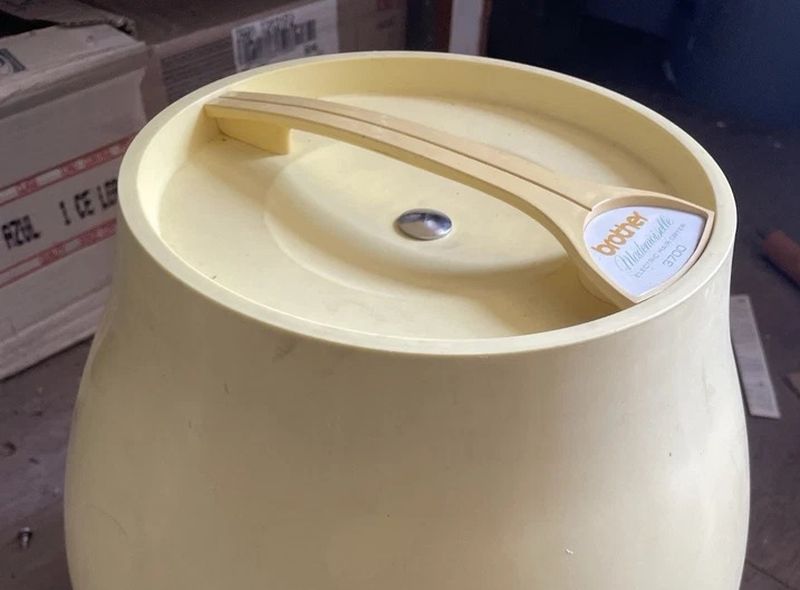
When salon-quality results seemed impossible at home, the Sears 1200 Mist Styler Dryer (1977) delivered professional-grade performance with its powerful 1200W engine and integrated mist function. Its 1200W engine pushed serious airflow, like upgrading from a desk fan to a wind tunnel. The integrated mist function added that extra dimension of control that power users craved.
This wasn’t a tool for casual users—it required technique and practice. Using it incorrectly was like trying to play Elden Ring without learning the controls first—frustrating and potentially disastrous. But master its functions, and suddenly, salon-grade results became possible at home.
4. Sunbeam Mist Stick (1974): The Original Steam Styling
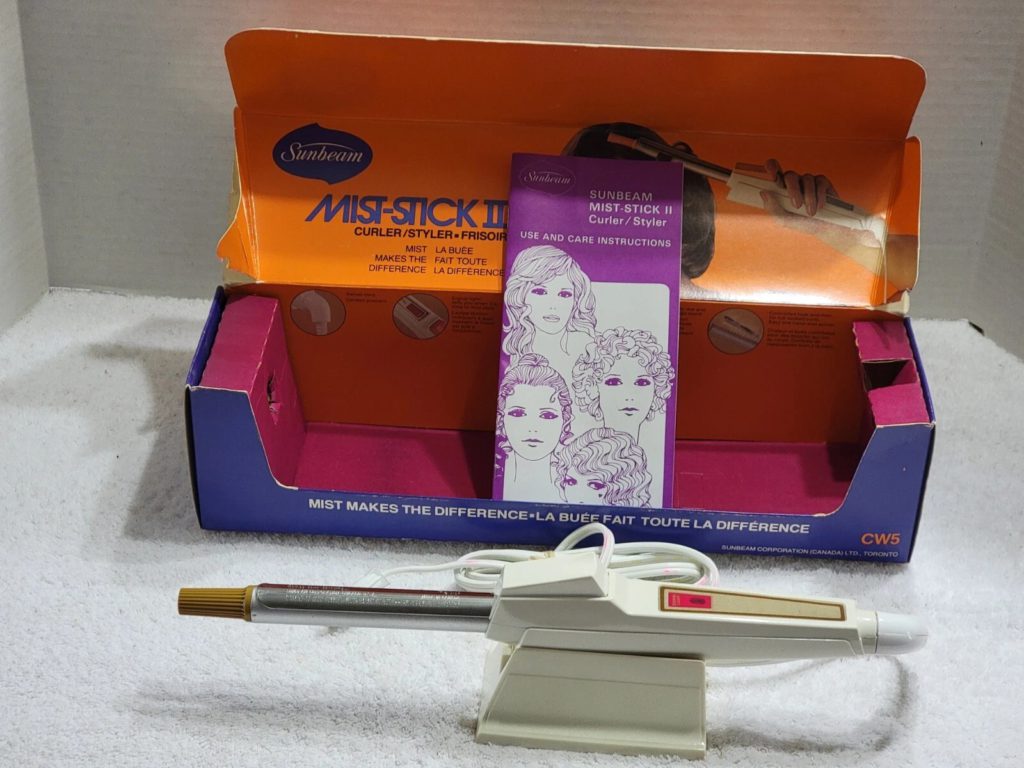
Frizz and uneven curls frustrated home stylists until the Sunbeam Mist Stick (1974) introduced its game-changing built-in misting system that smoothed while styling. This sleek device conquered the seemingly impossible task of smoothing and curling simultaneously. Its killer feature? A built-in misting system that tamed frizz while the heated barrel worked its magic.
For best results, users needed to fill that tiny water chamber and wait for the perfect heat (no digital temperature displays back then, folks). The slim barrel design made it surprisingly maneuverable, like having a precision tool instead of a blunt instrument.
3. Gillette Supermax Hair Dryer Styler (1972): The Swiss Army Knife of Hair
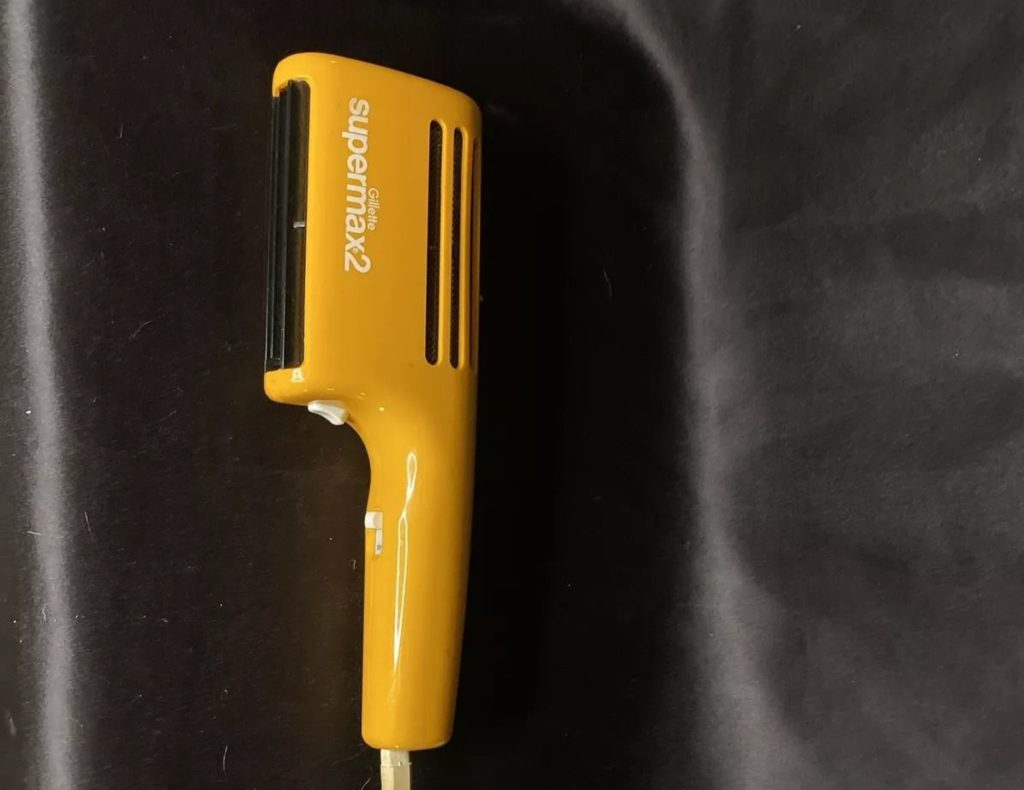
Five interchangeable attachments gave the Gillette Supermax Hair Dryer Styler (1972) unprecedented versatility, functioning as the Swiss Army knife of hair care. This versatile beast promised to handle everything short of making breakfast. With five interchangeable attachments, it transformed from a basic dryer to a precision styler faster than you could say “feathered bangs.”
The engineering brilliance here was the separate handle design, which let users approach styling like a proper two-handed operation. This feature alone puts it in a different league from competitors. Just like how today’s gamers wouldn’t dream of playing with a single Joy-Con, 70s styling enthusiasts knew that two-handed control meant precision results.
2. Braun Round Styler: The Original Workflow Optimizer
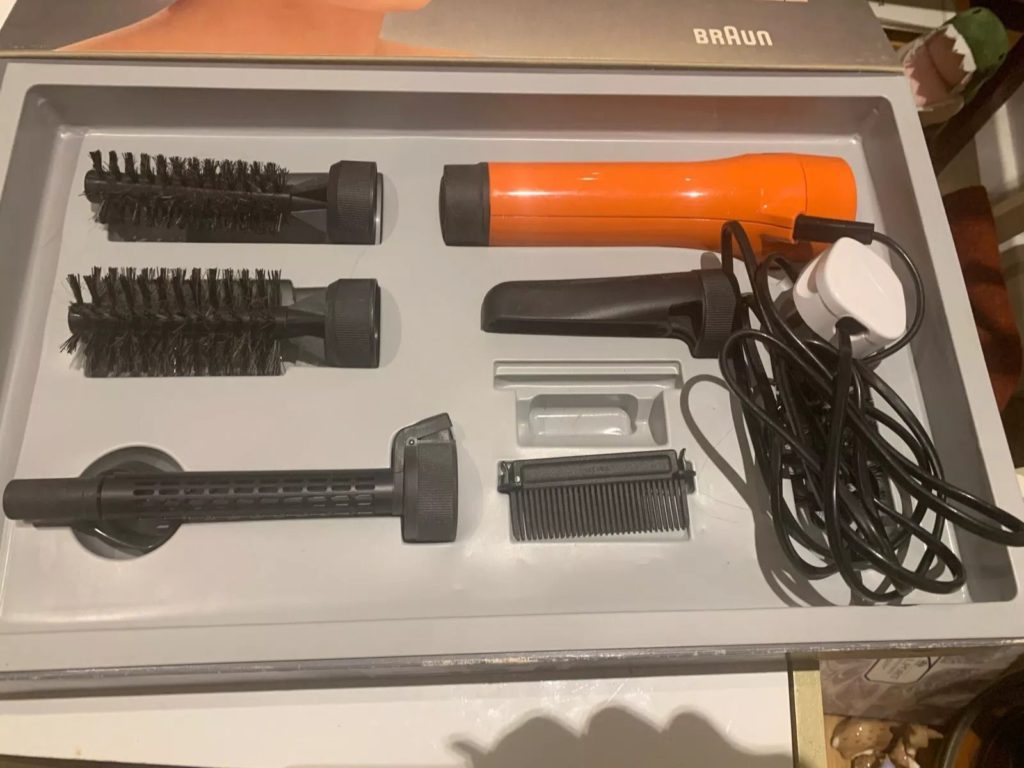
During rushed morning routines, the Braun Round Styler eliminated the frustrating tool-switching dance by combining a round brush with hot air flow in one streamlined device. By combining a round brush with hot air flow, it streamlined the styling process like nothing before. German engineering brought us a device that cut styling sessions in half.
This tool particularly excelled at creating those soft waves and root lifts that defined professional 70s styles. The technique required sectioning hair and working from underneath—a learning curve worth mastering. Like how early smartphones combined cameras, phones, and MP3 players, the Round Styler merged crucial functions into one gadget.
1. Sears Best Super Combo 2 (1977): The Space-Saving Solution
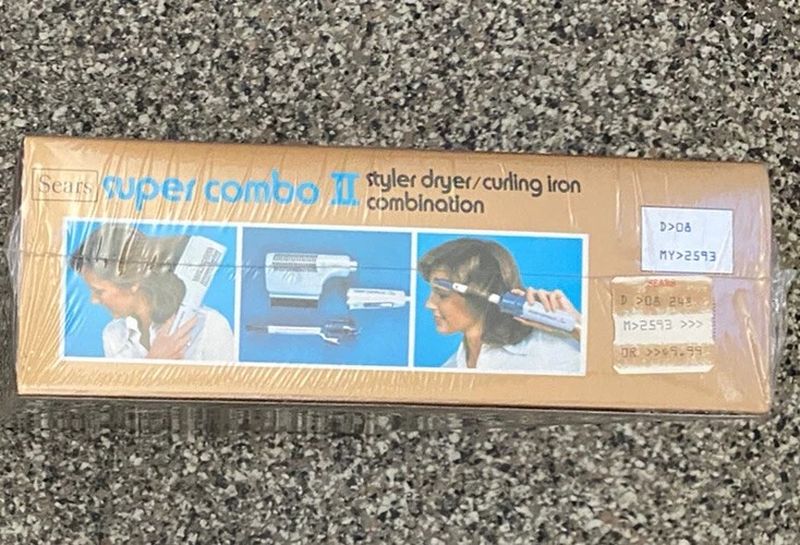
For anyone with limited counter space, the Sears Best Super Combo 2 (1977) offered a dual-function solution that turned cluttered styling stations into organized beauty centers. This dual-function device channeled the same energy as those TV-radio combo units, addressing multiple needs while saving precious space. Its sleek design and distinctive colors made it as much a decor piece as a functional tool.
This exclusive Sears product addressed a pain point many tech users still battle today—too many devices, too little space. Users particularly appreciated its compact footprint in cramped dorm rooms and tiny apartments. The Super Combo 2 pioneered the concept of tech consolidation long before all-in-one printers or multi-cookers became household staples.