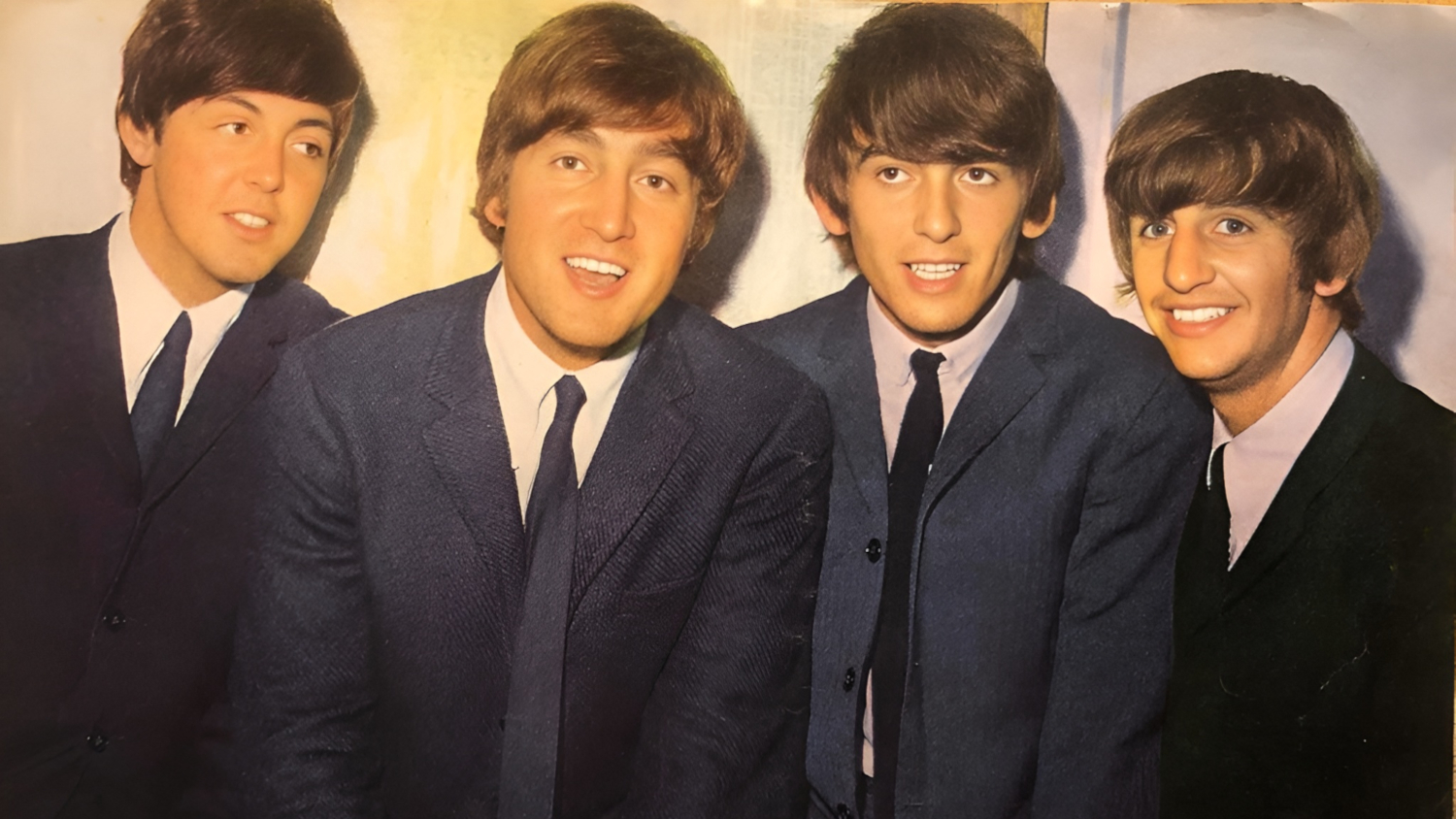



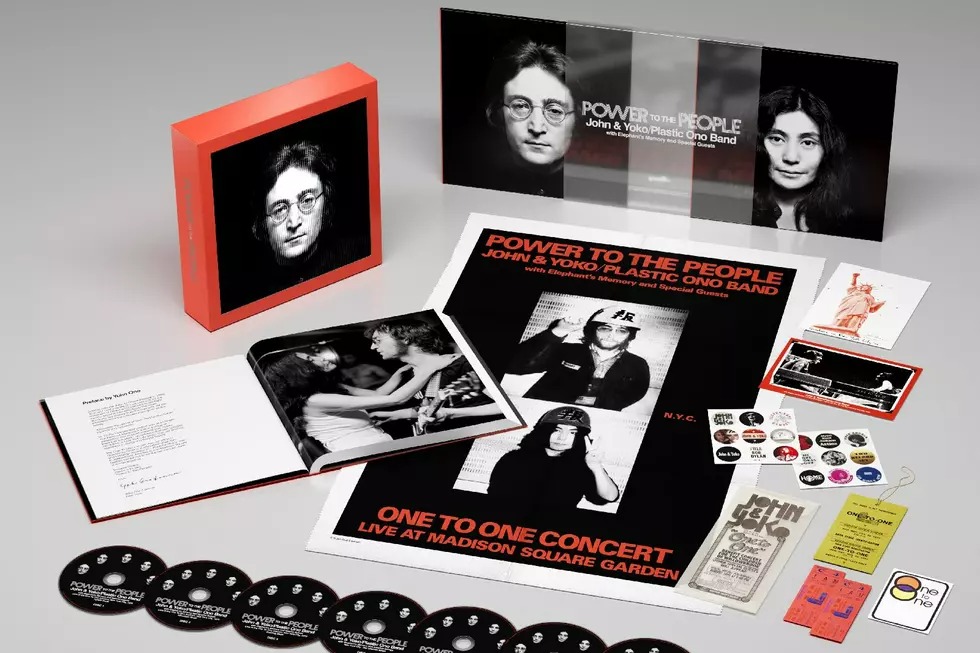
This October brings 123 tracks spanning John Lennon’s most radical period, with 90 previously unreleased recordings. Power to the People (Super Deluxe Edition) drops October 10, 2025—perfectly timed for Lennon’s 85th birthday—capturing his transformation from countryside Beatle to Greenwich Village activist between 1969 and 1972. These St. Regis Hotel demos and Campus Inn sessions reveal what Lennon sounded like when the cameras weren’t rolling. The 12-disc collection feels like archaeological discovery rather than simple nostalgia.
When Rock Stars Became Revolutionaries
Lennon and Ono turned New York City into their protest playground, creating music that doubled as manifestos.
The world’s most famous musician traded Abbey Road for Washington Square Park, collaborating with Frank Zappa at the Fillmore East and rallying crowds for John Sinclair’s freedom. Yoko Ono wasn’t just along for the ride—she was co-pilot in this artistic-activist partnership.
The collection captures:
- Benefit concerts for Attica families
- TV appearances with David Peel
- Sessions with Elephant’s Memory, Lennon’s go-to NYC rock band
These weren’t celebrity charity events but genuine immersion in counterculture movements that defined early ’70s America.
Restoration Meets Revolution
Sean Ono Lennon and restoration experts have given Sometime in New York City the sonic treatment it always deserved.
Sometime in New York City gets completely re-imagined here, with Paul Hicks, Simon Hilton, and Sam Gannon applying restoration techniques to recover buried details from live recordings.
Sean Ono Lennon’s executive production continues the family’s Grammy-winning archival work—Mind Games took home the 2025 Best Boxed Set award. The package includes 31 newly remixed tracks from the One to One Concerts at Madison Square Garden, Lennon’s final full performances post-Beatles. The 204-page hardback book features oral histories from performers and producers, plus replica concert tickets and backstage passes that transport you directly into that activist energy.
Why This Matters Now
Protest music feels urgent again, making Lennon‘s radical period surprisingly contemporary.
These recordings capture an artist using fame as activism fuel—something today’s musicians navigate constantly through social media platforms Lennon never imagined. Home-recorded covers of Buddy Holly and the Everly Brothers reveal his musical DNA, while collaborations with underground artists like David Peel show his commitment to amplifying unheard voices.
Multiple formats serve everyone from casual streamers to vinyl completists, but the real value lies in understanding how protest music evolves. Lennon’s NYC period proves political art doesn’t age—it just waits for the right moment to feel essential again.