


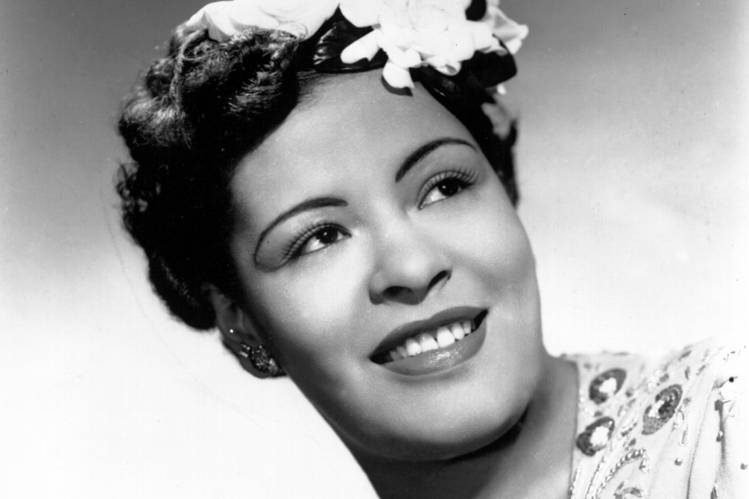
Federal agents ordered Billie Holiday to stop performing “Strange Fruit.” When she refused, they destroyed her life. This wasn’t about fighting drugs—it was about silencing the most powerful protest song America had ever heard.
The Song That Terrified Washington
“Strange Fruit” transformed lynching from whispered horror into public indictment.
Abel Meeropol’s poem about “black bodies swinging in the Southern breeze” became Holiday’s weapon of choice against American racism. When she first performed it at New York’s Café Society in 1939, audiences sat in stunned silence. The song didn’t just describe lynching—it forced white America to confront the blood on their hands.
Harry Anslinger, head of the Federal Bureau of Narcotics, considered jazz performed by Black artists inherently dangerous. But “Strange Fruit” crossed a line. It named the violence, shamed the perpetrators, and gave Holiday a platform that threatened the entire system of white supremacy.
The Systematic Destruction Campaign
Government agents used every tool available to silence Holiday’s voice.
When Holiday ignored Anslinger’s order, the machinery of federal power turned against her. Agent Jimmy Fletcher, a Black narcotics officer, was sent to surveil and entrap her. Her own husband, Louis McKay, collaborated with authorities to set her up for arrest.
After her 1947 trial landed her in federal prison for a year, the real punishment began. Authorities revoked her cabaret card—the permit required to perform in New York venues serving alcohol. In one stroke, they eliminated her ability to work in jazz clubs, the lifeblood of any jazz career.
The harassment never stopped. Even as Holiday lay dying in a hospital bed in 1959, ravaged by cirrhosis, narcotics agents raided her room, handcuffed her to the bed, and restricted her visitors. They harassed a dying woman to maintain their campaign of intimidation.
Meanwhile, white celebrities like Judy Garland received sympathy and treatment for identical struggles with addiction. The message was clear: step out of line, and the full weight of federal power would crush you.
Despite every attempt to silence her, Holiday kept performing “Strange Fruit.” Each performance became an act of defiance, a refusal to let government agents dictate what art could exist in America. The song survived because she refused to surrender it, transforming her persecution into martyrdom for artistic freedom.
Today, when protest songs still trigger government surveillance and social media companies quietly suppress dissent, Holiday’s resistance feels prophetic. She proved that the most dangerous thing an artist can do is tell the truth.