



Anyone who’s ever battled muddy mixes knows the “good guitar tone is 90% in the fingers” cliché is total BS. Pro guitar mixes punch hard thanks to techniques that sculpt frequencies, create space, and glue everything together—transforming raw tracks into weapons-grade riffs. These aren’t random plugin moves; they’re time-tested traditions, refined over decades in studios from Abbey Road to bedroom setups. The best part? You can steal them all without dropping thousands on vintage gear.
7. High-Pass Filtering
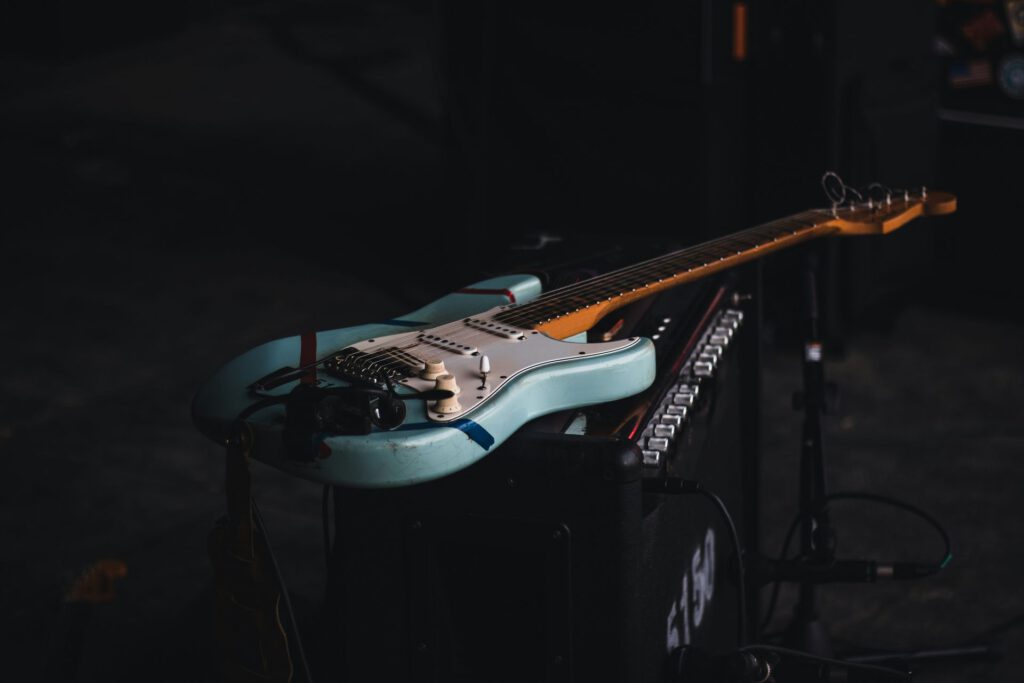
This surgical technique carves sonic space like Marie Kondo for your mix.
Many pro guitar mixes deploy high-pass filtering to surgically remove low-end rumble below 80-200 Hz. If guitars and bass are fighting like drunken cats in a burlap sack, a high-pass filter can be a game-changer.
It carves out sonic space, preventing clashes between the bass guitar, kick drum, and low guitar frequencies. Getting rid of the stuff you don’t need creates clarity, punch, and overall mix quality.
6. Character Frequencies Boosting

The 2-6 kHz range is where the guitar’s soul screams out—or whimpers if you screw it up.
The character frequencies, specifically in the 2-6 kHz range, are where guitars cut through like a hotshot guitarist elbowing their way to the front of the stage. Rather than letting your axe drown in the mix, surgical EQ can carve out a sonic space.
Boosting these frequencies is like adding hot sauce to a bland dish; too little, and you’re left wanting; too much, and you’ve ruined the meal. Aim to enhance that unique tonal peak, so your guitar commands attention without obliterating everything else.
5. Double-Tracking and Wide Panning
Double-tracking creates a stereo wall of sound so wide it’ll make your head spin.
Double-tracking rhythm guitars, slammed hard left and right in the mix, creates a stereo wall of sound that fills out the stereo image like a perfectly executed heist movie. The trick lies in varied tones: different amps, pickups, or settings for each track.
This builds separation and width without stepping on the vocals or drums. Instead of one guitar, you get two distinct personalities duking it out in your headphones, achieving guitar grandeur that’ll make listeners reach for their air guitars.
4. Subtle Effects (Stereo Delay, Mono Reverb, Light Modulation)

It’s like seasoning a dish perfectly—just enough wakes up the whole damn thing.
Guitar tracks sometimes land like a wet blanket—lifeless and flat. The fix isn’t always cranking the gain; try adding subtle dimensions with effects. Start with a stereo delay set to 100ms with a single repeat to widen the soundstage.
Next, pan a mono reverb signal opposite the dry guitar track. A touch of chorus or flanger offers light modulation to thicken the tone without overwhelming the mix.
3. Compression

A 3:1 ratio evens things like squeezing lemons for lemonade.
Compression in guitar mixing adds sustain and snap by evening out a guitarist’s wildly inconsistent volume levels. Apply it post-EQ, using a slow attack for initial note impact, and a fast release to keep the sound breathing.
Multi-band compression is your secret weapon against digital harshness, surgically controlling highs and lows. This technique allows you to precisely sculpt your guitar’s dynamics, ensuring every note sits perfectly in the mix without unwanted spikes or muddy frequencies.
2. Low-Pass Filtering

This technique cuts the angry bee swarm, pushing rhythm guitars back so leads can shine.
Low-pass filtering cuts frequencies above 6-10 kHz, preventing harsh digital distortion from cheap amp sims. This pushes rhythm guitars back in the mix instead of battling for center stage like a drunken brawl.
The result? Rhythm guitars sit pretty in the mix while leads can actually shine through the sonic chaos.
1. Balance Guitars First in Context

Building the mix from the ground up prevents the muddy mess that buries most home recordings.
Start by getting the relative levels right instead of soloing the guitar tracks. Build the mix from the ground up, aiming for an average level of around -18dB on your guitar tracks.
Then, dial in some saturation for extra warmth. For a truly pumping sound, try side-chain ducking the guitars to the vocals or kick drum. This technique carves out space, ensuring every riff hits as hard as a perfectly timed Rickroll.