



Before fuel crises and safety regulations rewrote the rulebook, 1972 represented the last gasp of affordable automotive freedom. Automakers competed fiercely for the budget-conscious buyer, offering stripped-down machines that prioritized function over flash. These cars were the vinyl records of transportation — basic, honest, and built to last through countless spins. Your ticket to independence came with vinyl seats and AM radios as optional upgrades. These seven models proved you didn’t need deep pockets to escape the bus stop forever.
7. AMC Gremlin (Exterior)
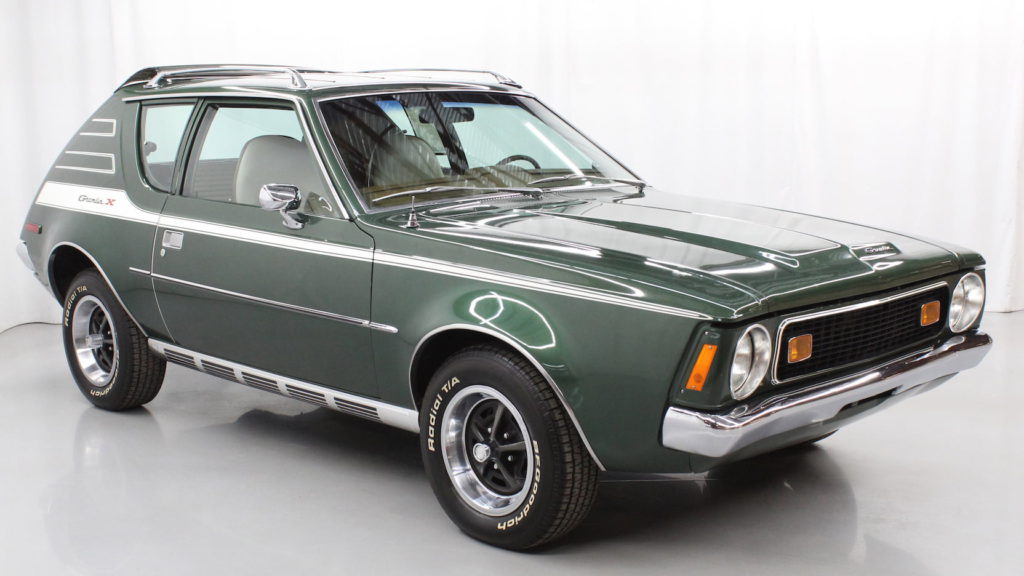
AMC’s Gremlin looked like someone hit pause mid-design, but that truncated charm became its signature move. Starting at $2,265, it shocked buyers with bold styling that divided opinions faster than a controversial album drop. Built on a shortened Hornet platform, it packed the same 232 cubic inch six-cylinder making 100 horsepower.
AMC Gremlin (Interior)
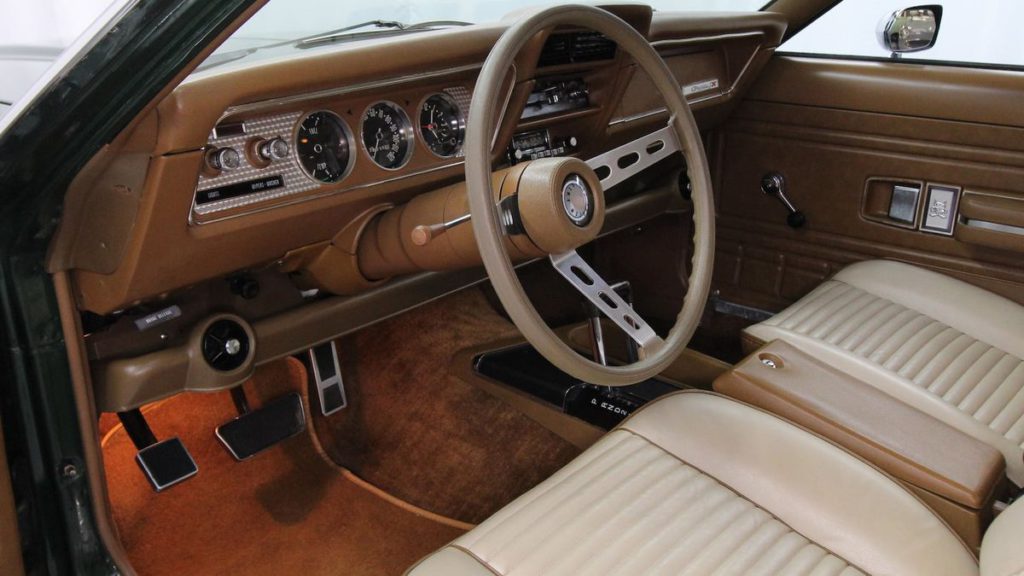
This subcompact proved that distinctive design didn’t require premium pricing. The Gremlin’s unique proportions attracted attention whether you wanted it or not. Its design legacy endures as automotive proof that sometimes the weirdest experiments become the most memorable hits.
6. Ford Maverick (Exterior)
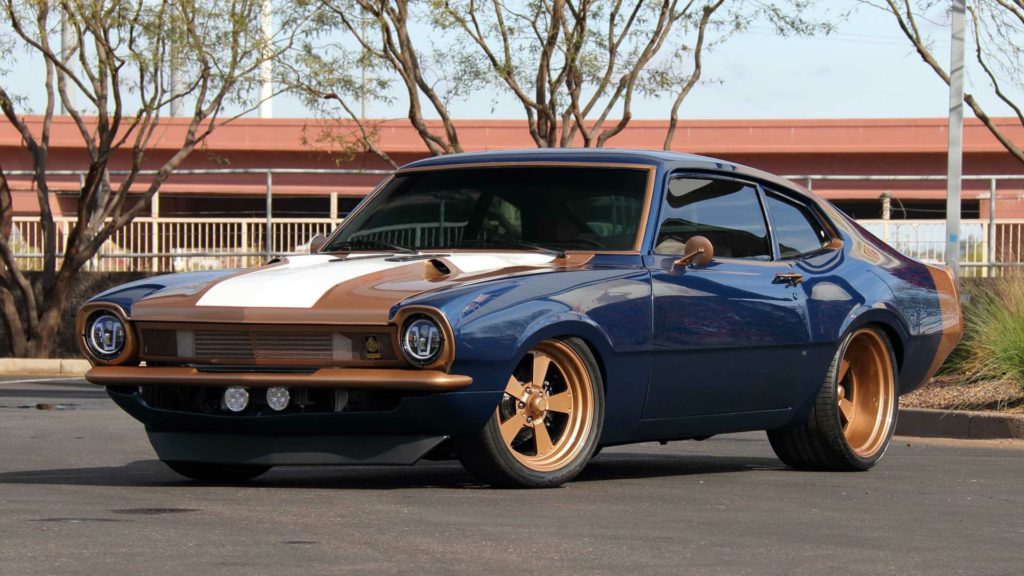
Named after unbranded range animals, the Maverick embodied freedom at $2,396. Its 170 cubic inch six-cylinder made 82 horsepower — adequate power for daily driving. Ford positioned this compact as dependable basic transportation for budget-conscious buyers.
Ford Maverick (Interior)
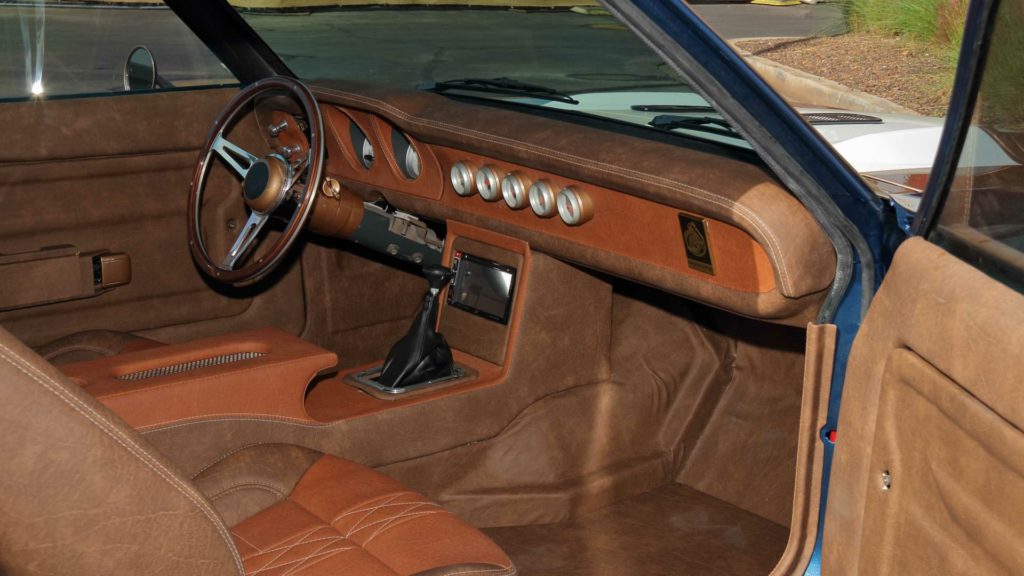
The Ford Maverick’s simple design prioritized reliability over refinement. Later four-door versions expanded appeal, but the original two-door captured hearts with its straightforward approach to affordable motoring. Most buyers in this segment prioritized dependable transportation over luxury features.
5. Plymouth Valiant Duster (Exterior)
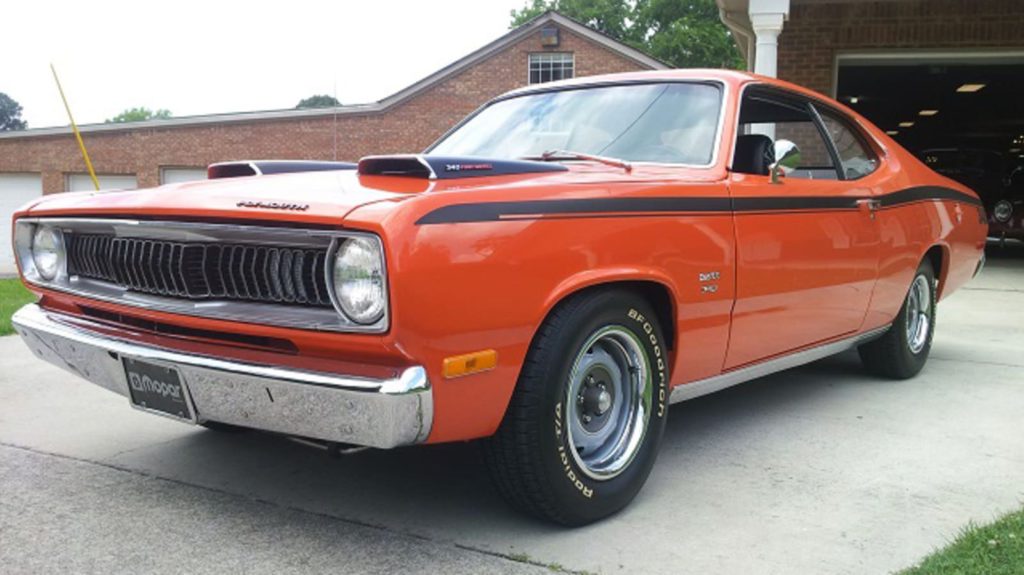
The Duster brought sporty style to the budget segment at $2,260. Its fastback coupe design set it apart from boxy competitors, appealing to younger buyers who wanted flair without financial strain. Plymouth positioned this as affordable excitement.
Plymouth Valiant Duster (Interior)
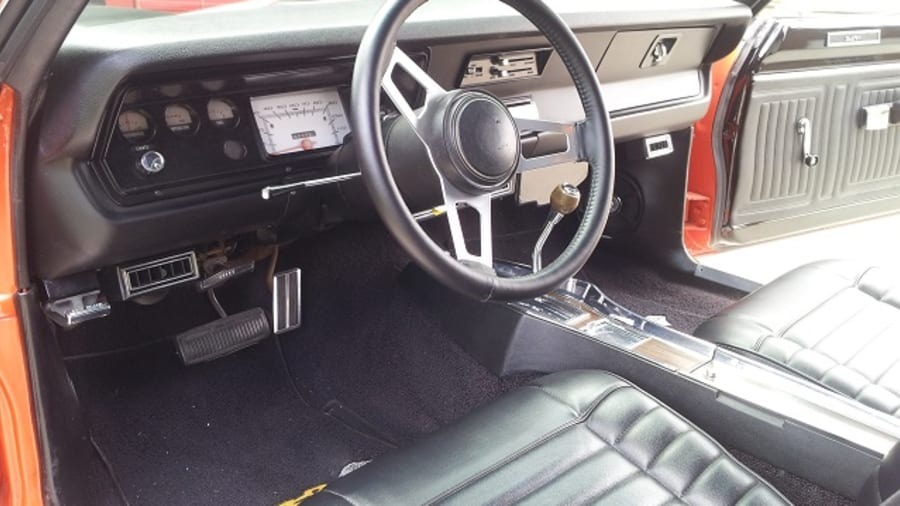
Built on the proven Valiant platform, the Duster offered the famous Slant Six engine for durability. Adding an automatic transmission cost $178, while an AM radio ran $60 extra. The combination of sporty looks and reasonable pricing made it a showroom favorite.
4. Chevrolet Vega (Exterior)
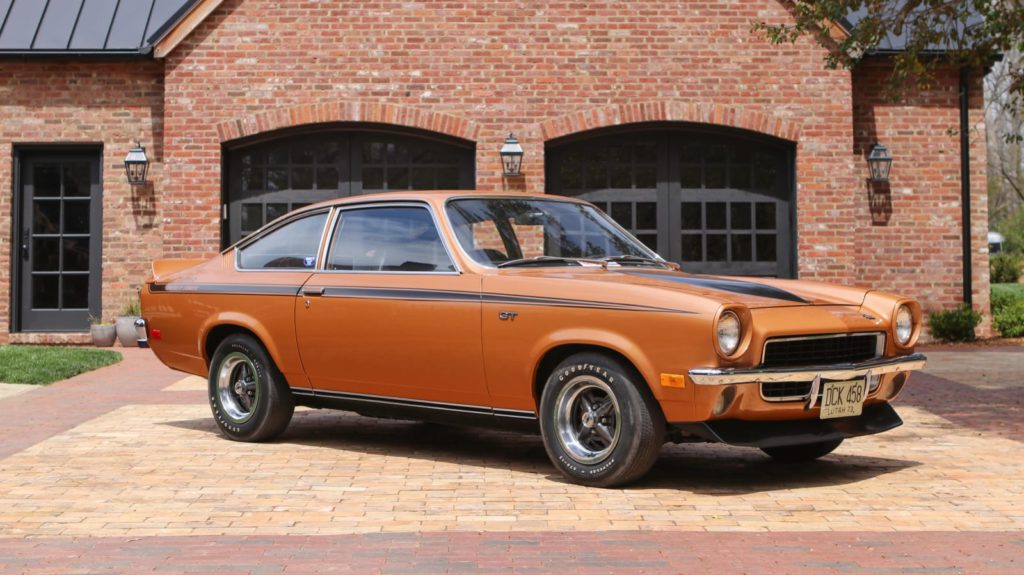
Motor Trend’s 1971 Car of the Year started at $2,283 in 1972. The Vega featured an innovative aluminum alloy cylinder block and 140 cubic inch four-cylinder producing 90 horsepower. Chevrolet engineered this subcompact to compete directly with imports.
Chevrolet Vega (Interior)
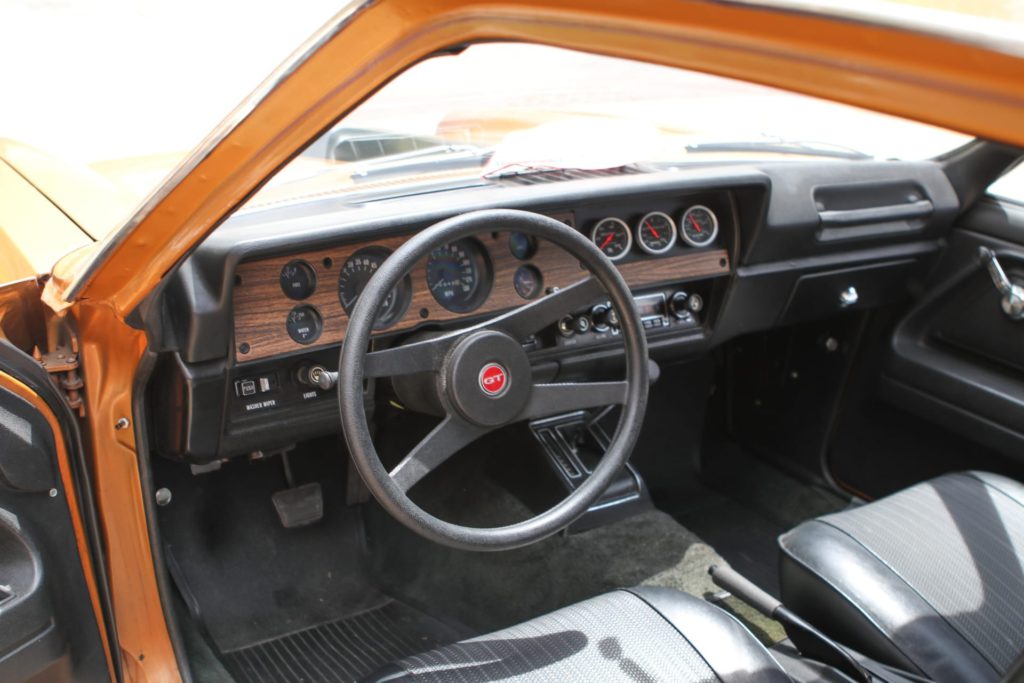
Initial praise for the Vega’s handling and efficiency later gave way to reliability concerns. Engine problems and rust issues tarnished its reputation, making it a cautionary tale about ambitious engineering meeting real-world challenges.
3. AMC Hornet (Exterior)
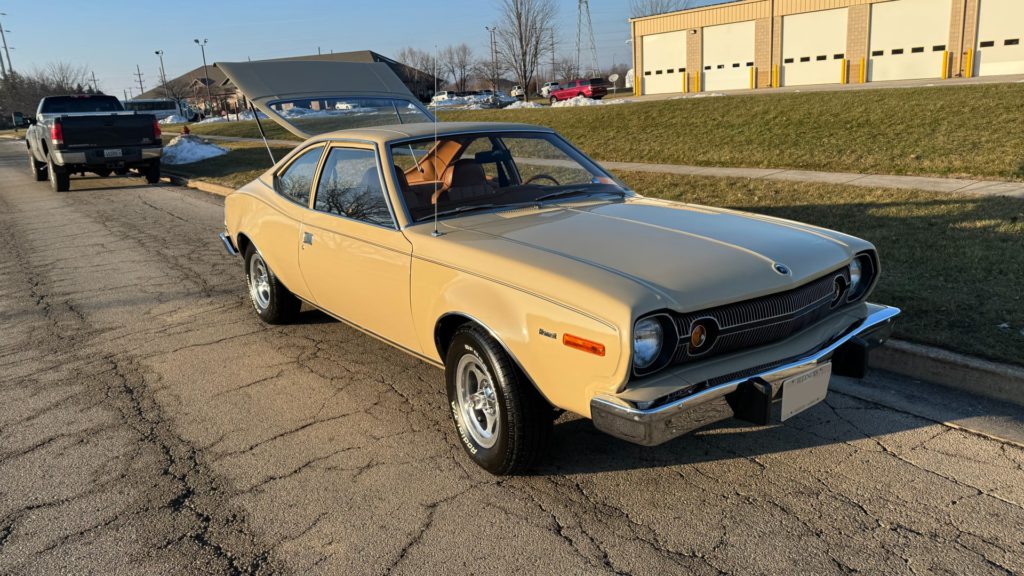
AMC’s Hornet delivered surprising value at $2,177 for the two-door model. Its 232 cubic inch six-cylinder generated 100 horsepower — more grunt than most competitors offered. The Hornet proved that smaller automakers could compete on both price and performance.
AMC Hornet (Interior)
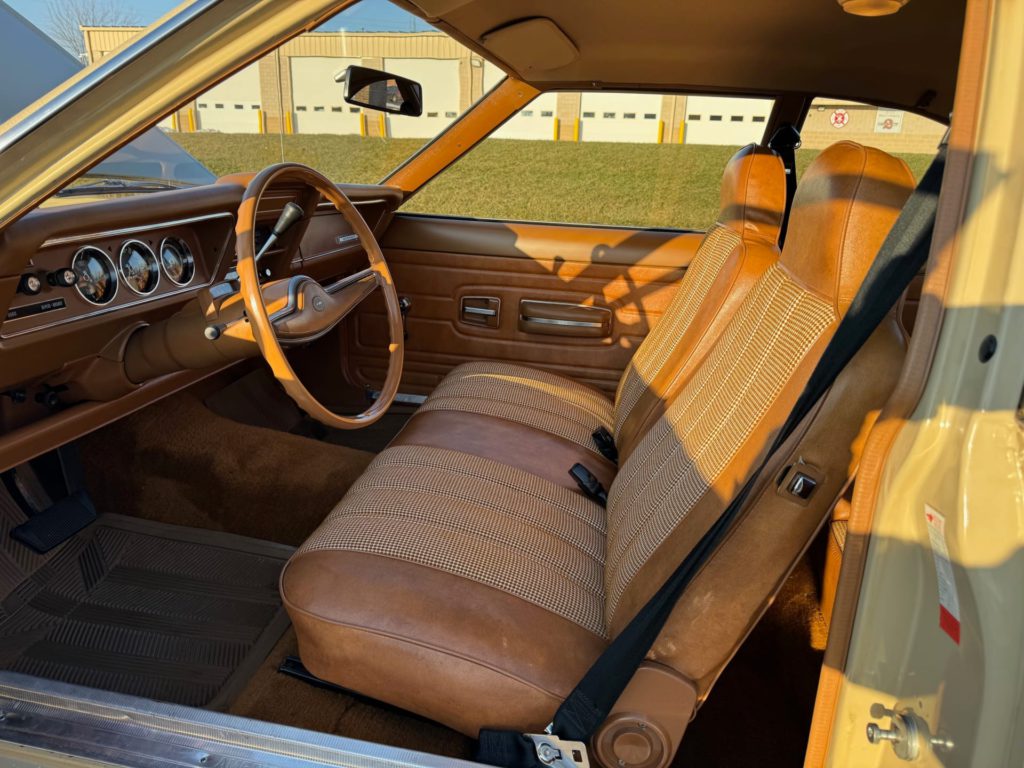
Built on a versatile platform that spawned multiple variants, the Hornet offered room for families without breaking budgets. Adding an automatic transmission cost around $200, but the base manual provided reliable transportation that outlasted many pricier alternatives.
2. Mercury Comet (Exterior)
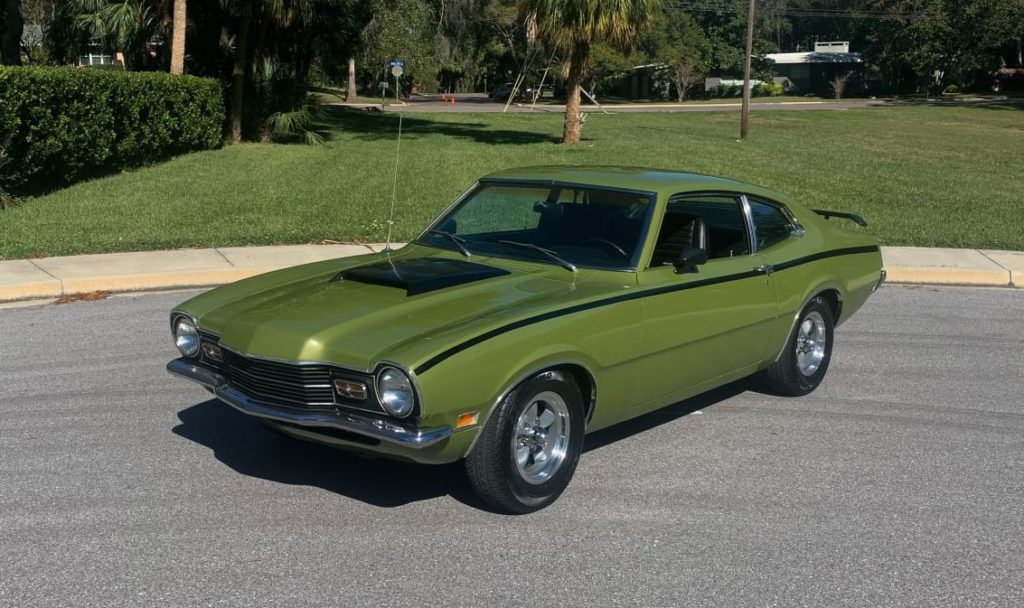
Mercury’s Comet shared Maverick sheet metal but aimed slightly upmarket at $2,432. Its 170 cubic inch six-cylinder made 82 horsepower, identical to its Ford cousin. Mercury positioned the Comet as affordable sophistication for discerning buyers who wanted more than basic transportation.
Mercury Comet (Interior)
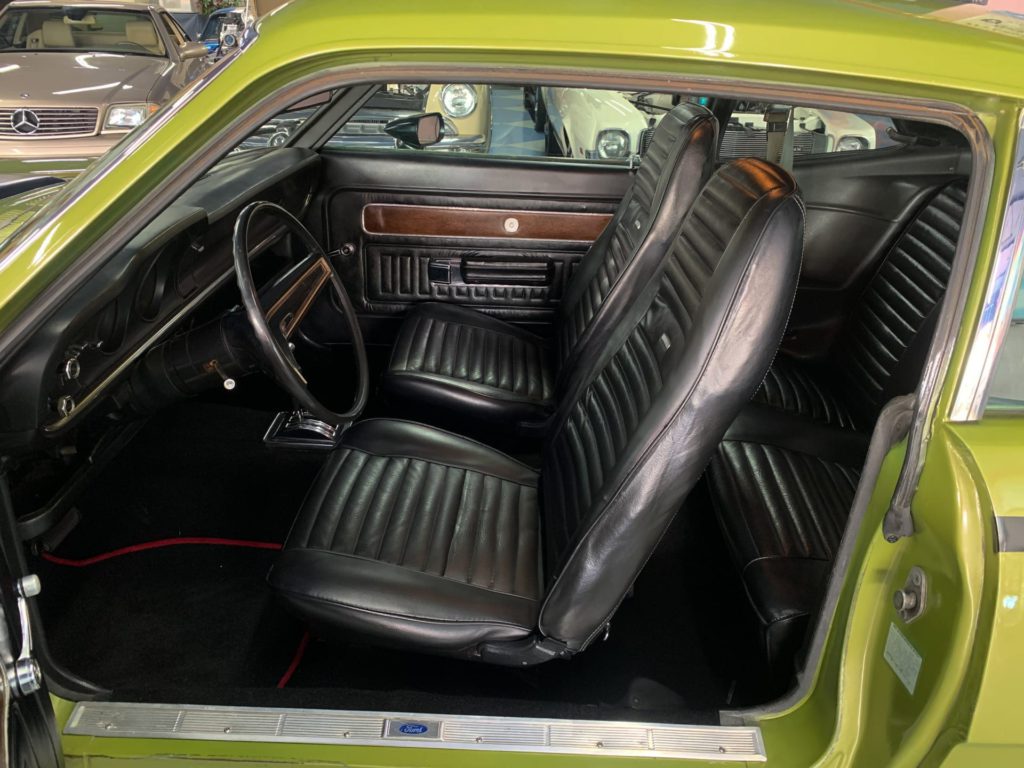
The Comet offered subtle upgrades over the Maverick — better trim, slightly refined styling, and a touch more luxury. For buyers seeking value with a hint of prestige, the Comet represented the sweet spot between economy and elegance. In an era when basic cars cost less than decent guitar amps today, these budget champions proved freedom didn’t require trust funds.
1. Ford Pinto (Exterior)
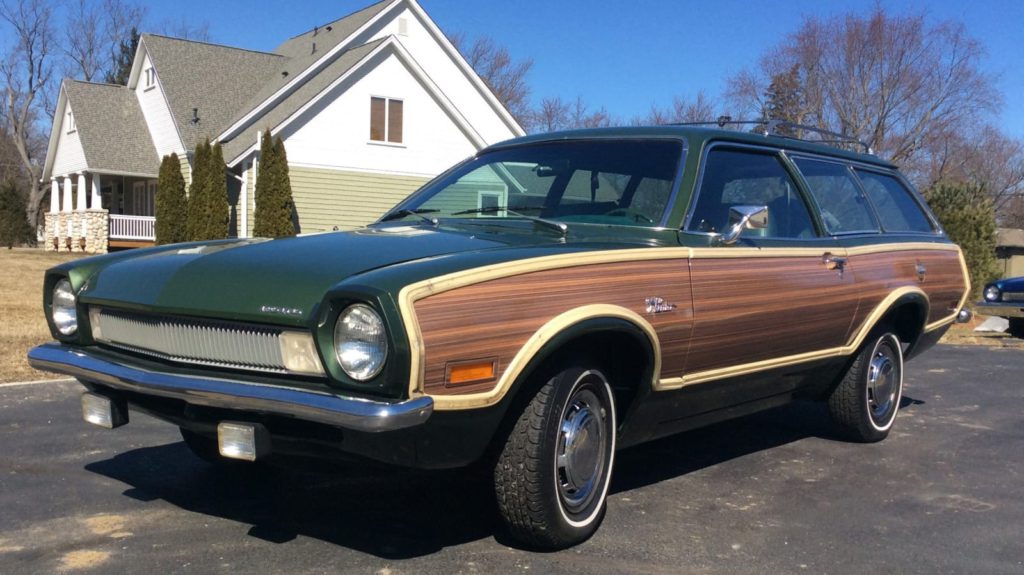
The Pinto became Ford’s answer to the import invasion, starting at just $2,161. Its 122 cubic inch four-cylinder pushed out 86 horsepower — enough to merge onto highways without embarrassment. Ford sold nearly half a million in 1972 alone, proving Americans craved affordable transportation.
Ford Pinto (Interior)
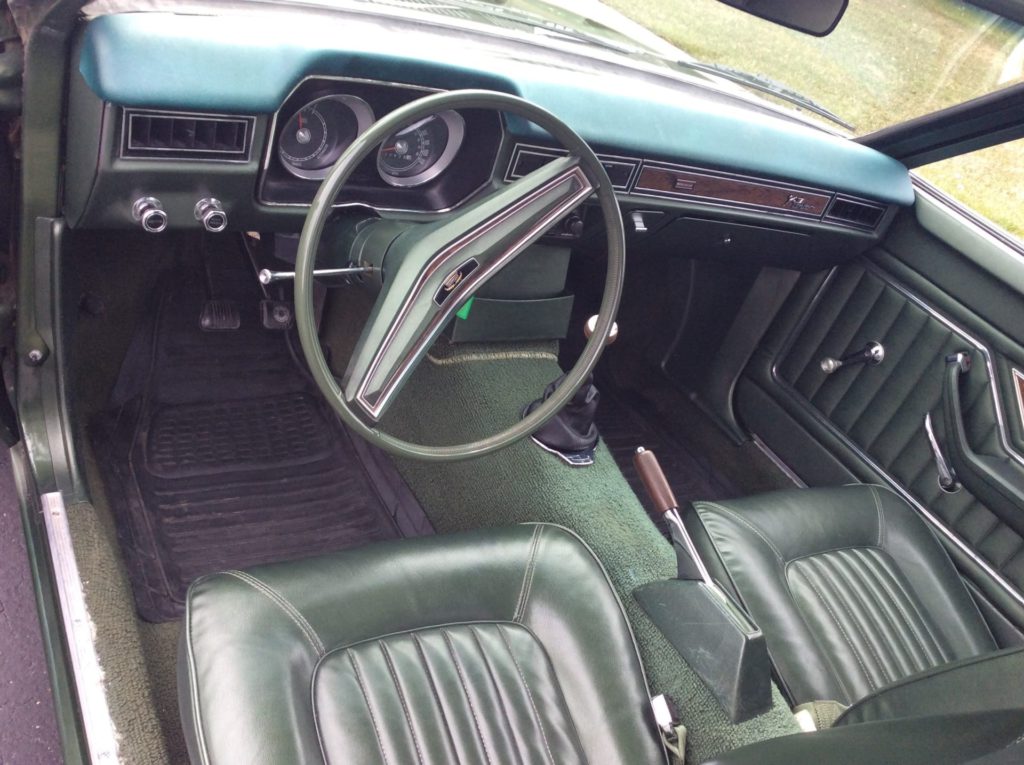
The Pinto offered three body styles: sedan, hatchback, and wagon. That February debut of the station wagon marked Ford’s first two-door wagon since 1965. Despite later controversies, the Pinto represented honest transportation for the masses.