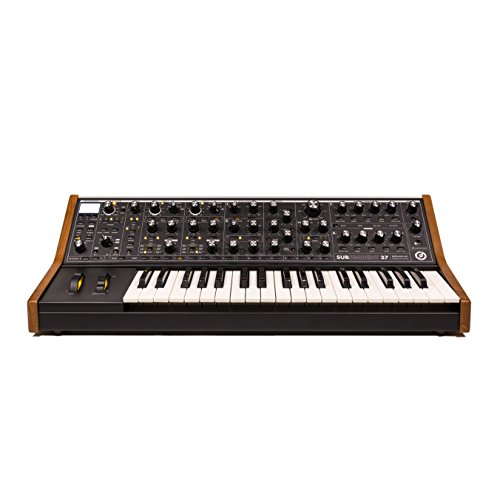




The conventional keyboard uses a repeating pattern of white natural keys and raised black sharp/flat keys. Groups of two and three black keys provide tactile landmarks and correspond closely with traditional seven-letter Western notation. Its nonuniform geometry means scales, chords, and fingerings change across different tonalities, but its widespread standardization supports established teaching, repertoire, manufacturing, repair, and performance practices. Visionaries have challenged this design, creating alternative keyboards meant to simplify music theory and performance. The radical redesigns that aimed to liberate fingers left us wondering why some brilliant ideas fade like a forgotten viral dance challenge.
1. Traditional Piano Keyboard

The layout everyone learns remains the industry standard despite its quirks.
The traditional keyboard dominates music education worldwide, a familiar landscape of repeating white and black keys. These key groups act as tactile landmarks, guiding hands across the span like braille for the musically inclined. Its deep connection to traditional Western notation, particularly seven-note diatonic scales, underpins a global ecosystem of teaching, repertoire, and manufacturing.
This standardization ensures that a complex Chopin etude played by a virtuoso feels universally understood. Yet this same standardization presents challenges. The nonuniform geometry demands varied fingerings for every key transposition, a genuine puzzle for developing players. The traditional piano’s persistence resembles an old friend who never changes; widespread adoption proves more about inertia than inherent superiority when more logical layouts exist.
2. Paul von Jankó
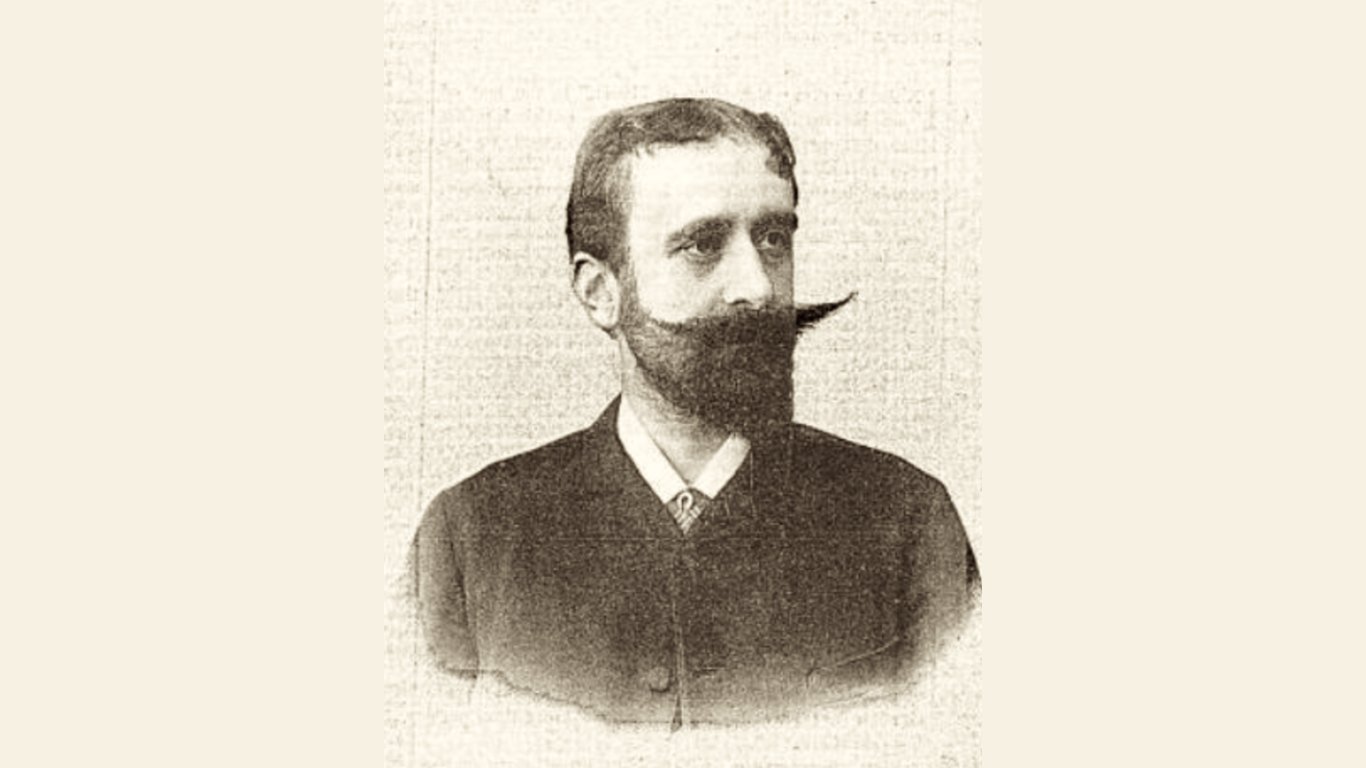
A Hungarian polymath introduced a revolutionary piano keyboard in 1882.
Paul von Jankó was a Hungarian pianist, engineer, and mathematician who introduced his alternative piano keyboard in 1882. Driven by consistent fingerings, his design tackled the traditional keyboard’s awkward hand stretches and varied patterns. He secured German patents in 1884 and 1885, addressing a problem musicians faced.
By 1886, Jankó publicly demonstrated his six-row, staggered design, featuring roughly 264 key surfaces on an 88-note piano. He envisioned a new musical geometry where every chord and scale felt identical. Though his invention never caught on, Jankó’s impact on instrument innovation persists. His conviction in the face of overwhelming industry resistance deserves recognition.
3. Jankó Keyboard
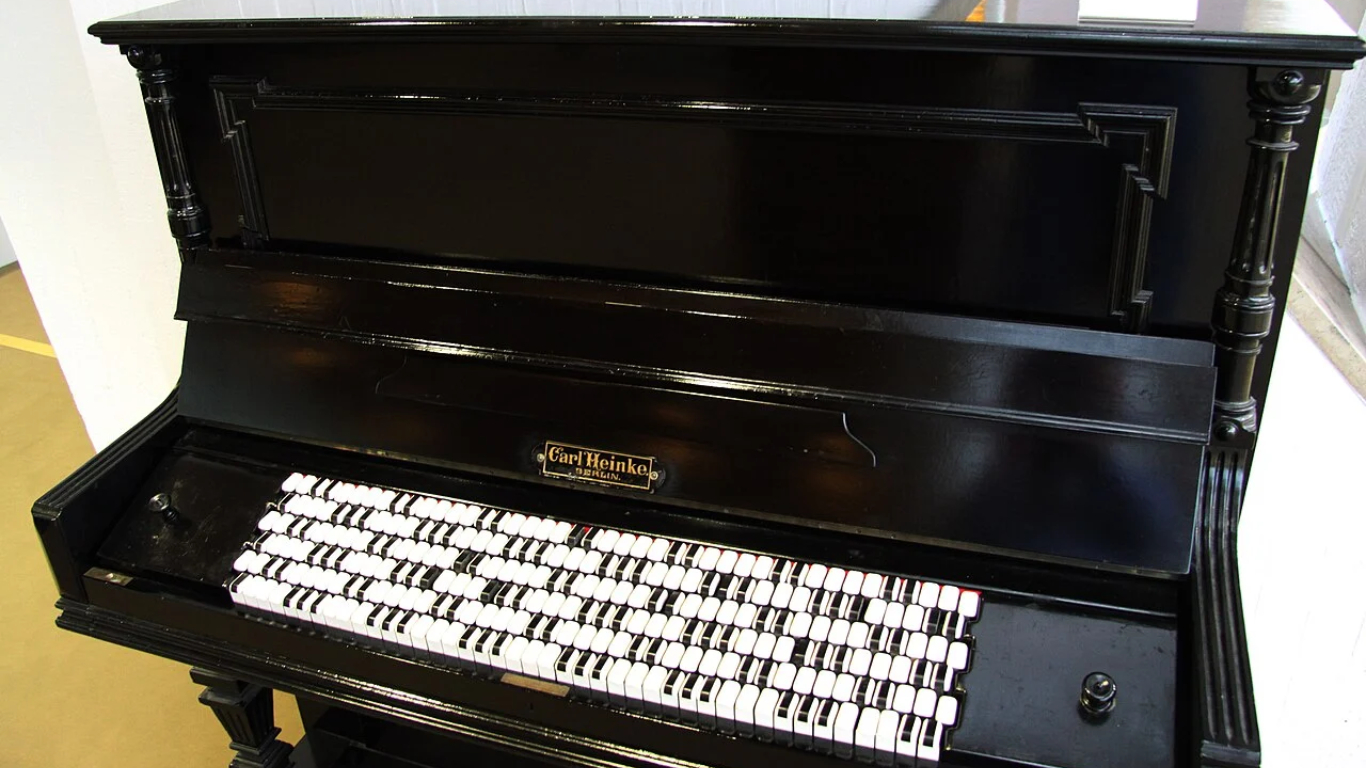
This six-row layout promised ergonomic advantages but faced mechanical obstacles.
The Jankó keyboard, introduced in 1882 by Paul von Jankó, offered radical logical consistency unparalleled by its predecessor, promising a musical revolution that never quite landed. Its six-row, staggered layout provided three vertically aligned key surfaces for each pitch. This isomorphic design made broad intervals, like a tenth, more accessible for certain hand positions.
An 88-note version potentially held 264 key surfaces, creating formidable mechanical complexities. Multiple key surfaces connected to the same underlying piano mechanism complicated action design. Different rows could create variations in leverage, pivot distance, or perceived touch weight unless carefully engineered.
The layout simplified musical geometry while making the piano action more complex. Its relationship with traditional Western notation presented adaptation challenges; pianists trained on conventional keyboards had to develop a new relationship between notation, fingering, and tactile position. The established piano ecosystem, with its teachers and repertoire, proved too deeply ingrained.
4. Isomorphic Keyboard Layout
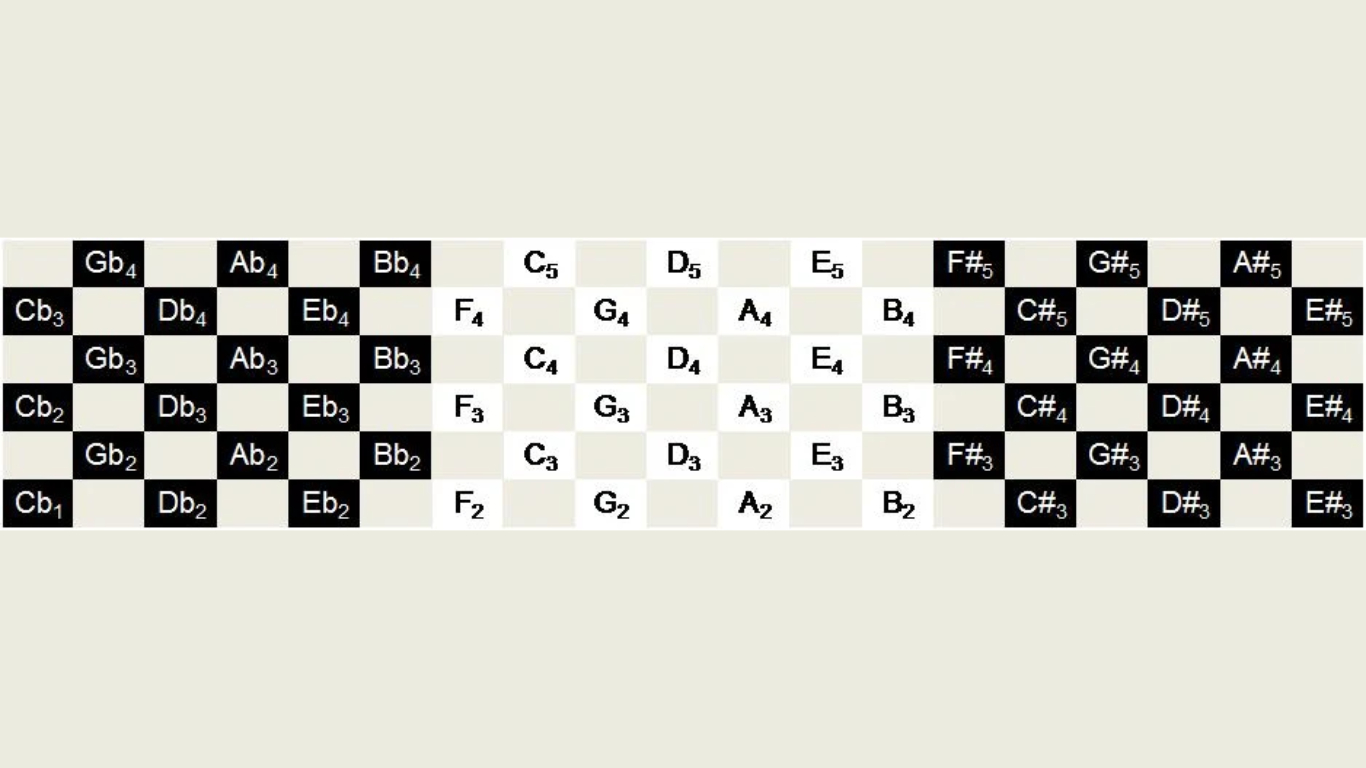
Musical intervals maintain identical physical patterns in every key.
An isomorphic keyboard layout offers a consistent approach: every scale, chord, and interval maintains the same physical shape regardless of the key. This fundamentally alters physical interaction with music, creating predictable tactile experiences. The Jankó layout achieves this through multiple staggered rows, presenting around 264 key surfaces for an 88-note range.
The design reduces the need to learn multiple finger patterns, consolidating different muscle memories into repeating geometric relationships. Transposing a complex phrase becomes more systematic. This geometric predictability transforms chord recognition and scale fingering into consistent processes.
The compact design intended to make tenths and other broad intervals more accessible than on a traditional keyboard, which often strains the hand. Musical theory’s multiple dialects get translated into a more uniform physical language, making complex concepts feel more intuitive for some players.
5. Decker Brothers Jankó Piano
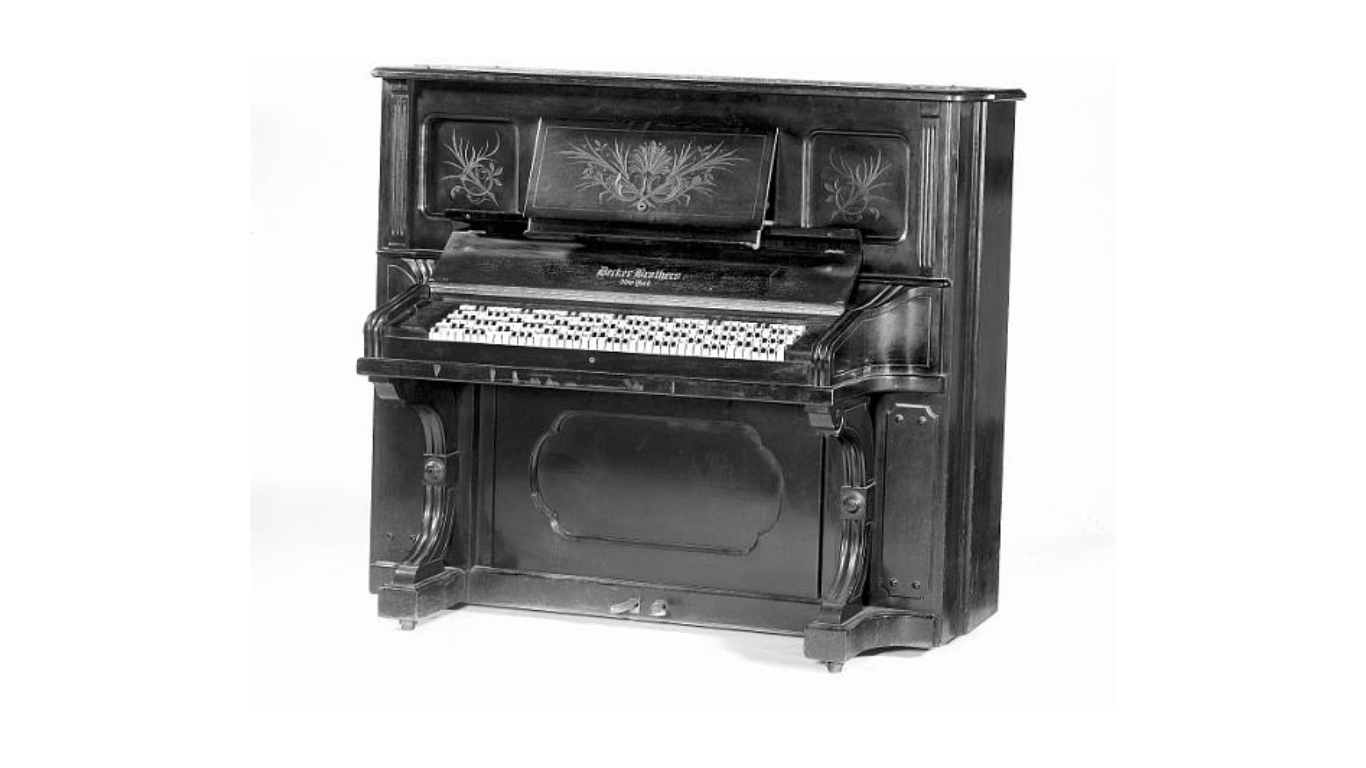
New York manufacturers briefly produced pianos with the radical layout around 1890.
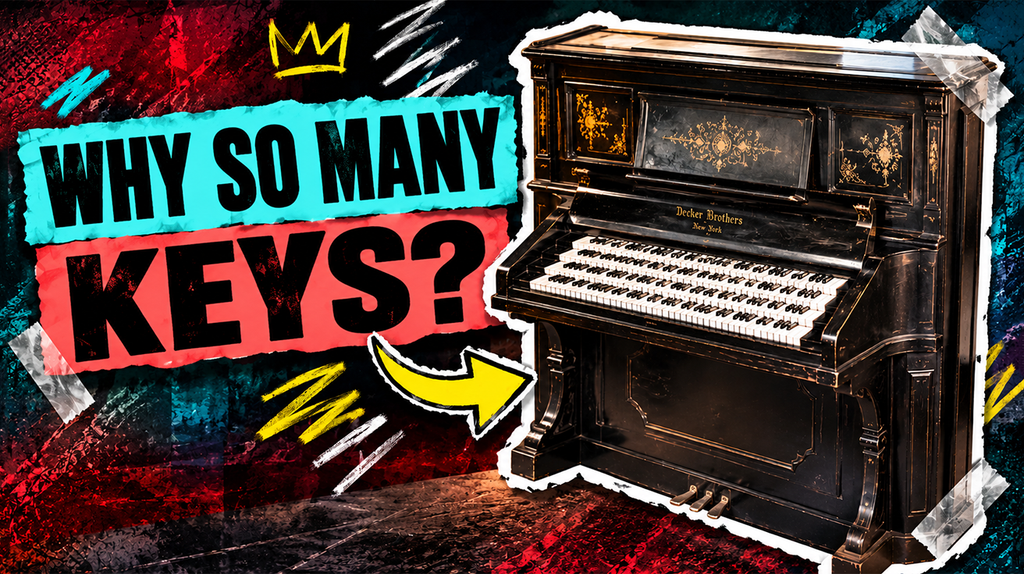
Innovation often demands commercial bravery, a truth the Decker Brothers Jankó Piano makes clear. Paul von Jankó introduced his radical isomorphic keyboard in 1882, aiming to fix the standard layout’s inconsistent fingerings. Decker Brothers of New York produced pianos with this six-row, staggered arrangement around 1890–1891.
Picture a 19th-century concert-goer, used to familiar keys, facing this dense, uniform grid. The National Museum of American History identifies an upright made around 1888–1892. The company produced a number of instruments with the innovative layout, serving as vital test labs for ambitious ideas.
These manufacturers showed that while the Jankó offered theoretical advantages, its steep relearning curve proved formidable. The production was short-lived, and surviving instruments are museum examples rather than a continuing commercial standard. Even logical innovation struggles against entrenched habits, a gut punch for any aspiring disruptor.
6. Chromatone
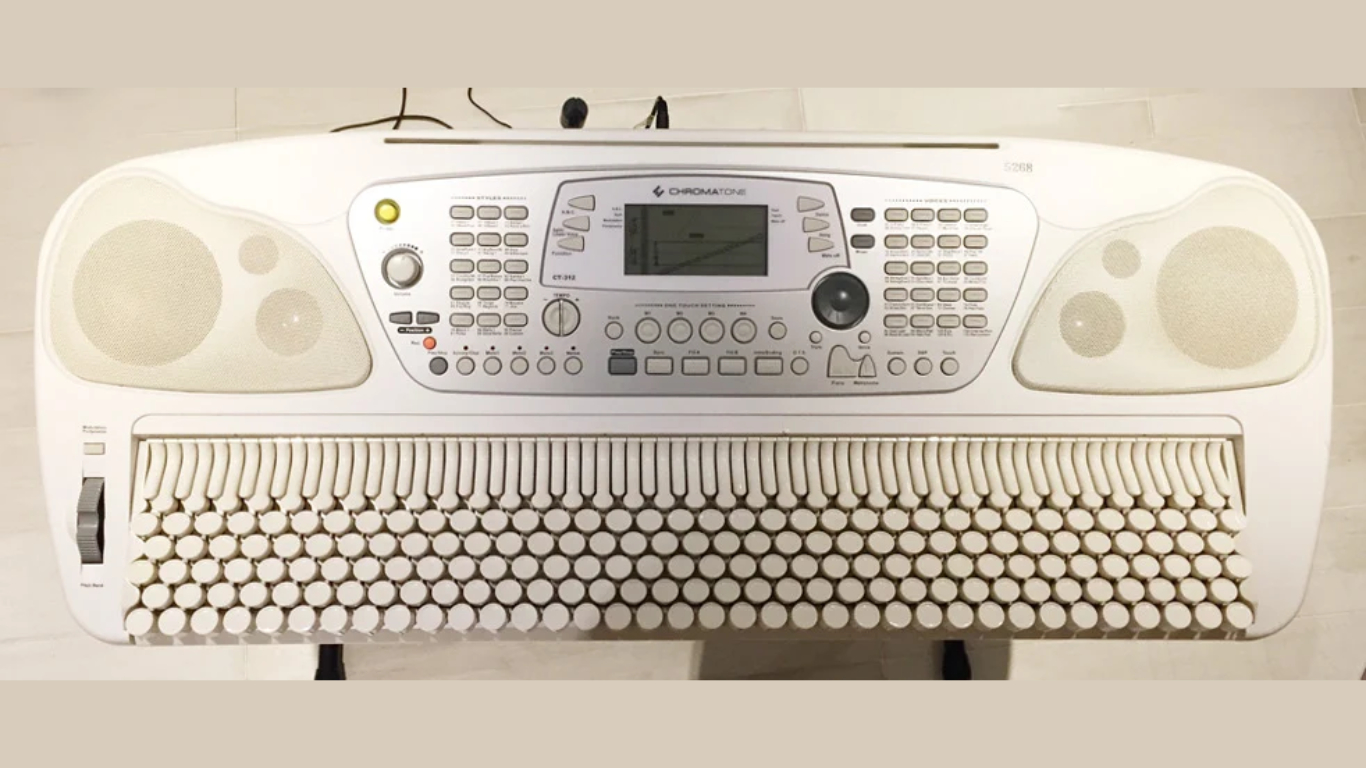
Modern electronic instruments revive the Jankó concept without acoustic limitations.
The Paul von Jankó keyboard, patented in Germany in 1884, presented an isomorphic concept too demanding for its analog era. This design, with multiple staggered rows, promised consistent fingering and repeating interval shapes across transpositions. Building this on an acoustic piano meant engineering 264 key surfaces for an 88-note version, causing mechanical headaches.
Changing keyboards required retraining performers, revising teaching materials, developing new methods, and persuading manufacturers and publishers to support a separate ecosystem. Conventional pianos already had a large installed base of players, teachers, repertoire, technicians, and standardized instruments.
Today, Chromatone instruments apply the same principle of repeating interval shapes across transpositions in electronic form. This electronic approach embraces the Jankó-style isomorphic layout, making complex harmonies feel more intuitive. Electronic musicians can craft intricate jazz chord progressions with each voicing consistent regardless of key. Some visionary ideas just needed the right technology to finally hit their stride.
7. Lumatone

A configurable grid-based controller supports microtonal exploration.
The Lumatone features a modern electronic isomorphic design, a grid-based layout that treats every musical interval consistently. Harmonic and melodic shapes repeat across the entire surface, making transposition more systematic. Sound designers can explore microtonal scales without fingers tripping over traditional octaves.
Its configurability supports custom tunings or note arrangements, liberating sound from the constraints of fixed pitch. The hexagonal matrix can be programmed for MIDI notes, supporting various tunings, mappings, and microtonal layouts. This controller provides a direct line to precise musical expression beyond conventional keyboard limitations.
8. LinnStrument
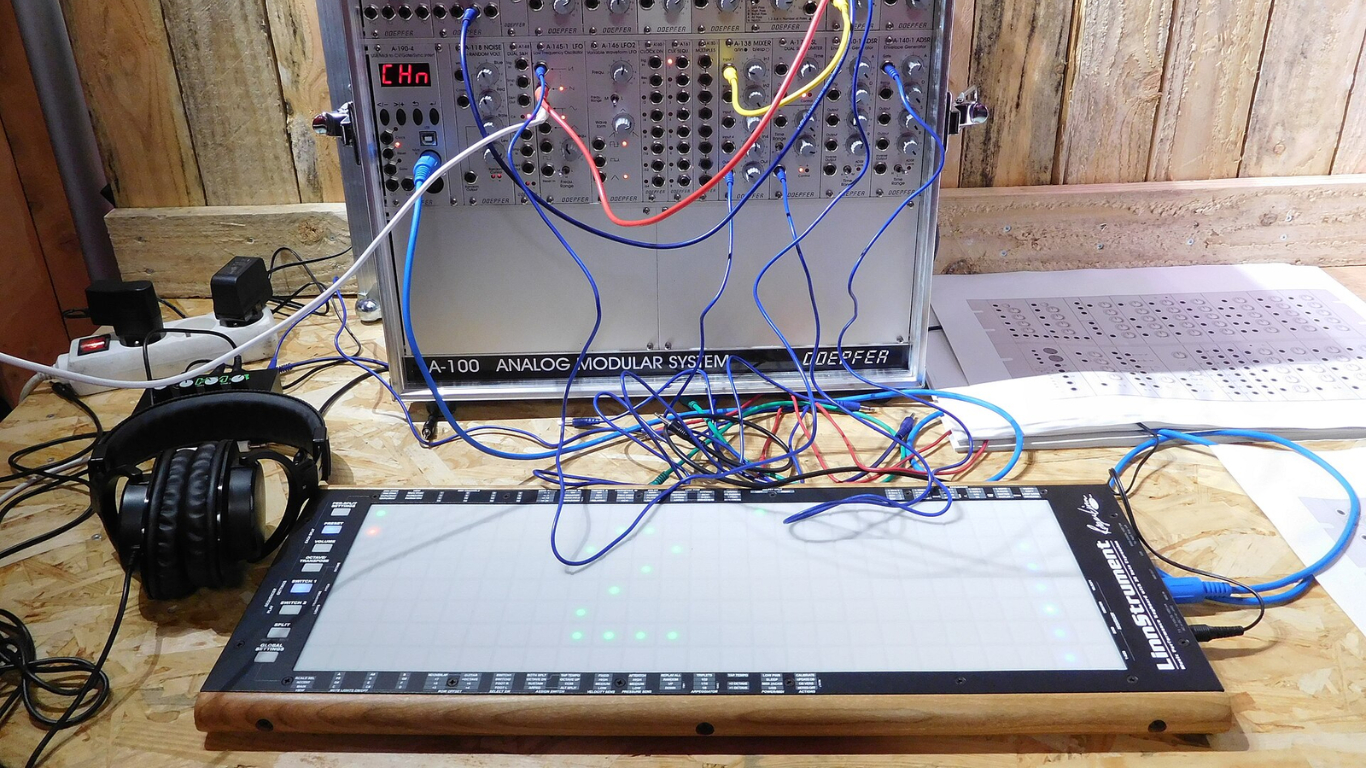
This grid controller resurrects isomorphic principles with expressive capabilities.
Paul von Jankó introduced his alternative piano keyboard in 1882, fundamentally challenging traditional layouts. The LinnStrument, a grid-based electronic musical controller, resurrects this philosophy. Its isomorphic note layout ensures interval relationships repeat consistently across rows and columns.
Pitch-bending capabilities allow sliding a finger to turn a synth lead into expressive gestures not possible on standard keys. Unlike conventional keyboards demanding relearning patterns for every tonality, the LinnStrument fosters intuitive exploration via consistent musical intervals.
This digital approach sidesteps mechanical issues that plagued Jankó’s acoustic pianos. For players tired of wrestling with variable fingerings, this device offers an expressive alternative. It embodies innovative control, proving some visionary ideas just awaited the right technology.
9. QWERTY Keyboard Analogy

Entrenched standards persist despite theoretical alternatives.
The persistence of established design shapes future technology, much like a legacy act still headlining festivals. The traditional piano keyboard mirrors other technological path dependencies where alternatives offer theoretical advantages yet remain unsuccessful when switching costs and network effects are high.
Paul von Jankó introduced an isomorphic keyboard in 1882 for consistent patterns, but the music world clung to the familiar. Decker Brothers produced Jankó pianos around 1890, yet they swiftly became museum pieces. Changing a universally accepted standard proves difficult when existing users are locked in, training systems entrenched, and hardware favors the familiar.
Retraining an entire generation, retooling hardware, and rewriting institutional practices creates formidable barriers. Efficiency arguments get left behind when the cost of transition outweighs perceived benefits. The Jankó keyboard’s fate illustrates how innovation confronts the weight of established infrastructure.