



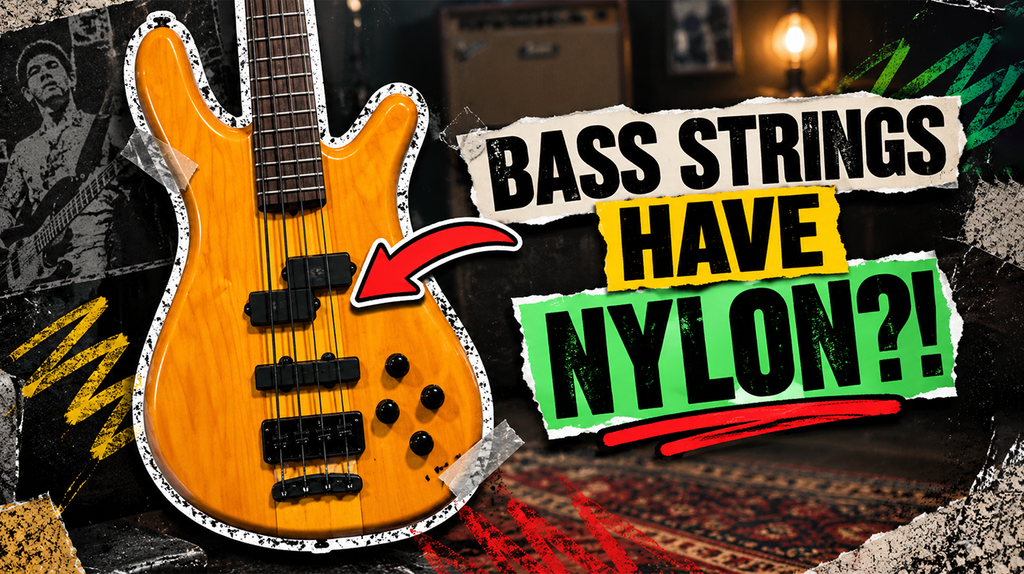
Bass strings cost under $40 on average, yet they shape your sound more than boutique preamps or vintage gear. Players often make choices that actively sabotage their tone, wrecking mixes like algorithmic playlist disasters. String selection affects tension, attack, and harmonic content in ways most bassists never consider. The difference between brittle clank and warm thump often comes down to construction details overlooked in favor of brand loyalty or whatever’s hanging on the music store wall. Time to examine the misunderstood variables that actually determine whether your bass sits perfectly in the mix or fights for survival.
10. Excessively Heavy Gauge Bass Strings

Thicker strings change tension and feel, not your fundamental pitch.
Grabbing the heaviest gauge available won’t conjure deeper lows from thin air. String gauge affects tension, stiffness, and overtone response rather than the actual pitch your tuning determines. Heavier strings feel stiffer under your fingers and often reduce high-frequency shimmer, but they don’t create sub-bass frequencies that weren’t already part of your tuning.
This misconception creates practical headaches. Significant gauge changes may require checking neck relief, adjusting action, and verifying intonation. A heavier low-B string can improve stability and articulation on five-string basses (especially 35-inch versus 34-inch scale lengths), but the improvement comes from increased tension at the same pitch, not from accessing lower notes.
9. Stainless-Steel Bass Strings

Bright and cutting by design, not inherently harsh.
Stainless-steel strings get unfairly blamed for harshness when the real culprit is usually mismatched electronics or setup. These strings deliver sharper attack, stronger upper harmonics, and better corrosion resistance than nickel-plated steel. That brightness becomes excessive only when combined with naturally bright basses, active treble boost, or aggressive pick attack.
The solution involves tone control and understanding your instrument’s voice. Stainless strings excel at slap, funk, and any situation requiring articulation through dense arrangements. They may accelerate fret wear compared with softer materials, but the tradeoff delivers clarity that nickel can’t match. Writing them off after one setup with boosted treble means missing the cut-through-the-mix precision you actually needed.
8. Coated Bass Strings

Modern coatings preserve tone without the “dead” sound of early versions.
Early coated strings earned their poor reputation honestly, but microscopically thin polymer layers now protect against sweat and skin oils without muffling response. D’Addario XT and Ernie Ball Slinky Coated lines offer varied feels and brightness levels that challenge the “coated equals lifeless” assumption.
The protective layer extends string life for players whose hands quickly degrade uncoated sets. Initial feel may differ slightly from bare strings, but modern coated construction maintains articulation and harmonic response. Higher upfront cost gets offset by extended lifespan, especially for acidic-handed players who burn through uncoated rounds in weeks.
7. Standard Roundwound Bass Strings

The default “bright bass sound” is a relatively recent development.
Bass wasn’t always defined by aggressive clank. Rotosound’s 1962 roundwound construction wrapped round wire around the core, creating raised ridges that produce bright, piano-like attack with substantial upper harmonics. This fundamentally altered the instrument’s role in modern mixes, enabling John Entwistle’s aggressive Who sound that broke from earlier flatwound conventions.
Roundwounds now dominate rock, pop, funk, and metal because their articulation cuts through dense arrangements. Nickel-plated steel offers balanced brightness, while stainless steel pushes toward surgical precision. Players grab them automatically, treating brightness as the default bass voice despite roundwounds representing only one construction approach among several viable options.
6. Flatwound Bass Strings

James Jamerson’s Motown foundation came from heavy, reportedly unchanged La Bella flatwounds.
Flatwounds use flattened ribbon wrap that creates smoother surfaces, drastically reduced finger noise, and warmer, more controlled tones than roundwounds. Jamerson’s influential Precision Bass sound depended on heavy La Bella flatwounds that he reportedly never changed, producing the deep, even response that defined Motown’s low-end. Session legend Carol Kaye also relied on flatwounds for her Jazz bass work.
The smooth surface eliminates finger squeak and feels slicker under the fingers. Flatwounds anchor vintage soul, jazz, blues, reggae, and classic rock by sitting in the mix without fighting for sonic space. Their stability means less frequent tone changes over time, making them surprisingly economical despite higher initial cost. Players wanting restrained low-mid focus without aggressive attack consistently return to flatwound construction.
5. Half-Round / Groundwound Bass Strings
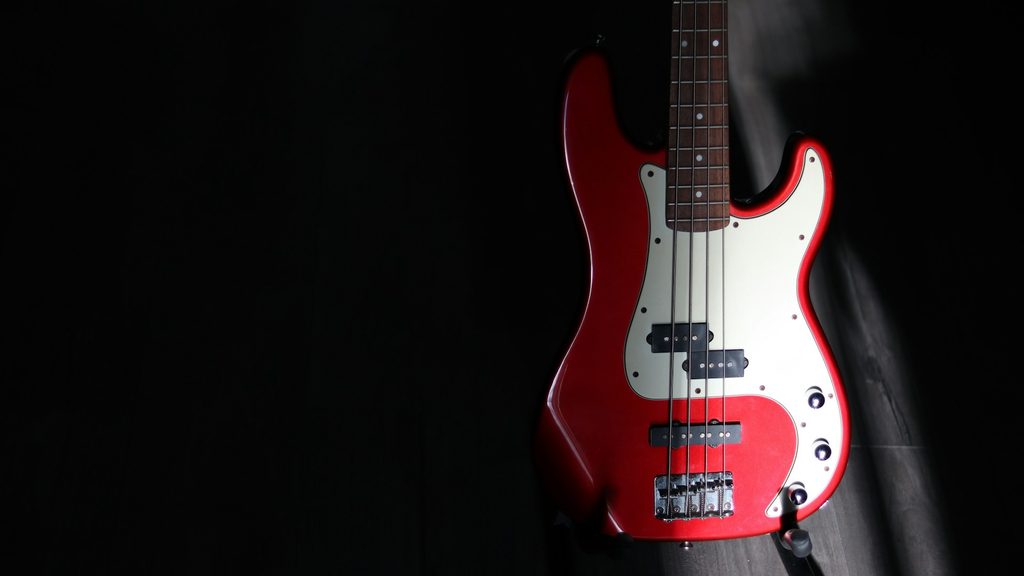
Polished ridges split the difference between roundwound articulation and flatwound smoothness.
Half-rounds start as conventional roundwounds whose outer ridges get ground or polished down. The resulting smoother surface reduces finger noise while retaining more brightness and harmonic detail than full flatwounds. GHS Pressurewound strings demonstrate this middle ground, delivering articulation without the fret clank that plagues some recordings.
This construction suits players wanting reduced finger noise without completely abandoning roundwound character. The warmer response and decreased string clank preserve definition often lost with full flats. Half-rounds hit a sweet spot for bassists whose parts require clarity and presence without aggressive brightness or excessive tactile noise during complex passages.
4. Tapewound Bass Strings

Nylon or synthetic wrap produces dark, upright-inspired tones.
Tapewounds use nylon or synthetic outer wraps distinct from both flatwounds and half-rounds. The exceptionally smooth surface drastically reduces finger noise while producing dark, thumpy, upright-inspired tones that sit back in arrangements. Yamaha identifies tapewound as one of four principal bass-string winding types, recognizing its role in specific tonal applications.
These strings excel in reggae, dub, vintage soul, jazz, and other genres requiring softer attack. Short-scale and semi-hollow basses particularly benefit from tapewound warmth. The mellow resonance and reduced finger noise make them ideal for roots music projects where the bass provides deep pocket without competing for foreground attention or generating unwanted string squeak.
3. Brand-New / Box-Fresh Bass Strings

Some of music’s most beloved bass tones came from played-in strings, not fresh rounds.
New uncoated roundwounds produce their brightest, most metallic response immediately after installation, often accompanied by significant finger and fret noise. That glassy, piano-like top end suits aggressive slap bass and modern pop tracks requiring laser-cut clarity, but history suggests the initial brightness isn’t automatically superior for every musical context.
Played-in strings develop rounder, woodier presence as the brittle edge softens and the fundamental frequency becomes more prominent. String materials age differently: stainless rounds begin brighter and take longer to settle, nickel-plated rounds warm faster, and flatwounds change very gradually. Truly dead strings lose intonation and tuning stability, while properly matured rounds simply sound more balanced and present in the low-mids.
2. Nickel-Plated Steel Bass Strings
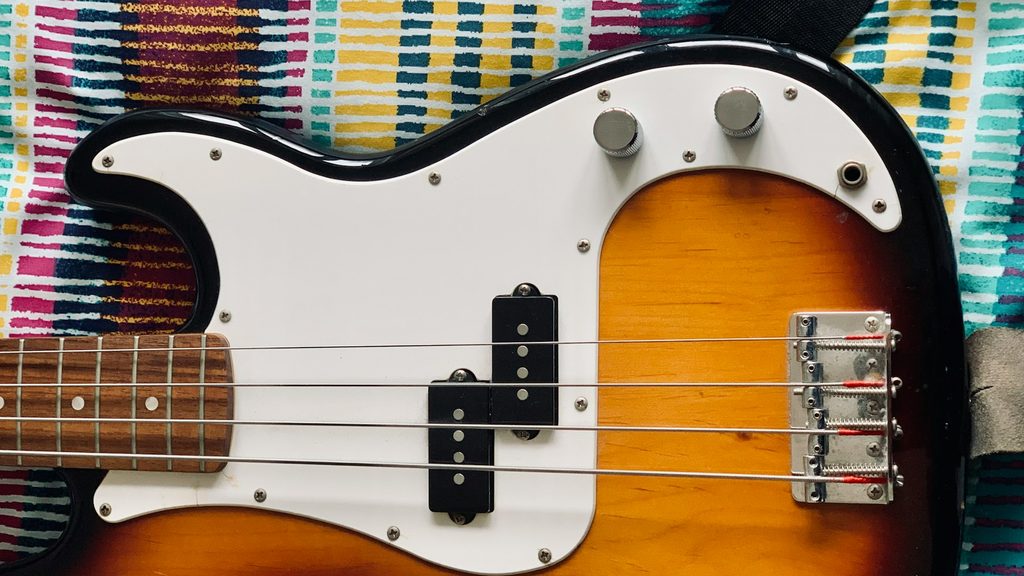
The general-purpose workhorse balancing warmth and articulation.
Ernie Ball’s Slinky Nickel Wounds wrap nickel-plated steel around hex-shaped steel cores, delivering tones generally warmer and smoother than stainless steel while maintaining more upper-frequency presence than pure nickel. This construction excels in standard tuning across rock, pop, and general-purpose playing, providing versatile response that handles diverse musical demands.
Nickel-plated steel splits the difference between pure nickel’s darker response and stainless steel’s aggressive brightness. The material suits bassists moving between musical contexts without requiring complete string changes for each gig. It represents a practical compromise that explains its widespread adoption across studios and stages as the default starting point for players developing their core tone.
1. Pure-Nickel Bass Strings

Warmer, rounder response for vintage-oriented and blues-influenced playing.
Pure-nickel strings deliver softer, rounder attack with reduced upper-frequency brightness compared with nickel-plated steel or stainless options. This construction suits vintage tones, subdued attack requirements, blues, soul, and classic rock applications where excessive top-end brightness becomes a liability rather than an asset.
The warmer response creates deep pocket without trebly aggression. A bassist recreating vintage soul recordings finds pure nickel provides the essential thumpy foundation that glues rhythm sections together. The final sound still depends on core construction, winding design, gauge, scale length, pickups, and amplification. String material represents one crucial variable among many, not a complete solution in isolation.