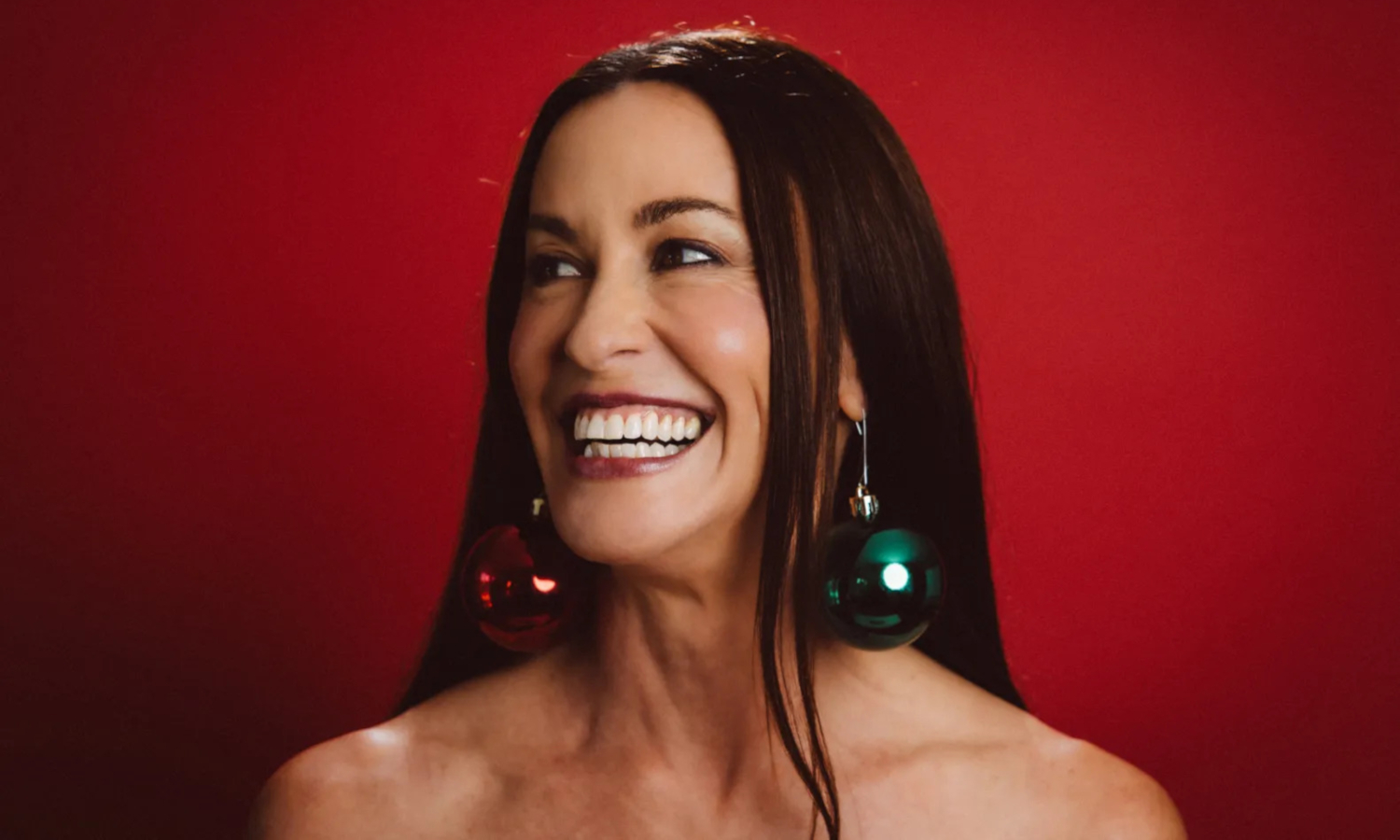



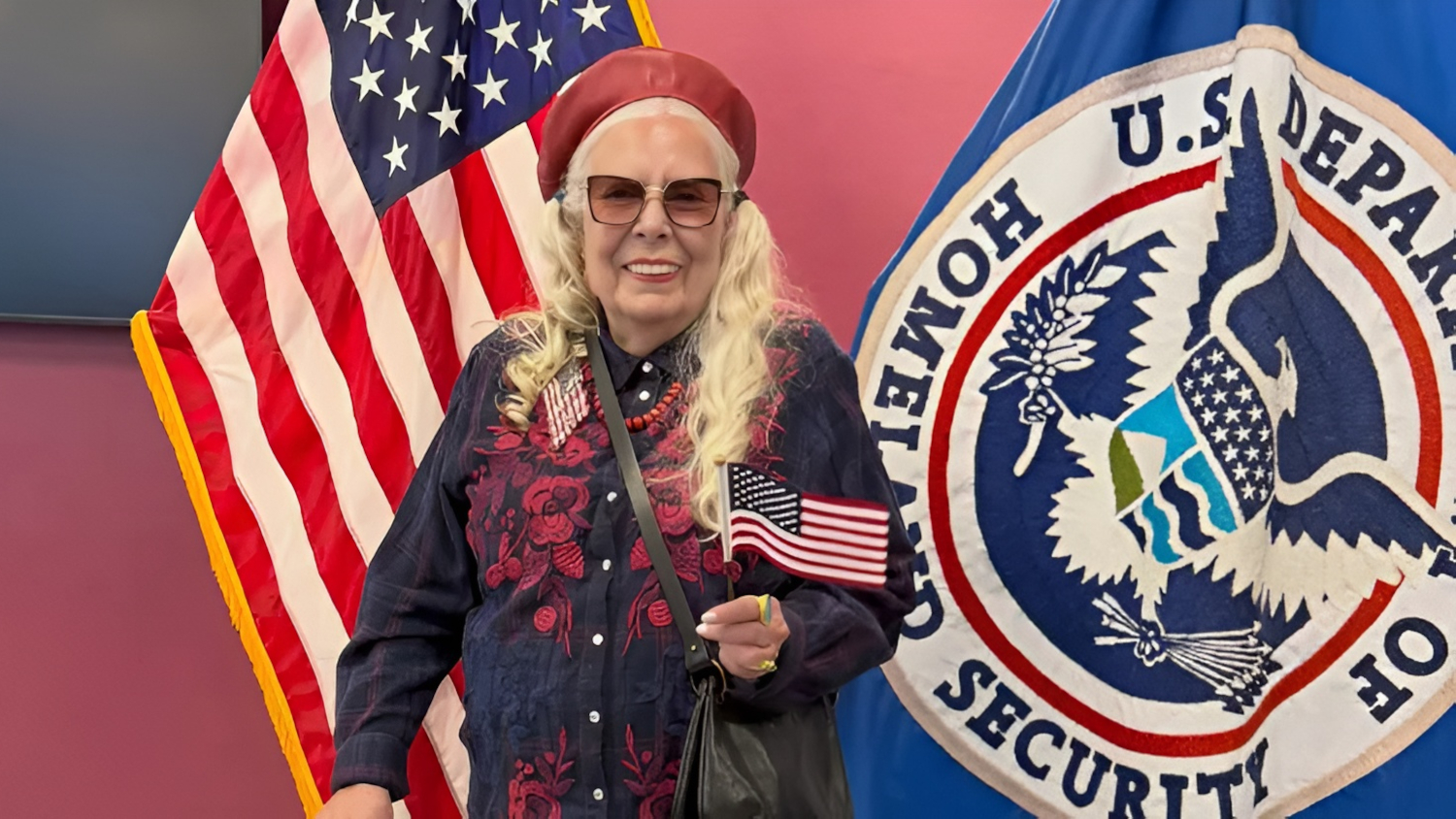
One of the most celebrated voices in music history spent six decades in the United States as a guest. That changed Tuesday, when Joni Mitchell posted a photograph and video from her naturalization ceremony with a caption that said everything: “A journey that began 62 years ago.“
The video shows her being called forward as “Joni Mitchell, Canada.” The applause that followed was probably overdue.
62 Years in the Making
The ceremony formalized a connection to American life and music that had been hiding in plain sight for over six decades.
Born Roberta Joan Anderson in Fort Macleod, Alberta, in 1943, Mitchell entered the U.S. in the mid-1960s during her marriage to musician Chuck Mitchell, moved through Detroit and New York, and settled in Los Angeles in 1968 — planting herself firmly in the Laurel Canyon folk scene that shaped a generation of American songwriting. The naturalization adds official U.S. citizenship while she retains her Canadian passport. Both countries permit dual nationality, so this is addition, not erasure.
Mitchell relocated during her marriage to Chuck Mitchell, built a catalog spanning Blue to Hejira, earned multiple Grammys and a Rock and Roll Hall of Fame induction, and retains Canadian citizenship under dual-nationality rules recognized by both countries.
The Immigrant Who Couldn’t Vote
The citizenship announcement carries political weight that goes well beyond a change in paperwork.
The story gets sharper here. At the 2024 Hollywood Bowl “Joni Jam,” Mitchell publicly lamented that, as a Canadian, she couldn’t vote — calling herself “one of those lousy immigrants.” That remark reframes Tuesday’s announcement in a way no press release could. The reporting establishes she said she wished she could vote; it does not establish that political frustration alone drove the naturalization, but the timing is hard to ignore.
There’s also an institutional angle worth noting. According to Variety, the New York Times previously excluded Mitchell from its “Greatest Living American Songwriters” list because she held Canadian citizenship. Her naturalization potentially changes that eligibility question — and quietly raises harder questions about how institutions define “American” in the first place.
Mitchell’s 2006 website statement described her as Canadian first and expressed criticism of Canada’s political and cultural assimilation with the United States. This naturalization is not a rejection of that identity. Pitchfork sought comment from Mitchell’s representatives and collaborator Brandi Carlile; none was available at press time.
The music crossed every border decades ago. The biography just finally caught up.