



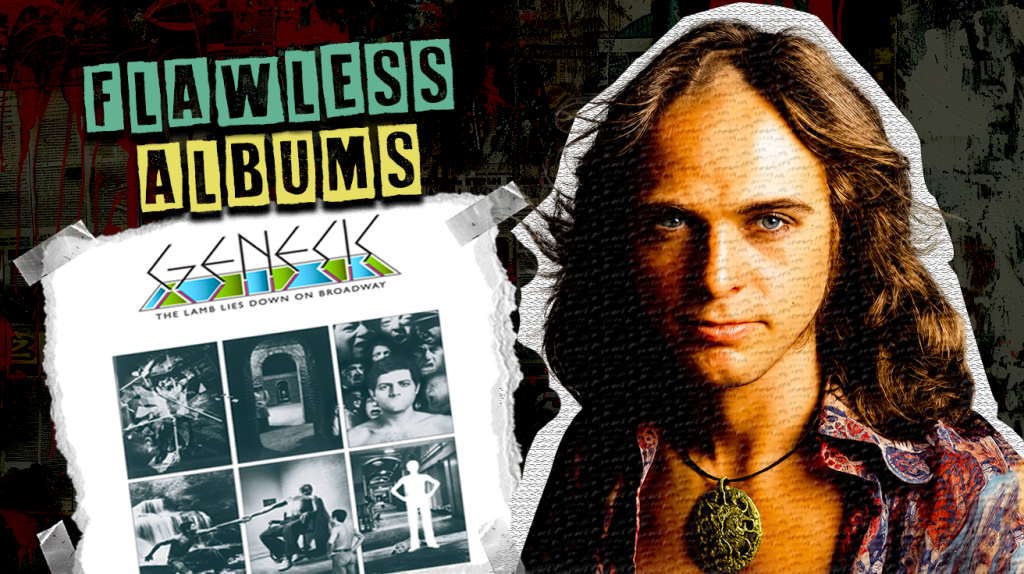
The 1970s saw thousands of rock albums released worldwide, yet most radio stations recycle the same two dozen tracks. Sanitized playlists prioritize maximum reach over genuine exploration, feeding you a curated version of rock history. This list bypasses the obvious stadium anthems, digging into records that demanded more than casual listening—ones that defied easy commercialization and still reward patient listeners today.
10. Emerson, Lake & Palmer – Brain Salad Surgery
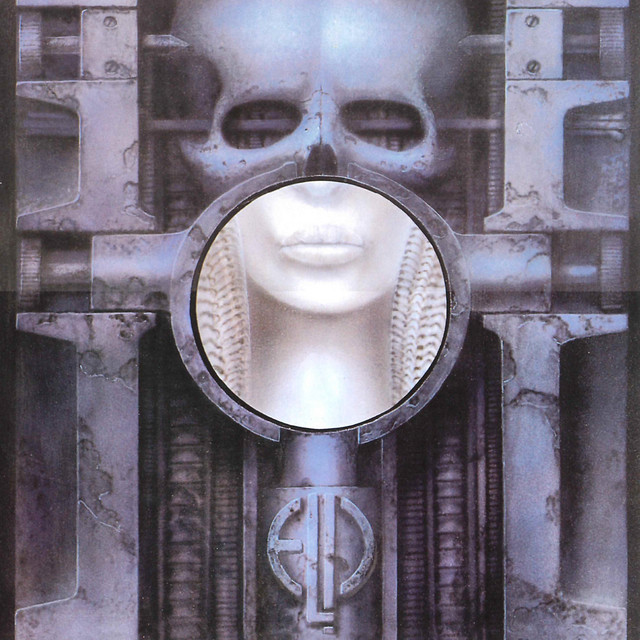
Keith Emerson’s keyboards orchestrate a 29-minute prog rock odyssey that proves ambition and structure can coexist.
“Karn Evil 9” stretches over 29 minutes across its three “impressions” on Emerson, Lake & Palmer’s Brain Salad Surgery, released in November 1973. This wasn’t just an album; it was a gauntlet thrown, shattering any illusion that prog rock lacked structure.
Keith Emerson’s keyboards operated with surgical control, every note intentional. The entire record, cloaked in H.R. Giger’s unsettling biomechanical cover art, unfolds with intricate precision. Greg Lake’s vocals grounded the ambition, while Carl Palmer’s drumming provided a rhythmic backbone so exact, it could calibrate a high-end oscilloscope. For anyone used to music as background noise, Brain Salad Surgery demands your full attention.
9. Strawbs – Hero and Heroine
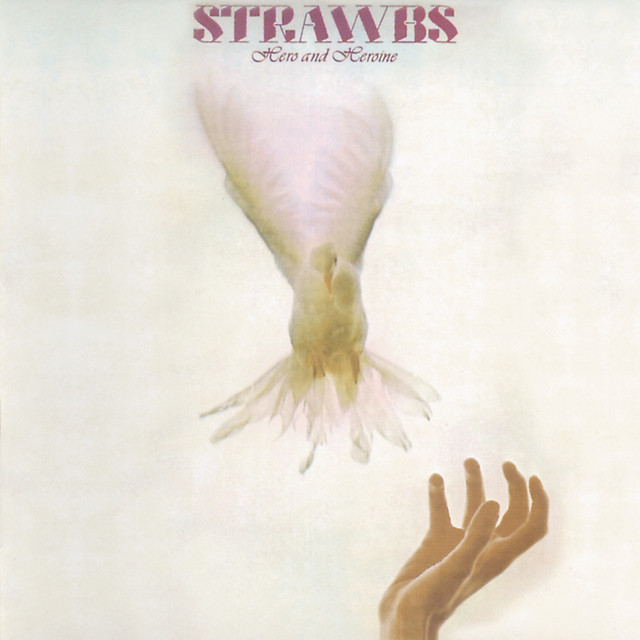
Progressive folk meets emotional depth in 39 minutes that prove you don’t need a triple album to deliver profound statements.
While other prog bands attempted rock operas, Strawbs dropped Hero and Heroine in February 1974, a quiet refusal of the era’s bombast. This wasn’t some sprawling epic; it was a moody, introspective journey, blending progressive folk with just enough rock bite.
Dave Cousins’ songwriting felt like a confession whispered over a crackling campfire, backed by lush Mellotron swells and raw acoustic textures. Its concise running time, a mere 39 minutes, proves you don’t need excessive length to deliver profound statements. The emotional weight of “Midnight Sun” hits unexpectedly, like discovering a perfectly aged single malt among a shelf of overproof whiskies.
8. The Who – The Who by Numbers
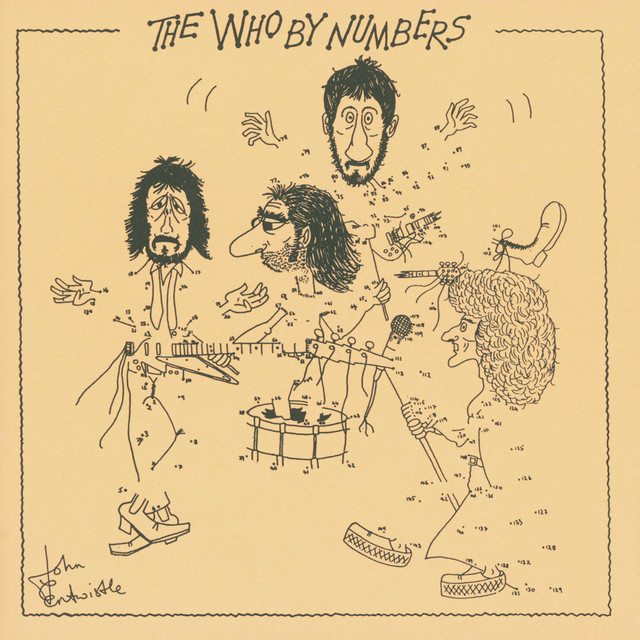
Pete Townshend confronts self-doubt and aging with brutal honesty few peers dared in this vulnerable sixth studio album.
The Who, a band renowned for stage destruction and anthemic declarations, unveiled The Who by Numbers in October 1975. This wasn’t another “My Generation” bombast; it was the sonic equivalent of a rock star’s existential crisis.
Pete Townshend’s lyrics confronted self-doubt and aging head-on, a brutal honesty few peers dared. John Entwistle’s hand-drawn connect-the-dots cover art cemented this introspective tone. Fans expecting fireworks instead found a surprisingly vulnerable record—tight, deliberately plain arrangements for their sixth studio album. A raw, unvarnished look into rock’s messy middle age, proving genius isn’t always loud.
7. Lynyrd Skynyrd
Producer Al Kooper shaped Southern rock’s definitive template with three-guitar arrangements that made every note count.
August 13, 1973, marked the arrival of a debut album often misread as just a collection of singles. Judging this record by “Free Bird” alone is like evaluating a prestige TV series by its two most viral clips; you miss the entire narrative arc.
Producer Al Kooper meticulously shaped the band’s sound, giving Southern rock its definitive template across tracks like “Gimme Three Steps” and “Tuesday’s Gone.” The sheer firepower of their signature three-guitar arrangements, a coordinated chaos, made every note count. This album isn’t just a playlist; it’s a meticulously crafted journey, proving some debuts hit the ground running with a full sprint.
6. Family – Fearless
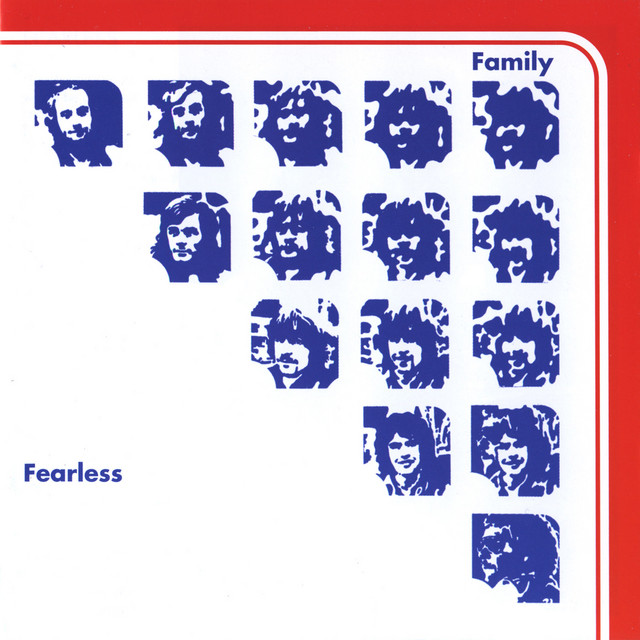
Roger Chapman’s confrontational vocals and John Wetton’s bass anchor a defiantly uncategorizable fusion of prog, hard rock, and blues.
Family’s Fearless refused easy categorization, even in the experimental early 1970s. Released in October 1971, this album defiantly fused progressive rock, hard rock, and blues. Roger Chapman’s abrasive vocals became the band’s confrontational signature, a sound that divided listeners instantly.
John Wetton, on bass, provided a solid anchor. The original LP artwork featured a unique 3-D effect with overlapping silhouettes, foreshadowing the album’s challenging sound. This isn’t background music; it demands your attention, much like discovering a piece that recontextualizes everything you thought you knew. Real courage lies in making your own rules.
5. Jeff Beck – Blow by Blow
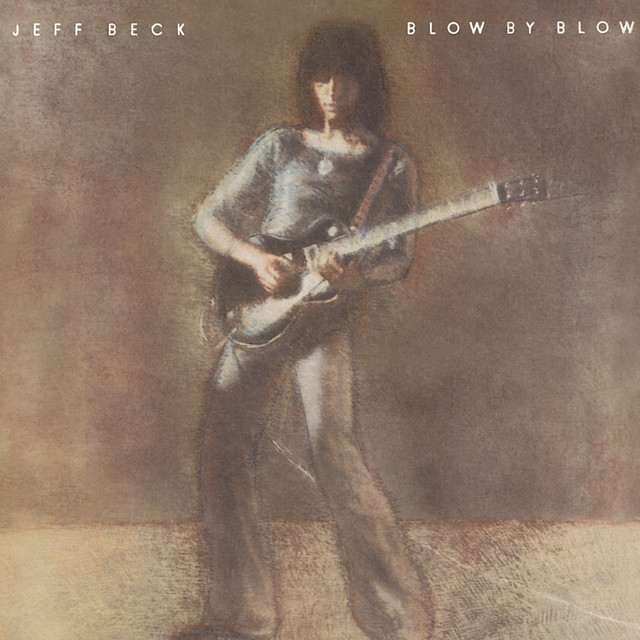
George Martin’s production and Beck’s liquid phrasing prove instrumental albums can carry emotional weight without a single lyric.
Instrumental albums rarely cut through the noise, yet Jeff Beck’s Blow by Blow arrived like a meticulously planned heist where every player knows their mark. Released March 29, 1975, and produced by the legendary George Martin, this isn’t just a guitar album; it’s a masterclass in tone and restraint.
Beck’s guitar became a conversation, not a monologue, each note landing with precision. Listen to the liquid phrasing of “Cause We’ve Ended as Lovers,” a Stevie Wonder composition, and the controlled chaos of “Freeway Jam.” This groundbreaking work shattered the notion that rock needed a frontman, leaving nothing but pure, unadulterated guitar swagger.
4. REO Speedwagon – You Can Tune a Piano, but You Can’t Tuna Fish
Bar-band grit meets impending arena rock glory in the band’s first platinum album, featuring “Roll with the Changes” and “Time for Me to Fly.”
REO Speedwagon’s seventh studio album, You Can Tune a Piano, but You Can’t Tuna Fish, released in March 1978, captures a band on the cusp. It was their first album to achieve platinum certification in the US, a clear signal of the shift to come, even as the band’s humor shone through in its pun-filled title and flying tuna cover art.
Tracks like “Roll with the Changes” and “Time for Me to Fly” hit with the directness of a punchy dive bar set, not a laser-light spectacle. Its harder, less polished sound sets it apart from their later, more streamlined 80s work. This album is the last gasp of rock ‘n’ roll honesty before the inevitable smoothed edges of stadium success took over.
3. Mott the Hoople – Brain Capers
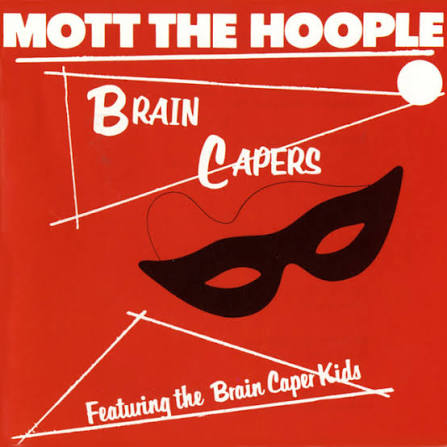
Guy Stevens’ chaotic production creates a proto-punk attitude that sounds more like a bar fight than a polished record.
Released in December 1971, Mott the Hoople’s Brain Capers landed with minimal commercial fanfare. Produced by the notoriously chaotic Guy Stevens, the album sounds less like a polished record and more like a bar fight spilling onto a rainy London street, a defiant roar against anything slick.
Ian Hunter’s vocals slash through the heavy, dense production, giving it a proto-punk attitude that critics initially missed. The original LP even featured a mock health warning on its inner sleeve, joking it “may be injurious to mental health,” which felt like an accurate assessment of its uncompromising energy. Anyone who prefers raw authenticity to manufactured sheen will recognize this fourth studio album as the band’s unapologetic masterpiece.
2. Camel – The Snow Goose
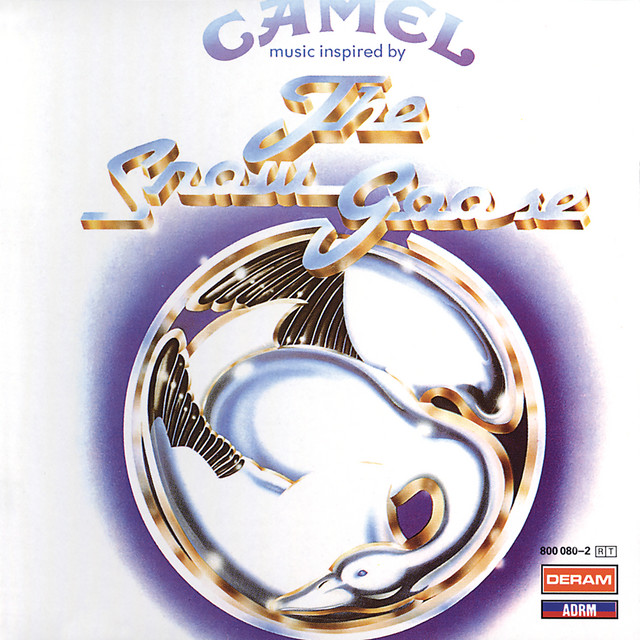
A fully instrumental concept album that builds an emotional arc through lush orchestral textures without a single word.
Selling an entirely instrumental concept album in April 1975 was a bold move. Camel’s Music Inspired by The Snow Goose, loosely based on Paul Gallico’s novella, pulls listeners into its world with recurring melodic themes. It functions as a cinematic score for a film playing only in your head, building an emotional arc through lush orchestral textures without a single word.
An immersive video game soundtrack can make you forget the controller—this album does that. It earned critical acclaim, leading to a performance at the Royal Albert Hall with an orchestra in 1975. A masterclass in telling a story purely through sound, proving some narratives don’t need lyrics to hit you in the gut.
1. Genesis – The Lamb Lies Down on Broadway
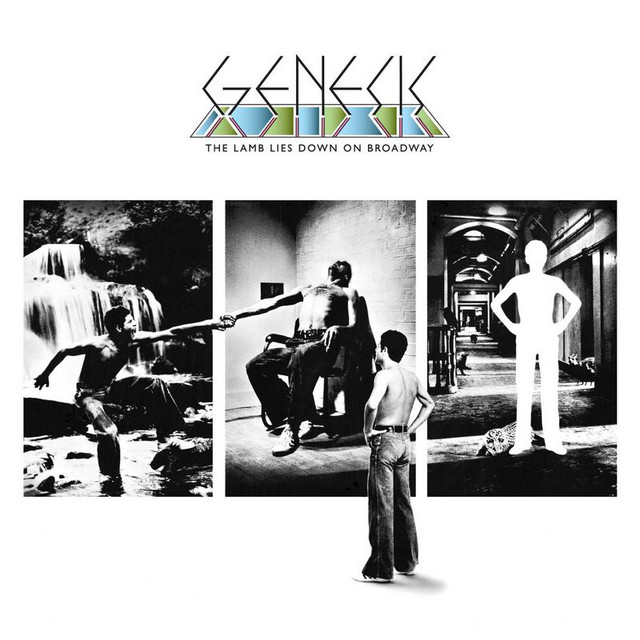
Peter Gabriel’s final studio album with Genesis: a double-LP concept record following Rael’s surreal journey through dystopian New York.
Released November 18, 1974, Genesis’ The Lamb Lies Down on Broadway wasn’t a casual listen; it was a double-LP concept record demanding full immersion. Peter Gabriel, in his last studio album with the band before his departure in 1975, crafted a narrative following Rael’s surreal journey through a gritty New York City, a plot as twisty as anything on prestige television.
Tracks like “In the Cage” and “Carpet Crawlers” showcased intricate arrangements, shifting from aggressive prog workouts to haunting soundscapes. The accompanying tour featured elaborate slide projections and costumes, truly setting a new bar. Anyone who tried to decipher Rael’s descent through the liner notes knows this album was a gauntlet thrown, cementing its canonical progressive rock status.