



Ready to explore the music production tricks everyone uses but nobody brags about? This article spotlights the slightly shady shortcuts and not-so-secret weapons in today’s studios. Think of this as your backstage pass to the secrets that turn bedroom beats into chart-toppers—the “happy accidents” that are actually well-calculated moves.
16. Splice Song Starters
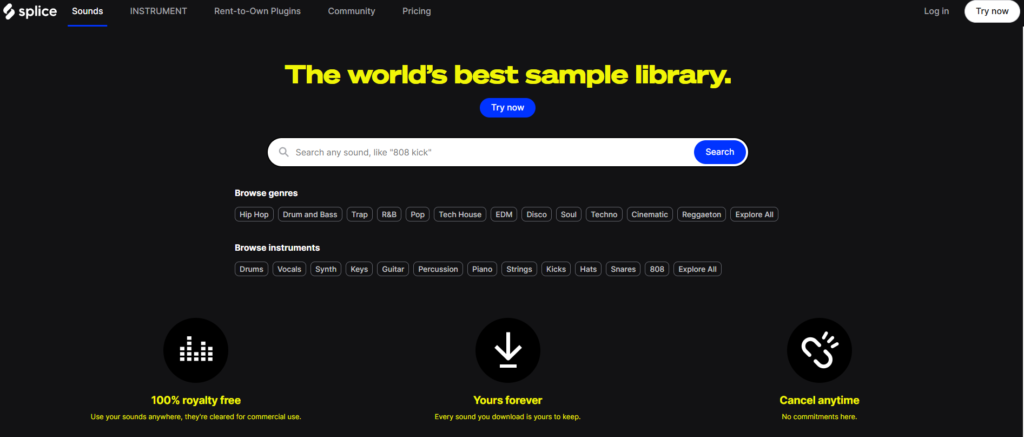
Royalty-free track skeletons that launch creativity into hyperdrive.
Splice Song Starters offer licensed musical ideas designed as pre-made track skeletons (often drumless) for quick building. With millions of samples available via Splice’s subscription library, they function as training wheels for your next big production. The challenge lies in stamping your unique sonic signature onto these pre-made building blocks.
15. Apple Loops & Ableton Stock Sounds
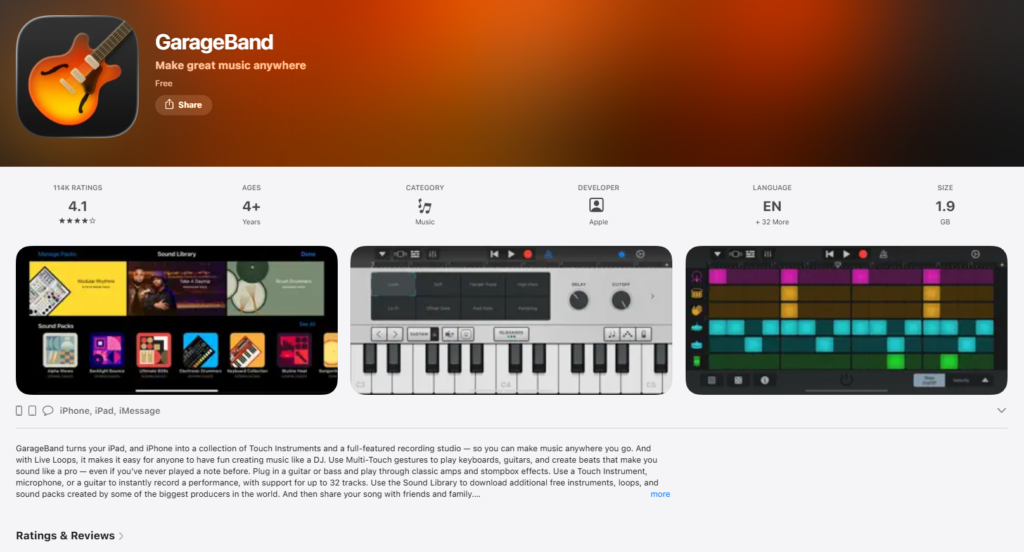
The royalty-free secret weapons hiding inside your DAW.
Apple Loops within Logic Pro and GarageBand provide seamless looping and tempo/key adjustments. Ableton Live offers its own arsenal with built-in loop packs and categorized samples. These collections have shifted perceptions in professional music production, leaving it up to you to decide if a good ear is more valuable than a clear conscience.
14. Output Arcade
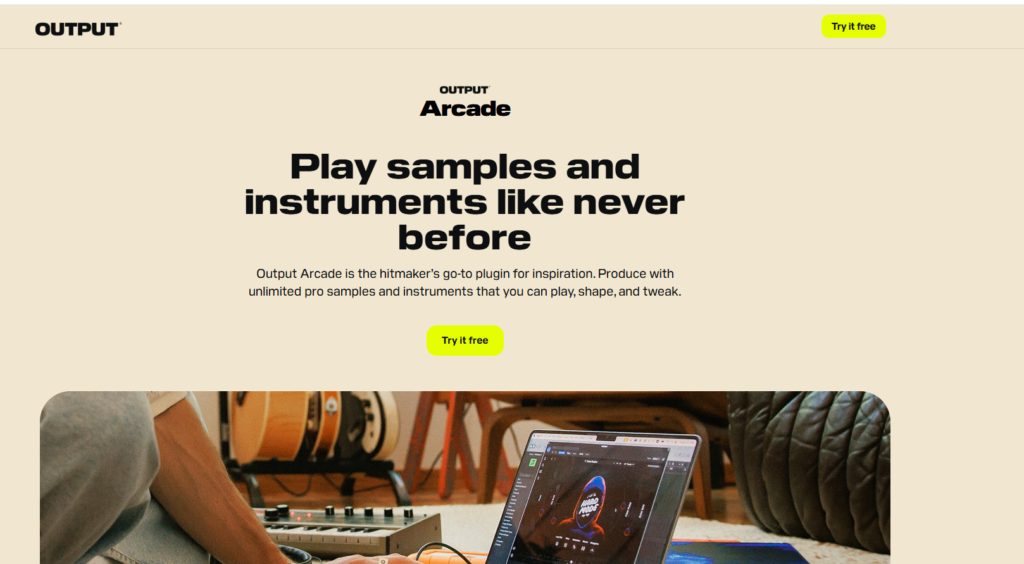
The subscription-based sample playground that acts as your digital co-producer.
As Brian Eno put it, “Studios are great places, but they are also mausoleums.” Output Arcade helps producers escape those creative crypts by dragging in pre-chosen ideas that auto-sync to tempo and key. Sometimes inspiration arrives not in a bolt of lightning, but in a subscription plugin where collaboration involves more software than humans.
13. Chord Progressions from Famous Songs
Legal borrowing that’s practically tradition in music history.
Chord progressions themselves aren’t copyrightable—only specific melodies and lyrics are protected. Anyone who’s ever mashed up “Creep” with “Get Free” knows this sonic déjà vu led to Radiohead and Lana Del Rey’s 2018 settlement. The timeless quality of certain progressions means artists keep circling back, remixing the familiar into something new.
12. Type Beats
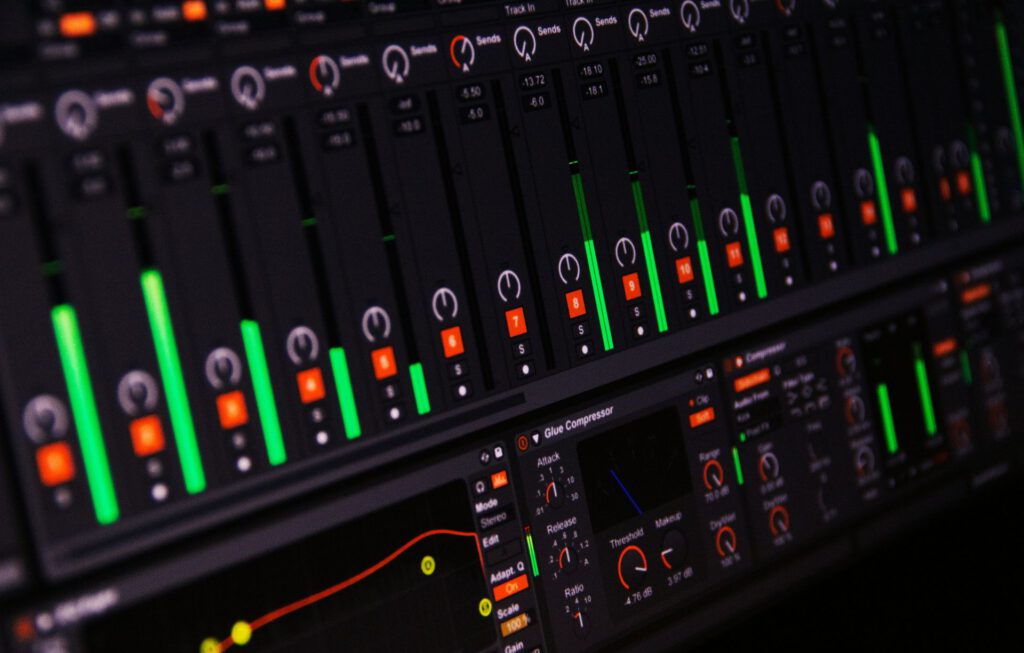
Sonic emulation that boosts search rankings while skating ethical boundaries.
These instrumental tracks mimic popular artists and are sold on platforms like BeatStars. Type beats boost YouTube and search rankings by attracting listeners seeking familiar vibes. The goal isn’t direct copying but sonic emulation, though the line between homage and blatant cloning starts to blur when familiarity beats originality.
11. Replicating Reference Tracks

Sonic mimicry that reverse-engineers professional mix balance.
Replicating tracks like-for-like is common professional practice for nailing mix balance. By meticulously recreating reference tracks, you reverse-engineer the choices that made them work. The ethics get murkier when you start borrowing too heavily—is it sampling or just really dedicated flattery?
10. Public Domain Recordings

NASA archives and BBC libraries offer copyright-free sonic treasures.
NASA’s audio archives, including Apollo mission clips, are ripe for sampling—imagine spiking your beat with Neil Armstrong’s “one small step.” The BBC Sound Effects Library boasts over 16,000 clips ranging from orchestral swells to vintage speeches. Just verify usage rights before dropping that sonic gem into your track.
9. Sampling Kids Toys

Twenty-dollar plastic pianos become surprisingly emotive synths.
Plucking melodies from cheap toy keyboards can morph your next track. Capture sounds with a phone’s microphone, pitch-correct the recording, add reverb for depth, and load into your DAW. Accessibility defines modern sound design—a toy store trip and some reverb unlock unique lo-fi textures.
8. Disputing Content ID Claims

Standing up for your original content against algorithmic false flags.
YouTube’s Content ID system can remove your original content based on algorithmic matches. Creators dispute via fair use, transformative content, or no substantial similarity arguments. Standing up for your content feels like walking a legal tightrope, but it’s necessary when algorithms might strip away your work.
7. AI Tools
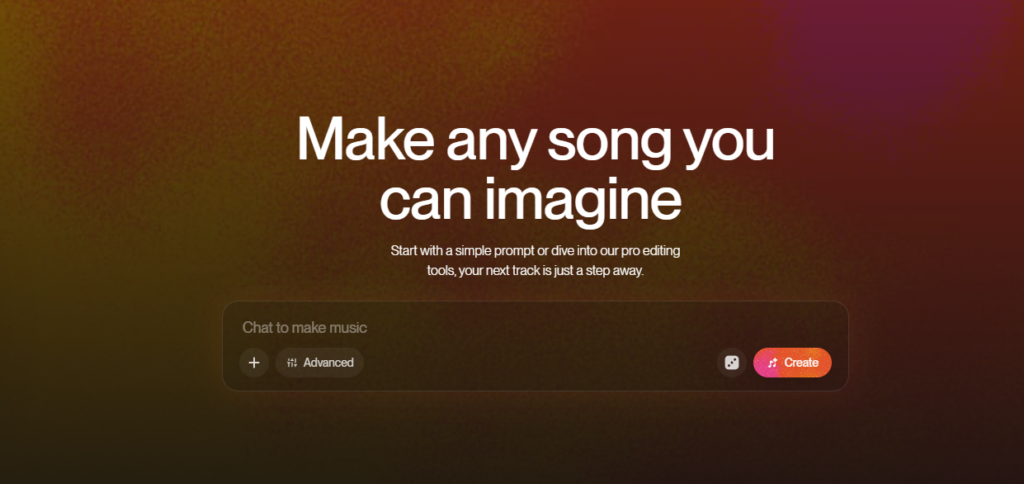
Suno.ai generates full songs from text prompts—legal but ethically murky.
Suno.ai creates fully formed songs—lyrics, melody, everything—from simple text prompts. For non-commercial use, these AI tools are royalty-free and offer creative launchpads. Before picturing robots stealing Grammys, consider the ethical static: if bots write bangers, who gets the glory?
6. MIDI Packs
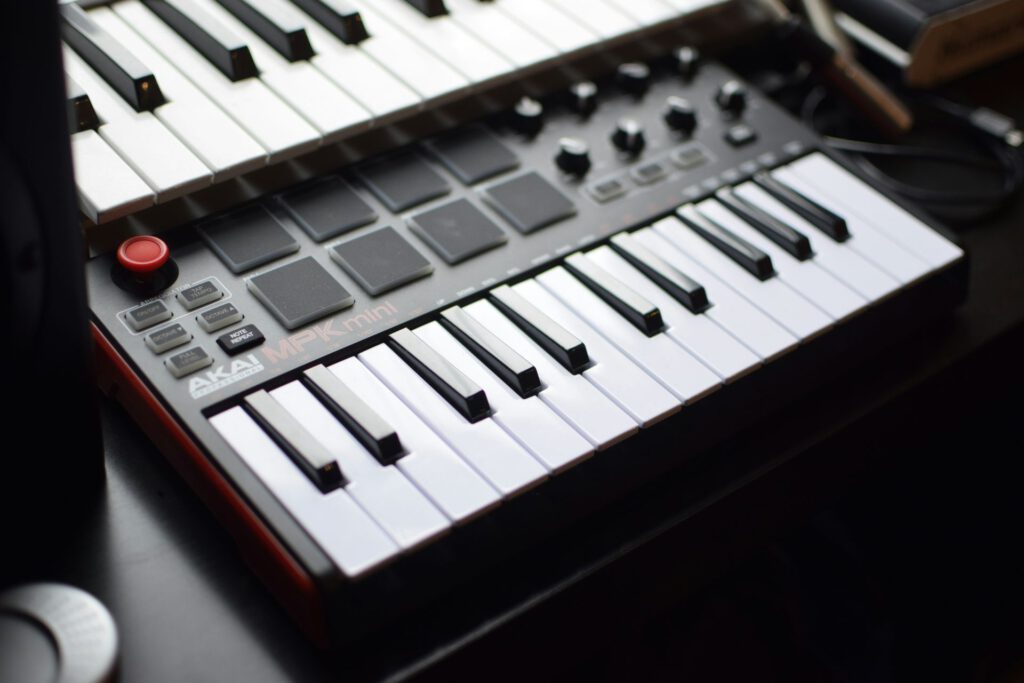
Pre-made chord progressions and grooves that promise perfection.
MIDI packs offer pre-made chord progressions and grooves that are royalty-free and adjustable to any tempo/key. Even purists might reconsider their stance—after all, Radiohead settled with Lana Del Rey because “Creep” sounded too close to “Get Free.” The magic often lies in imperfection, not algorithmic precision.
5. Drum Layering

Building Frankenstein drum kits from endless samples.
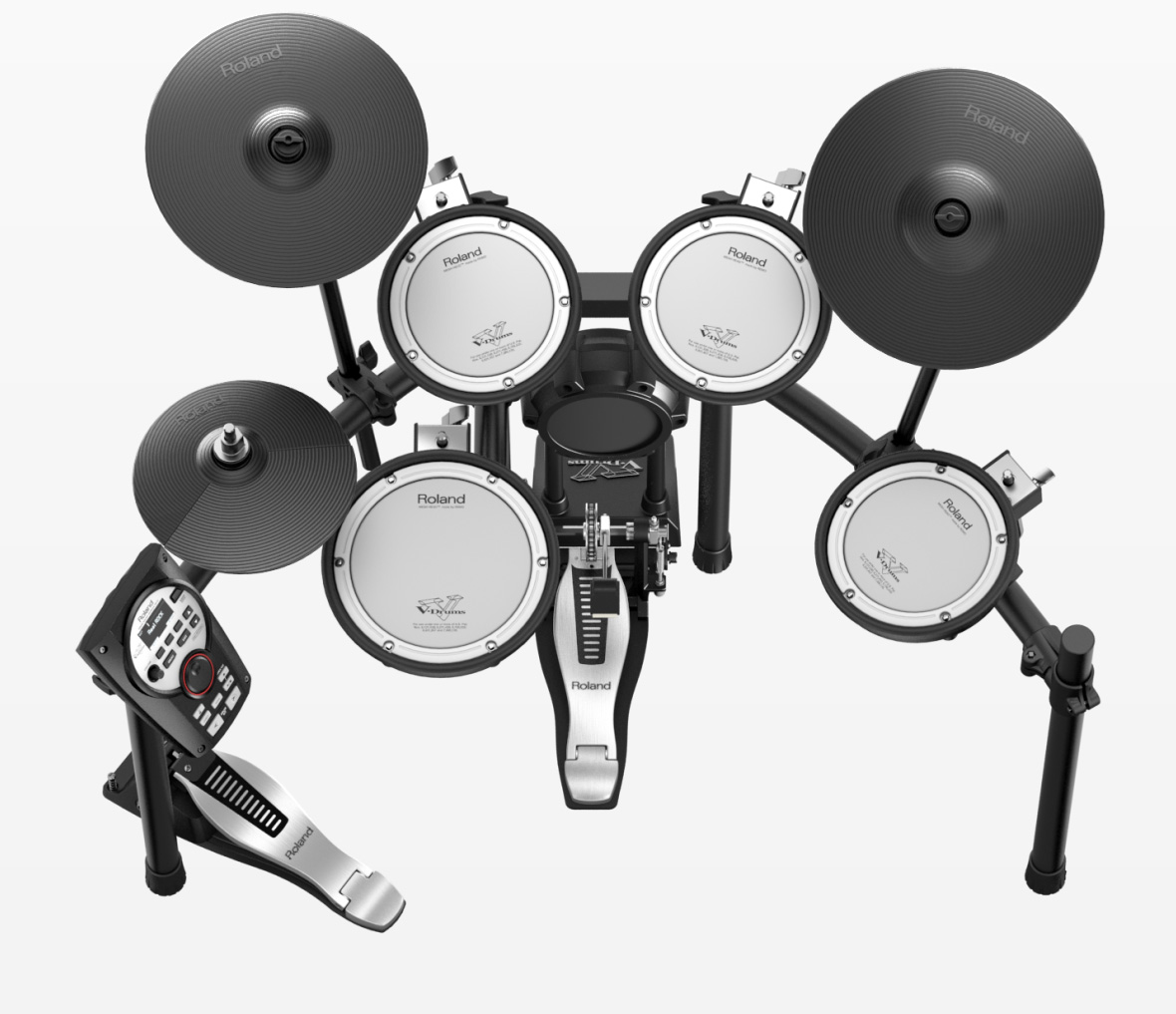
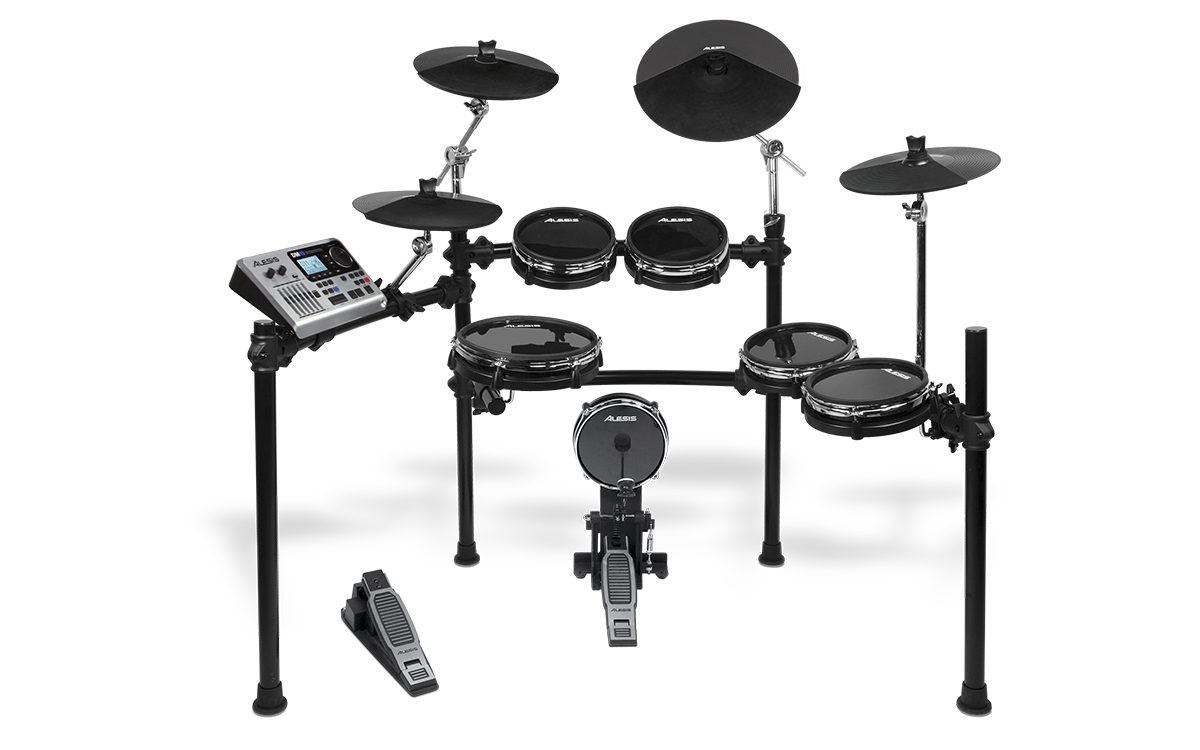
Producers now build hybrid kits by layering multiple samples, then rebuilding the groove as MIDI to capture velocities and human feel. The result blends organic and electronic elements—like teaching a drum machine to swing—creating controlled explosions of live and digital percussion.
4. Mixing Templates
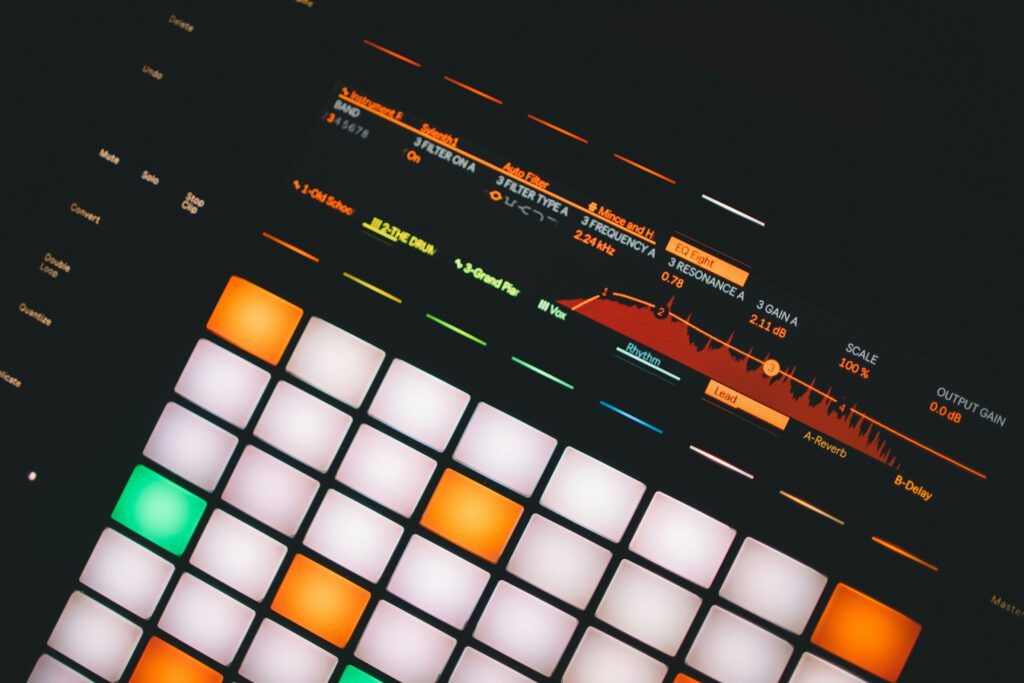
Pre-made setups that rescue bedroom producers from years of trial and error.
These pre-made Ableton or Logic setups come armed with industry-standard FX chains and routing. Instead of endlessly tweaking EQs, you inherit a secret decoder ring for hit songs. Time is money in the studio game, and templates offer cheat sheets for radio-ready mixes.
3. Drokid

Automated cover licensing that handles the legal paperwork instantly.
Drokid generates cover licenses automatically—just upload your track, tick the “cover option” box, and they handle licensing without emails or legal stress. Built to do what feels delightfully illegal, it’s automation at its most punk rock, letting you release covers without fearing lawsuits.
2. Presets

Stock plugin sounds hiding in plain sight on Billboard hits.
Finding the perfect sound might already exist in your plugins. Stock Serum presets have appeared on professional tracks—originality becomes a race to be first discovering a preset’s potential. The challenge: unearth a stock sound destined for Billboard and flip it just enough to make it yours.
1. Faking One-Take Videos

Mimed performances boost engagement while the playback screen glows faintly.
Those flawless one-take performances flooding social media? They’re often miming pre-recorded tracks, switching instruments at perfect moments for viral appeal. The playback screen glowing faintly in the background gives away this carefully planned spontaneity—the musical equivalent of a heavily filtered selfie.