



Digital audio workstations have evolved from clunky MIDI sequencers into creative command centers that can turn bedroom experiments into Billboard hits. The difference between struggling producers and chart-toppers often comes down to workflow efficiency—knowing which tools actually accelerate your process versus which ones just look impressive in your plugin folder. Anyone who’s spent three hours tweaking a snare sound while their hook sits unfinished knows this pain intimately. The secret isn’t owning every plugin on the market; it’s mastering the handful of tools that eliminate creative friction and keep ideas flowing.
3. Non-Linear Workflow Revolution
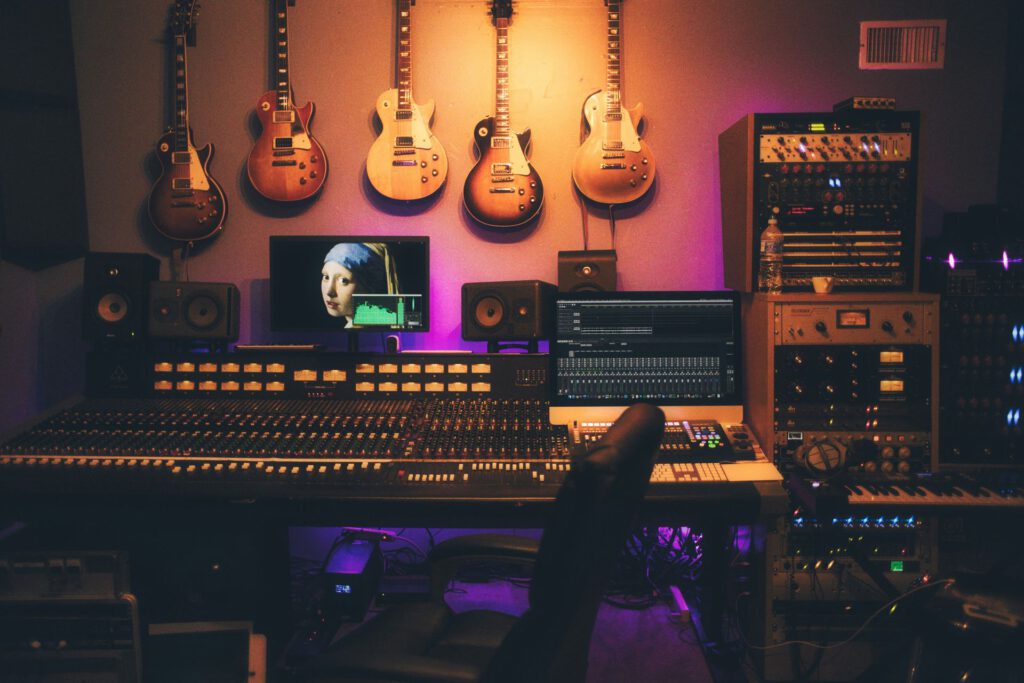
DAWs like Ableton Live have shattered the traditional record-mix-master sequence, letting producers hop between arrangement and sound design like channel surfing.
Modern production thrives on flexibility rather than rigid processes. Templates become your creative launchpad, with color-coded tracks and pre-loaded effects chains that eliminate setup busywork. Bus processing and track grouping turn mixing from a tedious final step into an ongoing creative decision. The most successful producers treat their DAW like a Swiss Army knife—every tool serves multiple purposes, and muscle memory replaces menu diving.
2. Cloud Collaboration Game-Changers
Remote collaboration tools have transformed music production from isolated bedroom sessions into global creative networks.
Splice revolutionized sample sharing while Soundtrap enables real-time collaboration that makes geography irrelevant. File sharing through dedicated music platforms beats email attachments by miles, maintaining audio quality and version control. These tools democratized professional-level collaboration, letting bedroom producers work with vocalists in different time zones or swap stems with producers across continents. The result is hybrid creativity that blends local inspiration with global expertise.
1. AI-Powered Production Assists
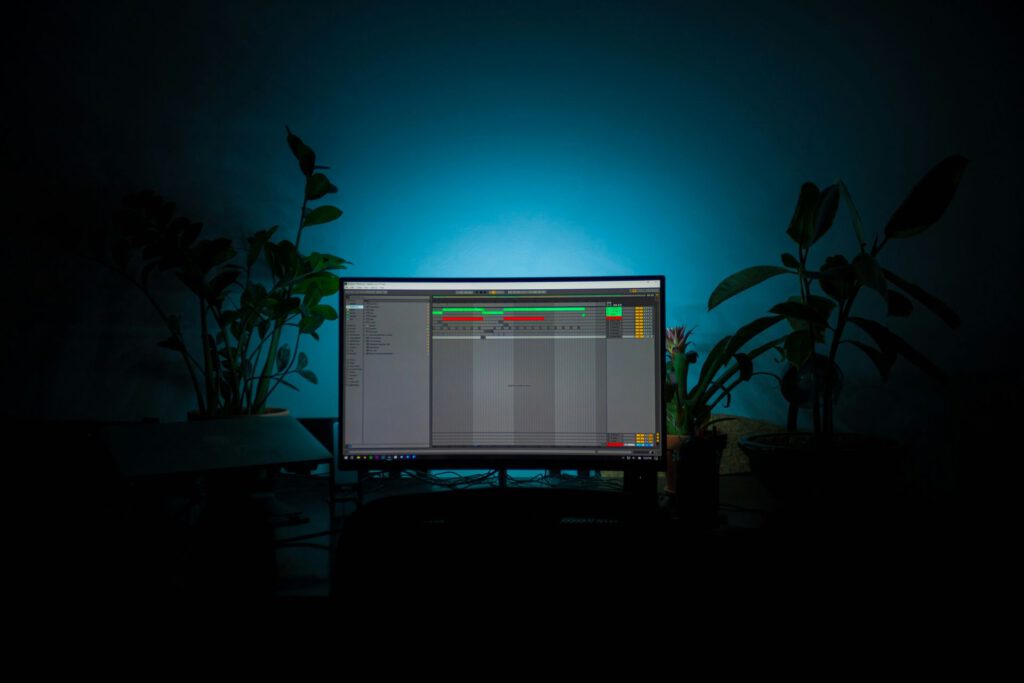
Artificial intelligence has evolved from novelty to necessity, handling repetitive tasks while amplifying human creativity.
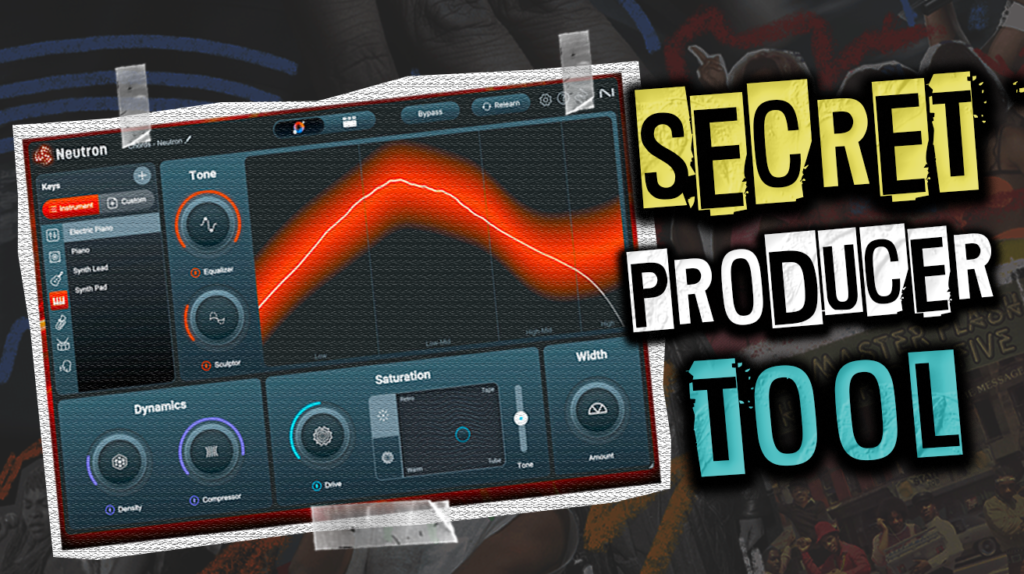
AIVA and Magenta Studio generate compositional starting points that spark rather than replace human input. iZotope’s Neutron and Ozone use machine learning for mixing suggestions that save hours of ear fatigue. Smart automation learns your production patterns, suggesting tempo changes or chord progressions based on genre conventions. The key is treating AI as a creative collaborator rather than a replacement—it handles the technical heavy lifting while you focus on emotional impact.