



Can algorithms really nail what makes a song stick in your head, or are we just getting karaoke versions of classics? Suno AI against the ghosts of post-punk legends like Joy Division and Echo & the Bunnymen. The real question: can AI capture the soul, the angst, the je ne sais quoi that makes music more than just notes?
5. Joy Division’s ‘Love Will Tear Us Apart’ AI Recreation

AI tries to channel depression but sounds more like a therapy session led by a toaster.
Ian Curtis, Joy Division’s lyricist, penned “Love Will Tear Us Apart” amidst epilepsy, depression, and a crumbling marriage. Now compare that raw anguish to Suno AI’s recreation. The result sounds like elevator music trying to be profound, or Ryan Seacrest covering Trent Reznor. It’s missing the blood-on-the-dance-floor vibe that made the original a goth anthem.
Can algorithms ever truly replicate human suffering? This AI rendition feels like a corporate boardroom attempting therapy. AI can nail the notes, but it can’t fake the pain that birthed them.
4. Echo & the Bunnymen’s ‘The Killing Moon’ AI Recreation
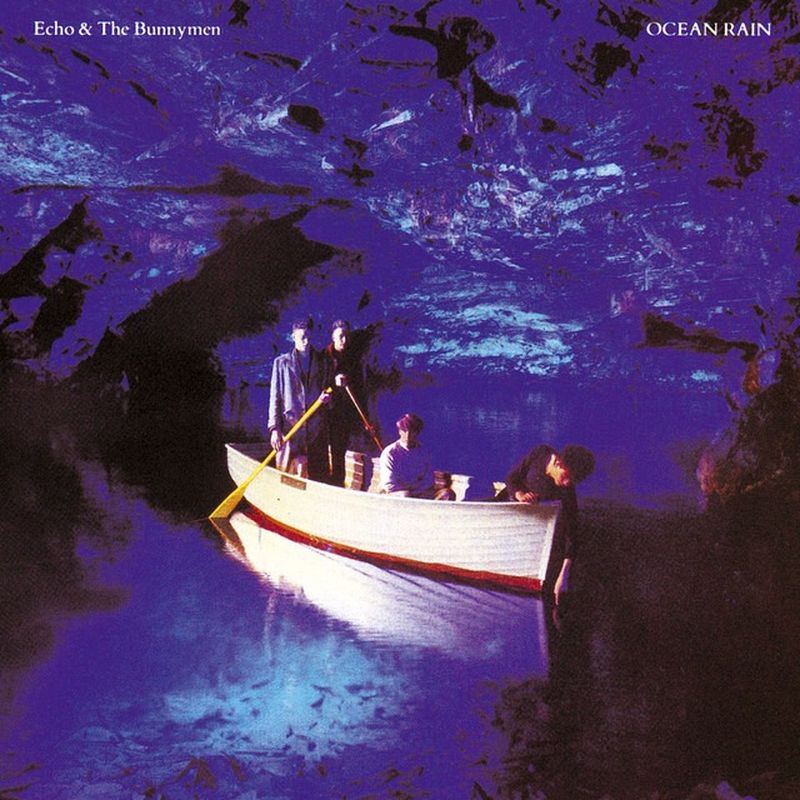
What happens when AI feeds Dave Gilmour through a Bunnymen filter and hopes for magic.
That moody masterpiece deserved better than Suno AI’s interpretation. Someone fed the tool the band’s description plus original lyrics, and what emerged sounds like Dave Gilmour wandering into a Bunnymen session to shred a Pink Floyd guitar solo. It’s technically proficient but missing that weird alchemy that turns sound waves into goosebumps.
Like ordering pizza and realizing they forgot the oregano—all the right ingredients, none of the soul. Makes you wonder if live shows will devolve into watching laptops “perform” on stage.
3. The Fall’s ‘Spoiled Victorian Child’ AI Recreation
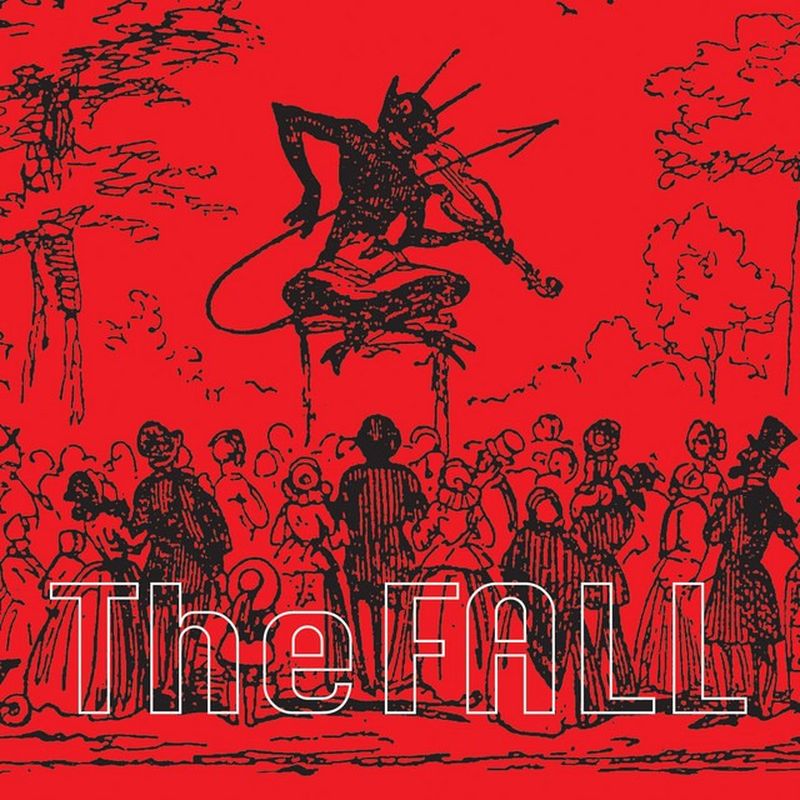
AI grabs random musical tropes, throws them at the wall, and somehow misses entirely.
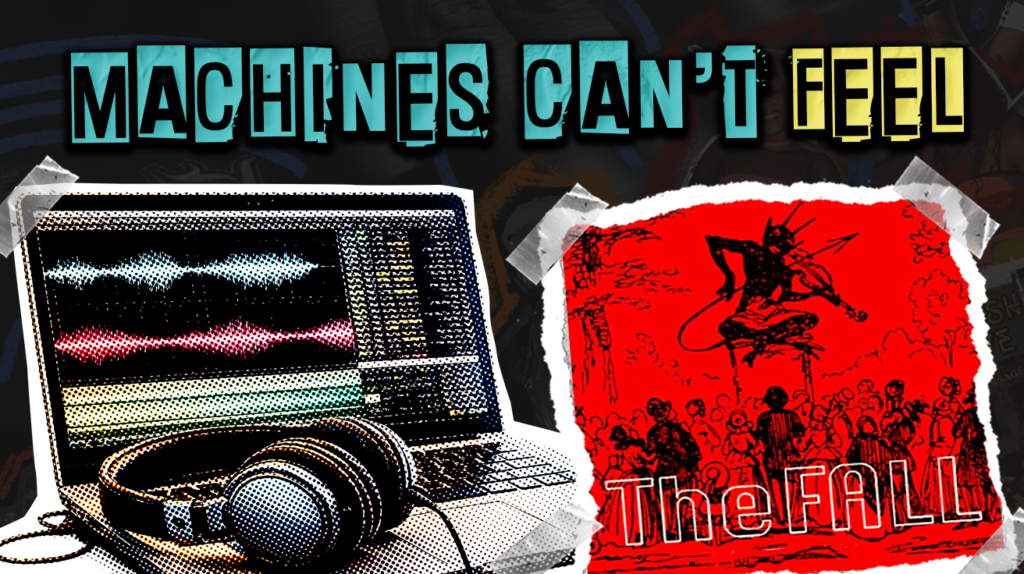
The Fall’s signature abrasiveness, when processed by Suno, resulted in lyrics about “Edwards porcelain walls” sung Billy Idol-style. It’s as if AI grabbed a handful of random musical tropes and hoped something would stick. The track was overwhelmingly mediocre, lacking the unique, abrasive edge that defined The Fall.
This highlights AI’s fundamental problem: it can mimic, but it can’t innovate. The experiment suggests a future where unique artistic styles get homogenized into sonic smoothies.
2. Radiohead’s ‘Everything in Its Right Place’ AI Recreation

Starts like Star-Lord’s mixtape, ends up sounding like Chris Martin had a bad day.
Radiohead’s original was so groundbreaking that critics compared it to alien transmissions. When AI tried recreating “Everything in Its Right Place,” the result landed squarely in suburbia. Using lyrics and chords, Suno AI churned out something that started like an 80’s mixtape but devolved into Coldplay territory.
AI flattens everything into palatable, homogenized sound, smoothing out the “rough edges” that define unique human artistry.
1. The Great AI Homogenization Problem

Every recreation sounds like Coldplay covering your favorite band at a wedding reception.
AI’s biggest flaw when it comes to creating music is pretty clear: everything becomes beige. No matter which artist Suno AI took on, be it Joy Division’s angst, The Fall’s chaos, or Radiohead’s innovation, the output converged toward the same polished but mediocre output. It’s like trying to recreate a dive bar without the requisite twenty years of grime, fist fights, and lost lunches: soul-crushingly sterile.
The algorithm can generate full tracks from prompts in 30 seconds, nailing production but missing the human mess that makes music memorable.