


Dead silence hits harder than any power chord when your favorite artist disappears from the stage. For Billy Joel fans, that silence lasted 11 months—until January 2nd, when the Piano Man walked onto a Florida amphitheater stage with a cane and reminded everyone why his music matters.
The Surprise Wellington Performance
Joel joined tribute band Turnstiles for two songs at a village anniversary celebration.
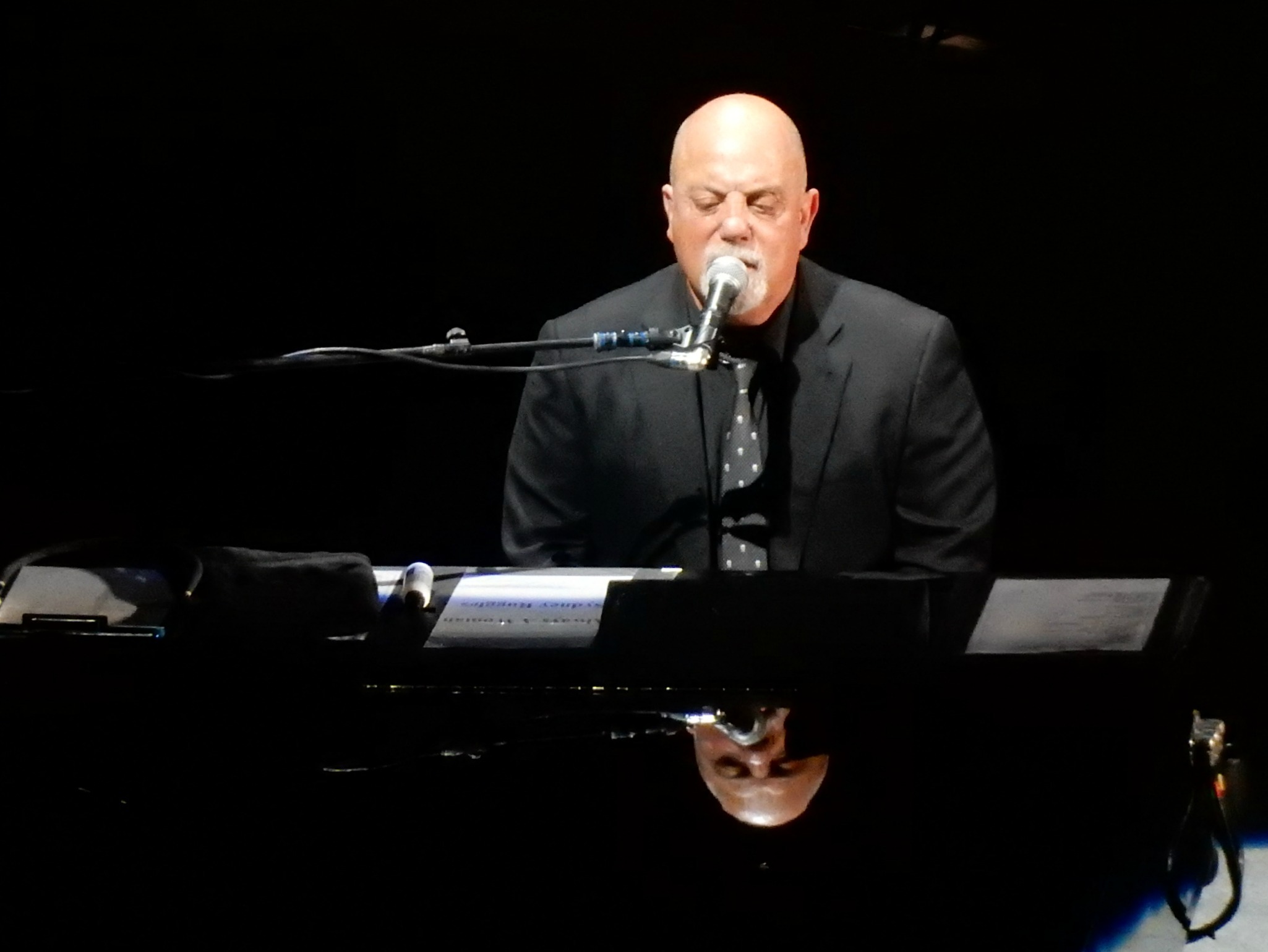
The 76-year-old legend appeared unannounced at Wellington Amphitheater during the Palm Beach village’s 30th anniversary celebration. Walking slowly with a cane and wearing a black knit cap, Joel surprised 6,000 fans by joining Turnstiles—a Billy Joel tribute band—for “We Didn’t Start the Fire” and “Big Shot.”
His timing was flawless, his voice strong, and his humor intact. “I wasn’t planning on working tonight,” he told the crowd before launching into the first verse of his 1989 hit without missing a word. During “Big Shot,” he playfully scolded the drummer for rushing the tempo, proving that even recovering from brain surgery couldn’t kill his perfectionist streak.
Understanding the Medical Journey
Normal pressure hydrocephalus forced Joel to cancel all 2025 tour dates and undergo intensive treatment.
Joel announced his NPH diagnosis in May 2025 after months of mounting symptoms that made performing nearly impossible. The condition occurs when cerebrospinal fluid builds up in the brain, creating pressure that affects hearing, vision, and balance—exactly the skills a live performer needs most.
Imagine trying to play piano when the keys blur together or attempting to hit vocal runs when your inner ear feels like it’s swimming. Joel described the diagnosis as “scary” but reassured fans through People magazine: “I’m okay… I just wanted to let people know, don’t worry about me being deathly ill or anything.”
Treatment typically involves surgical drainage through a VP shunt, followed by extensive physical therapy.
A Measured Return to Music
Choosing a tribute band collaboration suggests strategic pacing in Joel’s recovery approach.
This wasn’t a full Billy Joel concert—it was something more meaningful. By joining a tribute band rather than mounting his own show, Joel demonstrated the kind of measured wisdom that comes from understanding your limitations while refusing to let them define you.
The performance went viral across social media, not just because fans missed him, but because it represented hope. Sometimes the most powerful comeback isn’t a stadium tour announcement—it’s two songs with a local tribute band, proving that music finds a way back to those who need it most.