



Few film lists can deliver legit surprises, but this ain’t your typical stroll through the same old studio-approved blockbusters. These aren’t just B-movies collecting dust; they’re cult classics that flipped the bird at convention, pissed off studio execs, and shaped the tastes of directors you worship today. Get ready to tweak your streaming queue with titles that prove the ’80s were way weirder—and cooler—than you remember.
6. Melvin and Howard
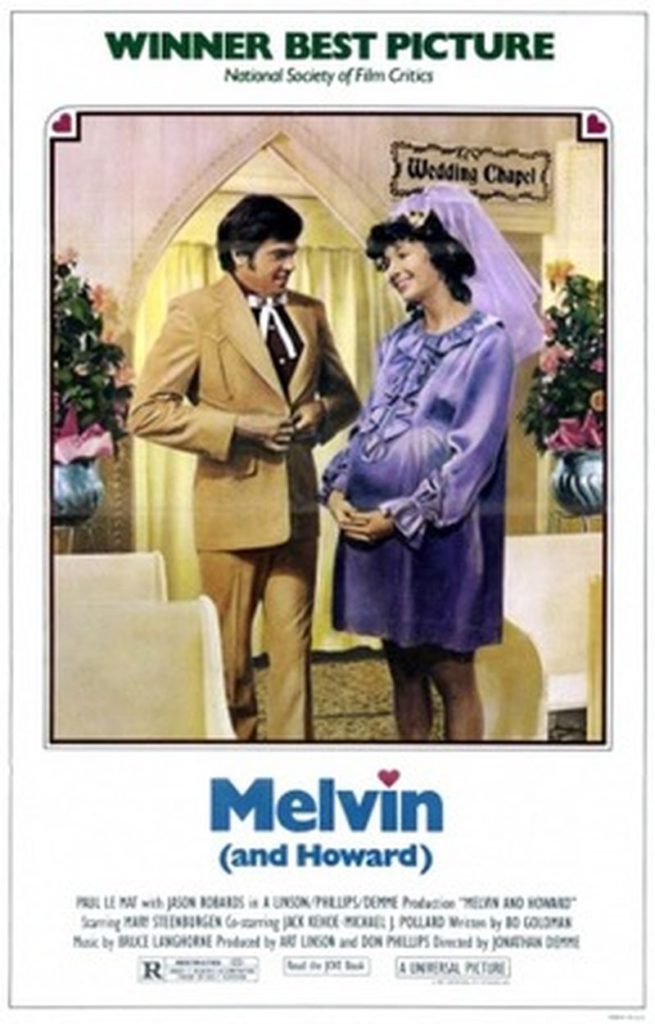
Jonathan Demme’s masterclass in grit meets Hollywood dreams.
Jonathan Demme, who later directed Silence of the Lambs, spun a yarn about a guy who claimed to have rescued Howard Hughes in the desert. It’s like Forrest Gump with more grit and less CGI sentimentality. The flick snagged Oscars for screenplay and Mary Steenburgen, but its real legacy might be Paul Thomas Anderson calling it a major influence.
The quirky story clearly messed with PTA’s head, and the Criterion re-release proves Melvin and Howard has legs. Decades later, you can’t help but wonder: what’s the secret to a film that blends grit, eccentricity, and a dash of the bizarre?
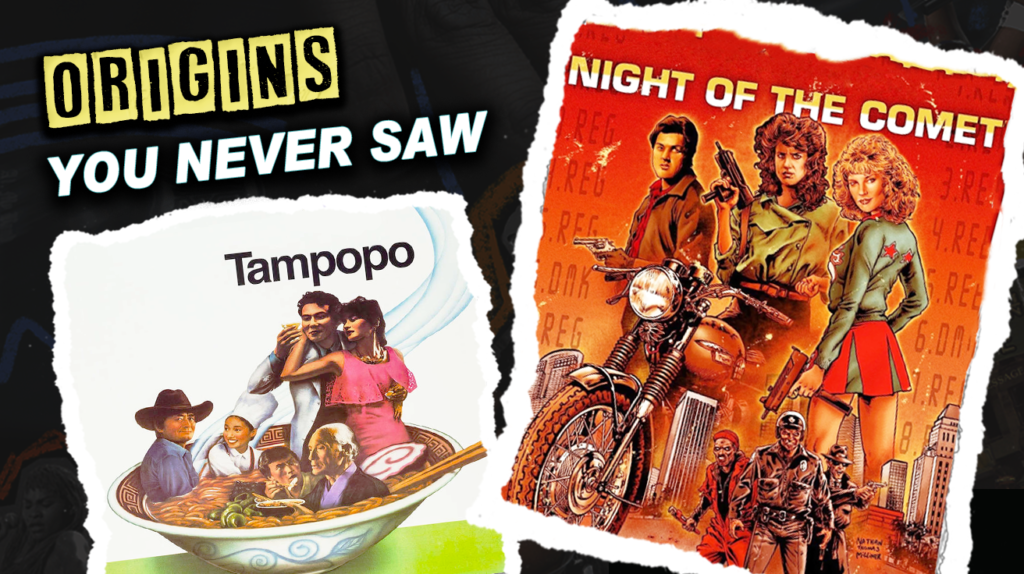
5. Tampopo
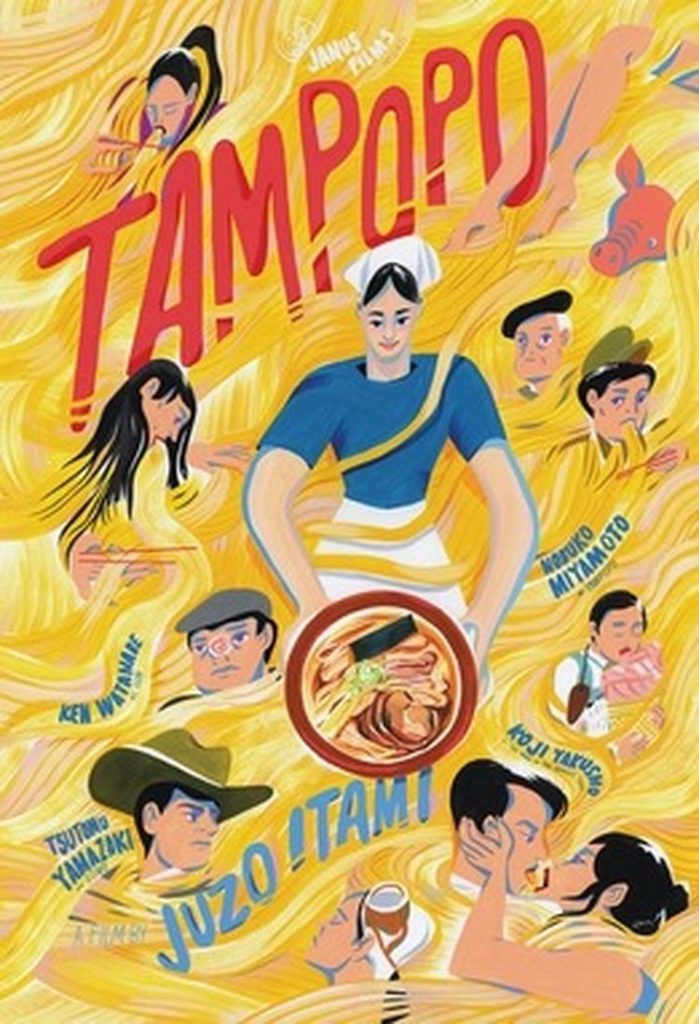
The ramen western that turned noodle slurping into high art.
Earning over $1 million in the U.S. might not sound like much now, but back in ‘86, that made Tampopo a straight-up arthouse sensation. Directed by Juzo Itami, this flick calls itself a “ramen western,” and you get why. The film’s got showdowns, just with noodles instead of six-shooters.
Ken Watanabe pops up early in his career, but the real star is the quest for the perfect bowl. Ramen restaurants in Japan use scenes from this movie to train their staff. Paul Thomas Anderson even called it one of the funniest films ever. It’s like Reservoir Dogs meets Iron Chef, and it’s pure cinematic umami.
4. Night of the Comet
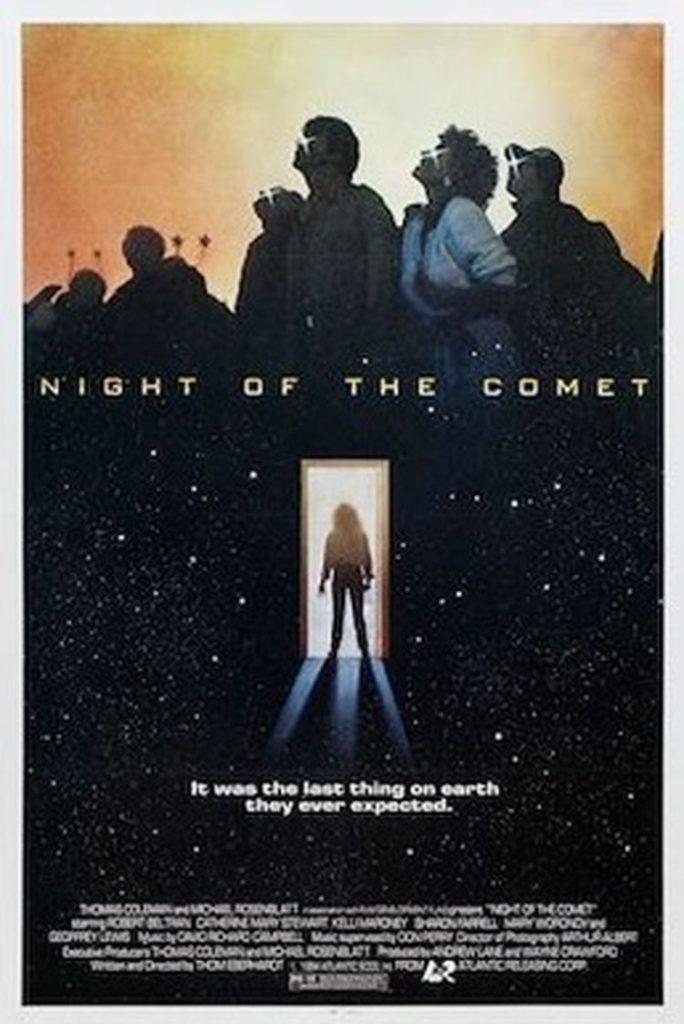
Valley girls versus zombies—and the valley girls win.
Ever side-eye zombie flicks for being the same old undead grind? Night of the Comet flips that script like a valley girl changing channels. Made for just $700,000, this flick grossed $14 million, proving you don’t need blockbuster budgets to create a cult classic.
Joss Whedon caught its vibe, inspiring Buffy the Vampire Slayer, and Quentin Tarantino copped to its influence on Death Proof. Shooting guerrilla-style on Christmas morning while LA was a ghost town? Now that’s how you make movie magic, even if it meant bending a few laws.
3. Brazil
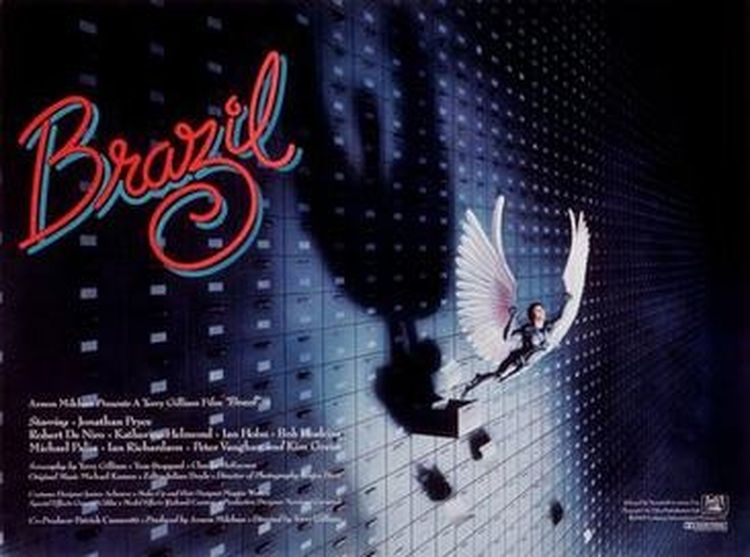
Terry Gilliam’s bureaucratic nightmare that made studio suits sweat.
Critics initially dismissed Brazil, Terry Gilliam’s dystopian flick, but the studio execs definitely hated it more, demanding cuts faster than a TikTok trend cycle. Gilliam fought back, dropping cash on ads in Variety—a baller move that screamed, “My vision, or nothing!”
Inspired by 1984 and Metropolis, Brazil paints bureaucracy gone wild, like Kafka directing a cyberpunk rave. Where other ’80s dystopian films built sleek futures, Brazil welded its world from industrial scrap. Gilliam’s dedication is like a guitar solo that shreds faces and melts hearts: uncompromising, unforgettable, and loud enough to piss off the neighbors.
2. Prince of the City
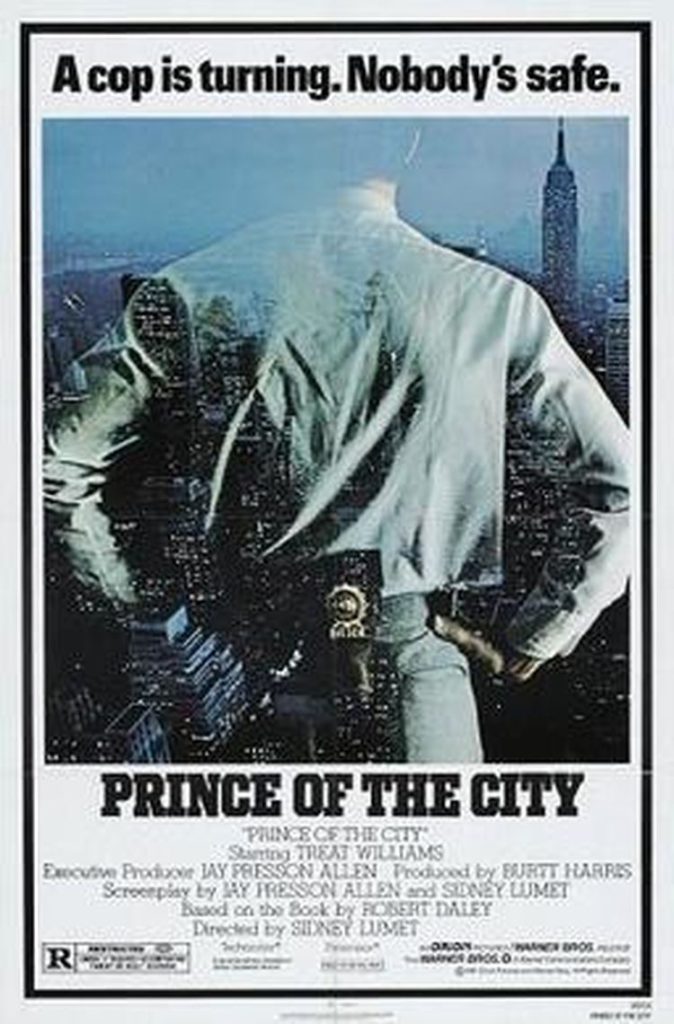
Sidney Lumet’s three-hour deep dive into NYPD corruption.
Prince of the City, directed by Sidney Lumet, is an almost three-hour descent into police corruption that didn’t exactly mint money at the box office. The NYPD narcotics detective starts out wanting to bust bad guys, but there were 126 speaking roles showing how corruption spreads like wildfire through the department.
Picture Serpico with a Scorsese soundtrack, but less righteous. The cop slowly trades his soul for what exactly? Fans of The Wire might appreciate this unflinching look at how good intentions get twisted in the machinery of institutional rot.
1. Desert Hearts
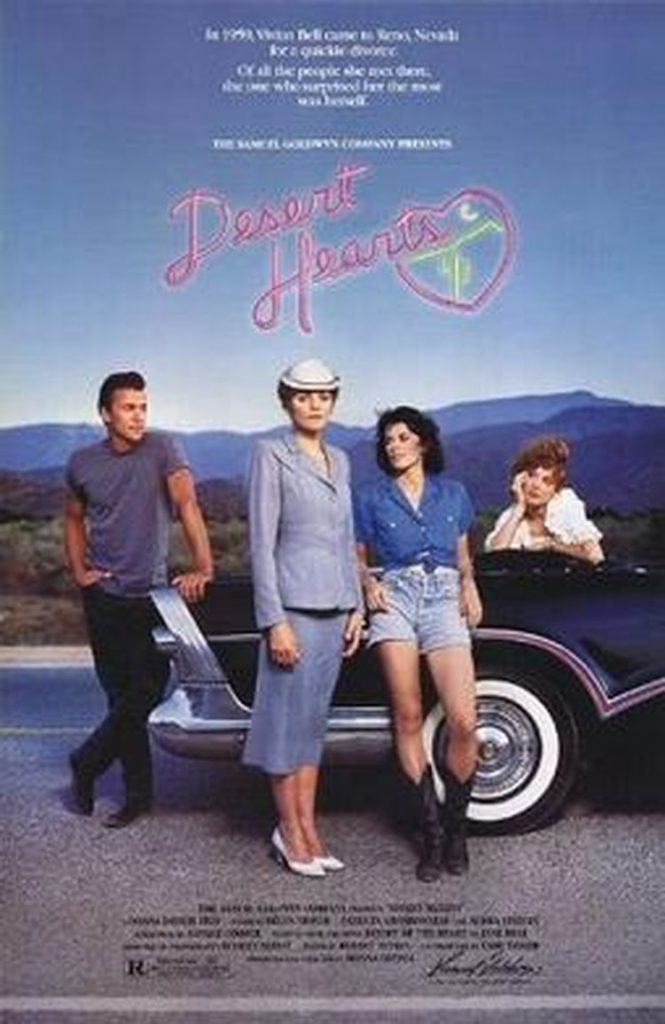
The indie lesbian romance that dared to end happily.
Studios wanted Desert Hearts to end in tragedy, but Donna Deitch flipped the script, giving sapphic cinema one of its first happy endings. Helen Shaver and Patricia Charbonneau starred in this indie gem, which Deitch independently funded, dodging studio interference to tell a story about love, not loss.
Unlike the studio execs, Deitch understood that representation matters. Anyone who’s ever watched a butchered director’s cut knows how rare it is when a filmmaker gets to tell their story without compromise. What’s the point of a film if not to hold up a mirror to reality, even if that reality makes some people clutch their pearls?