


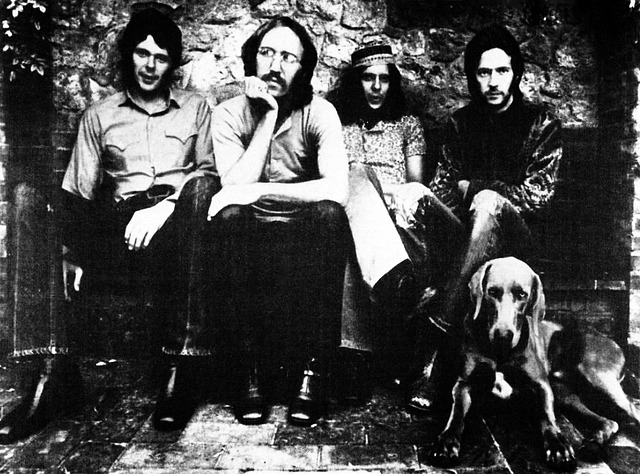
Session musicians rarely get proper credit, but Bobby Whitlock spent decades fighting for acknowledgment of his contributions to rock’s most revered albums. The co-founder of Derek and the Dominos died August 10 at his Texas home after a brief illness, leaving behind a legacy carved into the grooves of Layla and Other Assorted Love Songs and George Harrison’s All Things Must Pass. His manager Carole Kaye confirmed Whitlock passed at 1:20 a.m., age 77.
You know Whitlock’s work even if his name never registered. That Hammond B3 weaving through Derek and the Dominos tracks? His fingers guided those soul-drenched melodies. The keyboards anchoring Harrison’s triple album? Whitlock laid down those foundational sounds before the Dominos even existed as a band.
Yet like many session players from the era’s cross-pollination between Memphis soul and British rock, proper attribution became a lifelong crusade that often overshadowed his musical achievements.
From Memphis Soul to Rock Royalty
Whitlock’s journey from Stax Studios to legendary albums reads like rock mythology made real.
Born in Memphis’s Stax Studios orbit, Whitlock emerged from the city’s soul scene before joining Delaney & Bonnie. That connection led him to:
- Eric Clapton
- Eventually across the Atlantic for those legendary Harrison sessions
The young keyboardist found himself at the center of rock history, playing on sessions that would become essential albums.
Layla and Other Assorted Love Songs stands as Derek and the Dominos’ sole studio achievement—what Whitlock called “lightning in a bottle.” He co-wrote seven of fourteen tracks, including:
- “Tell the Truth”
- “Why Does Love Got to Be So Sad?”
The band managed one failed second album attempt before imploding, but that 1970 double LP secured their place in rock canon.
The Credit Wars Begin
Whitlock’s later years were marked by public battles over musical attribution that revealed industry blind spots.
Credit disputes shadowed Whitlock’s legacy. He publicly contested keyboard attributions on All Things Must Pass, asserting his dominant Hammond role over Gary Wright’s contributions. Similar disputes arose over:
- Exile on Main St.-era Rolling Stones sessions
- His claimed co-writing on “I Just Want to See His Face” (never materialized in official credits)
A 2021 YouTube video advancing these claims was later deleted, highlighting the murky nature of session credit disputes from rock’s golden age.
Finding Peace in Art and Recognition
Whitlock’s final decades brought new creative outlets and long-overdue acknowledgment.
After withdrawing from music in 1976, he returned with acoustic interpretations alongside wife CoCo Carmel and pursued painting with extensive Texas gallery showings. The man who once crafted Hammond lines for rock immortality found fresh expression through visual art.
Memphis finally honored its native son with a 2024 Beale Street Walk of Fame induction. The recognition came late, but Whitlock’s Hammond lines continue speaking for themselves every time someone drops the needle on “Layla.” His battle for proper credit may have ended, but the music he helped create remains eternal.