



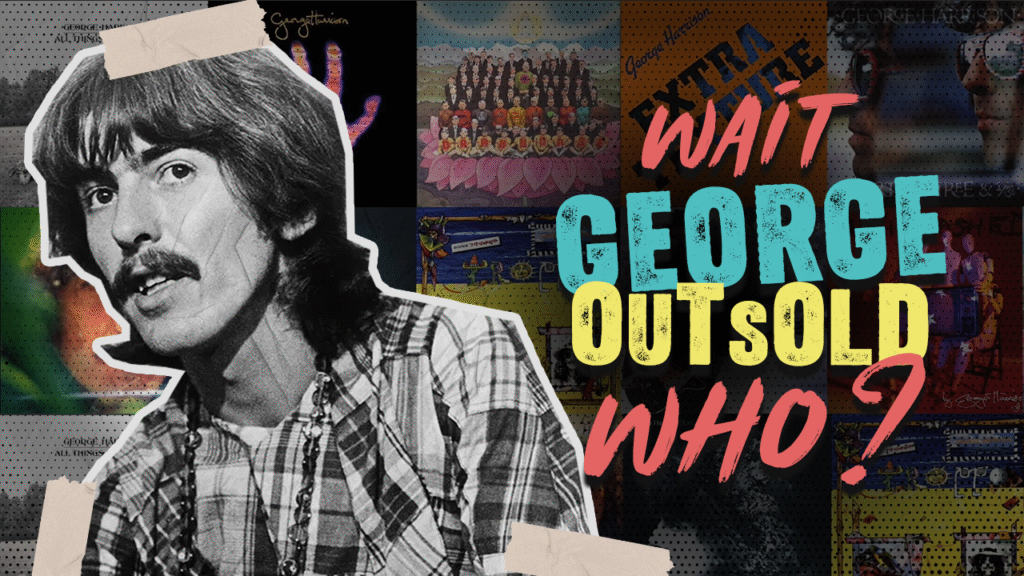
While his Beatles bandmates scrambled to prove their solo worth, George Harrison quietly delivered the best-selling triple album in rock history with his 1970 debut “All Things Must Pass”—outselling John Lennon’s “Plastic Ono Band” and Paul McCartney’s “McCartney” combined. The “Quiet Beatle” had been stockpiling songs for years, waiting for his moment to unleash decades of pent-up creativity that ranged from transcendent masterpieces to delightfully quirky experiments. His nine essential albums showcase an artist who treated music as both spiritual practice and sonic playground, never afraid to chase a slide guitar melody down whatever path it led him. These records prove that sometimes the quiet ones have the most interesting things to say once you give them the microphone.
9. Brainwashed (2002)
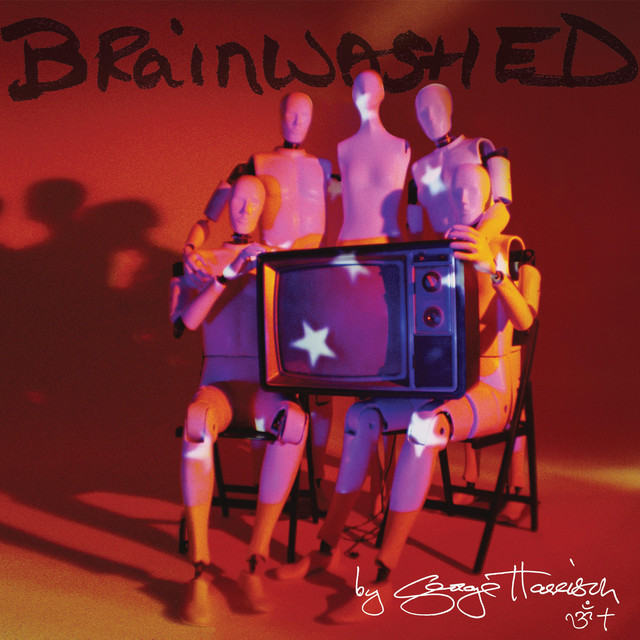
Harrison’s final statement, completed posthumously by son Dhani and producer Jeff Lynne, reached #18 on the Billboard 200 and reads like a farewell letter opened after the sender’s departure. The album addresses mortality with the wisdom of someone who spent decades contemplating life’s biggest questions while tuning guitars and seeking truth. “Any Road” offers playful philosophy that could soundtrack any soul-searching road trip, while “Marwa Blues” showcases guitar work that remained impeccable until the very end.
The album confronts death without fear or denial, displaying the serene acceptance of someone who understood that all things must indeed pass. Like the perfect final season of a beloved series, Brainwashed provides closure to Harrison’s musical journey while addressing the ultimate transition with characteristic wisdom and dry humor.
8. All Things Must Pass (1970)
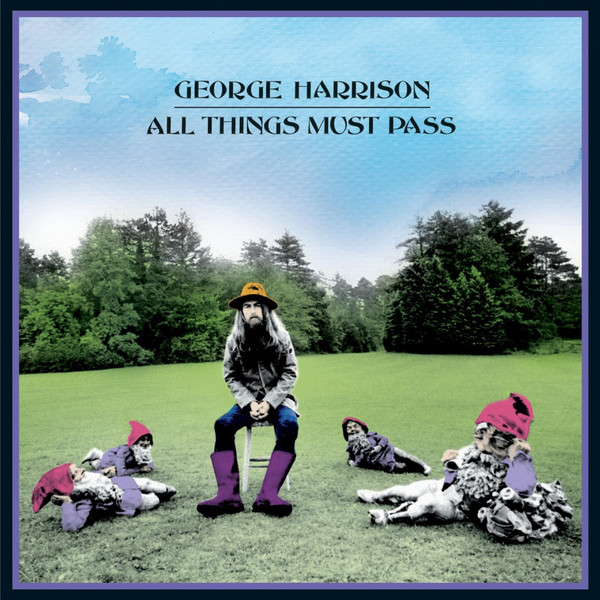
Harrison’s triple-album debut didn’t just announce his solo arrival—it detonated like a musical atomic bomb that’s still sending shockwaves through speakers today. This monumental collection spent seven weeks at #1 and became the best-selling triple album in rock history, unleashing years of songs that had been gathering dust while Lennon-McCartney dominated the spotlight. Phil Spector’s Wall of Sound production transforms Harrison’s intimate spiritual musings into cathedral-sized revelations that make you feel like you’re hearing the voice of God through Marshall stacks.
“My Sweet Lord” hit #1 in 13 countries, becoming the perfect gateway drug between Eastern spirituality and Western pop sensibilities, while “What Is Life” delivers enough guitar firepower to resurrect the dead. Harrison’s innovative playing style would later earn him recognition among the top 100 greatest guitarists of all time. The album tackles enlightenment, heartbreak, and cosmic questions with the confidence of someone who’s finally found their voice after years of harmonizing in the background.
7. Dark Horse (1974)
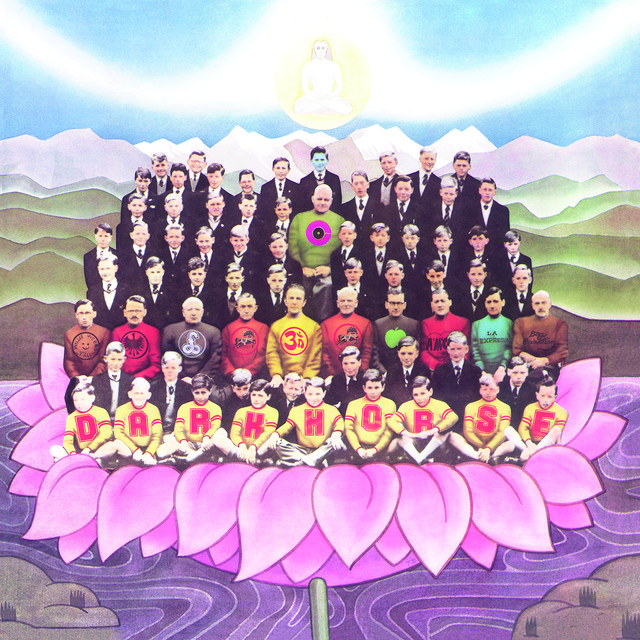
Harrison’s 1974 album peaked at #14 despite capturing him at maximum vulnerability—both vocally and emotionally. Recorded while battling laryngitis and navigating divorce from Pattie Boyd, the album’s rough edges reflect personal struggles with uncomfortable authenticity. His strained vocals on tracks like “So Sad” don’t diminish the emotional impact but enhance it, like hearing a friend’s voice crack while sharing difficult truths over late-night coffee.
The title track addresses his crumbling marriage with surprising directness, while exploring his continuing fascination with world music influences. Though not his most polished work, Dark Horse offers rare insight into a spiritual seeker temporarily losing his way but still searching for light in the darkness.
6. George Harrison (1979)
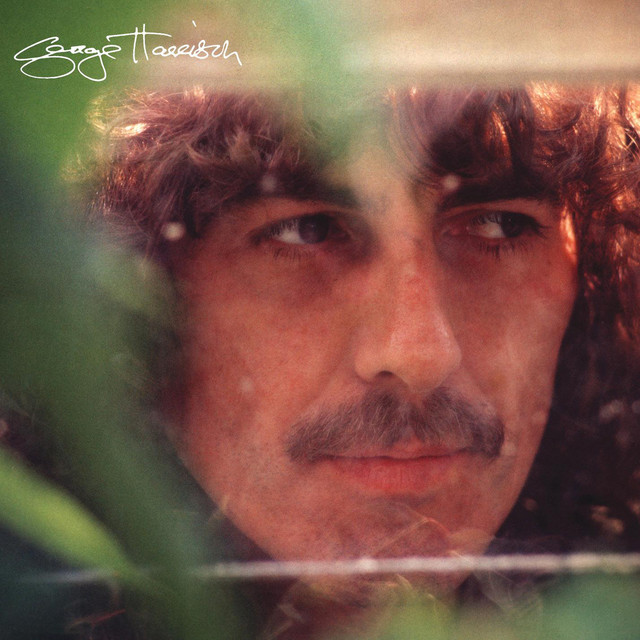
Harrison’s self-titled 1979 release peaked at #14 and feels like being invited into his living room for an intimate musical conversation over tea and biscuits. After years of grand philosophical statements, he created something refreshingly direct and personal—the musical equivalent of trading formal robes for comfortable jeans and a favorite t-shirt. The gentle guitar work on “Love Comes to Everyone” creates an atmosphere so warm it could heat a small apartment.
“Blow Away” reached #16 on the Hot 100, transforming a simple sentiment into something profound through melodic genius and sincere delivery that cuts straight to the heart. The album presents Harrison at his most accessible, crafting straightforward songs that connect emotionally without requiring a degree in Eastern philosophy—proving he could reach souls without always aiming for the stratosphere.
5. Living in the Material World (1973)
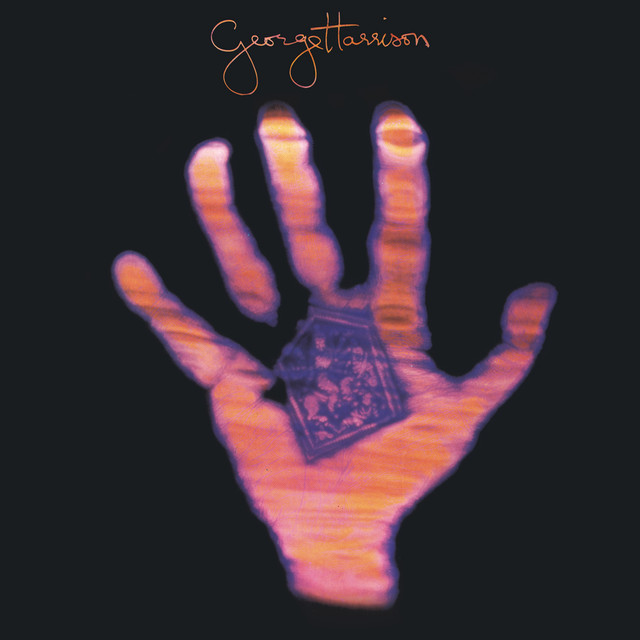
Harrison’s 1973 follow-up topped the US Billboard 200 and dives headfirst into the contradiction of being a spiritual seeker with a Ferrari collection and a mansion filled with expensive guitars. The album conquered charts with “Give Me Love (Give Me Peace on Earth)” hitting #8 on the Hot 100—a luminous prayer disguised as a pop song that manages to sound both desperate and hopeful. His slide guitar work throughout creates an ongoing conversation between earthly desires and cosmic aspirations.
The title track wrestles openly with materialism’s grip on the soul, while songs like “The Light That Has Lighted the World” offer glimpses of enlightenment between the struggle. This album captures someone genuinely trying to live their spiritual principles in a world designed to test them at every turn—a theme that feels remarkably current in our age of mindfulness apps and luxury yoga retreats.
4. Gone Troppo (1982)
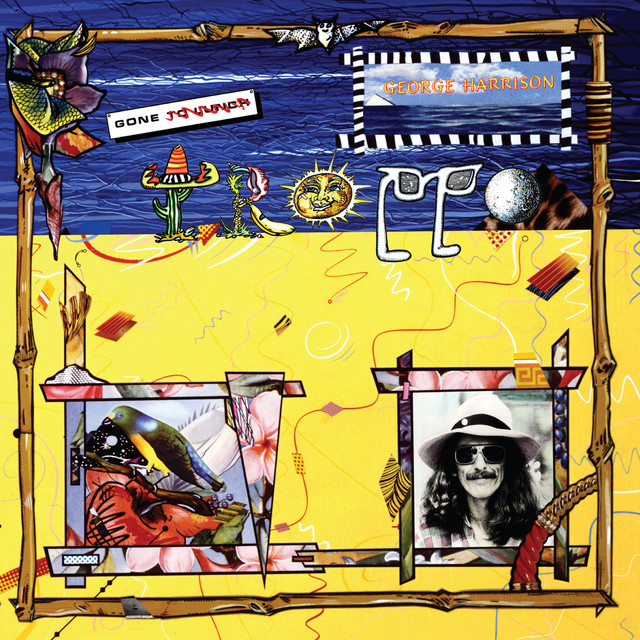
Harrison’s tropical-themed 1982 release stalled at #108 on the Billboard 200, showing an artist temporarily checking out of the music industry rat race like a stressed executive finally taking that beach vacation and leaving his phone at home. The title, Australian slang for “gone crazy,” perfectly captures the album’s carefree vibe and Harrison’s temporary retreat from serious artistic statements. Songs like “Wake Up My Love” contain flashes of brilliance amid the relaxed atmosphere.
Released with minimal promotion during MTV’s heyday, Gone Troppo performed poorly commercially but has developed cult charm over the decades. Even when creating his least focused work, Harrison’s melodic gifts occasionally break through like sunbeams piercing clouds—proving that even his musical vacations were worth taking.
3. Cloud Nine (1987)
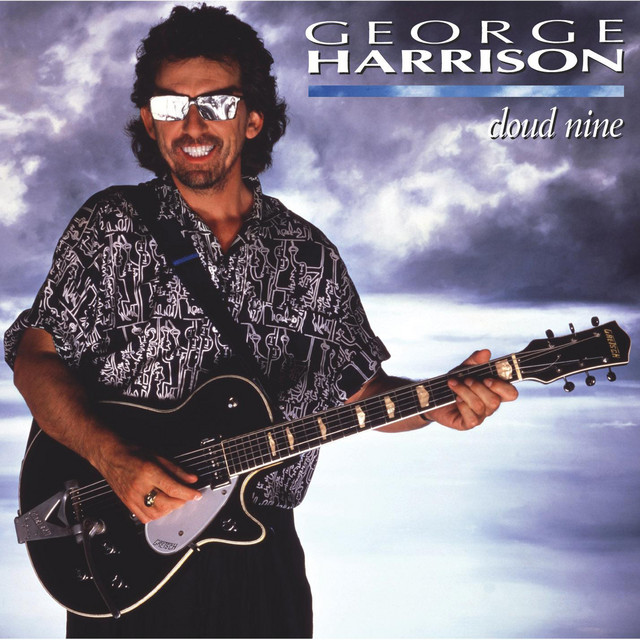
After years in the commercial wilderness, Harrison’s collaboration with ELO’s Jeff Lynne produced the kind of comeback album that makes industry executives weep with joy. This 1987 release peaked at #8—Harrison’s highest chart position in over a decade—and sounds like Harrison discovered the fountain of youth and decided to bottle it with synthesizers and pristine production values. The partnership created music so crisp you could cut diamonds with it, proving that sometimes artistic resurrection requires the right producer at the right moment.
“Got My Mind Set On You” hit #1 on the Billboard Hot 100, conquering MTV and radio with shameless efficiency, while “When We Was Fab” nodded to his Beatles past with the perfect blend of nostalgia and self-awareness. The album strikes that impossible balance between commercial accessibility and artistic integrity—like finding the perfect vintage leather jacket that somehow looks both timeless and contemporary.
2. Thirty Three & 1/3 (1976)
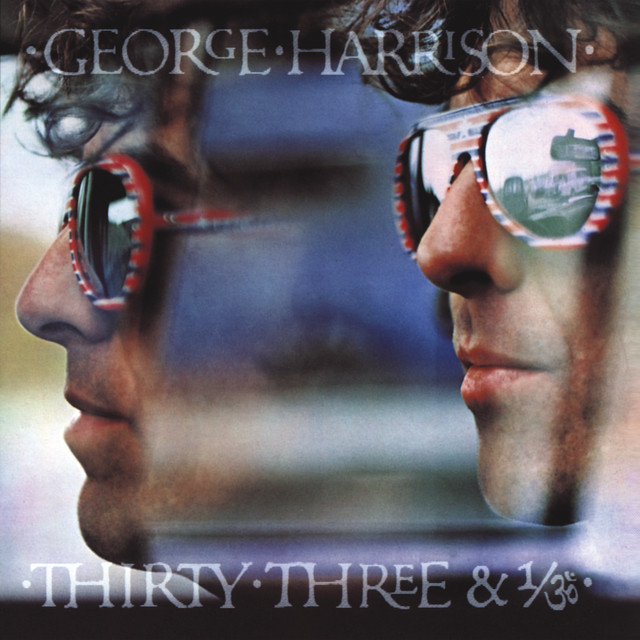
Released when Harrison was exactly 33⅓ years old (clever nod to vinyl’s standard playing speed), this album peaked at #11 and marks his pivot toward lighter themes after years of spiritual heavy lifting. The delightfully eccentric “Crackerbox Palace” showcases Harrison’s playful side, complete with a surreal music video directed by Monty Python’s Eric Idle that feels like a fever dream about celebrity culture. The album breathes with newfound relaxation, like Harrison finally loosened his metaphysical belt after too many cosmic meals.
His trademark slide guitar dances over funkier arrangements, particularly on the Cole Porter cover “True Love,” proving Harrison could swing without abandoning his sophistication. This refreshing change revealed his versatility and hinted at creative directions that would influence his later work—showing that even enlightened beings need to kick back occasionally.
1. Somewhere in England (1981)
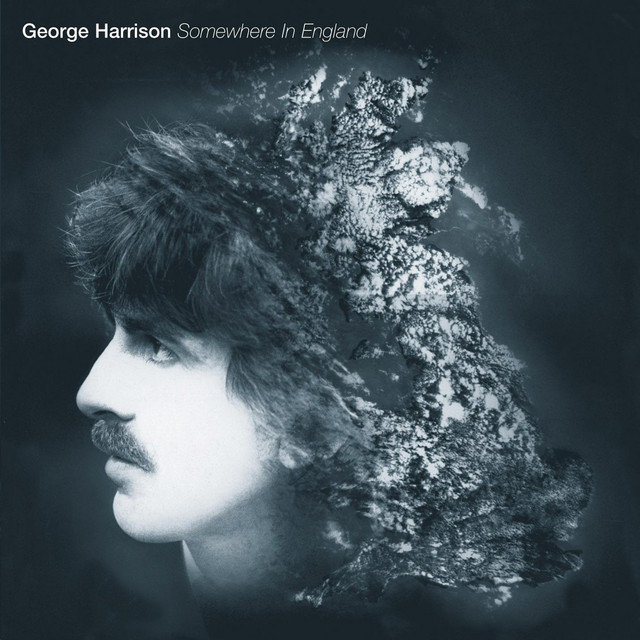
This 1981 release peaked at #11 and emerged from one of music’s darkest periods, following John Lennon’s senseless murder. Harrison channeled collective grief into “All Those Years Ago,” which reached #2 on the Hot 100 and featured Ringo Starr on drums and Paul McCartney on backing vocals—a Beatles reunion nobody wanted under these tragic circumstances. The song became both eulogy and celebration, honoring a fallen friend while affirming life’s precious fragility.
Record company interference forced Harrison back to the studio multiple times, creating an uneven listening experience like a carefully planned garden with random flowers planted by an overzealous neighbor. Despite corporate meddling, Harrison’s resilience shines through on tracks like “Blood from a Clone,” which ironically criticizes the very industry demands that shaped the album’s troubled creation. Through it all, Harrison continued to employ the songwriting secrets that defined his uniquely reflective approach to music.