



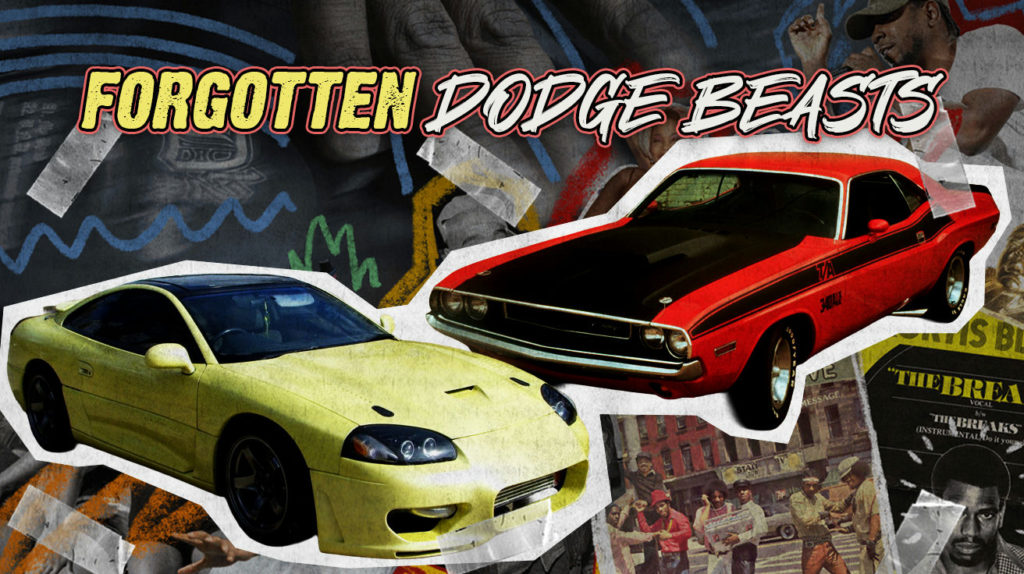
Picture a time when Dodge dared to defy every automotive convention, much like how underground artists challenge mainstream music. These experimental muscle cars stretched limits and broke molds, producing a lineage of uniquely powerful models that deserve your attention. You’re about to discover rare beasts that most enthusiasts overlook—each one a hidden gem waiting to be appreciated.
15. 1986 Dodge Omni GLHS (Exterior)
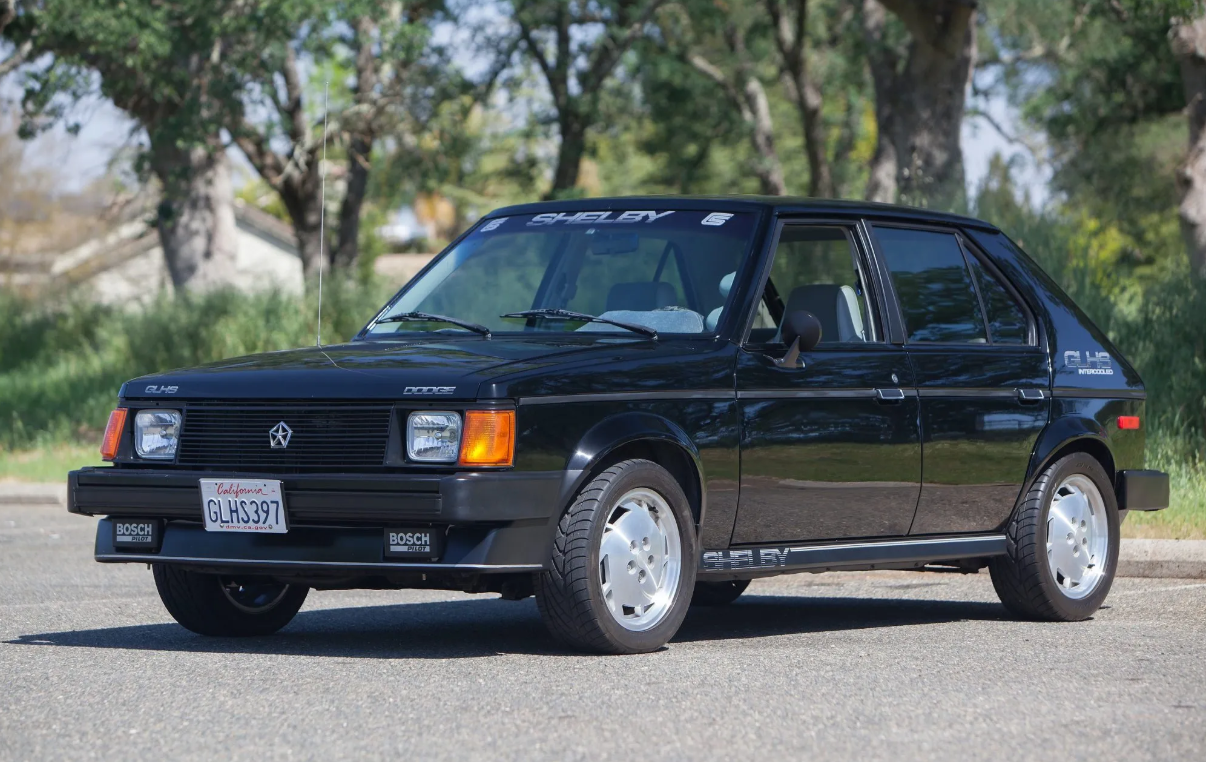
Imagine dawn breaking and feeling the rumble of an unassuming boxy hatchback that looked like a grocery-getter but performed like a rocket. The Shelby Omni GLHS defied every visual expectation with its understated appearance.
This car produced 175 horsepower from a turbocharged 135 cubic inch 4-cylinder engine, earning its memorable name “Goes Like Hell S’more.” The exterior modifications were subtle but purposeful, focusing on performance over flash.
1986 Dodge Omni GLHS (Interior)
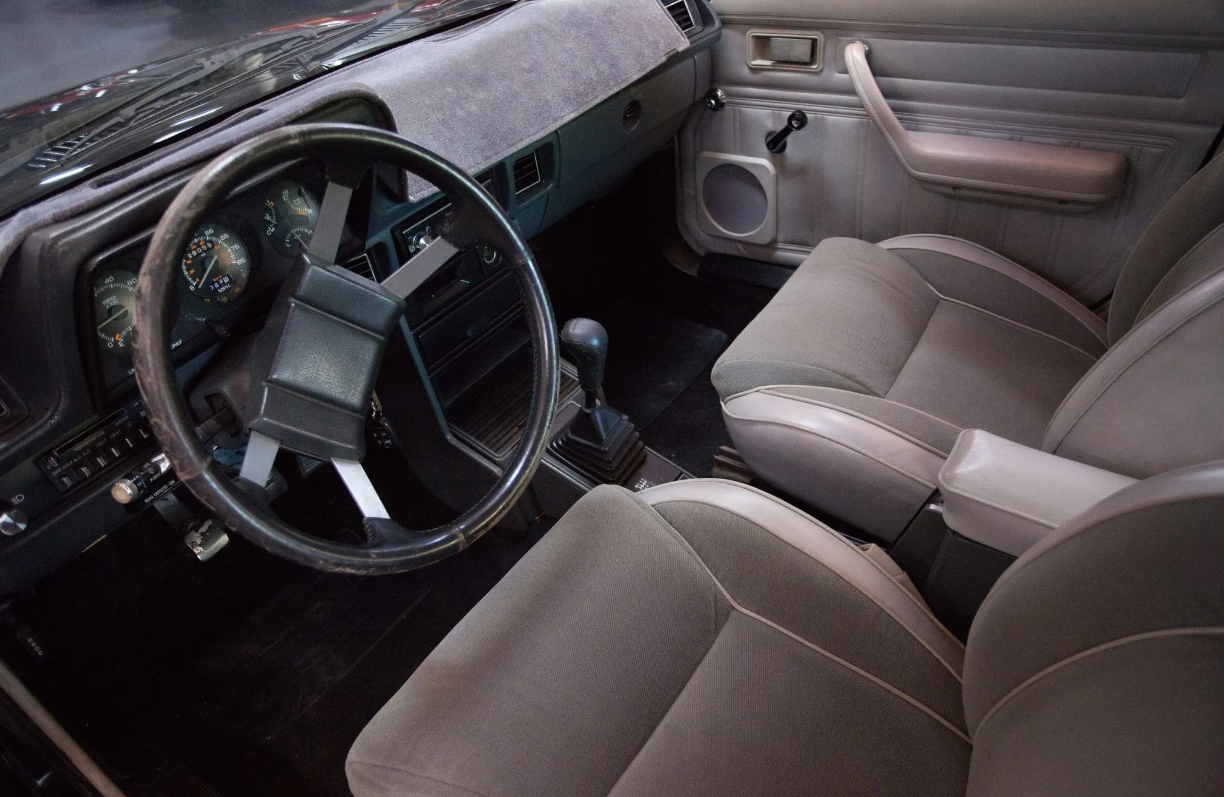
Inside, the GLHS was fitted with Koni adjustable shocks and stiffer springs that transformed the driving experience completely. Wider 15-inch alloy wheels wrapped in performance tires connected the interior experience to serious capability.
A numbered plaque sat proudly on the dashboard, marking each of the 500 examples as something special. According to Hagerty, clean examples now command $25,000-$40,000, making this daily driver a rare treasure that deserved respect.
14. 1970 Dodge Challenger TA (Exterior)
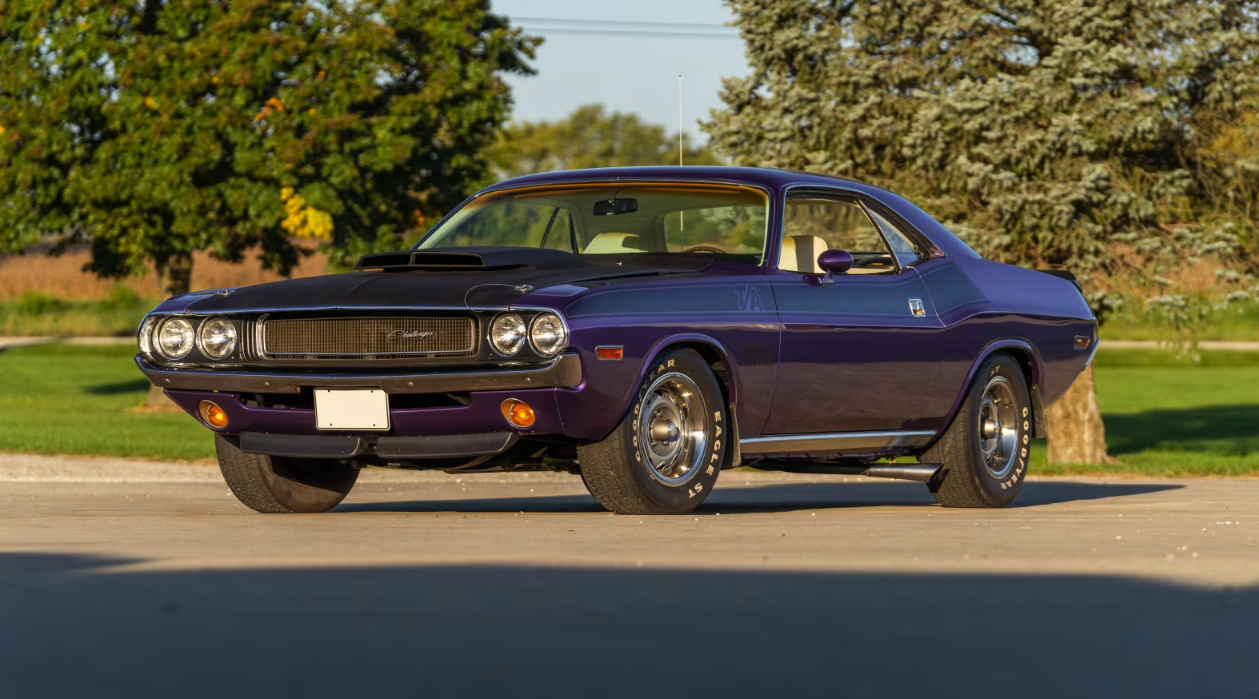
The TA or Trans Am racing series inspired the 1970s Dodge Challenger’s design and elevated it to icon status among those who knew. Its 340 cubic inch V8 engine, with three two-barrel carburetors, delivered streetable power that probably exceeded its 290 horsepower rating.
A huge scoop on its fiberglass hood forced more air into its engine. Its pipes ran to the muffler and then exited in front of the rear wheels, creating an aggressive soundtrack that announced its presence.
1970 Dodge Challenger TA (Interior)
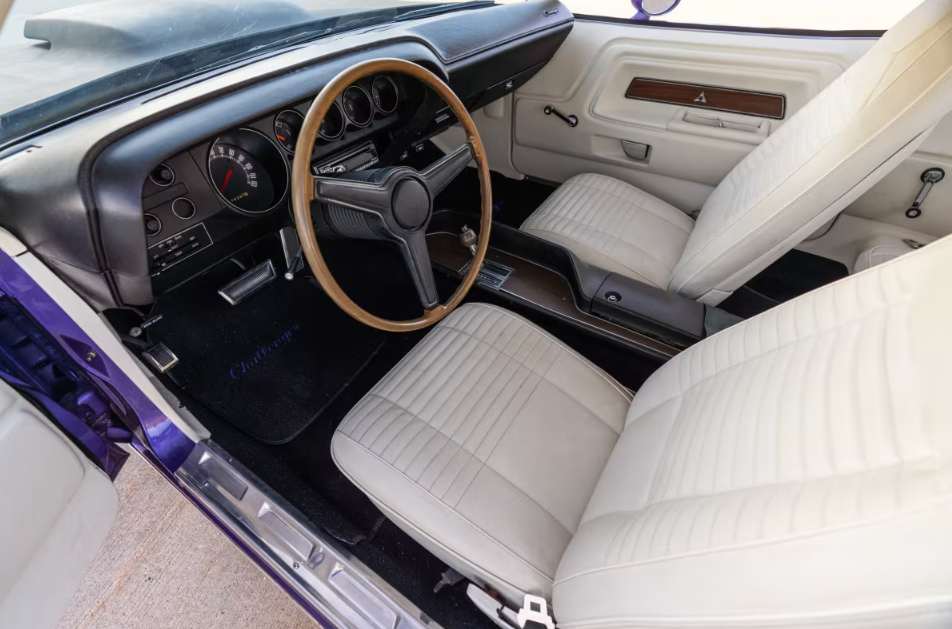
Inside, the TA delivered race-inspired functionality without sacrificing street manners. It used E60x15 front tires and G60x15 rear tires for an aggressive stance that drivers could feel through the steering wheel.
The cockpit emphasized driver engagement over luxury, with gauges and controls positioned for performance driving. Despite rumors, these cars balanced track capability with daily usability—a rare achievement in muscle car history.
13. 1977 Dodge Monaco 400 (Exterior)
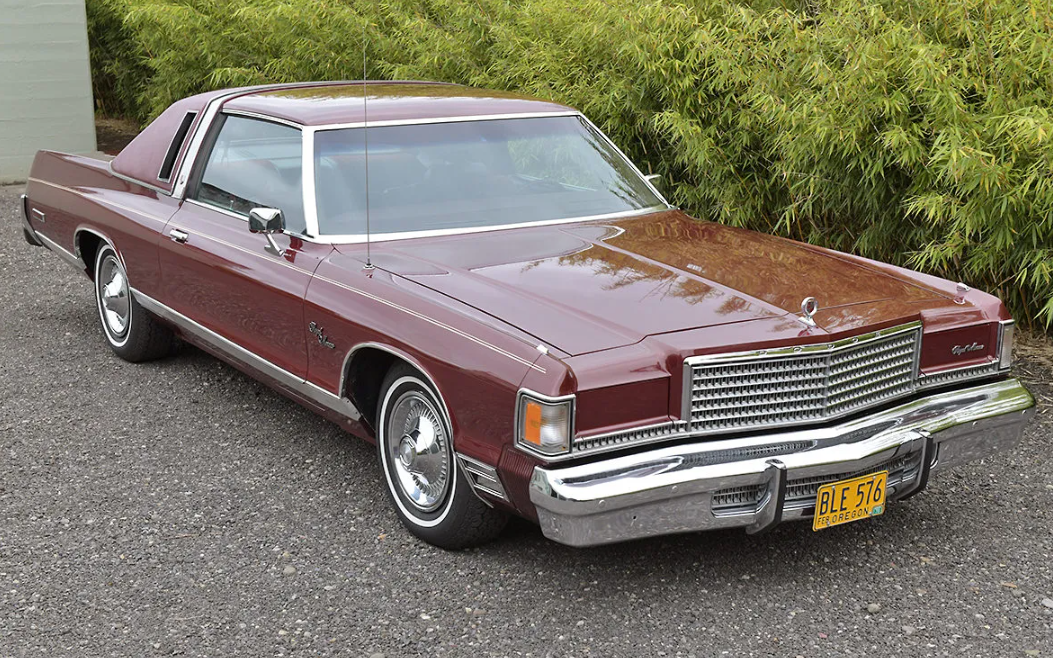
The 1977 Monaco used the old Coronet’s basic body and should have been retired like its predecessor. Dodge tried refreshing its look with distinctive stacked square headlights that modernized the aging design.
Under the hood, the 400 cubic inch V8 generated 190 horsepower while Chrysler experimented with its electronic lean burn system. The exterior updates couldn’t hide this model’s dated foundation and compromised performance credentials.
1977 Dodge Monaco 400 (Interior)
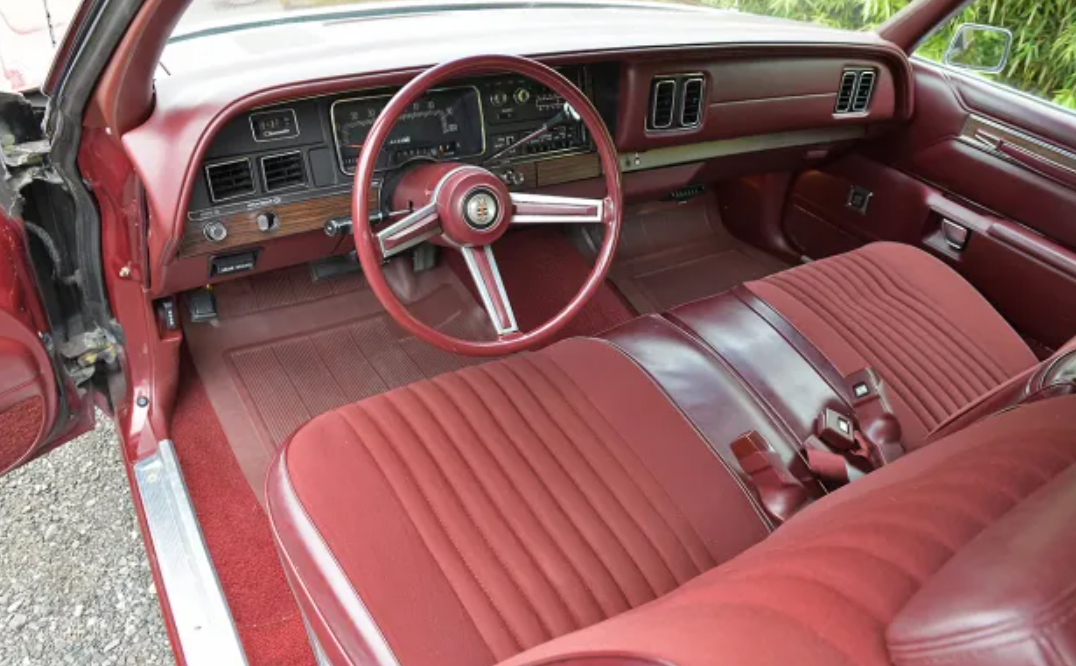
Inside, Dodge offered a soft, comfortable cloth interior to give the Monaco more luxury appeal for families needing space. The cabin embraced this budget-friendly alternative despite its fundamentally outdated design philosophy.
A 225 cubic inch straight 6-cylinder could only muster 110 horsepower as the base option. Did the Monaco successfully balance value and modern needs, or did its compromises limit appeal compared to sleeker competitors?
12. 1991 Dodge Spirit RT (Exterior)
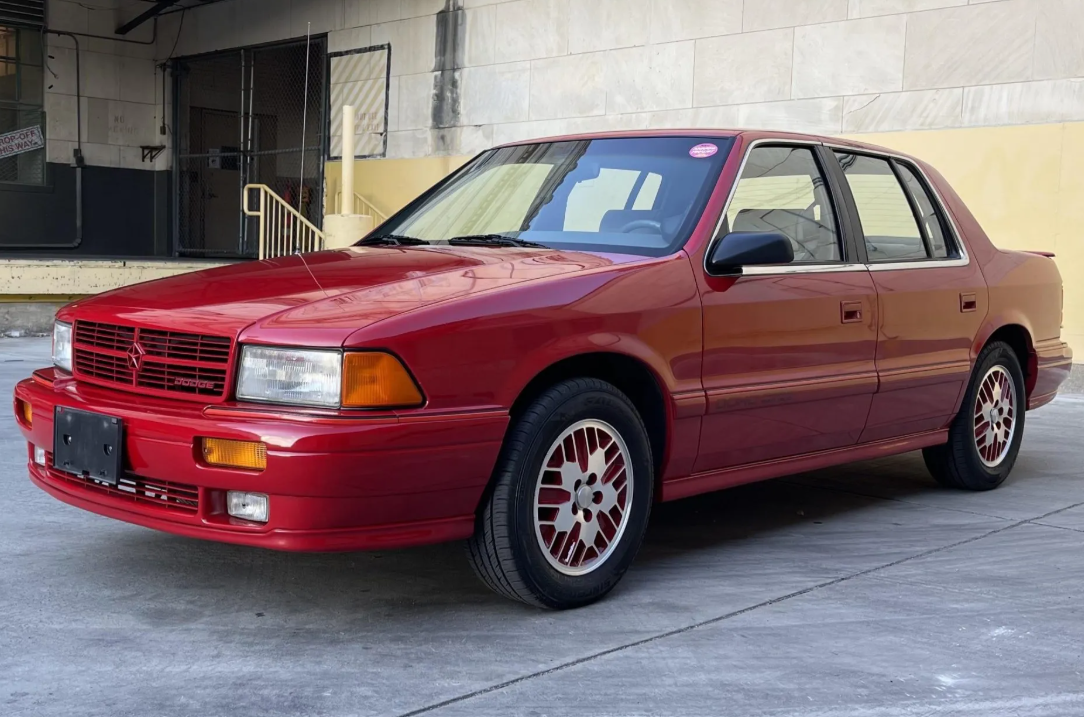
Want to outrun sports cars in a four-door sedan? The 1991 Spirit RT looked completely unassuming from the outside, making it the ultimate sleeper that could embarrass flashier competition at traffic lights.
Its conservative exterior design masked serious performance hardware underneath. The sleek, understated sedan body provided perfect camouflage for what was essentially a turbocharged rocket ship disguised as everyday transportation.
1991 Dodge Spirit RT (Interior)
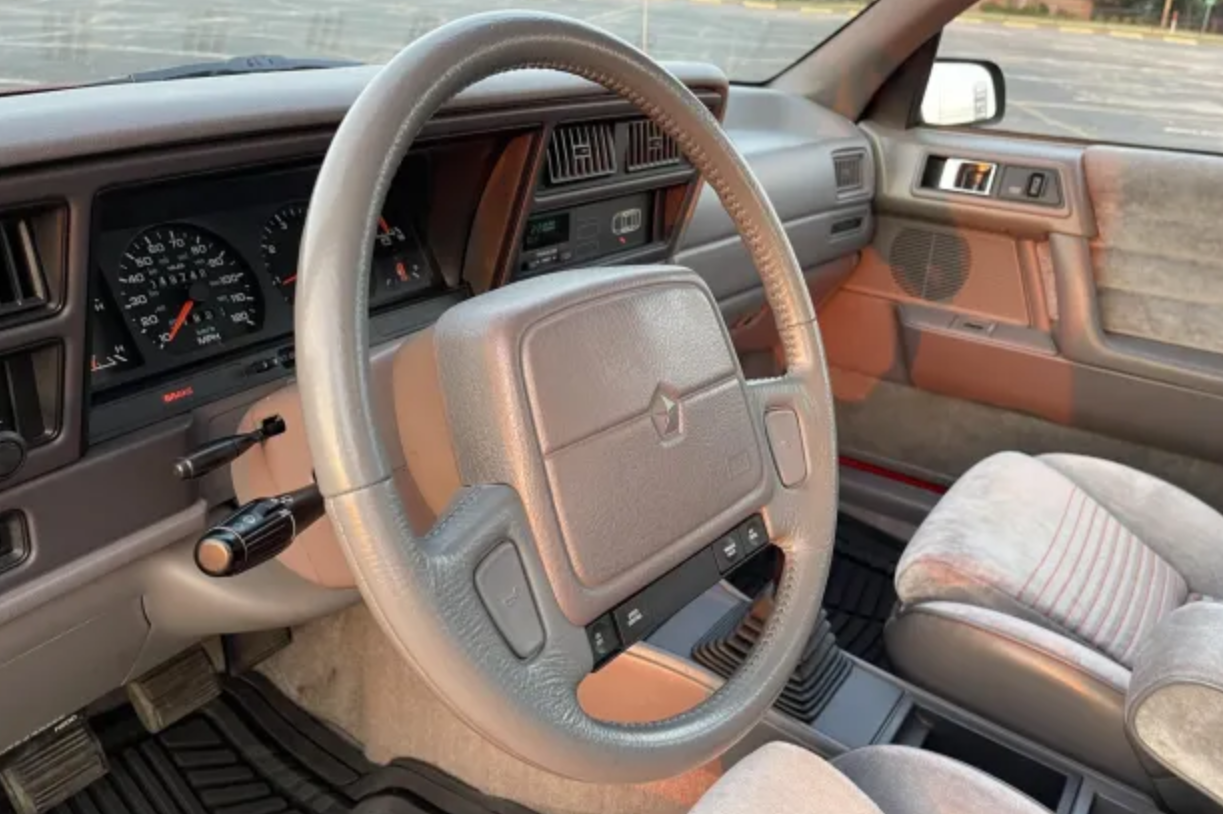
Inside, the Spirit RT unleashed its turbocharged engine producing 224 horsepower and 217 lb-ft of torque with a Lotus-designed 16-valve dual overhead cam head that maximized airflow. According to Motor Trend road tests, it achieved 0 to 60 mph in 5.8 seconds.
The precise 5-speed manual transmission was the only option available. Vented four-wheel disc brakes provided confident stops, making this the ultimate understated performance sedan with only 1,208 examples built.
11. 1992 Dodge Stealth RT Twin Turbo (Exterior)
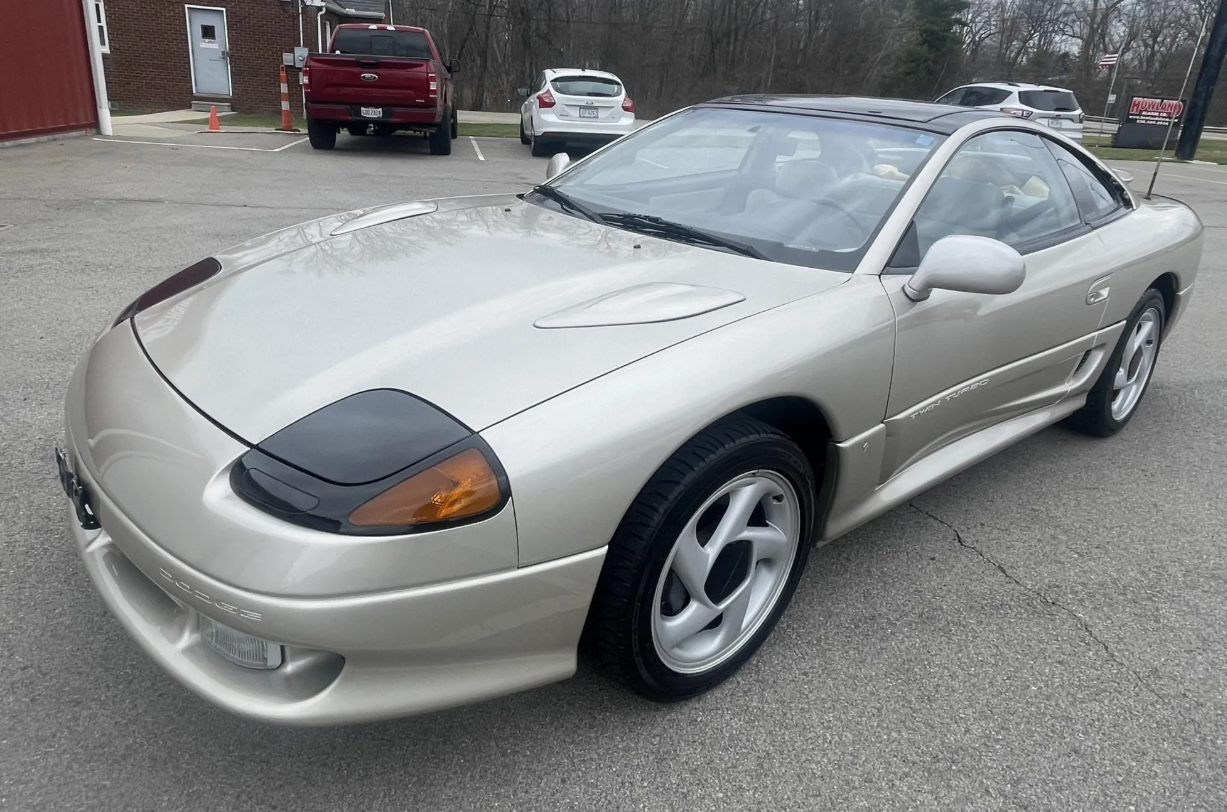
This car blends futuristic technology with raw power in ways that still impress today. The Dodge Stealth RT Twin Turbo’s exterior featured distinctive pop-up headlights, sleek lines, and subtle curves that looked genuinely exotic.
The design language spoke of advanced engineering and serious performance intentions. Its aerodynamic profile and sophisticated stance suggested this wasn’t just another sports car—it was a technological statement from Dodge’s engineering team.
1992 Dodge Stealth RT Twin Turbo (Interior)
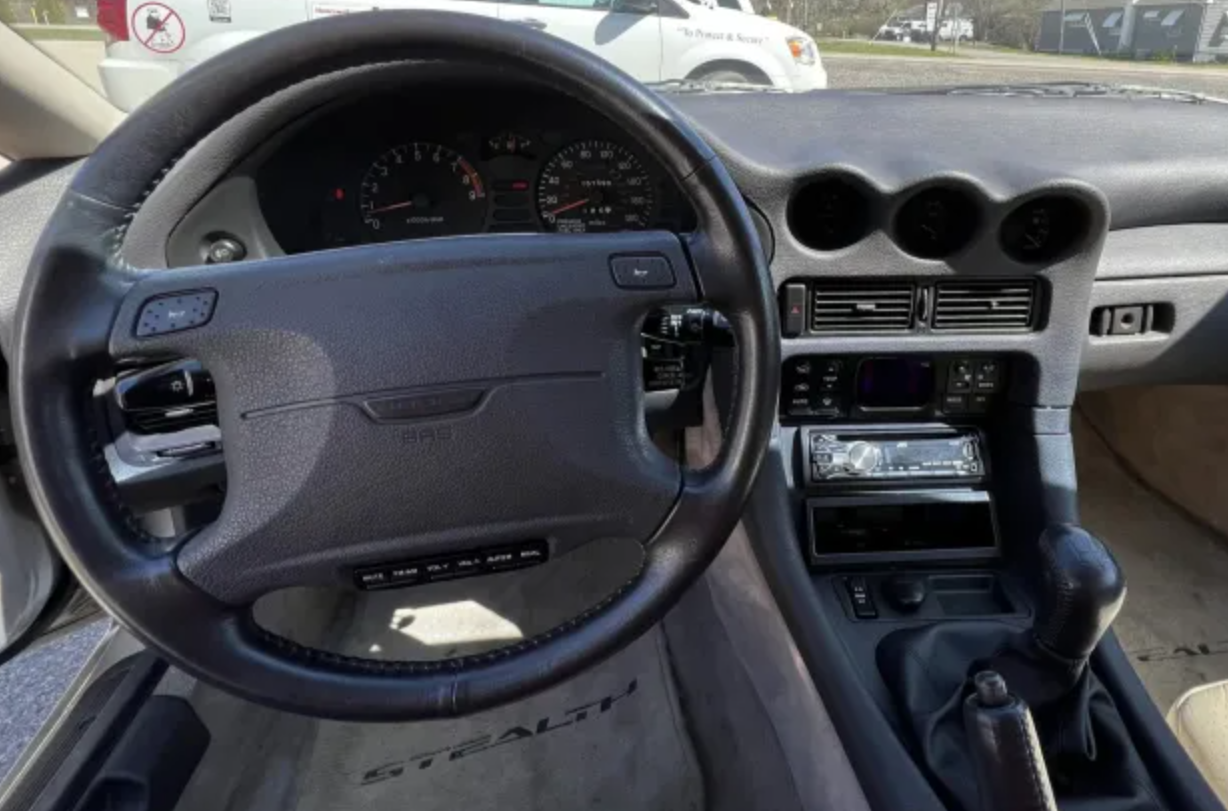
Inside, Dodge used comfortable seats and futuristic gauges that complemented the car’s high-tech mission. The cabin combined all-wheel drive with four-wheel steering and adjustable suspension in one advanced package.
Underneath sat a 181 cubic inch twin-turbo V6 engine that delivered sophisticated power delivery. The Stealth’s advanced features helped push forward thinking in performance car design and engineering philosophy. While a few Dodges became famous, others remain unsung legends. Explore even more overlooked muscle icons with these 8 fast muscle cars from the ’60s that no one talks about.
10. 1984 Dodge Daytona Turbo Z (Exterior)
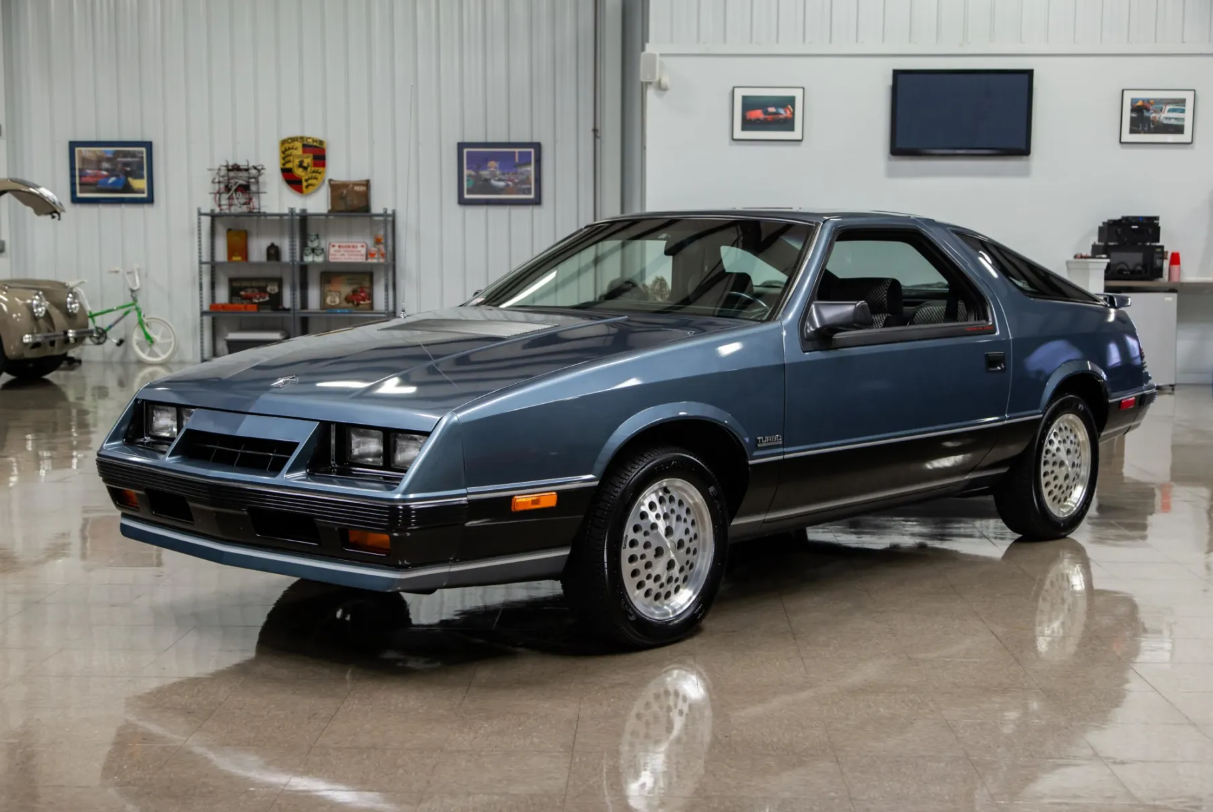
Can a front-wheel-drive car truly be a muscle car? Dodge attempted to challenge this established mindset with the Daytona Turbo Z’s sleek, aerodynamic profile that looked genuinely futuristic for its time.
Its 0.35 drag coefficient improved aerodynamics significantly while the turbocharged stance suggested serious performance intentions. The exterior design language spoke of efficiency and speed, challenging traditional muscle car aesthetics with modern engineering.
1984 Dodge Daytona Turbo Z (Interior)
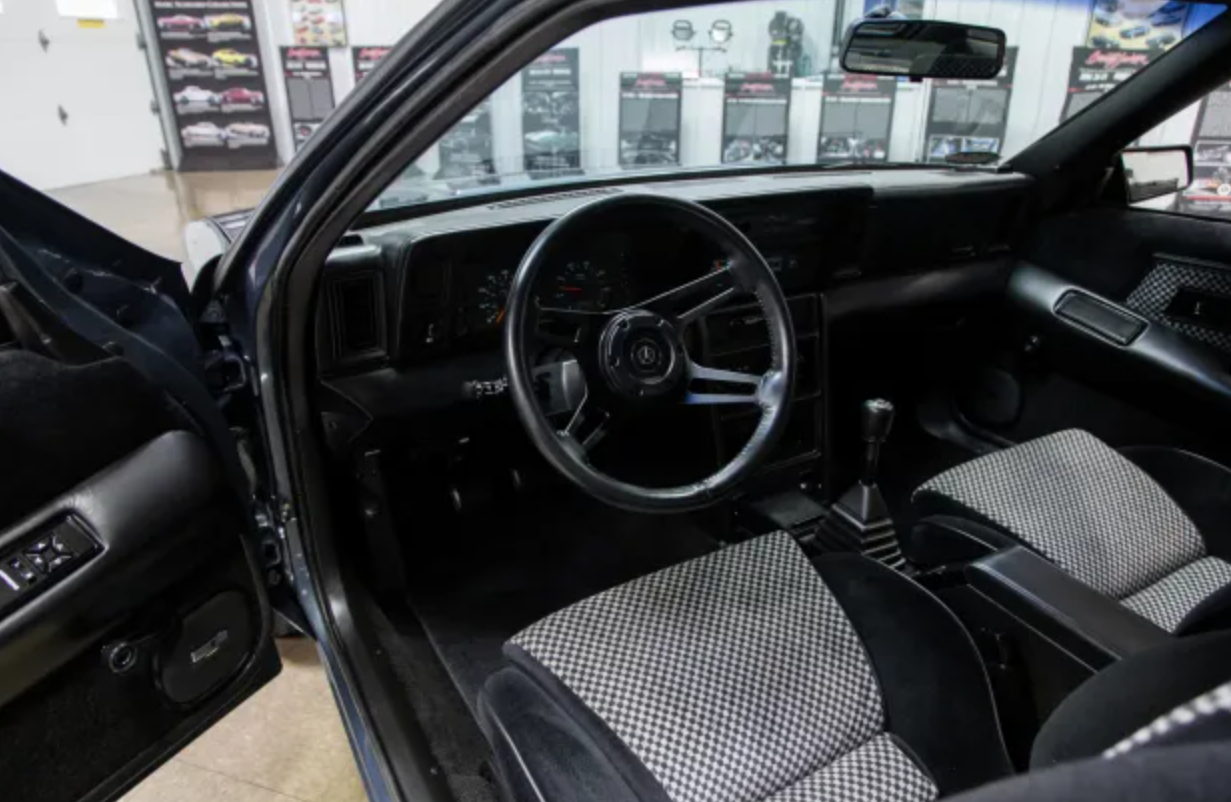
Inside, digital gauges replaced traditional analog dials, modernizing the cabin with technology that felt cutting-edge. The cockpit used a turbocharged 135 cubic inch 4-cylinder achieving 142 horsepower with port fuel injection.
Road tests revealed 0-60 in 8.2 seconds and quarter mile in 16.4 seconds. Despite impressive performance numbers for the era, its front-wheel-drive legacy remains tarnished among traditional muscle car purists.
9. 1976 Dodge Aspen RT (Exterior)
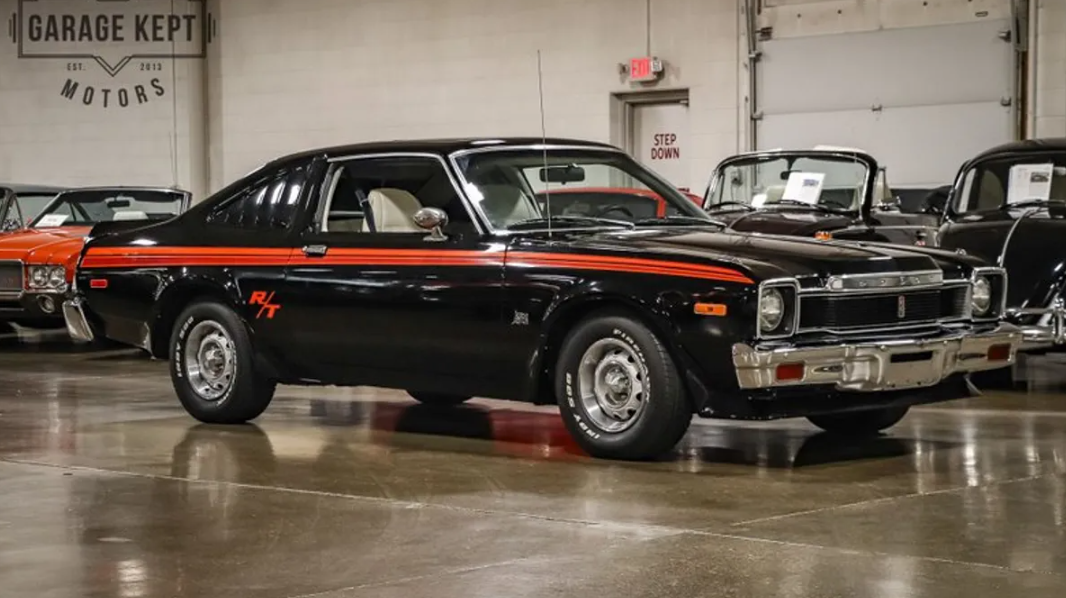
Over 500,000 people bought Dodge Aspens in its first year, but quality problems quickly emerged. Despite winning Motor Trend’s Car of the Year, the Aspen’s reputation suffered from premature rust and frequent breakdowns.
The Aspen RT tried solving this with visual upgrades: white letter tires, stronger suspension, bold stripes, and a menacing blacked-out grille. These aesthetic enhancements couldn’t mask the underlying quality issues that plagued owners.
1976 Dodge Aspen RT (Interior)
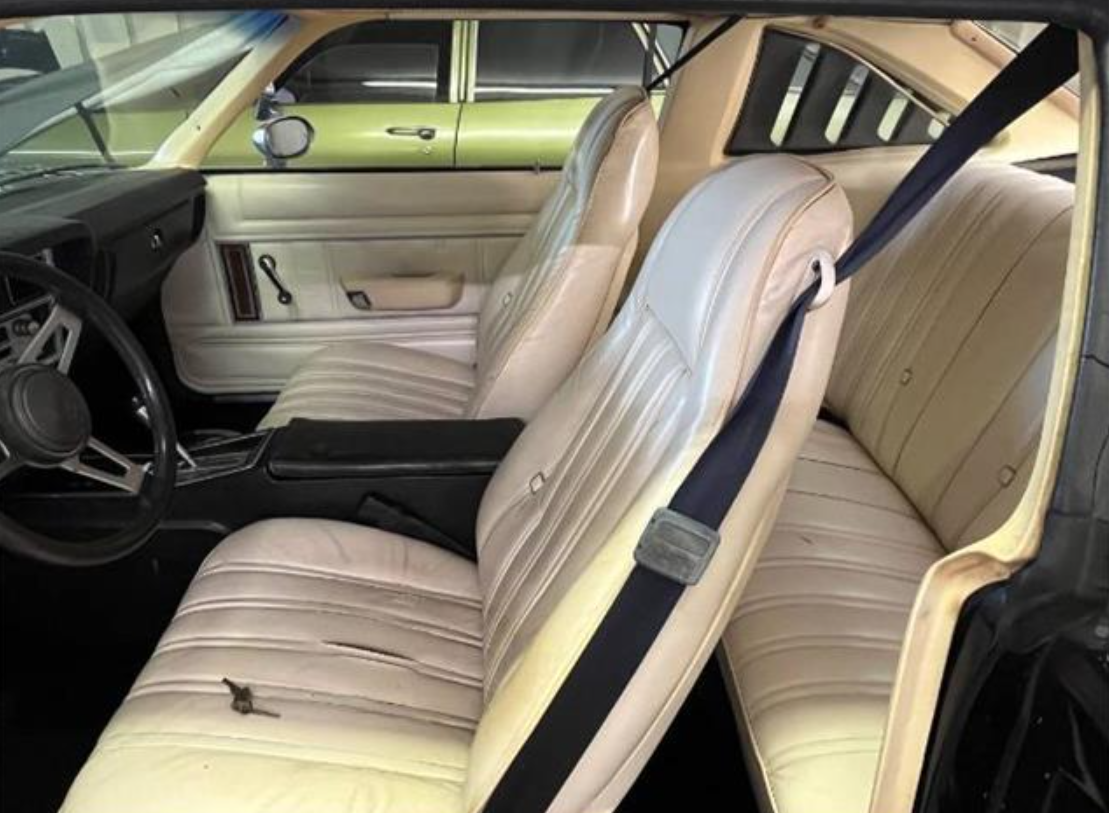
Inside, Dodge attempted to blend comfort with performance cues, but ignition systems often failed, leaving drivers stranded roadside. The cabin featured sport-oriented touches that promised more than the car could deliver.
Mechanics discovered faulty welds and substandard materials throughout. The Aspen RT demonstrates how striking design cannot overcome fundamental production issues—a lesson that resonates beyond automotive manufacturing.
8. 1987 Dodge Shelby Charger GLHS (Exterior)
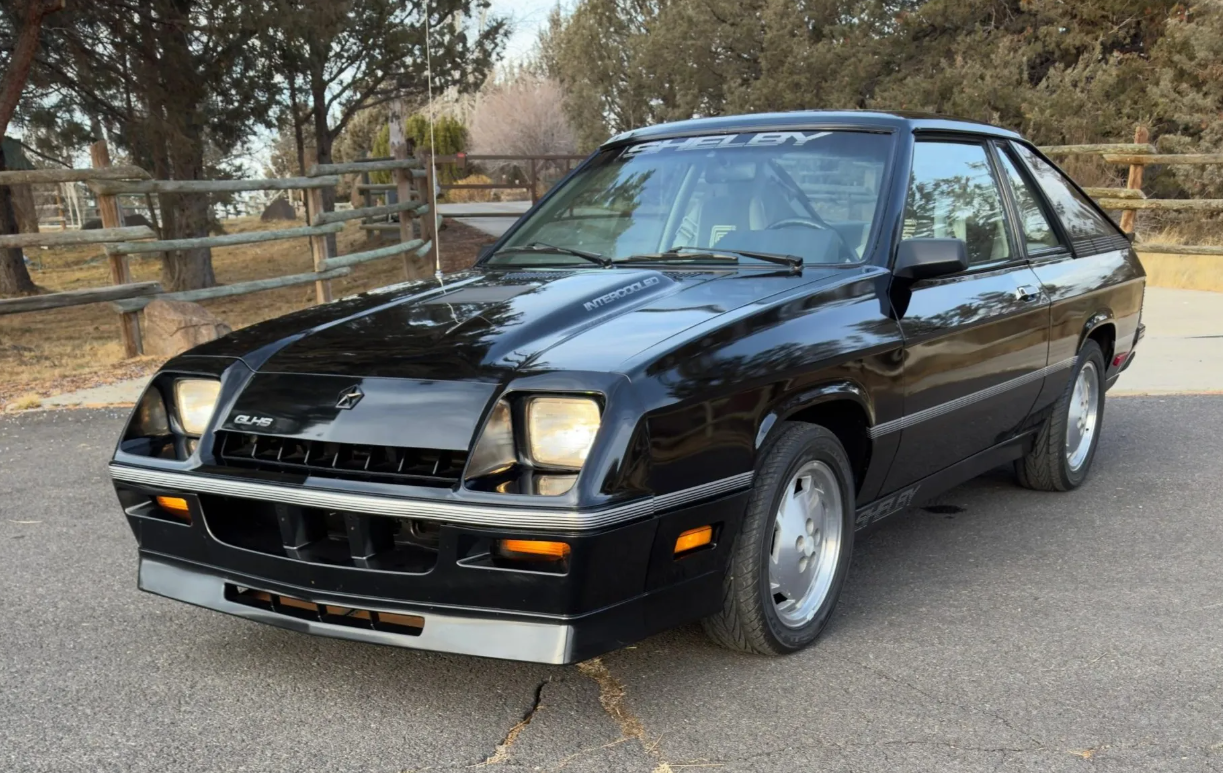
That distinctive growl made your heart race and all logic flew out the window. This car’s aggressive black paint job made it genuinely striking, contrasted by bold Shelby decals that announced its serious intentions.
Despite being loud and rough around the edges, it created unforgettable memories for those who understood its mission. The exterior modifications were purposeful rather than flashy, focusing on aerodynamics and cooling for performance.
1987 Dodge Shelby Charger GLHS (Interior)
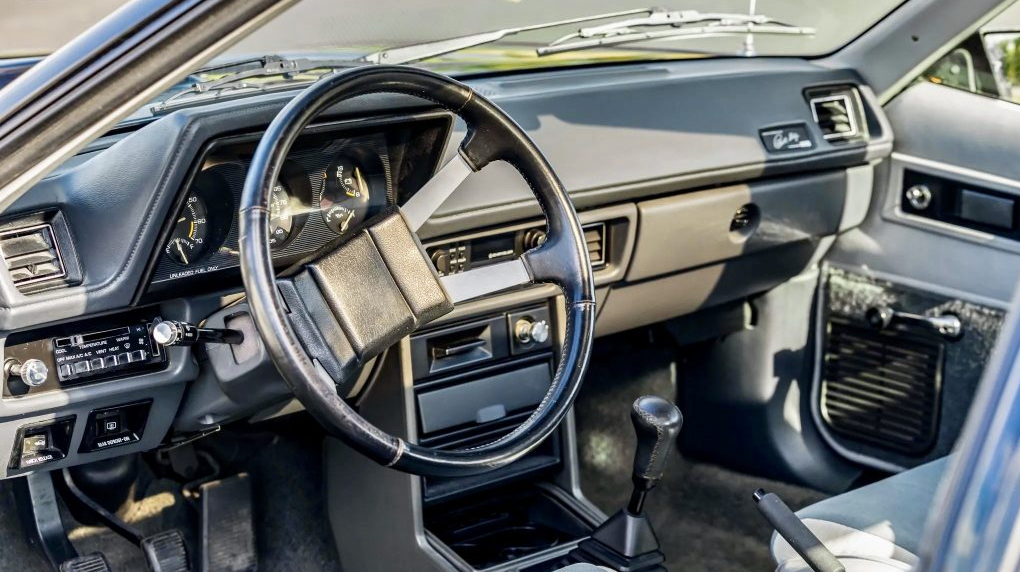
Inside, the GLHS used a 135 cubic inch turbocharged engine with Shelby increasing power to 175 horsepower and 175 lb-ft of torque at 2,200 rpm. The cabin emphasized function over luxury.
Owners consistently raved about those adjustable Koni shocks that transformed the driving experience. In an age of over-engineered vehicles, the GLHS delivered pure driving exhilaration that connected driver and machine directly.
7. 1980 Dodge Mirada CMX (Exterior)
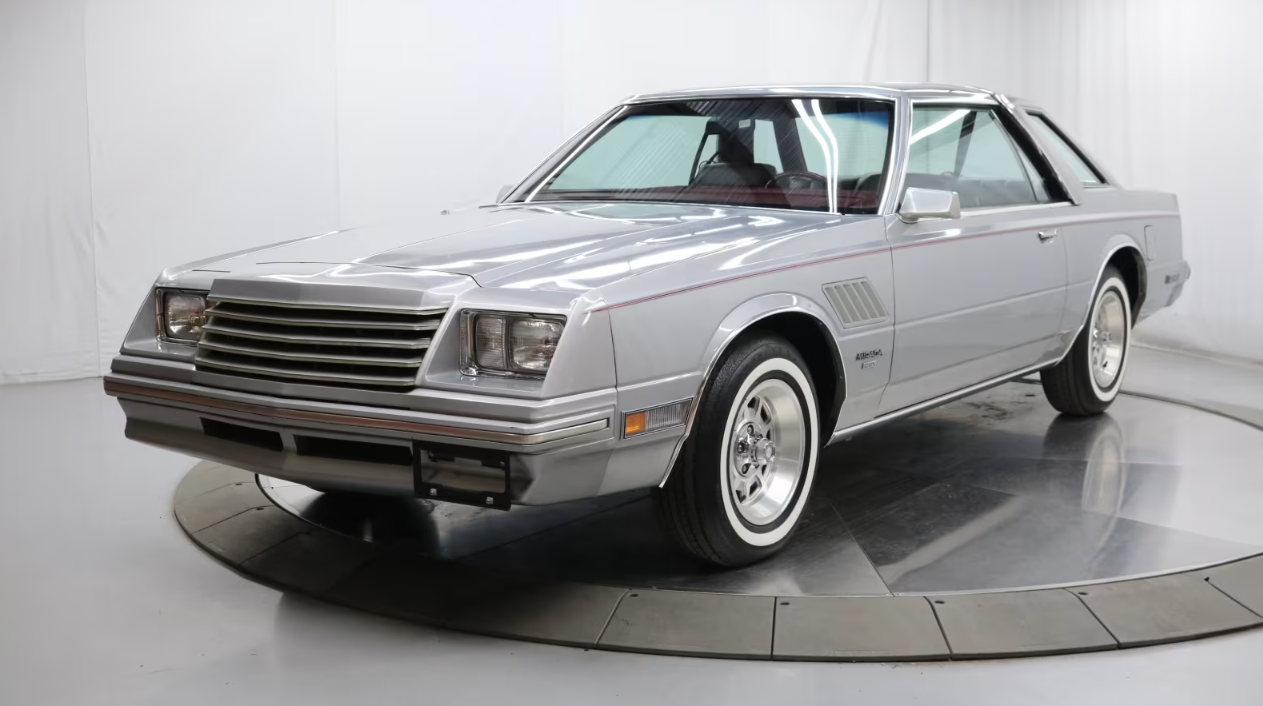
The 1980 Mirada was like a dinosaur struggling to adapt to an Ice Age—Chrysler downsized everywhere, but the Mirada remained stubbornly big. Its proportions felt awkward against the changing automotive landscape of the early 1980s.
The car’s substantial bulk housed a 318 cubic inch V8 with a two-barrel carburetor that struggled to achieve reasonable fuel efficiency. Design cues from a previous era made it stand out for all the wrong reasons.
1980 Dodge Mirada CMX (Interior)
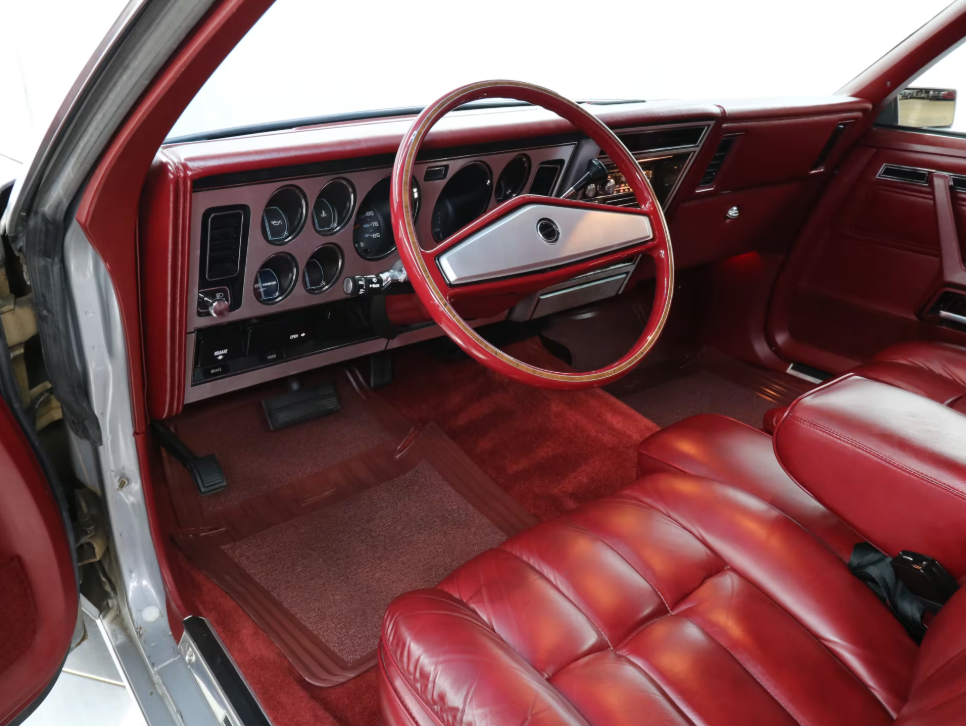
Step inside and you’d find vinyl seats and manual crank windows reflecting simple, cost-focused design choices. It offered an AM/FM radio with CB radio integration to improve its limited options package.
The CMX trim added some luxury touches, but owners still grappled with the car’s fundamental limitations. While the Mirada represented a past era, modern efficiency standards were already dominating automotive design trends.
6. 1967 Dodge Coronet W23 (Exterior)
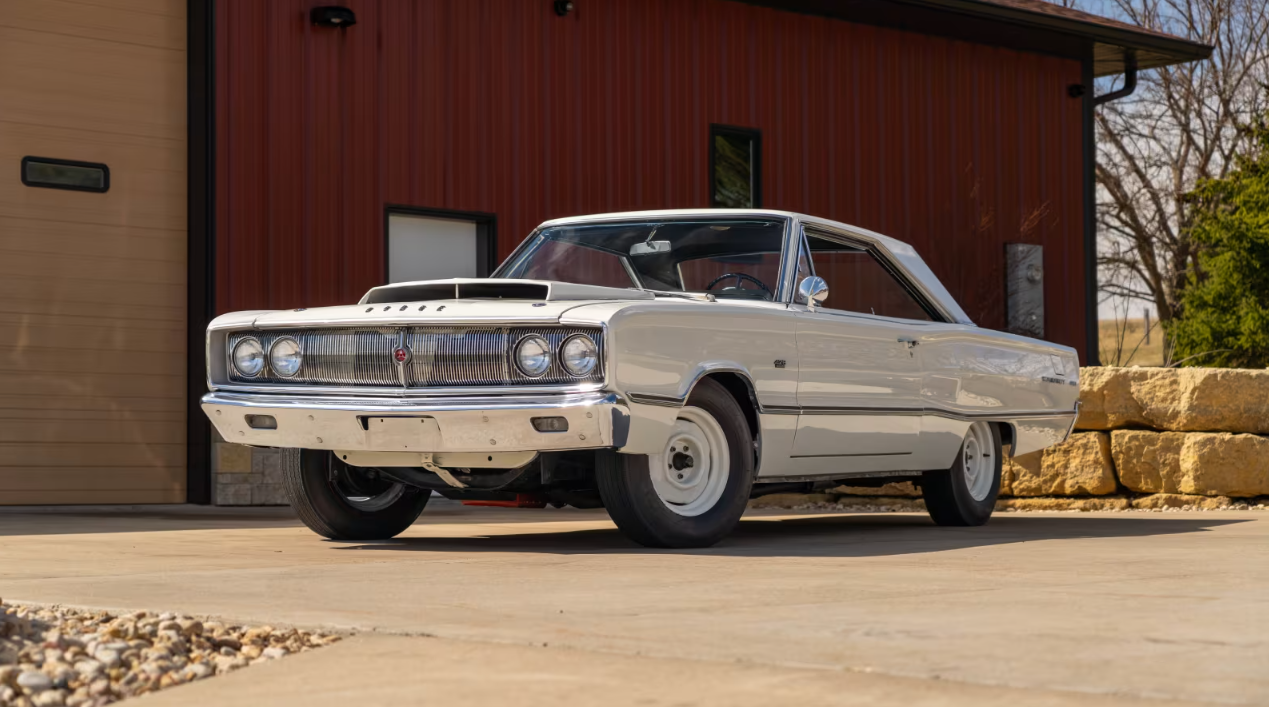
Meet the drag strip’s best-kept secret. According to AutoEvolution, Dodge engineers addressed racers’ needs with extreme weight reduction and power enhancements, fitting 10-inch front and 11-inch rear drum brakes with the lightest suspension parts.
The 90-pound battery moved to the trunk for optimal weight distribution. Under the hood roared a 426 cubic inch Hemi V8, unleashing 425 horsepower for tire-shredding acceleration that dominated weeknight races.
1967 Dodge Coronet W23 (Interior)
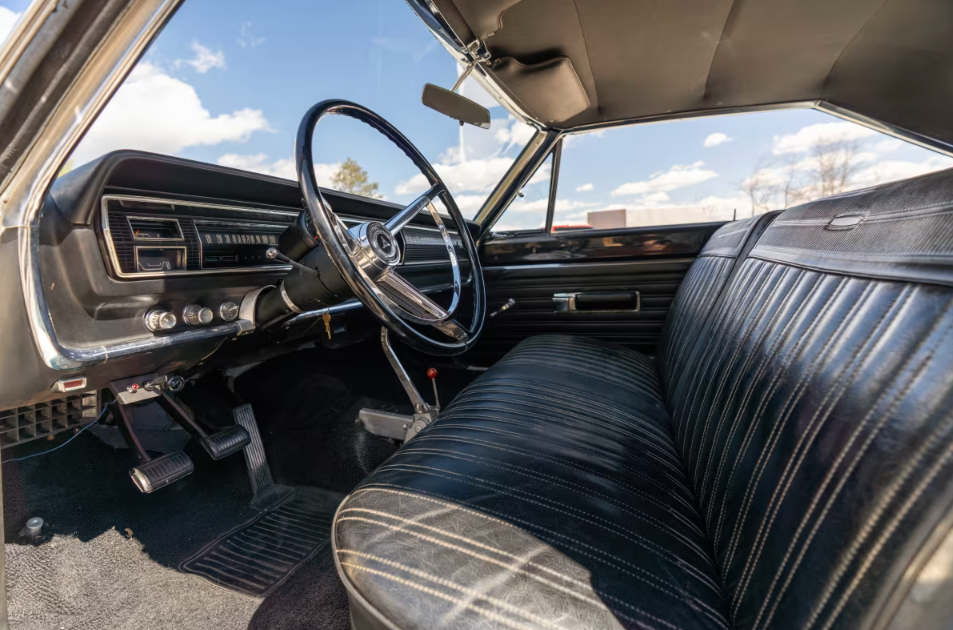
Step inside the Dodge W23 and you’ll find functionality over comfort—every component served the quarter-mile mission. Bolted onto that engine was a transistorized ignition and Hooker headers, which improved performance significantly.
Carburetors got enhancements and were modified to flow 750 cubic feet per minute. Only 55 Coronet W23s were produced, making these stripped-down interiors among the rarest muscle car artifacts collectors can find today.
5. 1990 Dodge Daytona IROC RT (Exterior)
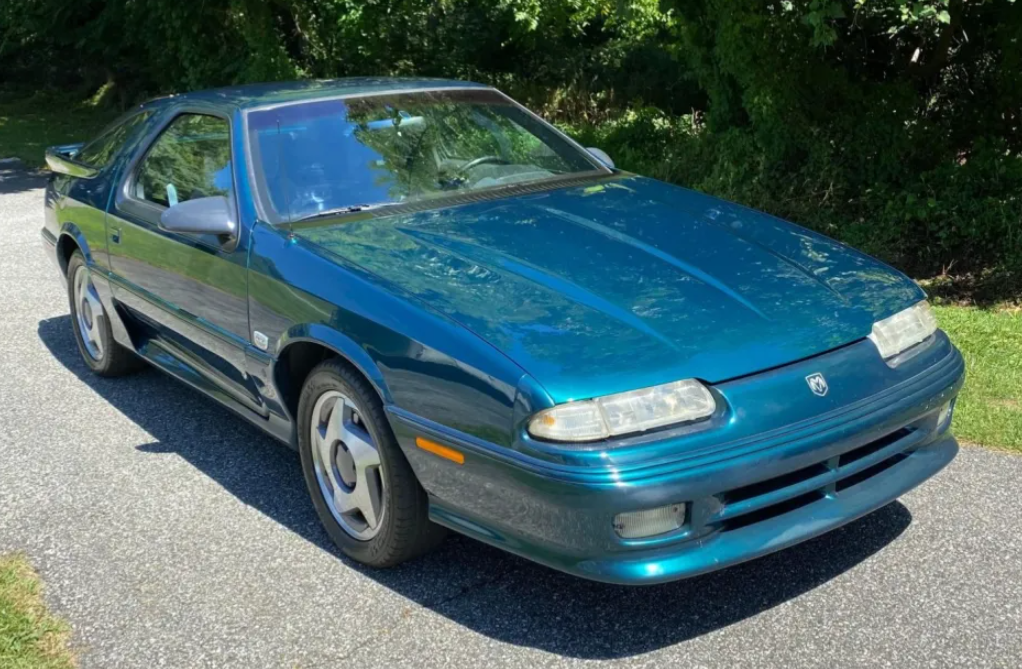
Pushing boundaries often results in a blend of brilliance and bewilderment, perfectly illustrated by the 1990 Daytona IROC RT’s distinctive appearance. Dodge added fixed headlights and rounded tail lights that modernized the design significantly.
The exterior featured a glass roof option and unique aerodynamic elements. Variable nozzle turbo technology promised increased responsiveness, while the aggressive stance suggested this car meant serious business on both street and track. Some Dodge models hid serious speed under humble exteriors, making them true sleepers on the street. For more forgotten performance machines, check out the rarest sleeper cars of the 1970s.
1990 Dodge Daytona IROC RT (Interior)
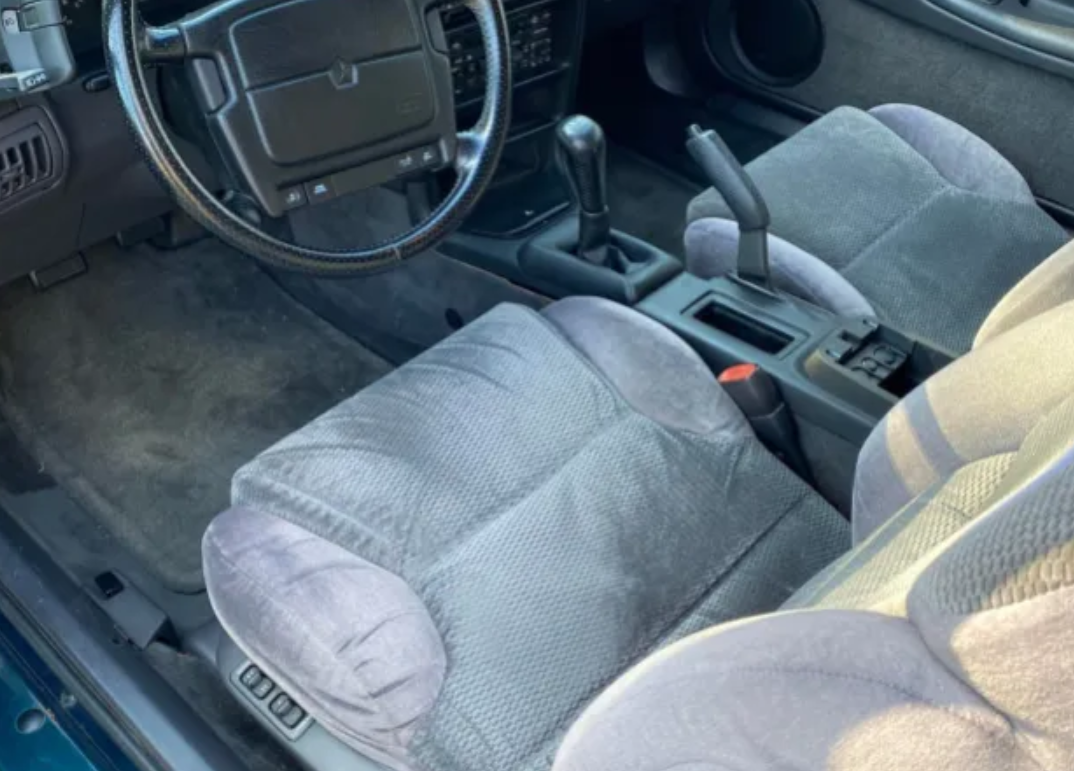
Inside, early road tests showed impressive results with 0 to 60 mph acceleration in 6.1 seconds on experimental Goodyear tires. The cabin balanced performance focus with period comfort expectations.
Drivers appreciated the raw power delivery but worried about long-term reliability and polarizing styling choices. Did the Daytona IROC RT successfully redefine sports car standards, or did it dilute them through compromise?
4. 1971 Dodge Charger RT 440 + 6 (Exterior)
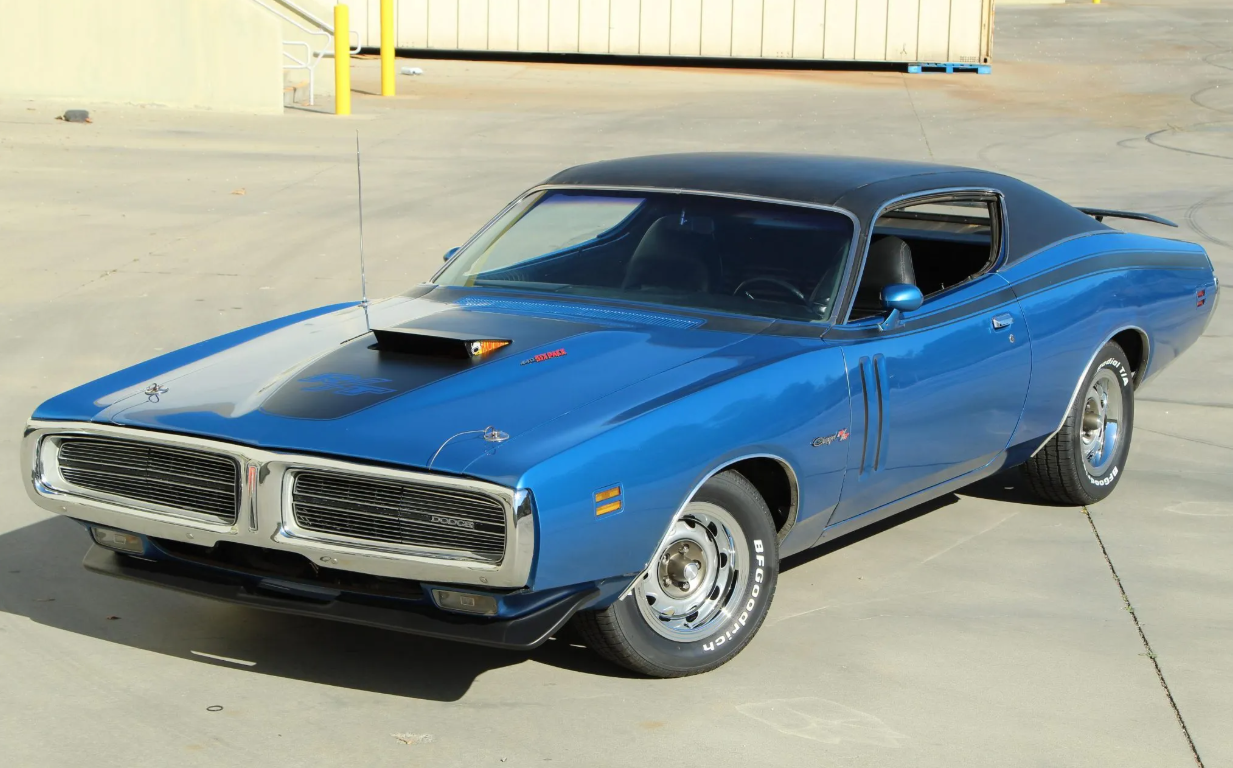
The 1971 Charger RT marked the end of an era, facing pressure from rising insurance costs and emission regulations. The Charger received a split front grill and a completely new “fuselage” body design with more sculptural lines.
The base 440 cubic inch engine could have the six-pack version, featuring three two-barrel carburetors and a distinctive Ram Charger hood. This combination delivered 0 to 60 mph in 6.5 seconds with an unmistakable presence.
1971 Dodge Charger RT 440 + 6 (Interior)
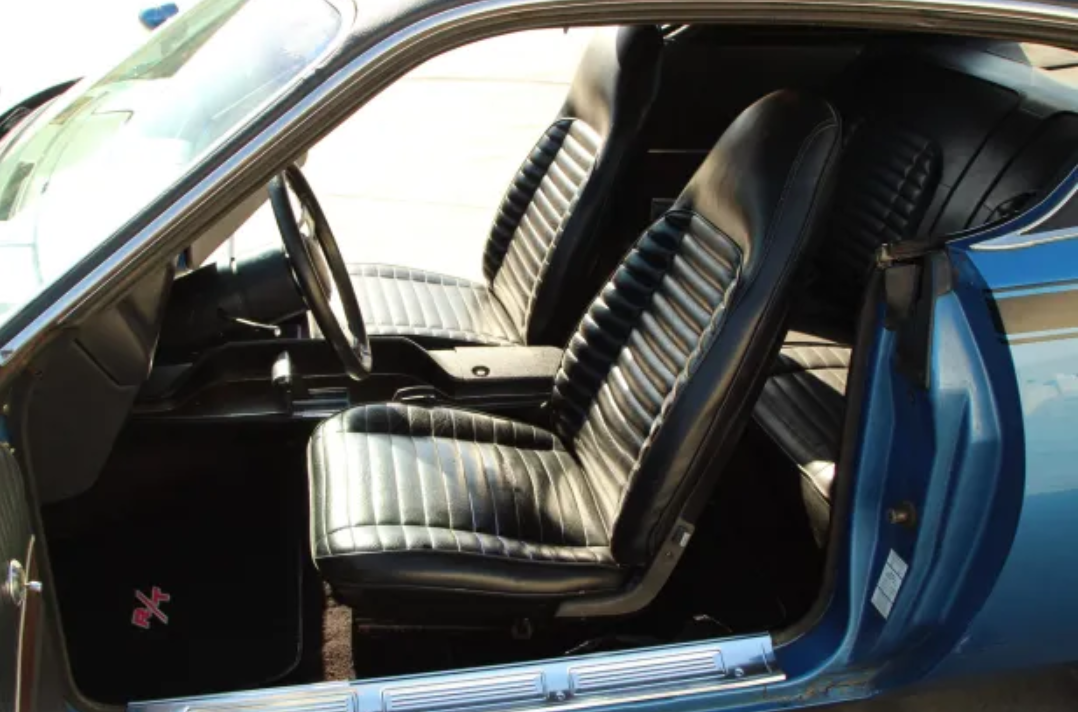
Inside, the Charger balanced performance focus with period luxury touches that owners like John valued for its raw power delivery. The cabin design reflected the car’s dual nature as street machine and strip warrior.
As one owner noted, the Charger RT’s legacy evokes nostalgia for a time now gone. The interior appointments struck a perfect balance between functionality and comfort that defined the muscle car era’s final chapter.
3. 1970 Dodge Super Bee 426 Hemi (Exterior)
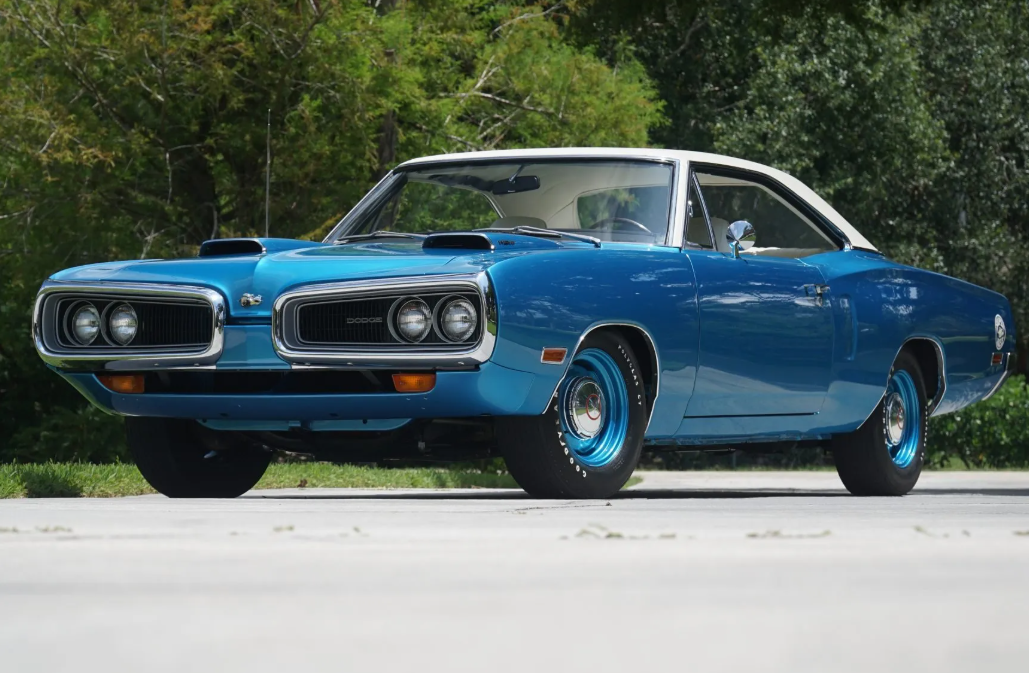
Picture the muscle car era’s peak, when the Super Bee ruled the streets with authority. According to multiple sources including AutoEvolution, Dodge built only 36 Super Bees with the legendary 426 cubic inch Hemi V8 in 1970—the most powerful engine of its time.
Given this extreme scarcity, restorers created restomod versions that mimic the bright yellow paint, dual scoop hood, and Hemi badges. The original aggressive stance and black rear wing created an unmistakable silhouette that commanded respect.
1970 Dodge Super Bee 426 Hemi (Interior)
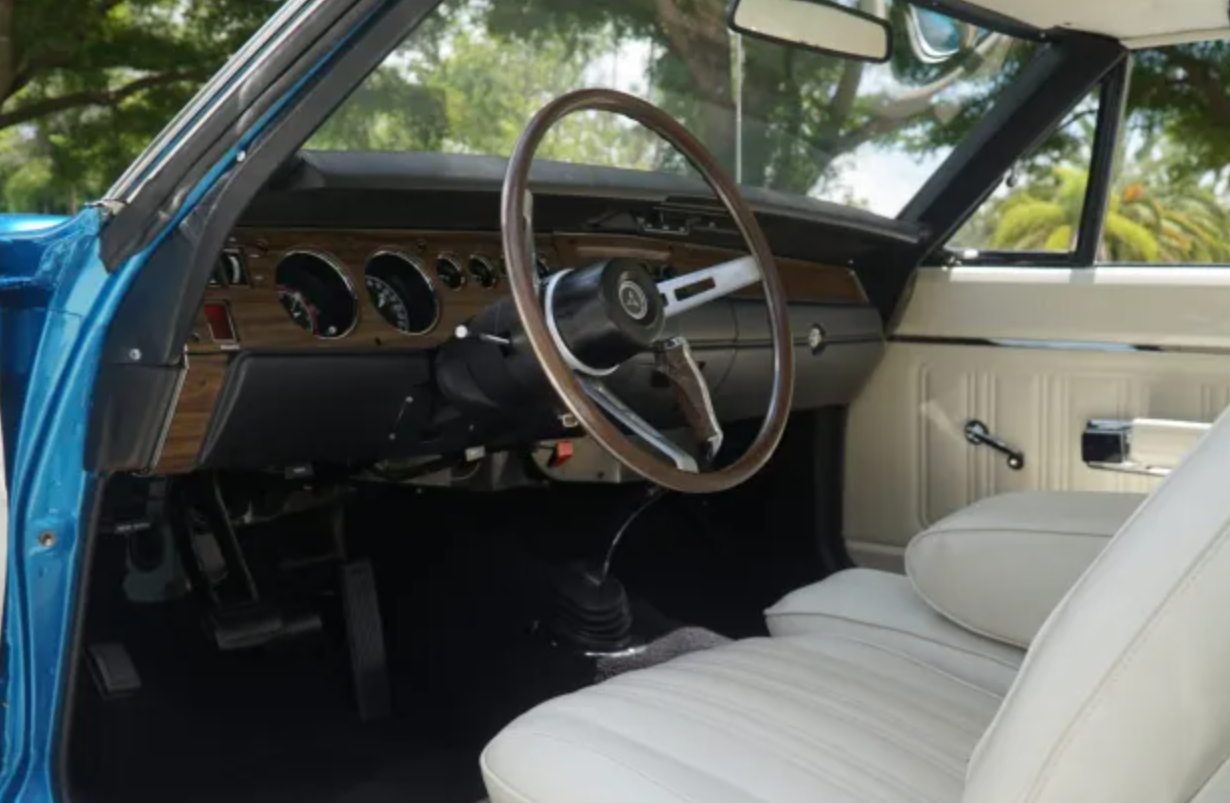
These tributes often feature enhanced interiors while staying true to the original’s purposeful design. Some modern restomods substitute a 392 cubic inch Hemi V8 with a 5-speed manual transmission for improved performance.
The original had a four-speed manual that required skill to master. With auction values regularly exceeding $200,000 for authentic examples according to Hagerty, is it worth paying premiums for originality versus enhanced performance?
2. 1989 Dodge Dakota Sport Convertible (Exterior)
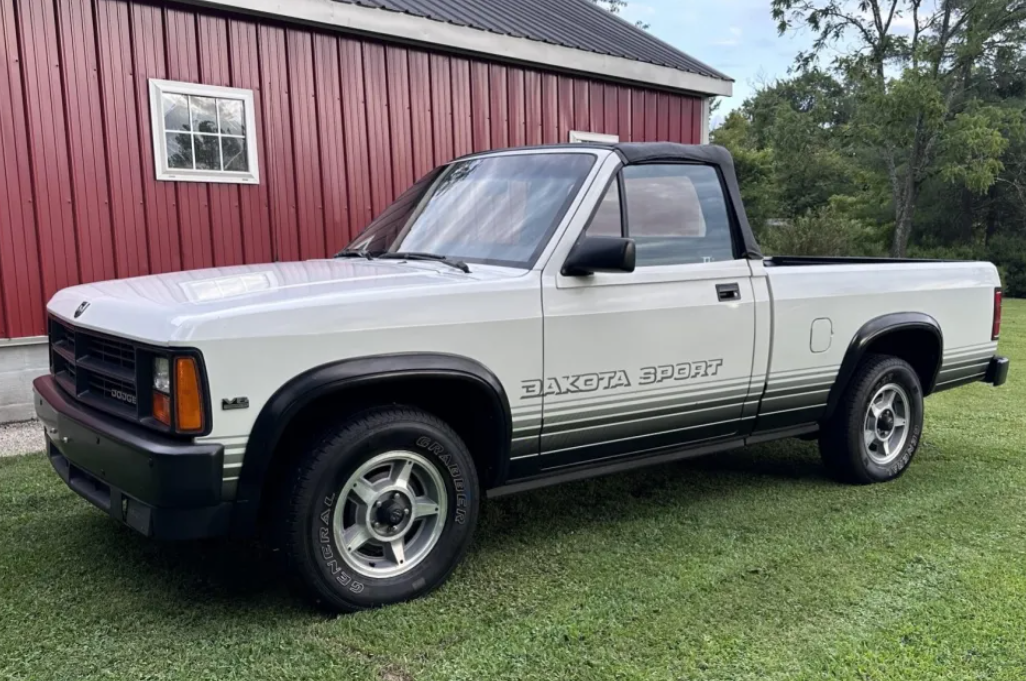
Imagine cruising on a sunny day in a pickup truck with the top down—this unusual dream became reality, albeit briefly. The Dakota Sport Convertible tried blending practicality with open-air fun through innovative design.
This truck featured sport trim elements and a soft top roof that could be manually retracted. The design used clean lines that worked surprisingly well, though the concept proved more appealing in theory than practice.
1989 Dodge Dakota Sport Convertible (Interior)
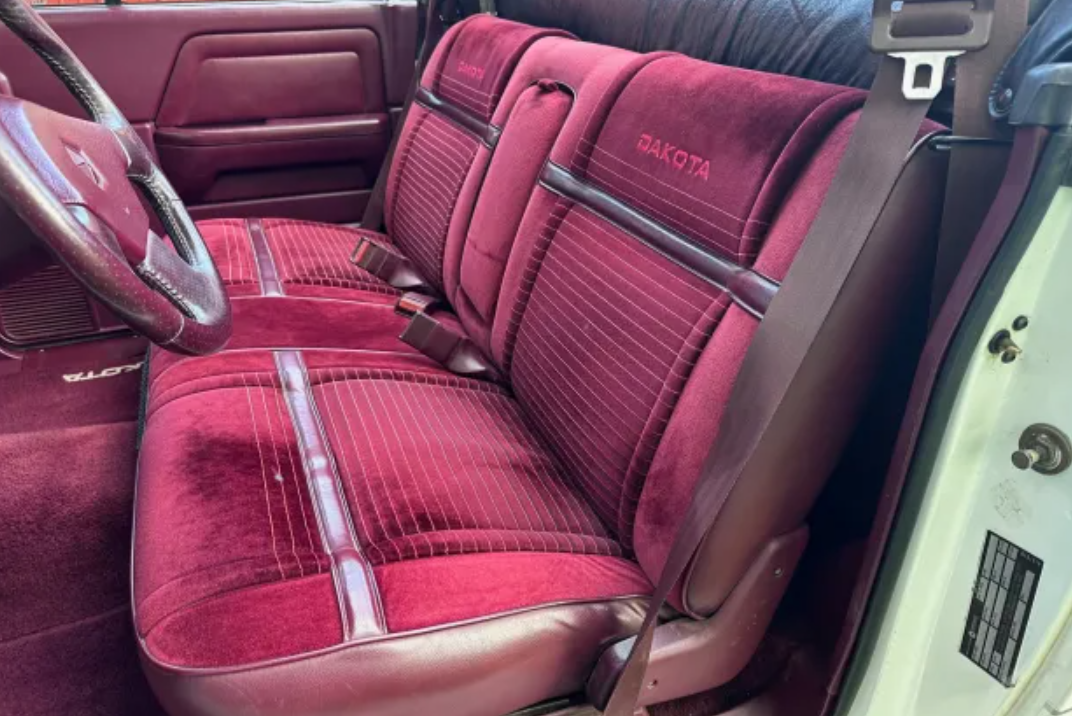
Inside, Dodge used a 238 cubic inch V6 engine producing 125 horsepower with a manual soft top operation. Initially, 2,842 trucks sold as buyers embraced this quirky concept with genuine enthusiasm.
Enthusiasm faded quickly though, and sales plummeted to only 99 the following year. Drivers realized that pickup truck practicality and convertible fun didn’t align as well as hoped—a lesson in automotive market reality.
1. 1969 Dodge Dart GTS 440 (Exterior)
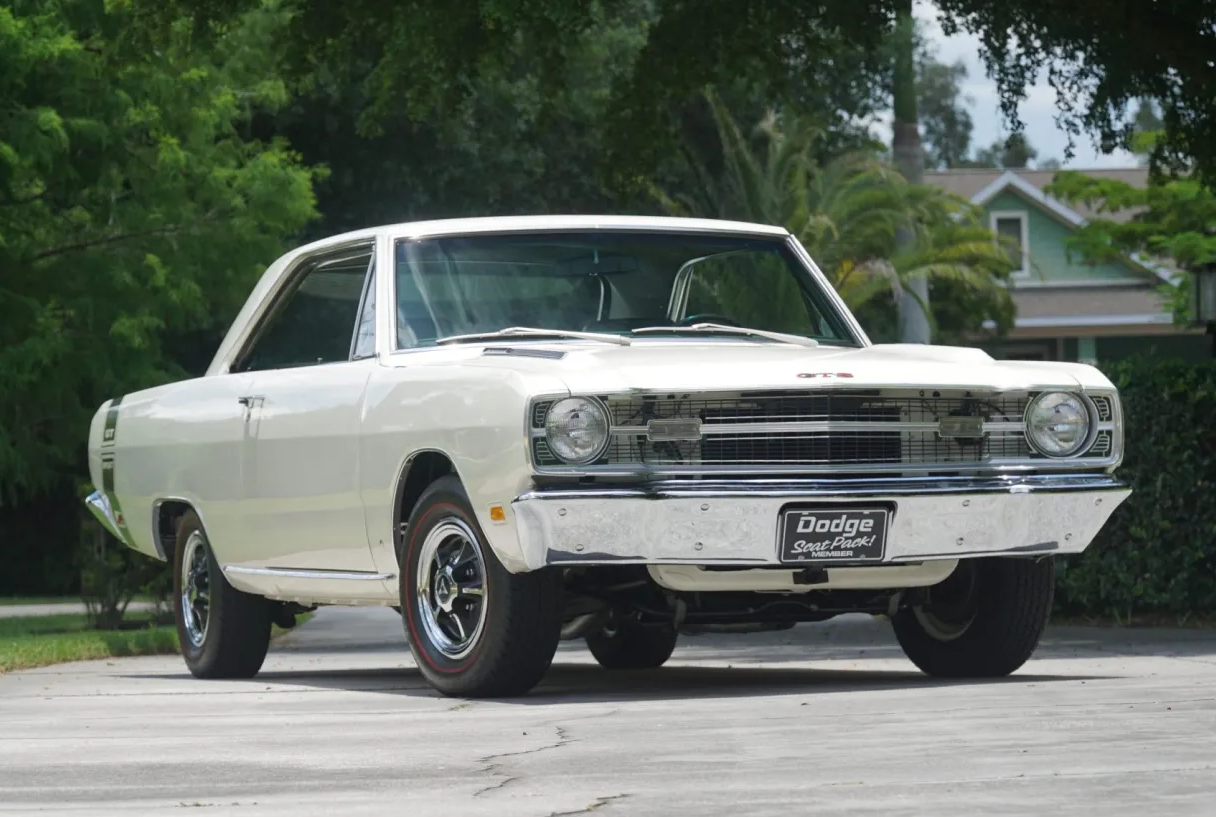
Unlike sedate economy cars, the ’69 Dart GTS packed a monstrous punch that caught everyone off guard. Dodge built approximately 640 M-code examples through factory subcontractor Hurst Performance, creating a memorable but challenging machine.
This M-code Dart featured oversized headers requiring routing through the inner fender walls. Its weight distribution suffered from this engine swap, making handling tricky—imagine wrestling with 375 horsepower in a lightweight body.
1969 Dodge Dart GTS 440 (Interior)
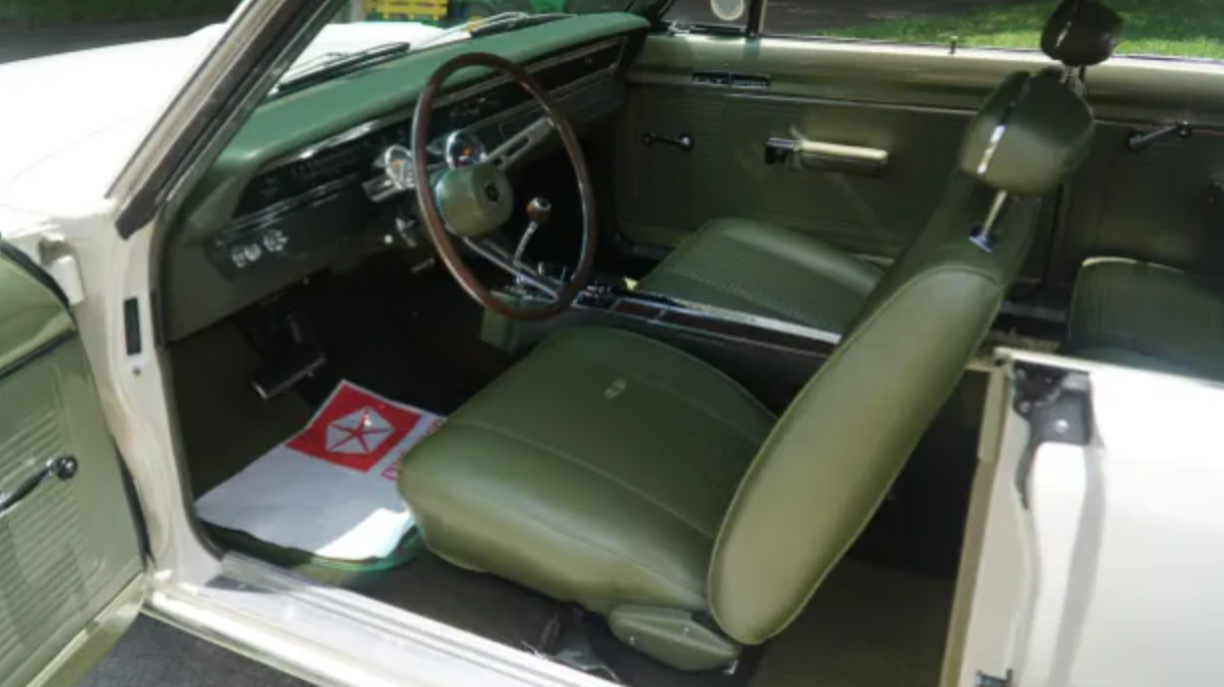
The cabin blended comfort with raw functionality, featuring bucket seats and a center console that hinted at serious performance intentions. According to Sports Car Market, these cars achieved 12.7-second quarter miles at 112 mph.
The M in its VIN stood for power, while some cars had code A13 on the fender tag. Today, enthusiasts restore these rare interiors, knowing fewer than 100 authentic examples likely survive from the original 640 built. The astronomical values of rare muscle cars today mirror the enthusiasm for exclusive rides among celebrities—discover the wildest, most expensive celebrity car collections ever assembled.