



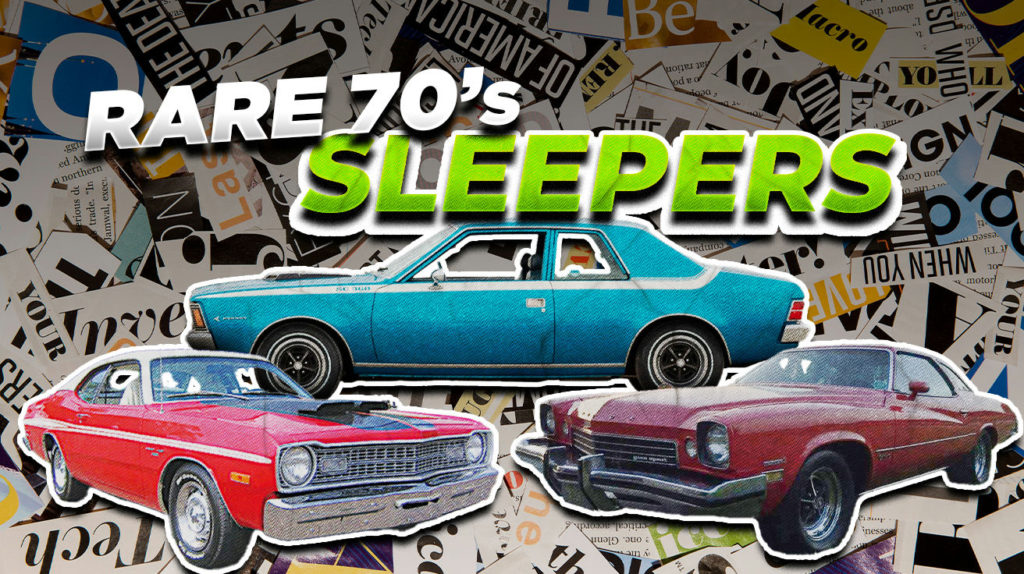
Finding a rare muscle car today costs more than most homes in America. All those famous Chargers, Mustangs and Camaros now fetch six-figure prices at auctions across the country. But here’s the thing – smart collectors target the overlooked sleeper cars that flew under the radar back then. These models gave you everyday looks with a side of surprising power.
The real secret lies in knowing which ordinary-looking cars hide extraordinary engines under the hood.
These ten rare 1970s sleeper cars deliver all the muscle car thrills you want without the painful collector price tag that comes with their more famous cousins.
10. 1970 Buick GS 455 Stage 1 (Exterior)
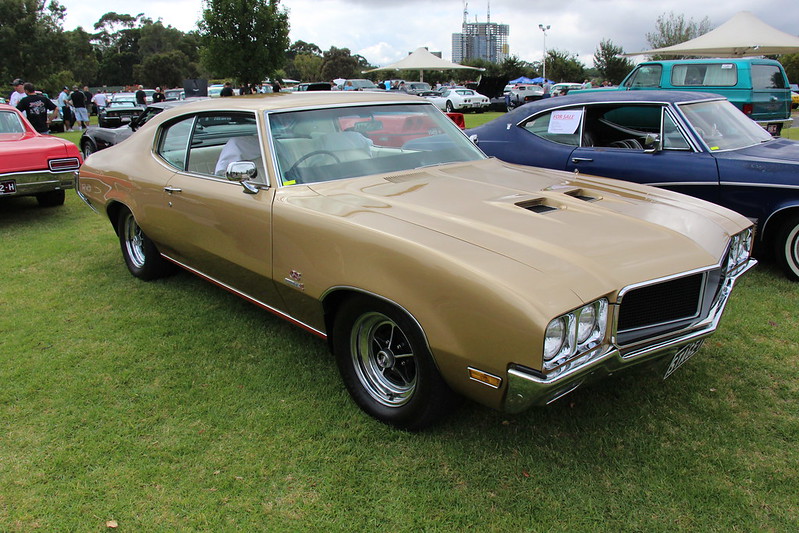
Hiding 360 horsepower in plain sight, the 1970 Buick GS 455 Stage 1 epitomizes the sleeper concept with just 2,465 hardtop examples built. Glacier White paint helped this wolf hide in sheep’s clothing, powered by a 455 cubic inch V8 delivering a crushing 510 lb-ft of torque. Quarter-mile times hit an impressive 13.38 seconds at 105.5 mph.
The subtle exterior featured 15×7 inch Factory Rally wheels wrapped in Goodyear Polyglass GT G60 tires, while dual exhaust with low restriction pipes provided the only hint of the power lurking underneath. Buick’s understated design language kept this performance monster incognito among flashier muscle competitors.
1970 Buick GS 455 Stage 1 (Interior)
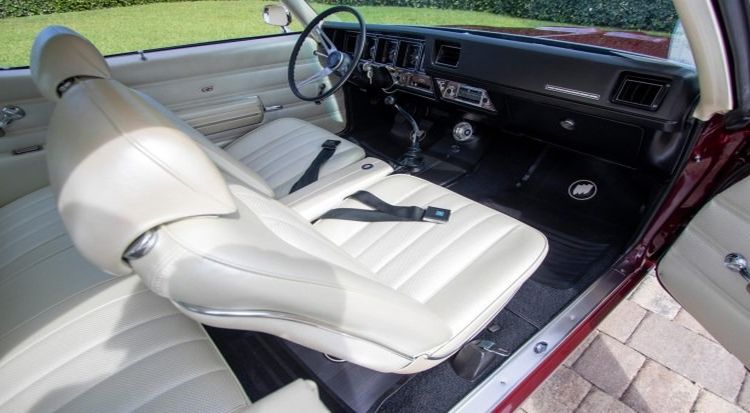
A 4-speed manual transmission paired with a 3.64 posi-traction rear end delivered maximum acceleration without the flash of other muscle cars. Black interior trim maintained the no-nonsense approach inside the GS 455 Stage 1. The absence of power steering and brakes created a raw, connected driving experience that was rare even for the era.
No luxury frills distracted from the car’s true purpose, cementing its sleeper status that eventually earned Concours Gold recognition. Auction prices now exceed $100,000 for well-preserved examples, as collectors recognize the significance of these understated performers.
9. 1971 AMC Hornet SC 360 (Exterior)
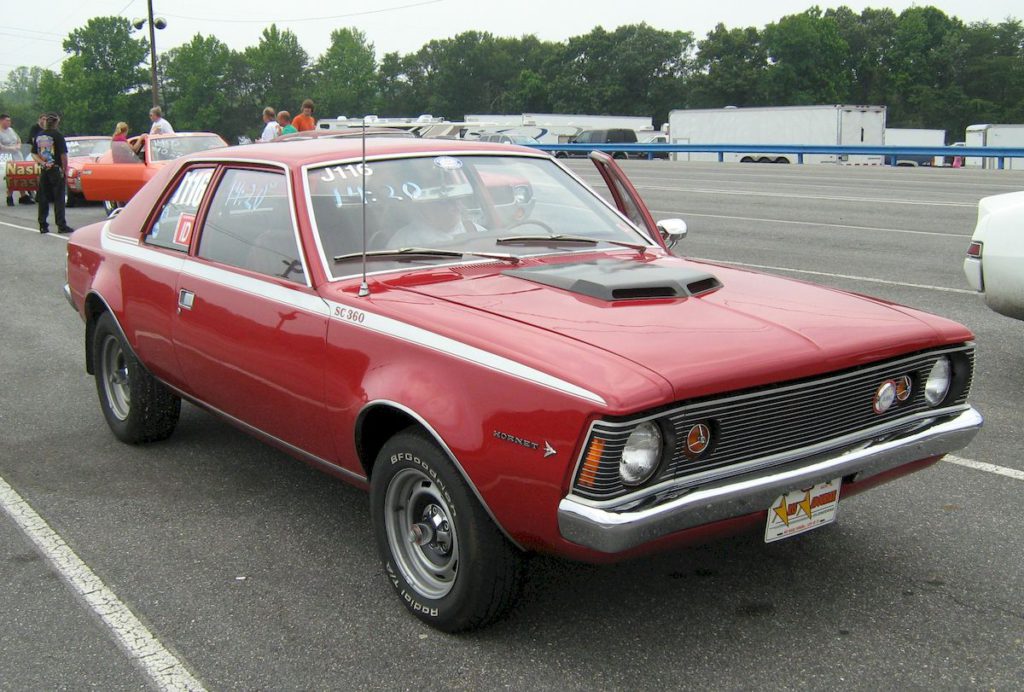
When muscle car insurance rates skyrocketed, the 1971 AMC Hornet SC 360 offered big performance in an affordable, insurance-friendly package. American Motors produced just 784 units of this unassuming compact that concealed a 360 cubic inch V8 producing 245 horsepower standard, while the optional “Go Package” pushed output to 285 hp.
Distinctive front grille styling differentiated it from base models without broadcasting its performance intentions. Despite its modest appearance, the Hornet clocked quarter-mile runs of 14.8 seconds at 94.63 mph – remarkable figures for a compact during the muscle car era’s sunset period.
1971 AMC Hornet SC 360 (Interior)
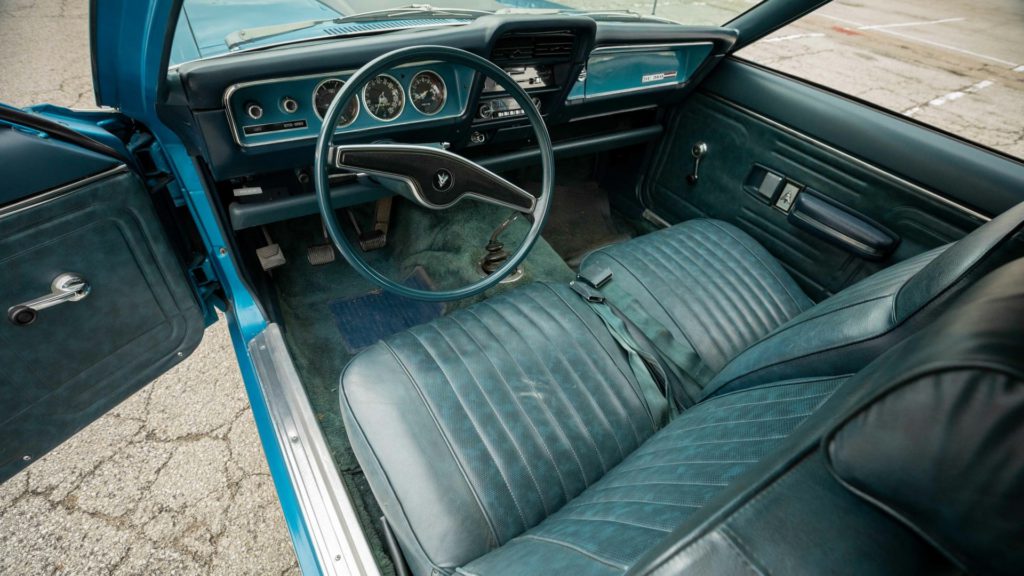
If you craved muscle car thrills on a budget, the Hornet SC 360’s interior delivered the essentials without breaking the bank. Transmission choices gave buyers flexibility with 3-speed manual, 4-speed Hurst shifter, or automatic options. AMC’s practical interior approach added just enough performance cues to hint at the car’s capabilities. Affordability compared to larger muscle competitors made this compact bruiser accessible to budget-conscious enthusiasts.
Despite limited dealer network exposure, the SC 360 established AMC as a legitimate performance contender. Limited production numbers have transformed well-preserved examples into highly sought collectibles that outperform their original market position.
8. 1973 Mercury Montego GT 351 Cobra Jet (Exterior)
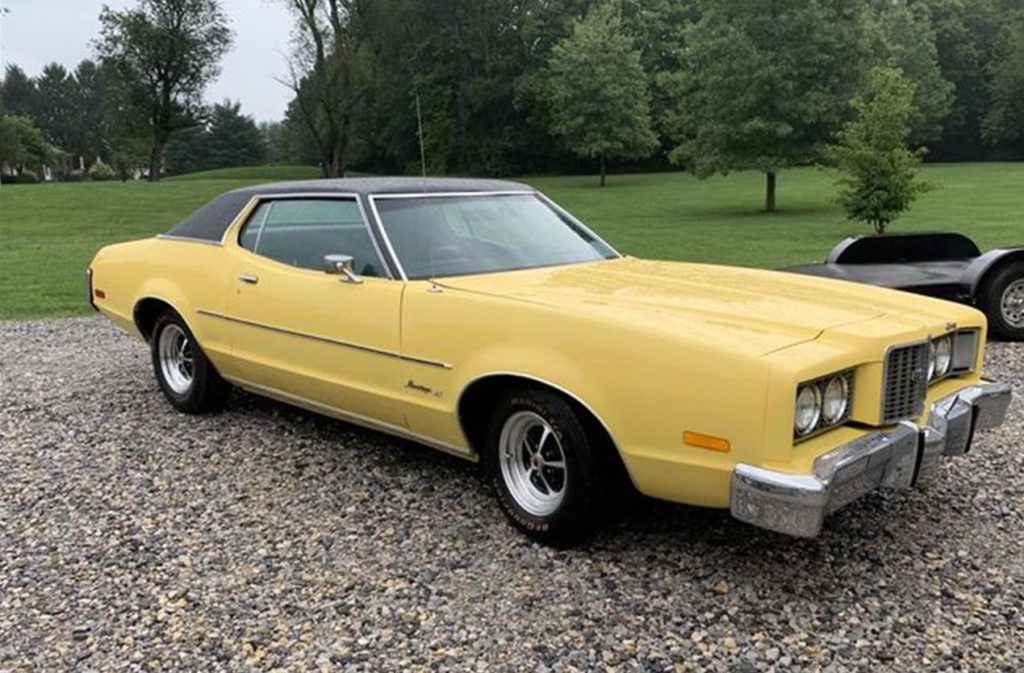
As emissions regulations strangled muscle cars nationwide, the 1973 Mercury Montego GT 351 Cobra Jet kept the flame alive with just 1,120 units equipped with the potent Cobra Jet engine. Manual transmission scarcity makes the 197 four-speed examples particularly noteworthy.
Hidden headlights distinguished the Montego GT as Mercury pivoted toward luxury, with styling that balanced upscale aspirations against subtle performance cues. This model represented the last true Mercury muscle offering before increasingly strict emissions regulations permanently altered the performance landscape.
1973 Mercury Montego GT 351 Cobra Jet (Interior)
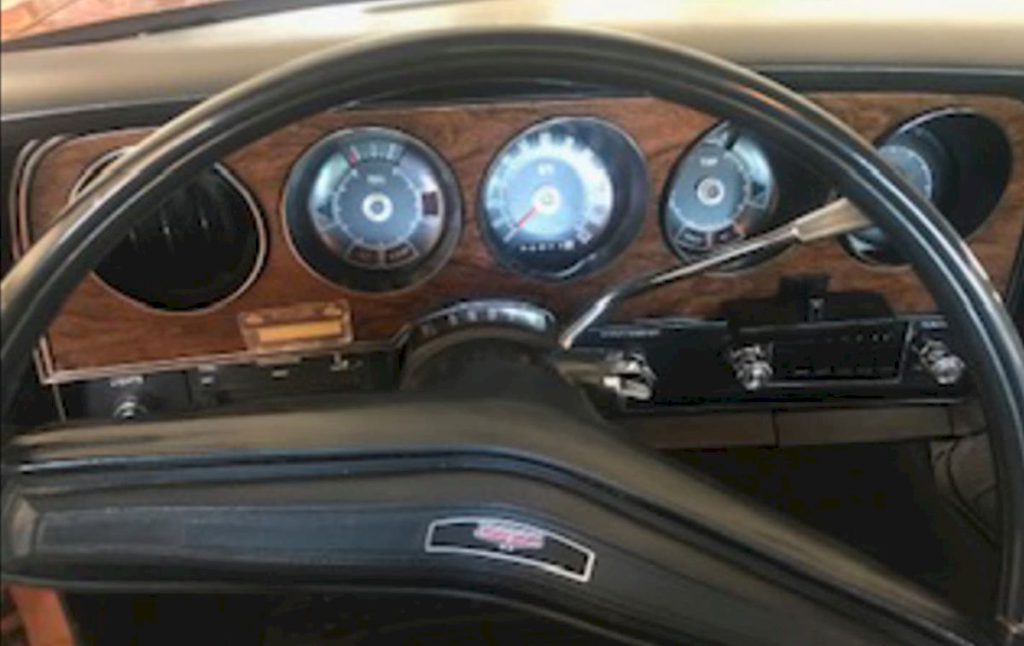
Feature-Benefit: The Montego GT’s luxury-oriented cabin separated it from stripped-down muscle cars while maintaining serious performance credentials. Multiple transmission options included 3-speed manual, 4-speed manual, or automatic, paired with engine choices ranging from 302, 351 2-barrel, 351 Cobra Jet, 400, or 429 cubic inch V8s.
This final performance offering carried the torch after the Cyclone ended production. Though heavier than earlier muscle cars, the Montego GT blended comfort with sporting intentions into a distinctive grand touring package. Limited production numbers have driven collectibility and value appreciation among knowledgeable enthusiasts.
7. 1974 Dodge Dart Sport 360 (Exterior)
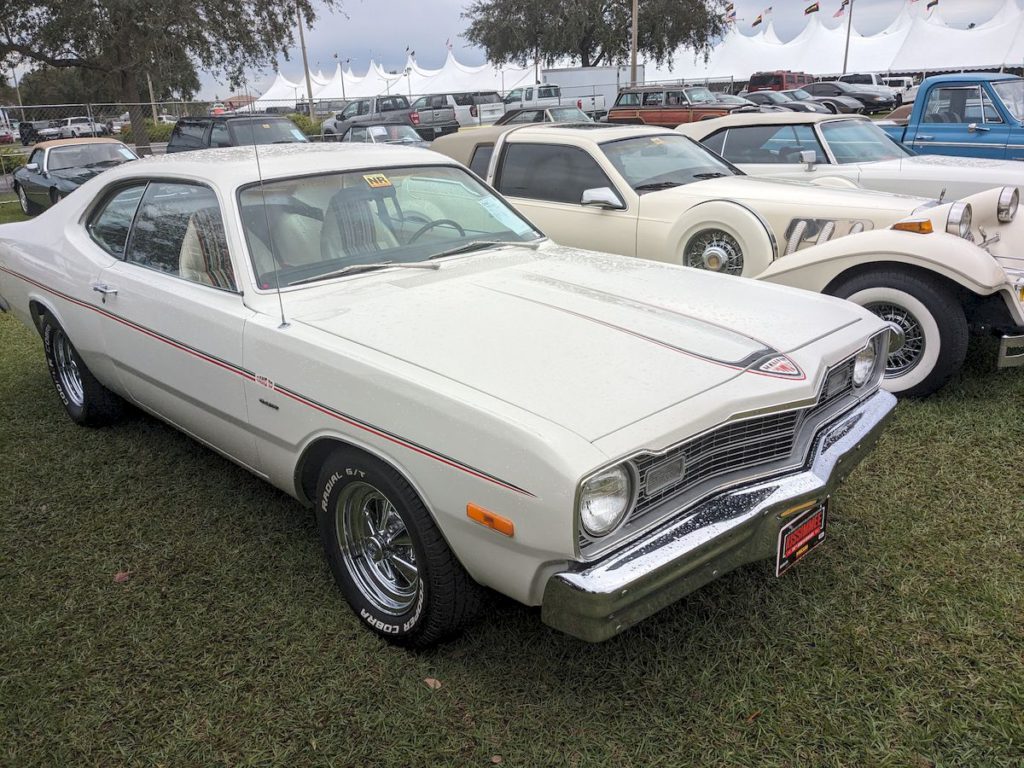
Defying the fuel crisis with small-car efficiency and big-block muscle, the 1974 Dodge Dart Sport 360 emerged as Mopar’s smartest sleeper with just 3,951 examples built. Frost Green paint, distinctive Dart 360 graphics, and a black vinyl top gave this small Mopar subtle visual presence beyond standard models. The compact body housed a potent 360 cubic inch V8 that delivered surprising punch despite tightening emissions requirements.
Power steering and front disc brakes helped manage the substantial power in this lightweight package. Dodge’s commitment to the muscle car formula continued through the fuel crisis with this efficient performer.
1974 Dodge Dart Sport 360 (Interior)
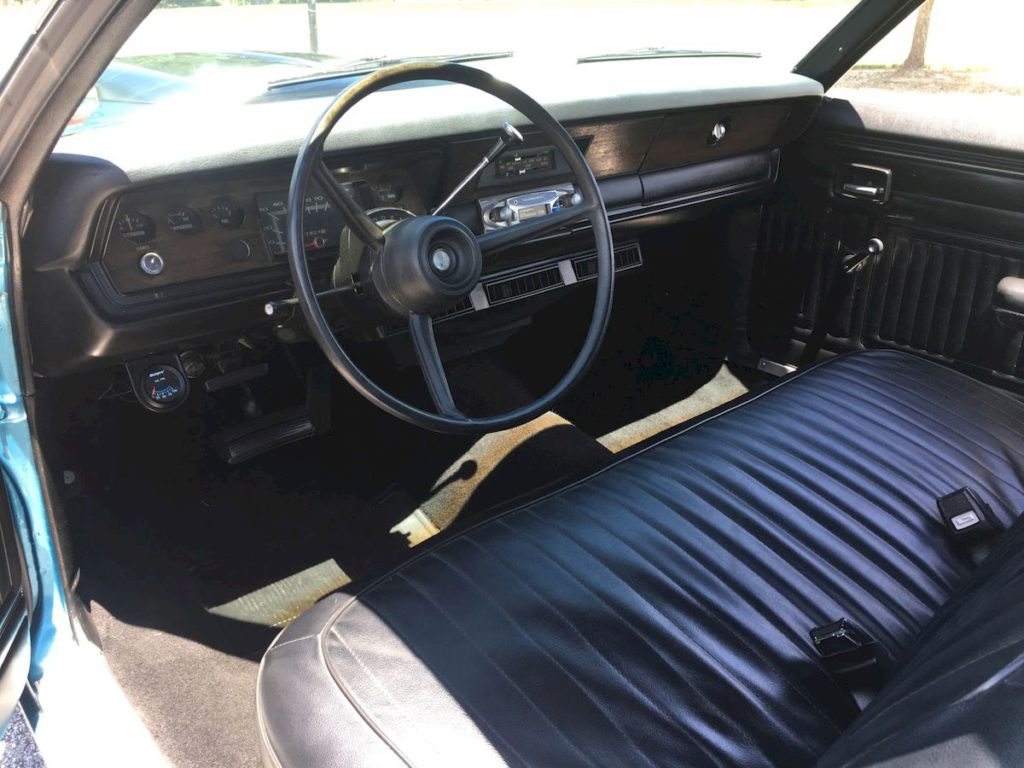
When gas prices doubled overnight, the Dart Sport 360 offered V8 thrills in an economical package with unexpected amenities. Green vinyl interior treatments maintained Dodge’s practical approach to cabin design. A 3-speed automatic transmission handled power delivery to the rear wheels, while power brakes provided appropriate stopping capability. Nothing about the simple interior hinted at the car’s surprising performance potential.
Emissions regulations reduced output compared to earlier muscle cars, and the fuel crisis cast a shadow over thirstier vehicles. Nevertheless, this blend of compact practicality with V8 muscle created an effective sleeper that’s appreciated in value, though not reaching the heights of peak-era muscle cars.
6. 1971 Chevrolet Biscayne 407 (Exterior)
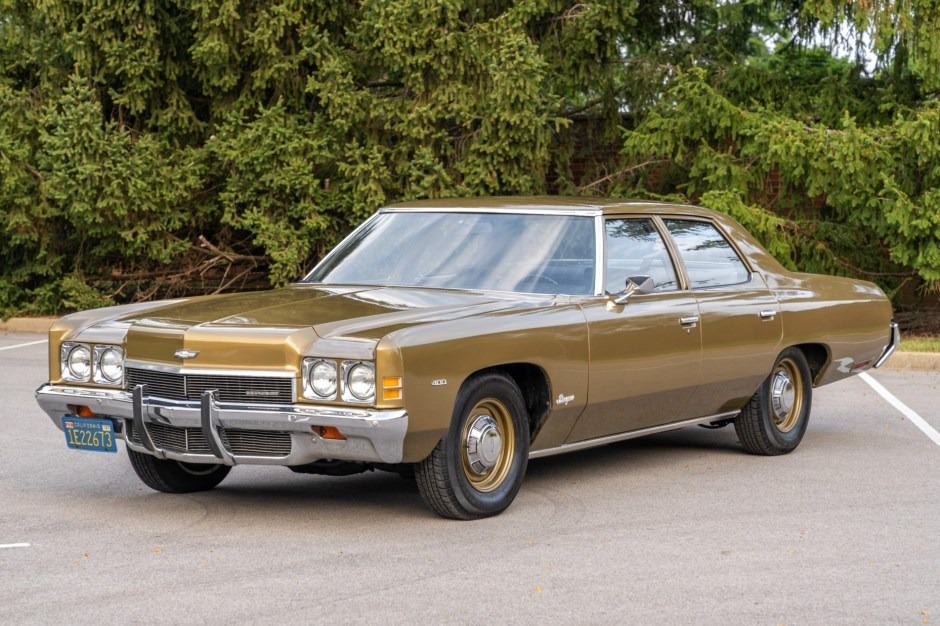
If you wanted ultimate sleeper status in 1971, the Chevrolet Biscayne 407 delivered with its fleet-car looks and drag strip performance. While Chevrolet produced numerous Biscaynes, only a tiny fraction contained the potent 407 cubic-inch V8 engine. Plain-Jane styling with minimal chrome, standard wheels, and fleet-car looks perfectly disguised the performance capabilities.
Nothing about its understated appearance revealed the power under its hood. Government motor pool aesthetics concealed muscle car performance in what became the ultimate sleeper – one of the last big-block options available in a full-size Chevrolet.
1971 Chevrolet Biscayne 407 (Interior)
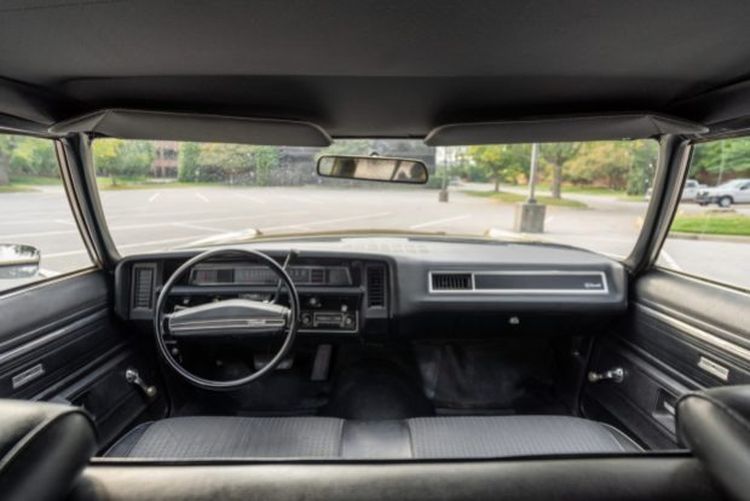
When flash attracted unwanted attention, the Biscayne 407’s spartan interior provided the perfect cover for serious performance. Function trumped form inside, with basic amenities and business-like accommodations. A 4-speed manual transmission with a Hurst shifter provided direct control for performance enthusiasts, though an automatic remained optional. Drag racers and performance buyers appreciated this understated performer representing the final chapter of big-block, full-size cars.
Poor fuel economy from the large displacement engine and heavy body, plus less nimble handling than smaller muscle cars, couldn’t diminish its appeal. Well-preserved examples command premium auction prices due to extreme rarity and perfect sleeper credentials.
5. 1972 Plymouth Satellite Sebring Plus 400 (Exterior)
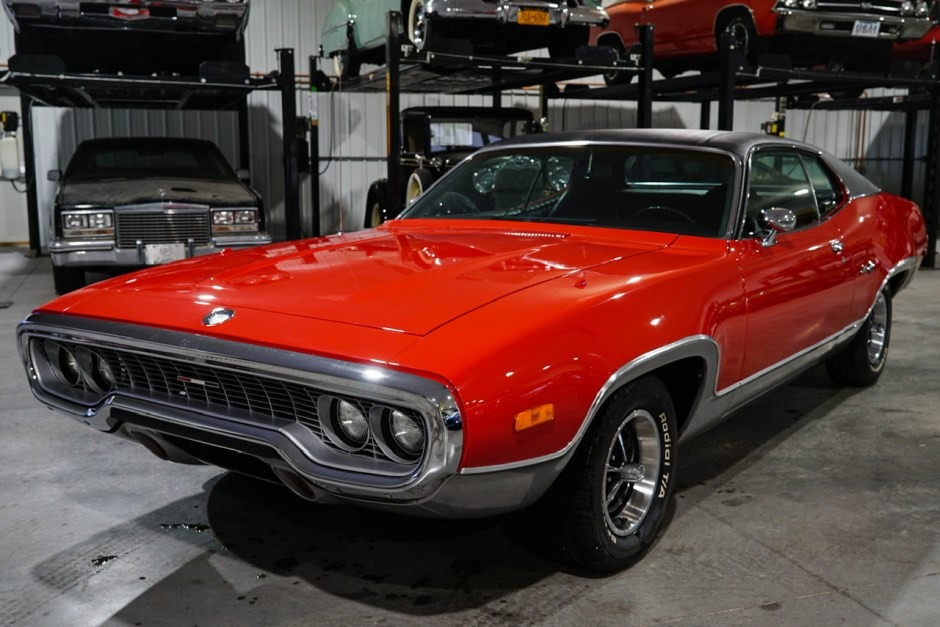
While muscle cars faced image problems, the 1972 Plymouth Satellite Sebring Plus 400 offered a respectable façade with 255 horsepower lurking beneath. Approximately 21,000 units featured clean styling that projected confidence without the aggressive cues of its Road Runner sibling. Plymouth’s elegant lines disguised the 400 cubic inch V8 engine for buyers wanting performance without drawing attention.
Its upscale appearance masked genuine performance capability, creating a sleeper that maintained respectability while delivering stoplight surprises. Distinctive design elements separated this model from other Plymouth offerings without broadcasting its performance potential.
1972 Plymouth Satellite Sebring Plus 400 (Interior)
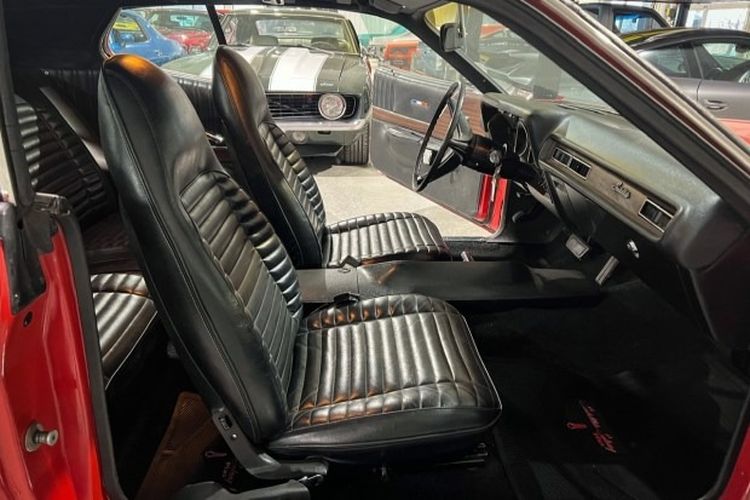
If you’d outgrown flashy muscle cars but still craved performance, the Satellite Sebring Plus cabin delivered mature sophistication without sacrificing speed. Comfortable seating and upscale trim created a premium environment inside. Transmission options included 3-speed automatic or 4-speed manual to harness the 400 cubic inch V8’s power. The interior successfully balanced comfort with performance, appealing to mature buyers wanting muscle without flash.
Early emissions regulations reduced output compared to peak muscle cars, while the approaching fuel crisis loomed on the horizon. Plymouth maintained market competitiveness as muscle car definitions evolved. Manual transmission examples have appreciated most significantly among collectors seeking this sophisticated sleeper.
4. 1974 Chevrolet Laguna S3 454 (Exterior)
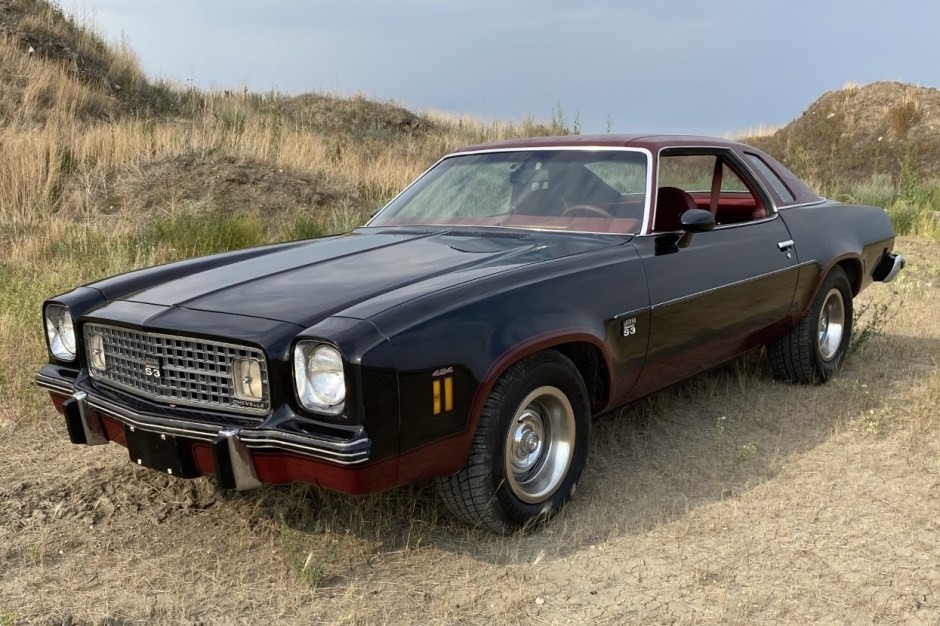
The Laguna S3’s NASCAR-inspired aerodynamics housed a mighty 454 cubic inch LS4 V8 that kept the muscle car spirit alive when competitors surrendered. Chevrolet produced 15,792 examples with distinctive nose cone front-end styling that dramatically differentiated it from standard Chevelles. The big-block engine generated 235 horsepower – impressive output during the strangled emissions era.
Clean styling maintained an understated presence that concealed its performance capabilities. NASCAR popularity influenced the aerodynamic design, adding racing credibility to this family car platform during muscle’s decline.
1974 Chevrolet Laguna S3 454 (Interior)
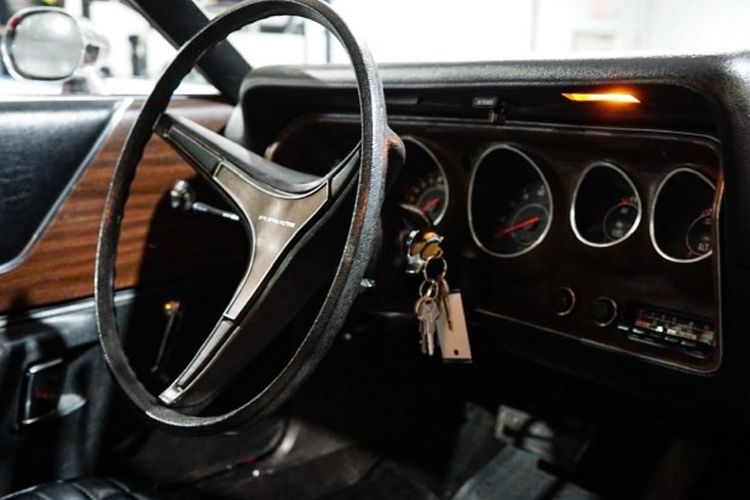
Bold Statement: Swivel bucket seats and a performance-tuned suspension transformed a family car into Chevrolet’s last true muscle offering of the mid-70s. A sports steering wheel added performance character to the Laguna S3 cabin. A 3-speed automatic transmission managed power delivery from the big-block V8. Handling benefited from a special suspension package that outperformed typical family cars.
Emissions regulations and the fuel crisis severely impacted performance aspirations, yet Chevrolet maintained its performance commitment. NASCAR connections helped preserve interest and value, while limited production has increased collectibility among enthusiasts seeking significant models from this transitional era.
3. 1975 Plymouth Road Runner 400 (Exterior)
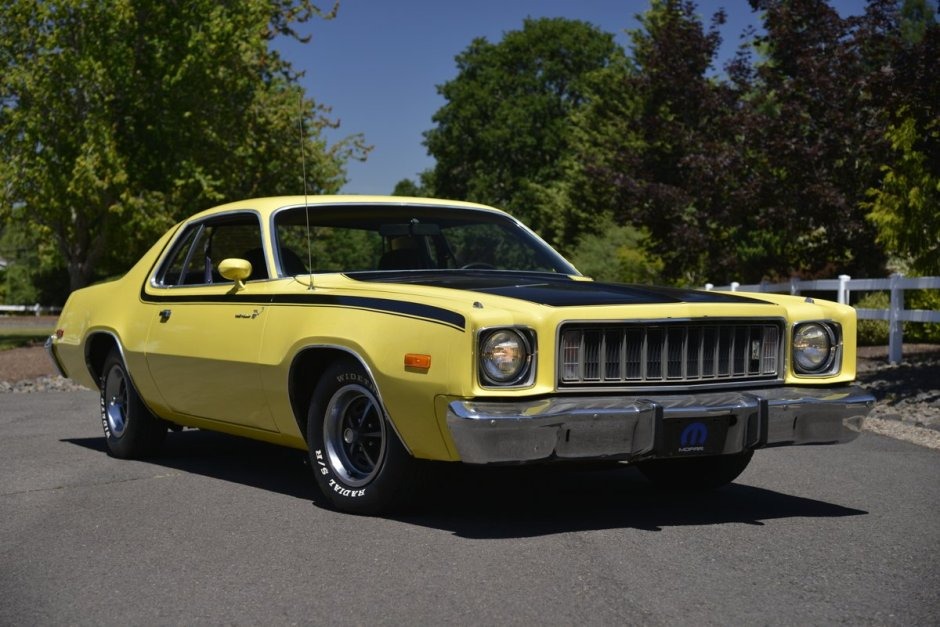
When muscle cars seemed destined for extinction, the 1975 Plymouth Road Runner 400 kept the dream alive with 7,183 units produced against all odds. Engine options included the 318 cubic inch V8 and more potent 400 cubic inch V8. Blackout grille treatment and Road Runner graphics added aggressive touches to the exterior, though overall design had matured from earlier, wilder iterations.
This performance-oriented Plymouth Fury variant carried the iconic Road Runner nameplate forward despite market headwinds. Though larger and heavier than the original Road Runner, distinctive styling cues separated it from standard Fury models.
1975 Plymouth Road Runner 400 (Interior)
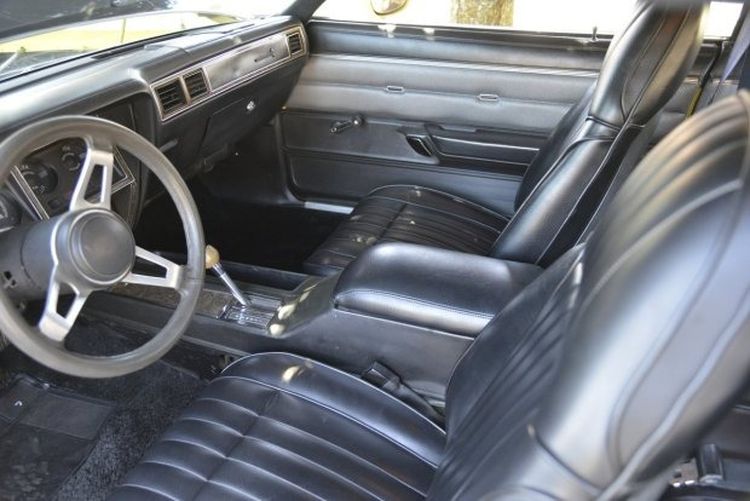
Electric sunroofs and cassette players brought modern amenities to the Road Runner’s performance package, bridging muscle car heritage with mid-70s luxury expectations. Interior design balanced performance elements with comfort features as buyer expectations evolved. Changing market conditions forced Plymouth to adapt the Road Runner formula while maintaining performance heritage.
Significant power reductions compared to early Road Runners resulted from emissions regulations, with the fuel crisis further complicating the performance car market. Values have appreciated moderately compared to the legendary early Road Runner models that defined the nameplate.
2. 1970 Mercury Cyclone Spoiler (Exterior)
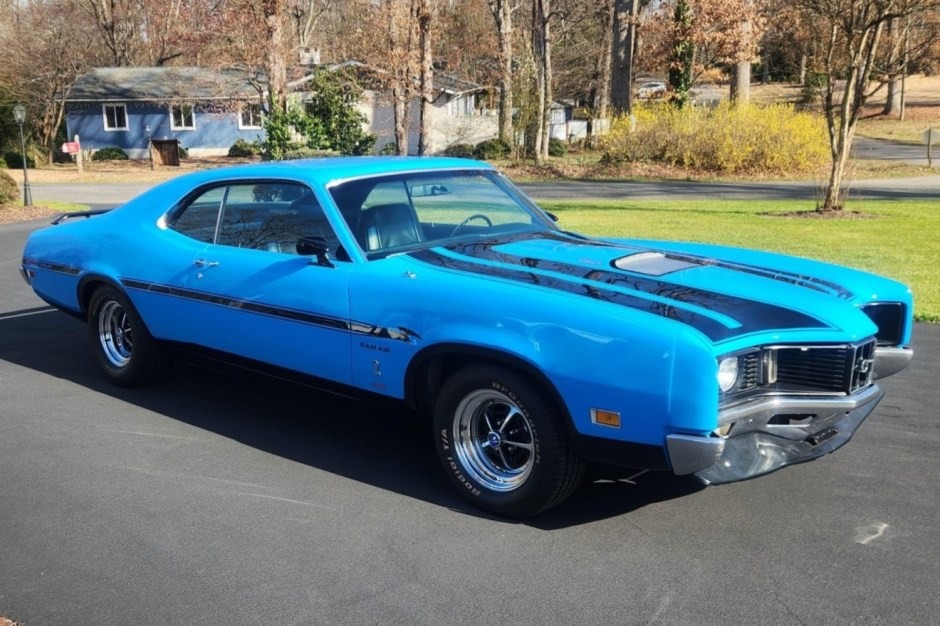
Packing a potential 370 horsepower with the Super Cobra Jet option, the 1970 Mercury Cyclone Spoiler combined NASCAR aerodynamics with street performance in just 1,631 examples. Power options included the thunderous 429 cubic inch V8, with functional aerodynamic elements including a cooling hood scoop, chin spoiler, and rear air foil.
Despite these competition-inspired details, the Cyclone Spoiler maintained more subtle presence than Ford Torino cousins. This peak-era Mercury muscle car arrived just before the brand’s pivot toward luxury overtook performance priorities.
1970 Mercury Cyclone Spoiler (Interior)
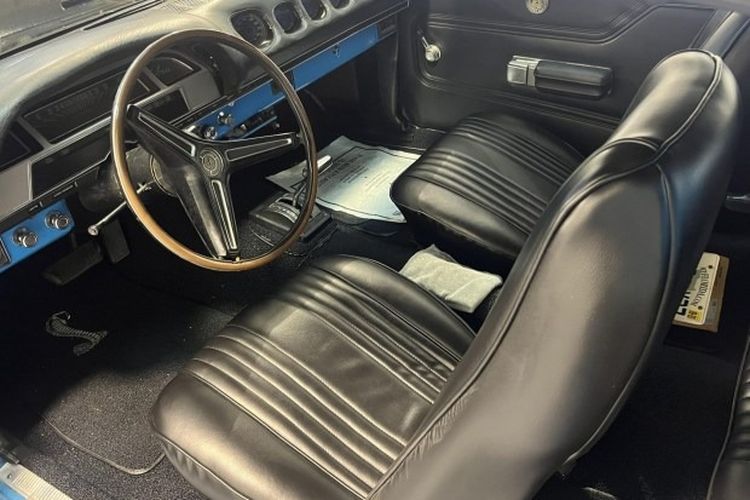
When Ford fans wanted Torino Talladega performance with Mercury refinement, the Cyclone Spoiler delivered the perfect blend of luxury and muscle. Direct control came through the 4-speed manual transmission connected to the potent 429 engine. Interior appointments balanced Mercury’s near-luxury positioning with authentic sporting character. Comfortable accommodations complemented serious performance potential without compromise.
This combination of refinement and raw capability created Mercury’s most compelling performance package. Well-preserved examples attract significant collector interest for their rarity, performance credentials, and position as Mercury muscle cars’ final expression before the luxury transition.
1. 1975 Buick Century GS 455 (Exterior)
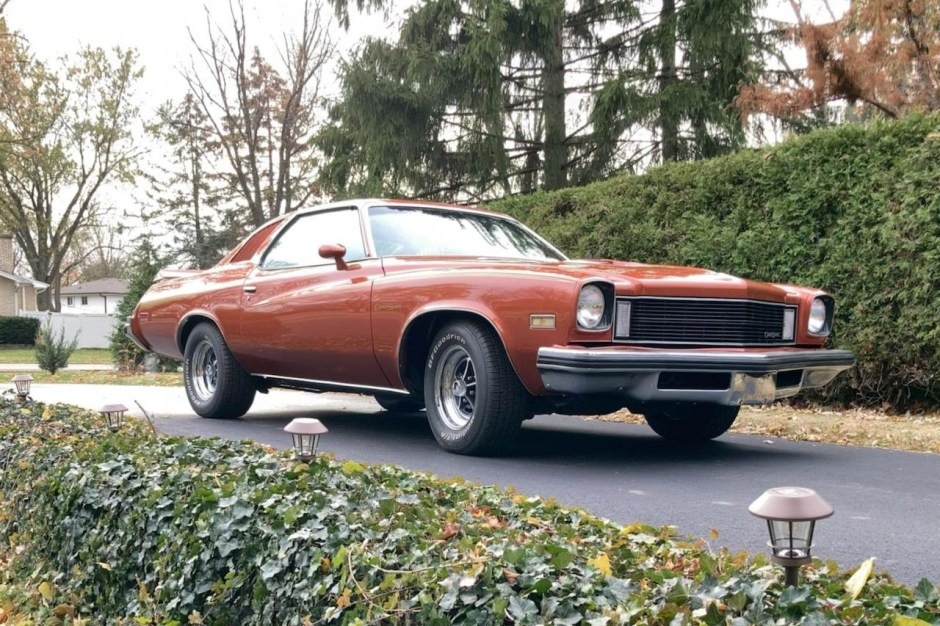
Indianapolis 500 pace car heritage elevated the 1975 Buick Century GS 455 above typical mid-70s offerings, with production limited to just 1,288 units. Transitioning from raw performance to balanced aesthetics, this model adapted to changing market realities. Mature styling concealed the car’s sporting intentions.
Engine options included a V6 or 350 cubic inch V8, reflecting Buick’s response to efficiency demands. Sophisticated design maintained subtle performance cues to signal its Grand Sport lineage to knowledgeable observers.
1975 Buick Century GS 455 (Interior)
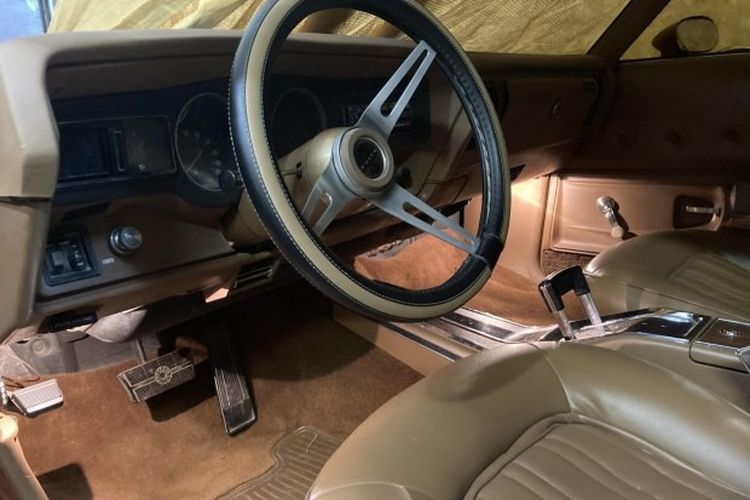
If you valued refinement as much as performance, the Century GS 455 offered Buick’s renowned interior quality with muscle car credentials. Refined interior appointments upheld Buick’s reputation for quality cabins while preserving sporting elements. Grand Sport character survived despite industry-wide performance declines.
The driver-focused environment appealed to mature enthusiasts wanting performance without sacrificing luxury. This model concluded Buick’s traditional muscle car chapter as fuel efficiency overtook performance in consumer priorities. The Century GS 455 exemplifies sophisticated sleeper design from muscle cars’ final days, now valued by collectors appreciating its balanced approach to luxury and performance. If you enjoyed this look into sleeper cars of the 1980s, then you might like this in-depth review of cars from the 1990s.