



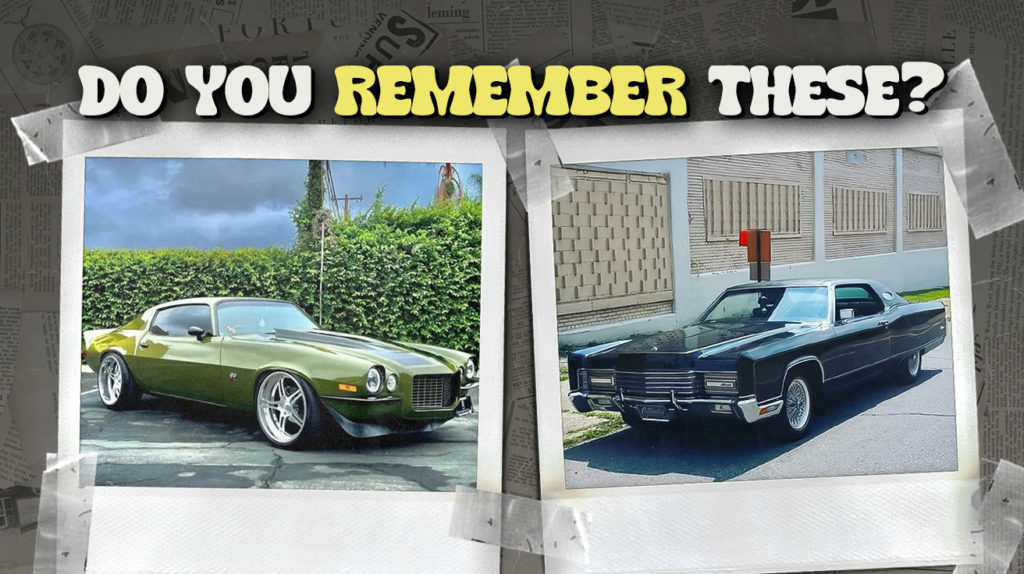
Fasten those lap belts! Welcome to the radical world of 1970s automobiles, where rumbling V8s ruled during a decade that hit the industry like a meteor strike. These weren’t just vehicles – they were rolling statements that captured America’s soul while gas prices soared. The 70s gave us designs and engineering so deliciously over-the-top they’d make the Fast & Furious franchise seem subtle by comparison.
9. Ford Mustang II
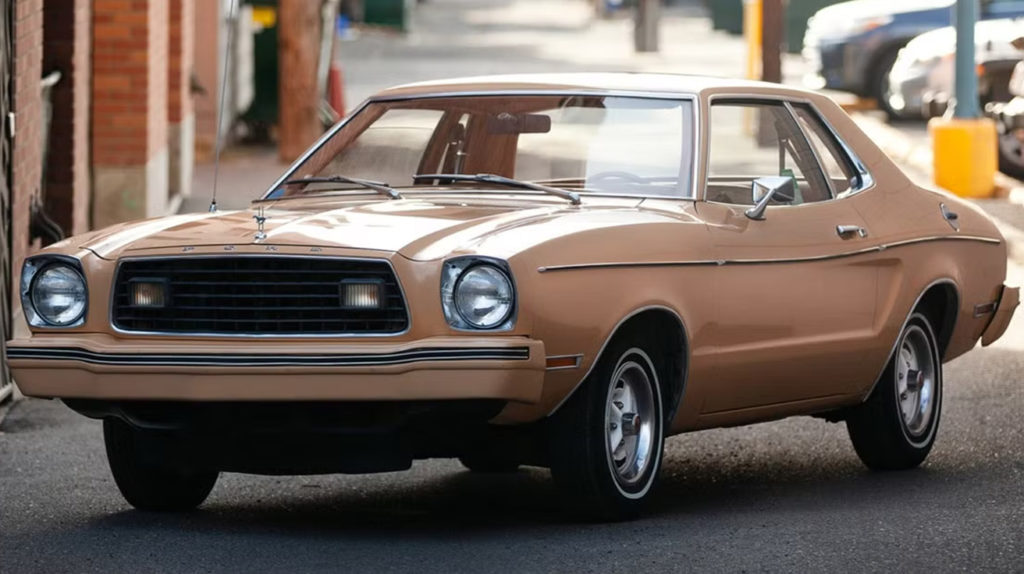
Ford’s 1974 Mustang II wasn’t just a desperate pivot – it was their iPhone moment when everyone else was still selling Blackberries. Slapped onto a Pinto platform amid mile-long gas lines, this ponycar-on-a-diet somehow sold 385,000 units in year one despite enthusiasts howling about its anemic powerplants. The average American cared more about those standard steel-belted radials than quarter-mile times, proving Ford understood the market better than the critics. Today, collectors hunt for rare King Cobra models with the 302 V8, which are steadily gaining value in the classic car market.
8. Dodge Challenger
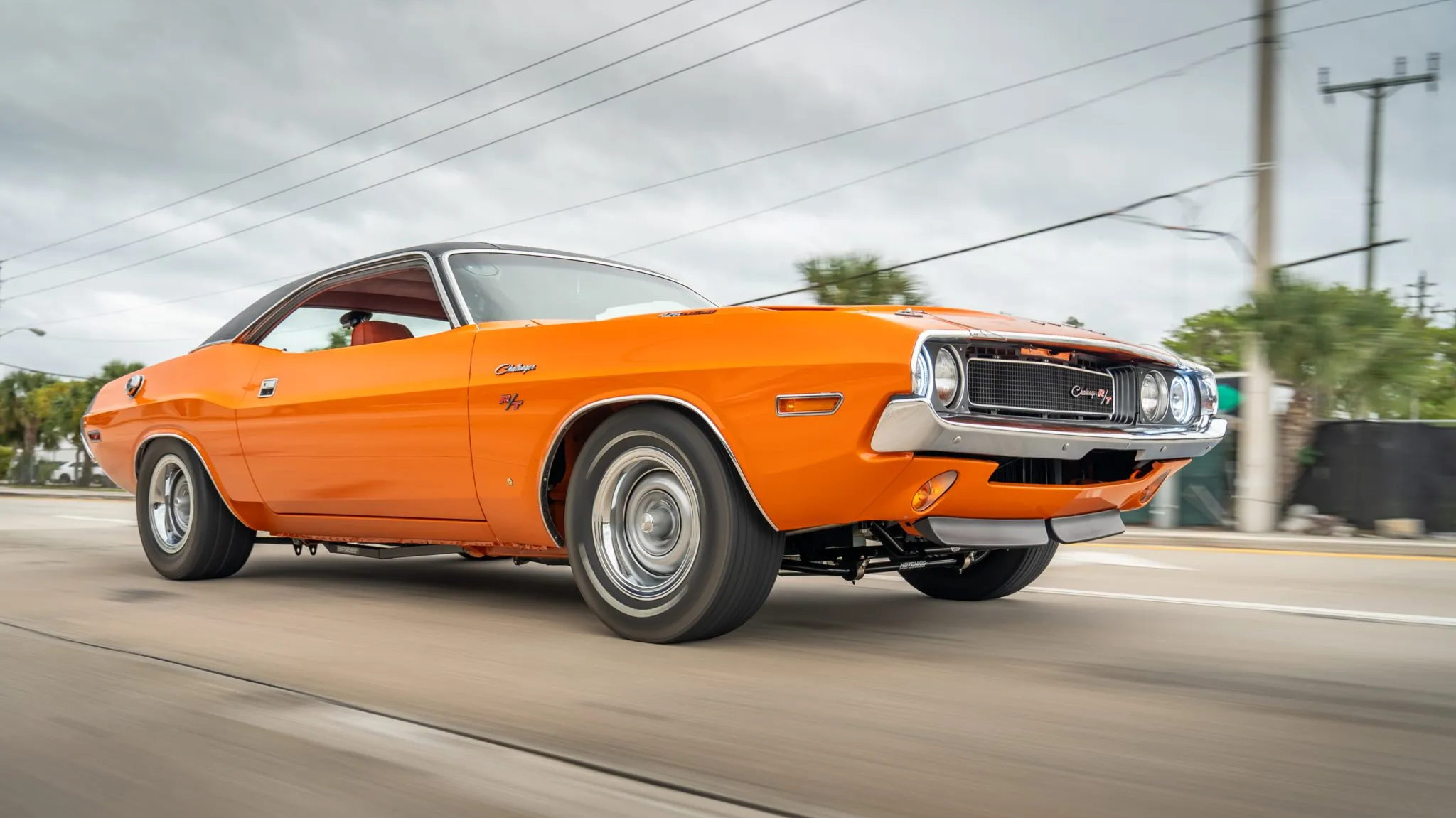
Chrysler threw subtlety out the window when unleashing the 1970-1974 Challenger. This tire-shredding beast packed engine options ranging from sensible slant-sixes to the 440 Magnum V8 that made 390 horsepower look easy. Those predatory dual headlights and optional Slap-Stik shifter created a package so visually stunning it still drops jaws five decades later. Sadly, insurance companies and OPEC conspired to kill it off just as it hit its stride. Smart collectors grabbed R/T models with original drivetrains years ago – they now demand six-figure prices at major auction houses worldwide.
7. Ford Maverick
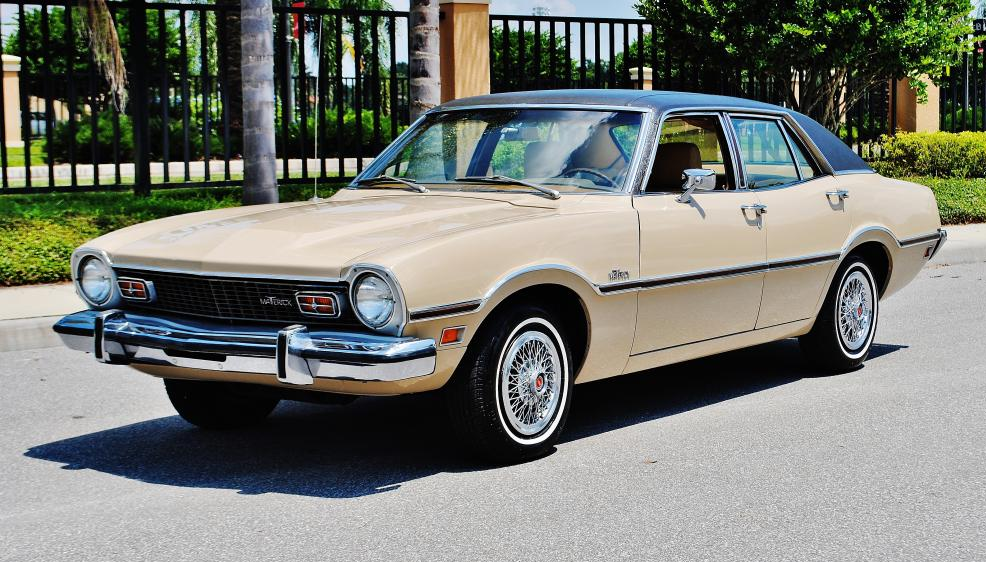
While Dodge chased adrenaline junkies, Ford’s 1970-1977 Maverick hunted budget-conscious buyers with a $1,995 price tag that today wouldn’t cover your iPhone Pro Max. Ford’s engineers designed the automotive equivalent of comfort food – a reliable, simple machine that wouldn’t disintegrate before the loan was paid off. With mechanics straightforward enough for weekend warriors to tackle, over two million Americans chose practical transportation over flashy status symbols. Grabber performance package models now represent the sweet spot between affordability and collectibility in today’s classic car market.
6. Ford Granada ESS
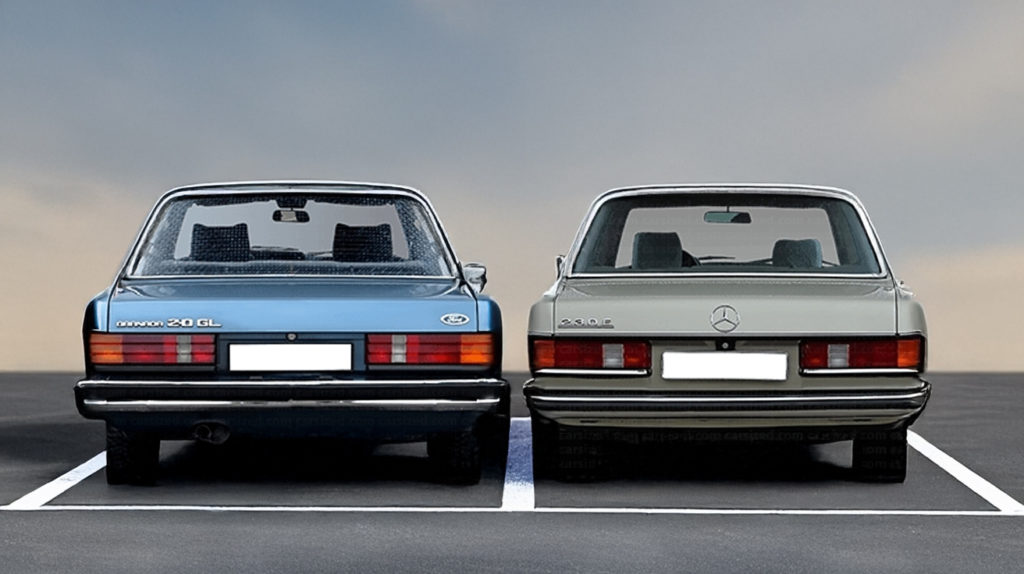
The 1975 Granada ESS convinced middle-class Americans they were driving a Mercedes-Benz for one-fifth the price. Ford’s marketing team deserves recognition for directly comparing this $4,000 blue-collar chariot to Stuttgart’s finest with a straight face. The fake wood dashboard trim fooled exactly nobody, yet showrooms couldn’t keep them in stock. This proves perception trumps reality in marketing – a lesson luxury brands still exploit today when charging premium prices for products made in the same factories as budget alternatives.
5. Datsun 280Z
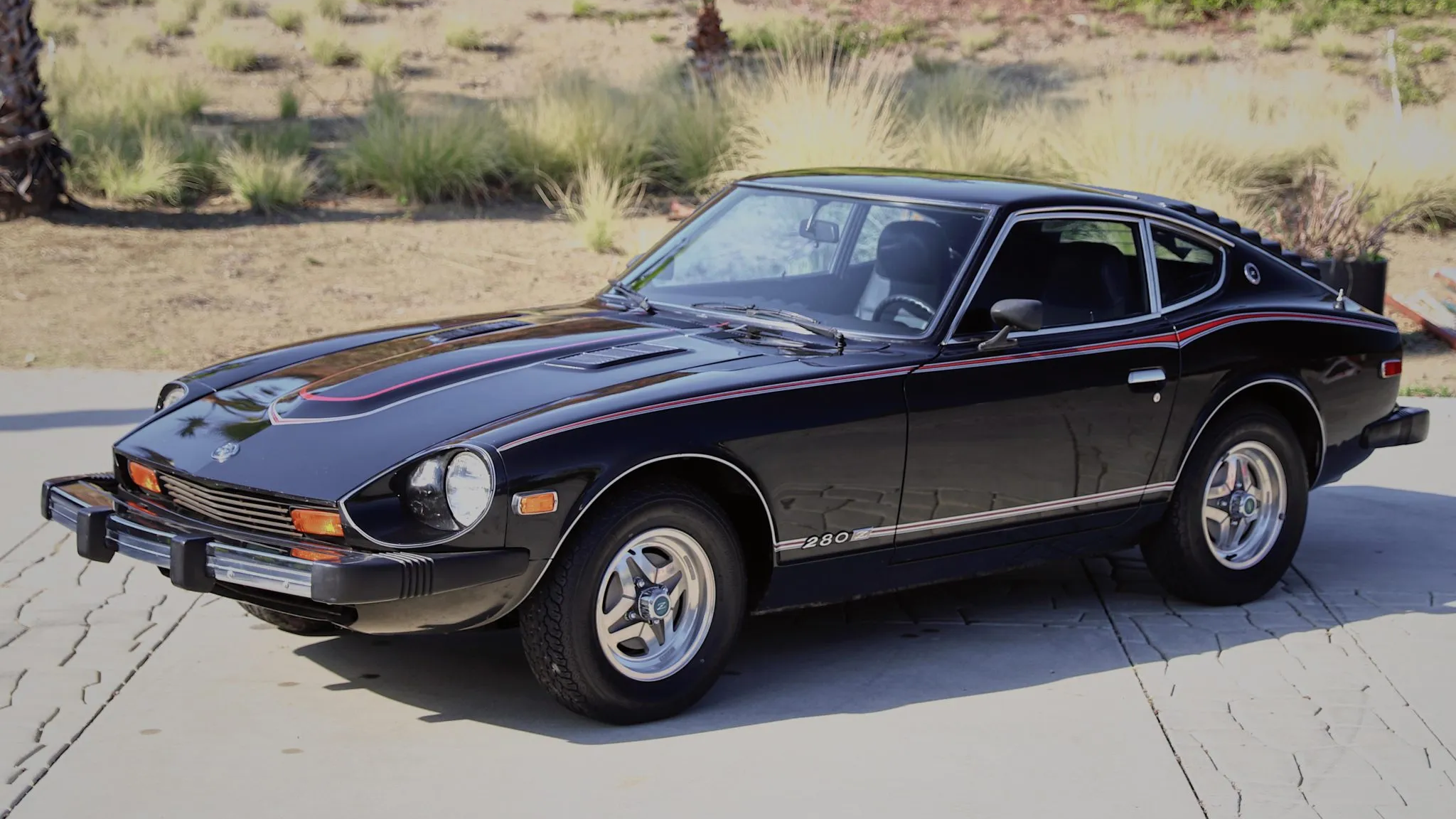
The 1975-1978 Datsun 280Z rewrote the sports car rulebook with its impressive credentials. This Japanese masterpiece packed a Bosch fuel-injected straight-six and perfect 50/50 weight distribution into a stunning fastback body that cost middle-class money. Automotive journalists suddenly questioned their European bias when confronted with handling that made drivers feel heroic on winding roads. The 280Z didn’t just sell cars – it completely rewrote America’s perception of Japanese manufacturing quality. Early, unmodified examples now approach six figures at auction houses across the country.
4. Chrysler Cordoba
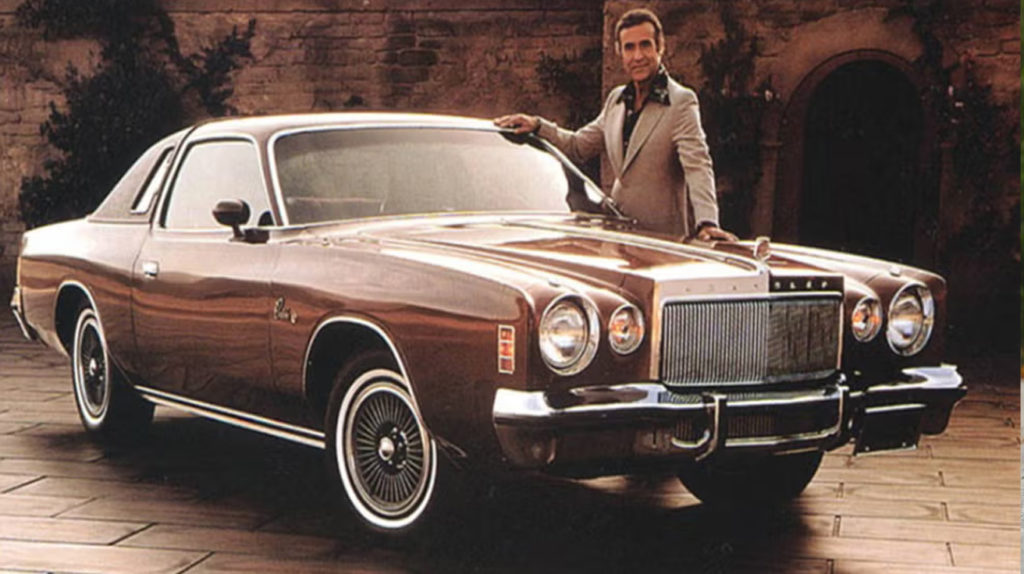
Chrysler’s 1975 Cordoba surfed the sweet spot between gas-sipper and land yacht, creating a personal luxury coupe for executives who wanted to project success without triggering an IRS audit. Ricardo Montalbán’s hypnotic voice marketing “rich Corinthian leather” (actually vinyl from New Jersey) became so iconic it’s still referenced in pop culture today. Opera windows and hood ornaments signaled prosperity without screaming “tax me!” – a carefully calibrated status move that over 150,000 Americans couldn’t resist in year one. These remain affordable classics under $15,000 – less than many spend on their Peloton setup that primarily functions as an expensive clothes hanger.
3. Ford Country Squire
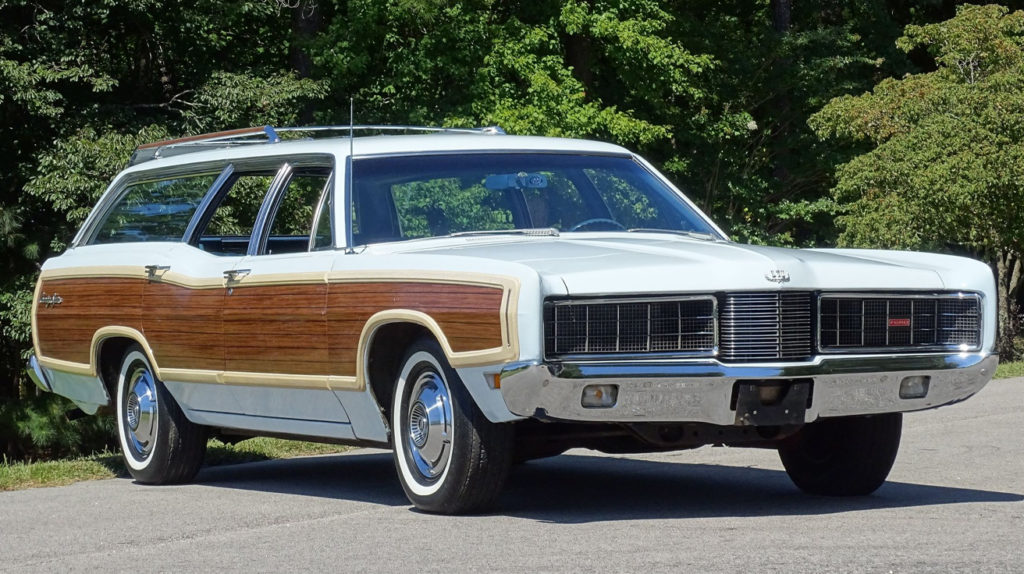
Before minivans and SUVs dominated school drop-off zones, the 1969-1978 Country Squire was suburban royalty on wheels. This rolling slice of Americana, with its fake wood paneling, announced upper-middle-class status with authority. Ford packed genuinely useful innovations like the Magic Door gate and dual-facing rear seats into a package that guzzled premium unleaded with reckless abandon. The Country Squire wasn’t just transportation – it was America’s living room on wheels where epic family road trips and sibling warfare played out in equal measure. Nostalgia now drives auction prices higher than the vehicle’s original MSRP.
2. Chevrolet Camaro
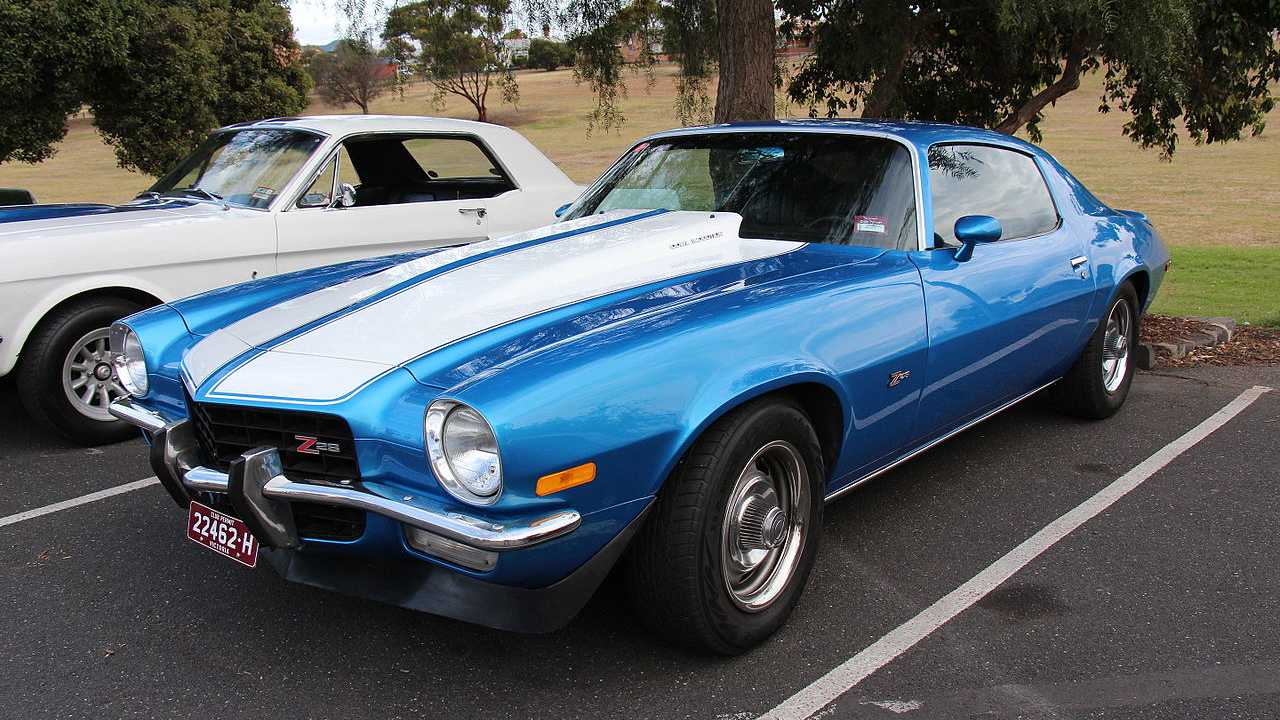
The 1970-1981 second-generation Camaro offered remarkable variety in its configuration options. Chevy built everything from basic transportation to the Z28 that accelerated with tremendous power. The Type LT wrapped you in luxury while Rally Sport models with their distinctive split bumpers told the world you appreciated aesthetics but enjoyed thrilling performance. The 1975 redesign brought wraparound rear windows that looked straight out of a concept car sketch. These weren’t transportation appliances – they were personality extensions telling everyone whether you were sensible, flashy, or that person whose insurance company remained on high alert.
1. Lincoln Continental
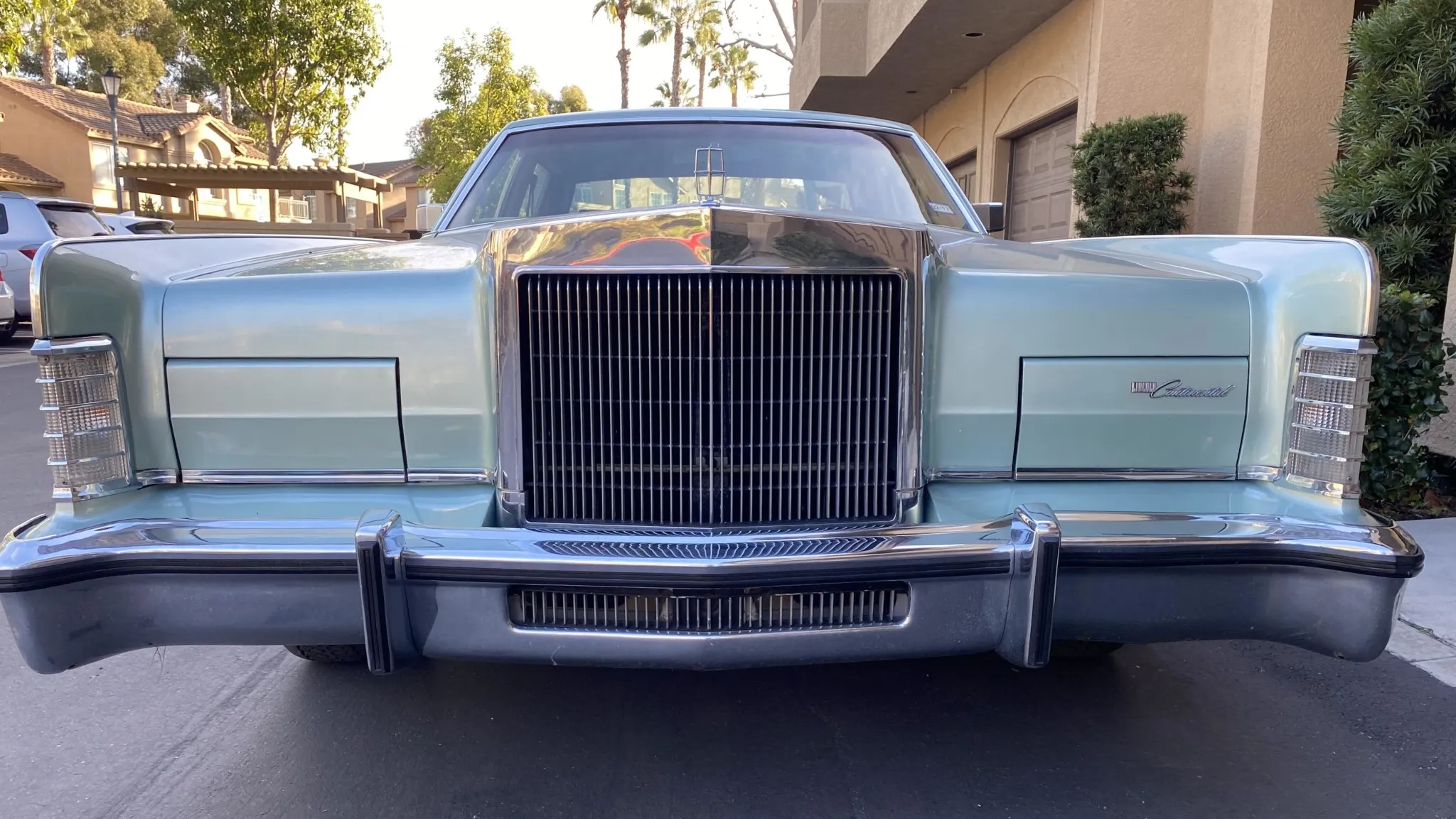
The 1970 Continental existed in a universe where fuel economy was someone else’s problem. Stretching 225 inches with a curb weight approaching 5,000 pounds, this automotive titan displaced enough air to alter local weather patterns. Lincoln’s massive 460-cubic-inch V8 produced 365 horsepower with tremendous authority. Disappearing headlamps, hidden wipers, and cornering lights demonstrated obsessive attention to detail in an era before computerized everything. The Continental didn’t just transport occupants – it insulated them from reality more effectively than an algorithmic social media bubble during election season. These ultimate luxury barges remain surprisingly affordable at under $25,000 – less than a well-optioned Honda Accord.