


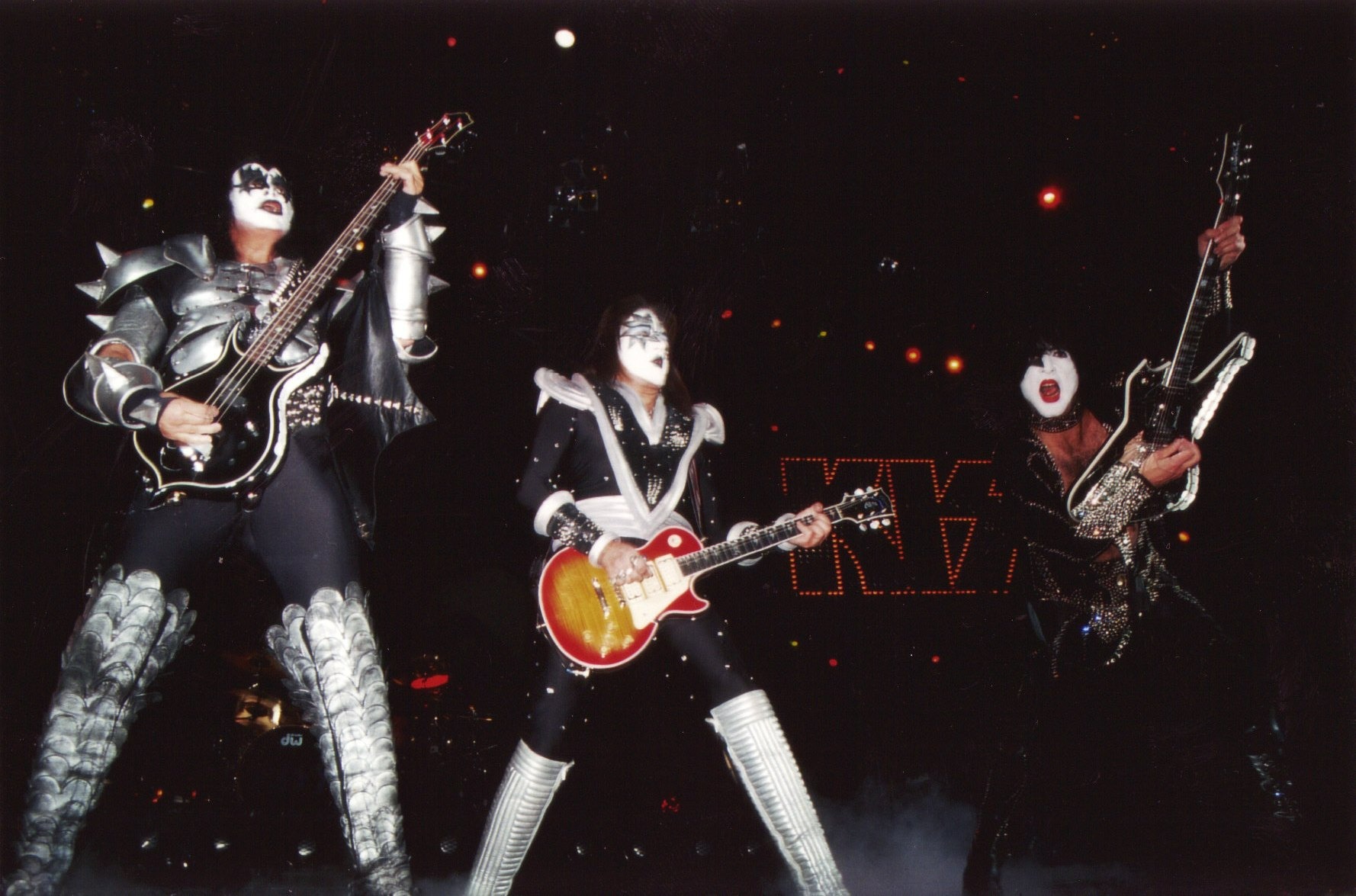
Cultural institutions traditionally operate above the political fray, but the Kennedy Center’s 48th annual honors ceremony reveals how quickly that separation can evaporate. Trump has installed himself as chair, and will host December’s ceremony featuring George Strait, KISS, Sylvester Stallone, Michael Crawford, and Gloria Gaynor.
The honorees themselves represent genuine artistic achievement across decades of entertainment. George Strait’s 60+ number-one hits define modern country music. KISS transformed rock concerts into theatrical spectacles that influenced everyone from Metallica to Lady Gaga. Stallone’s Rocky franchise became cultural mythology, while Michael Crawford’s Phantom of the Opera performances set Broadway standards. Gloria Gaynor’s disco anthems provided the soundtrack to liberation movements worldwide.
But the ceremony’s context tells a different story entirely.
When Prestige Meets Politics
Some say that Trump’s institutional overhaul transforms America’s most prestigious arts ceremony into political theater.
Trump’s takeover extends beyond hosting duties. He’s branded the event as the “TRUMP/KENNEDY CENTER AWARDS” and removed board members who questioned his “non-woke” programming vision.
Previous administrations, regardless of party affiliation, maintained ceremonial distance from the Kennedy Center’s artist selection and governance. Trump’s direct involvement shatters decades of bipartisan tradition in American cultural institutions.
Key institutional changes include:
- Trump appointing himself as Kennedy Center chair
- Elimination of traditional bipartisan board oversight
- Explicit rejection of socially progressive programming
- House Republican proposal to rename the center after Trump
- Focus on “luxury, glamour, and entertainment” over artistic diversity
“The board requested me to host,” Trump claimed, though former members tell a more complicated story about their removal and the institution’s rapidly shifting priorities. The disconnect between official statements and insider accounts highlights the tensions surrounding the Kennedy Center’s dramatic transformation.
The Cultural Cost of Control
This transformation reveals uncomfortable truths about prestigious institutions’ vulnerability to political pressure.
This transformation reveals something uncomfortable about prestigious cultural institutions: their vulnerability to political pressure when funding and governance intersect. You’re watching a real-time experiment in whether American cultural spaces can maintain artistic independence under direct political control.
The ripple effects extend beyond Washington. Other major cultural institutions are reassessing their own governance structures and political insulation. The Kennedy Center’s experience may preview similar challenges facing museums, theaters, and arts organizations nationwide as cultural programming becomes increasingly politicized.
The honorees deserve recognition regardless of institutional politics. But their moment of celebration now carries the weight of broader questions about cultural gatekeeping, artistic freedom, and who decides what represents American excellence.
The December ceremony will broadcast on CBS as planned. Whether it represents cultural restoration or institutional capture depends entirely on your perspective—and where you believe art ends and politics begins.