




Ready to remix your music production mindset? This article spotlights proven strategies to beat creative blocks, enjoy the process, and drop your hottest tracks. We’re skipping the gear reviews and plugin demos to focus on what really matters: the mental game. You’ll find out how tiny mindset tweaks can unlock huge creative breakthroughs, plus how to dodge the most common traps that turn bangers into bricks. Prepare to trade industry pressure for studio freedom and turn “I need” into “I create.”
14. Reticular Activating System

Your brain’s filter bends reality to match your focus—point it toward inspiration, not desperation.
Ever fixate on something so hard you start seeing it everywhere? That’s your Reticular Activating System at work—a psychological filter that highlights whatever grabs your attention. When producers obsess over what they need, the RAS locks them into creative quicksand. It’s like suddenly noticing red cars everywhere after buying one.
The system works by filtering reality based on where your attention lands. Focus on “I need better sounds,” and your brain amplifies that lack. Switch to “music is fun and easy,” and obstacles start dissolving faster than festival makeup in summer rain.
13. Inspiration Comes After Action
Professionals don’t wait to feel inspired—they start neutral and let creativity catch up.
Contrary to common belief, inspiration doesn’t precede creative work; it follows it. That initial 10-15 minute slog where every synth patch sounds like dying electronics? Push through it. After this uninspired phase, creativity grows exponentially.
Sound designers who force themselves into the studio during motivation flatlines know this truth. It’s like jump-starting a dead battery—you need that initial boost, but once it’s running, you’re cruising. Anyone who’s stared at a blank DAW screen gets this feeling.
12. Loop Exercise (Five Loops Per Week)
Boot camp for producers: output-based expectations that kill perfectionism dead.
This coaching exercise forces intermediate-beginner producers to submit at least five loops weekly. The “brick plus build” methodology laser-focuses attention on basic skills: creating basslines, drums, and melodic hooks. Think of it as a loop-churning factory where fundamentals get hammered out.
Perfectionism is just code for “scared to finish anything.” This exercise flips the script from endless tweaking to actual output. The best loops get refined; the rest become learning experiences. You’re not chasing the idea of making music—you’re actually doing it.
11. Pressure Kills Creativity
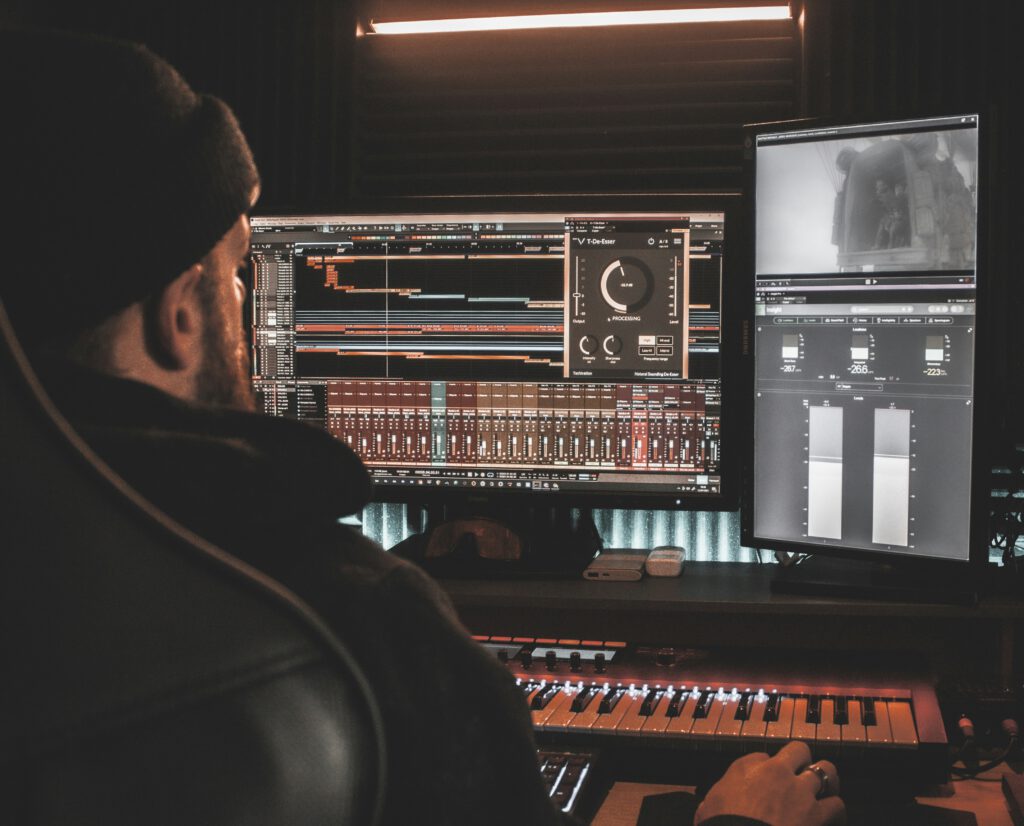
Reframe “I must make music” to “I get to make music” and watch blocks disappear.
Rigid productivity schedules murder experimentation by creating expectations that kill fun. You can’t force lightning to strike. When you attach too much importance to output, creativity gets buried under a pile of “shoulds.”
Anyone who’s felt crushing deadline weight knows this truth. Instead of obsessing over results, dive into the process itself. This shift unlocks creativity like discovering a cheat code and brings back the actual joy of creating.
10. Neutrality Toward Outcomes

Good loops and bad loops are both breadcrumbs on the trail to sonic gold.
Producers should remain neutral about session results—both represent progress and learning. Attaching significance to outcomes is like insisting on one color in your palette; suddenly everything sounds as bland as elevator jazz.
Dopamine hits from “good” ideas create problematic addiction. Criticism over “bad” ones becomes self-sabotaging noise. One producer’s garbage loop became another’s remix gold. True neutrality means accepting all outcomes as equally valuable learning experiences.
9. Signature Sound/Foundation Elements
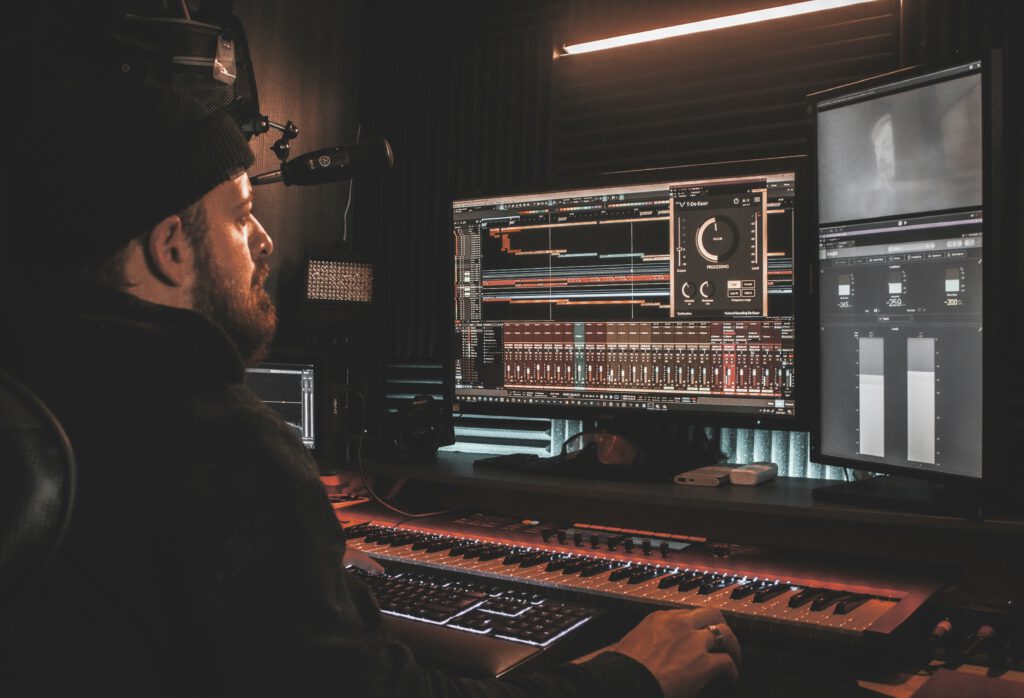
Every chef needs signature sauce; every producer needs sonic fingerprint.
Producers should identify 3-5 favorite bass types, drum styles, and lead sounds that represent their core identity. This foundation provides a starting point for every track and creates flow state because you already know your palette.
Beginners can create original signature sounds or fine-tune existing presets rather than building from scratch. Think of your sonic palette as the foundation to every track—like a painter choosing colors before creating the masterpiece.
8. Strategic Reference Track Method
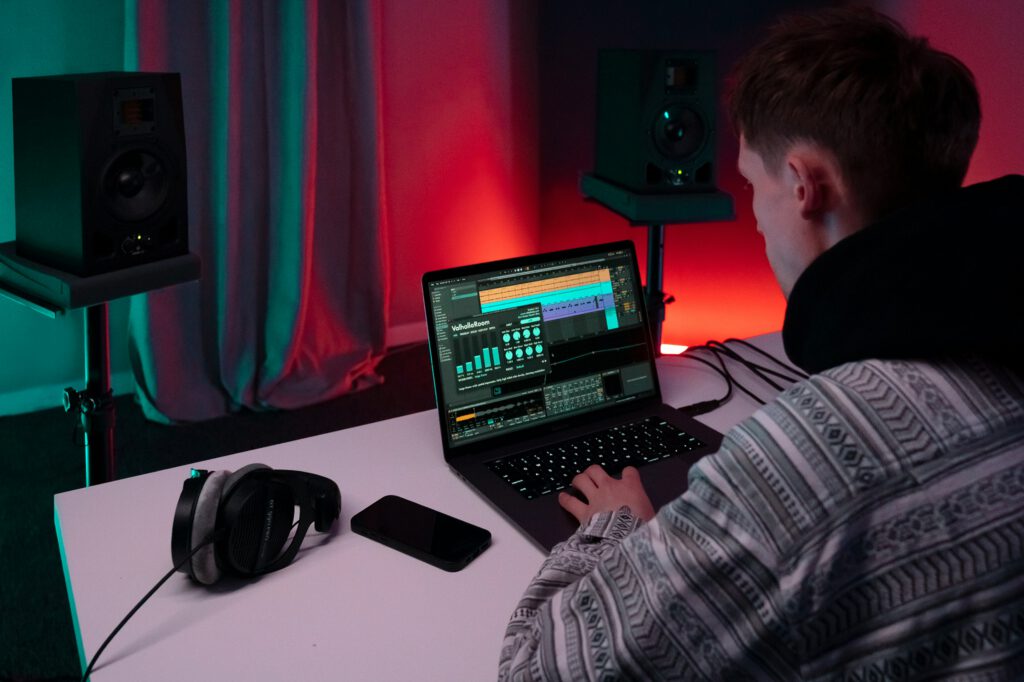
Swipe choice elements from multiple tracks instead of drowning in endless Spotify scrolls.
Rather than copying entire reference tracks, select specific elements from different sources: one track for drums, another for lead design, a third for mixing style. This approach combines inspiration from multiple sources into cohesive original work.
The goal is sonic alchemy—blending influences into something fresh, not creating Frankenstein monsters. Maybe one track’s knockout drums, another’s drool-worthy lead synth, and a third’s mixing fire. You’re cooking up something unique, not letting algorithms win.
7. Focus on Positive Beliefs

Reality follows attention patterns—choose wisely what you amplify.
Reality creation follows attention patterns. When producers focus on “music is fun and easy” versus problems like lack of inspiration, they create fundamentally different creative experiences. Your brain’s filter decides what’s important based on your focus.
When you focus on problems, you see more problems. Focus on enjoyment, and obstacles diminish. One producer turned a migraine into a banger by declaring, “This headache is the drop.” This principle applies beyond music to general life outcomes and perception-based reality.
6. Stop Real-Time Judgment

Creativity develops in waves—judging during low points kills the breakthrough phase.
Criticizing creative output while it develops prevents reaching peak states. As Leonardo da Vinci noted, “Art is never finished, only abandoned.” Creativity rolls in waves, from tidal bores to barely a ripple.
Self-criticism during creation builds a ceiling faster than you can say “reverb.” Waiting until completion lets the full creative arc unfold. Stop the internal snark mid-session, and you might actually hear something revolutionary emerge from the chaos.
5. Detachment From Results
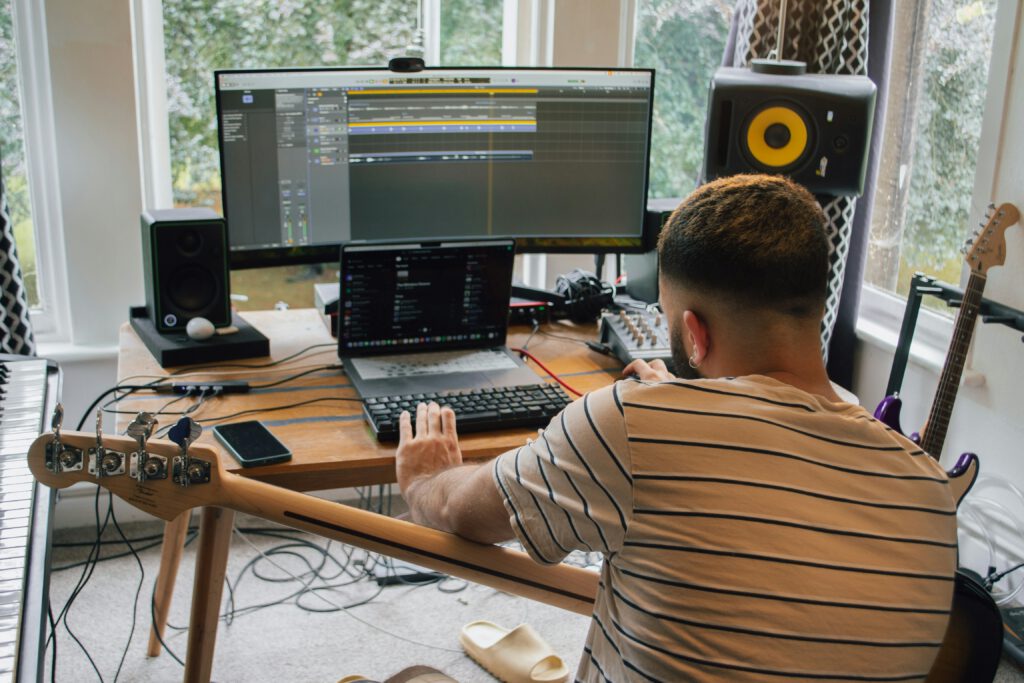
Paradoxically, letting go of expectations increases both quality and frequency of great results.
Detaching from desired results actually cranks up both quality and frequency of those bangers. Expecting specific outcomes creates resistance; surrendering expectations allows amazing results to emerge naturally. Clinging to visions tighter than a rock star to their image kills spontaneity.
This isn’t hippie philosophy—it’s studio zen. Whether crafting synth-wave anthems or noodling around, accept every outcome as valuable learning. Both good and bad loops are steps on the same creative path.
4. Play and Silliness in Creative Process

Ask “How can I make this fun?” instead of “What must I produce?”
Allowing yourself to play, have fun, and create “terrible tracks” is foundational to creative breakthrough. Removing mental constructs about what “should” be created unlocks genuine creativity. Those supposedly terrible tracks are often Trojan horses for actual bangers.
No producer ever nailed a mix by stressing over numbers. Let loose, allow spectacular failures, and embrace gloriously weird experiments. Play is the secret sauce not just to music, but to life in general.
3. Remember Your Why

Reconnect with your original reason for starting—usually pure joy and creative expression.
Reconnecting with why you started music production provides perspective during challenging moments. The ego-mind fixates on present struggles, but viewing production within broader purpose activates “the magic.” Your early drive becomes a reference track cutting through current noise.
It’s like remembering why you fell in love before the relationship turned into passive-aggressive remixes. Inspiration isn’t rare lightning—it’s about remembering why you invited the muse to the party originally.
2. Make It Fun First
Fun isn’t just a bonus ingredient—it’s the essential one.
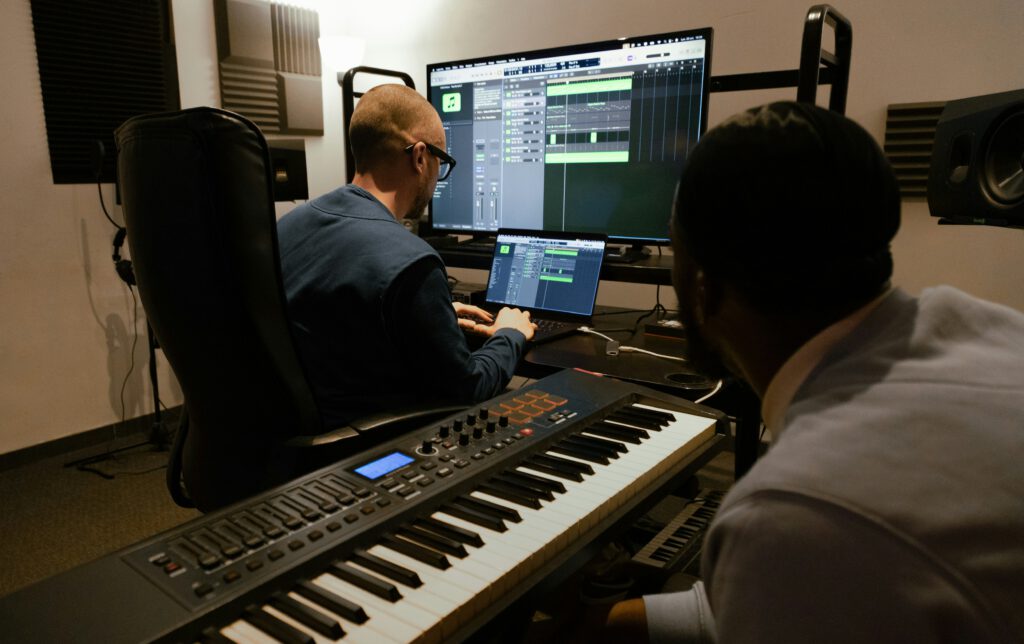
The most important variable in music production is making the process enjoyable. Given any time block, the primary question should be “How can I make this fun?” rather than “What must I produce?” Treat the studio like a playground—sample weird sounds, turn grocery lists into basslines.
Fun is more important than output targets and essential to both music and life. Without enjoyment, you’re killing the vibe and probably the track. Prioritizing fun leads to unexpected breakthroughs and wildly original portfolios.
1. Mindset Plus Systems Strategy Framework

Professional output results from combining mental game, structured workflows, and intentional decisions.
Pro-level tracks result from three elements: mindset (mental game), systems (structured workflows), and strategy (intentional decisions). The mental game serves as the foundation, with systems and strategy as supporting layers.
Take a producer who’s all feels, no method—chaotic sessions, right? But once they lock in a system like five loops weekly, plus reference-track strategy, tracks start dropping consistently. This three-part framework represents the comprehensive approach to sustained music production success.