


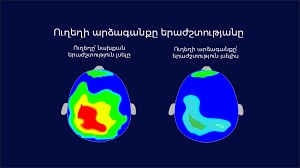
The human brain decides whether it loves a song within three seconds—long before vocals kick in, according to neuroscience research tracking auditory cortex activity. This lightning-fast judgment happens through pattern recognition and emotional processing that engages dopamine pathways instantly. For an industry where streaming platforms report that songs face immediate skip-or-keep decisions, this brain science explains why your playlist choices feel so instinctive.
The Neuroscience Behind Musical First Impressions
Your brain’s auditory cortex starts predicting and processing musical information in milliseconds, while the limbic system handles emotional responses before conscious awareness kicks in. Simple, repeating riffs—think the opening piano notes of “Don’t Stop Believin’”—deliver swift pleasure through dopaminergic pathways because they’re easy to decode. Meanwhile, unique sounds like atmospheric synths in “Blinding Lights” engage the emotional processing centers, creating that spine-tingling response before The Weeknd even starts singing. This isn’t preference; it’s biology working faster than thought through sophisticated pattern recognition.
Streaming Platforms Weaponize the Three-Second Rule
Spotify and Apple Music data reveal brutal truths: high skip rates within the first few seconds predict overall streaming failure. Producers have responded by front-loading their catchiest elements. Industry analysis shows how the traditional intro-verse-chorus structure has collapsed under streaming pressure, with producers increasingly starting songs with their most engaging material. Songs now compress their entire musical thesis into opening moments, using distinctive rhythms or samples as instant attention hooks. The days of slow-building album tracks are becoming extinct.
The “What Is That?!” Factor Captures Wandering Attention
Unconventional sounds—talk-box effects, reversed vocals, or unexpected instrumental textures—activate what neuroscientists call prediction error mechanisms. When your brain encounters something it can’t immediately categorize, it diverts additional resources to decode the sound. This attention-grabbing effect proves essential in crowded streaming catalogs where thousands of songs compete for ears. Artists who master this novelty factor often see higher playlist inclusion rates, as algorithms favor tracks that reduce skip rates during those crucial opening seconds.
The Creative Cost of Instant Gratification
While brain science explains why immediate hooks work, the pressure for instant engagement may reshape song structures in ways that concern music critics. The emphasis on front-loaded content could potentially reduce the variety of musical approaches that reward patient listening. Yet some artists use these constraints creatively, finding innovative ways to surprise listeners while delivering immediate satisfaction. As streaming platforms integrate biometric data and AI-driven intro analysis, the three-second rule will likely intensify, forcing musicians to balance artistic vision with the biological realities of human attention.