


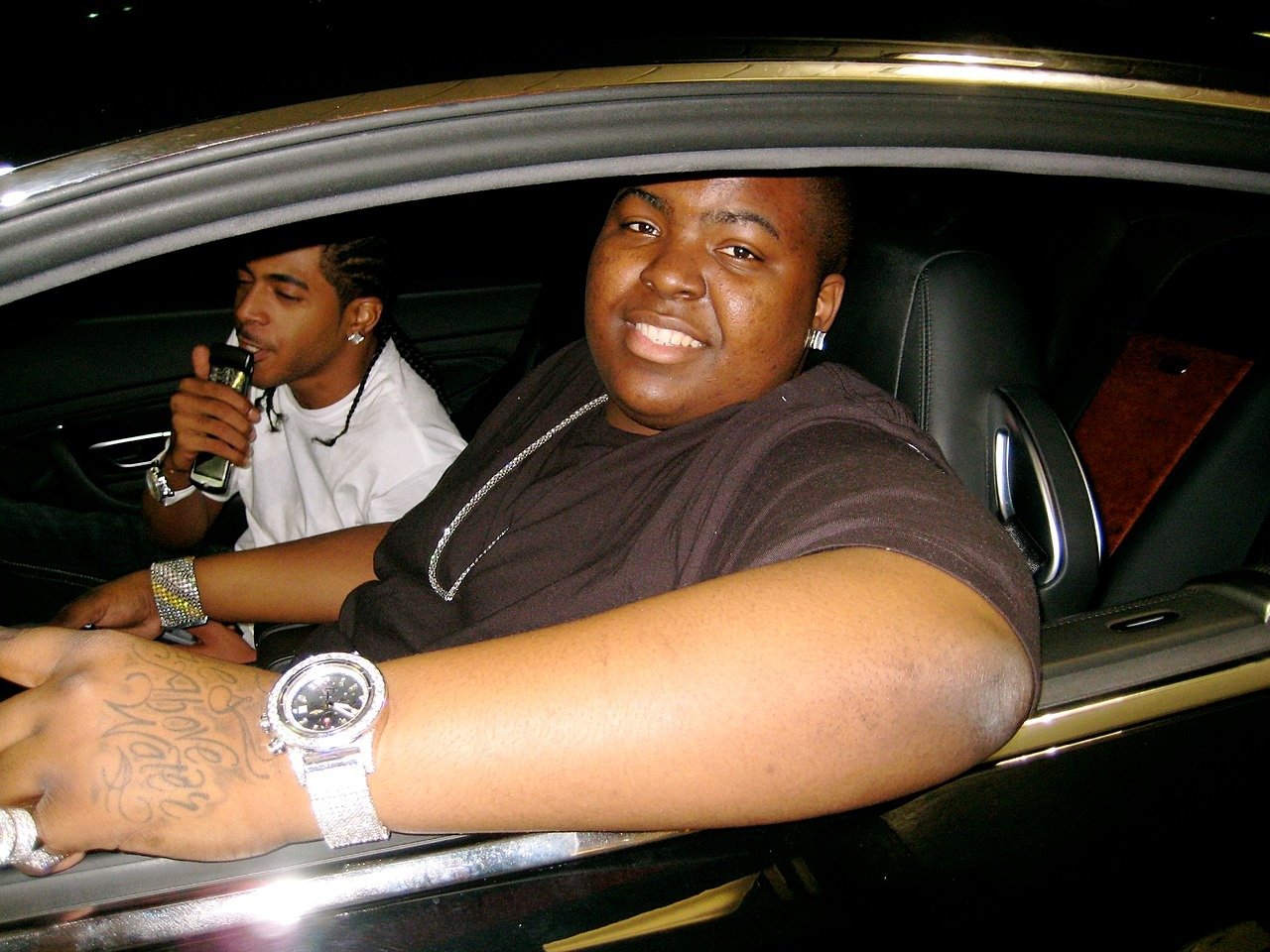
Sean Kingston’s journey from chart-topping teenager to federal inmate reached its conclusion this week. The rapper behind 2007’s infectious “Beautiful Girls” received a three-and-a-half-year prison sentence plus three years of supervised release for orchestrating a wire fraud scheme that netted over $1 million in luxury goods.
His mother, Janice Turner, got five years behind bars for her role in the operation. What started as leveraging celebrity status for business deals became a criminal enterprise that federal prosecutors systematically dismantled.
Celebrity Status as Criminal Tool
Kingston and his mother exploited his fame to convince vendors to deliver goods before payment.
Between April 2023 and March 2024, Kingston and Turner refined their con into an art form. They targeted luxury car dealers, jewelry stores, and high-end furniture vendors, using Kingston’s celebrity credentials to secure immediate delivery of expensive items.
The scheme relied on fake wire transfer receipts sent after goods arrived—digital forgeries that bought time while victims waited for payments that rarely materialized. Text messages revealed Kingston instructing his mother to “make a fake receipt,” providing prosecutors with smoking-gun evidence of premeditated fraud.
SWAT Raids and Swift Justice
Dramatic arrests at a Florida mansion and California Army base preceded a rapid conviction.
Turner’s arrest came via SWAT raid at Kingston’s rented Southwest Ranches mansion. Kingston himself was apprehended at Fort Irwin Army base during a performance. Federal prosecutors presented testimony from 17 victims documenting losses including:
- $500,000 in jewelry
- $160,000 from a luxury SUV dealer
- $200,000 from compromised Bank of America accounts
The jury needed just hours to convict both defendants on all charges, despite defense claims that “most of the restitution was paid back” before charges were filed.
Courtroom Apologies Can’t Erase the Damage
Kingston expressed remorse while his defense portrayed him as ill-equipped to handle sudden wealth.
During sentencing, Kingston apologized to the judge while his sister pleaded for leniency, calling him “a good man.” Defense attorneys painted him as someone who “had no idea how to run a business” and remained vulnerable to poor influences after achieving fame at 17.
Yet this wasn’t Kingston’s first legal rodeo—he was already serving probation for a 2022 trafficking conviction, while Turner carried a 2006 bank fraud conviction. Separate state fraud charges still loom for both, meaning their legal troubles are far from over.
The case exposes how celebrity culture can enable financial crimes, turning fame into a weapon against unsuspecting vendors. For an artist who once collaborated with Justin Bieber and dominated summer radio, federal prison represents the final chord in a career that peaked before it properly began.