



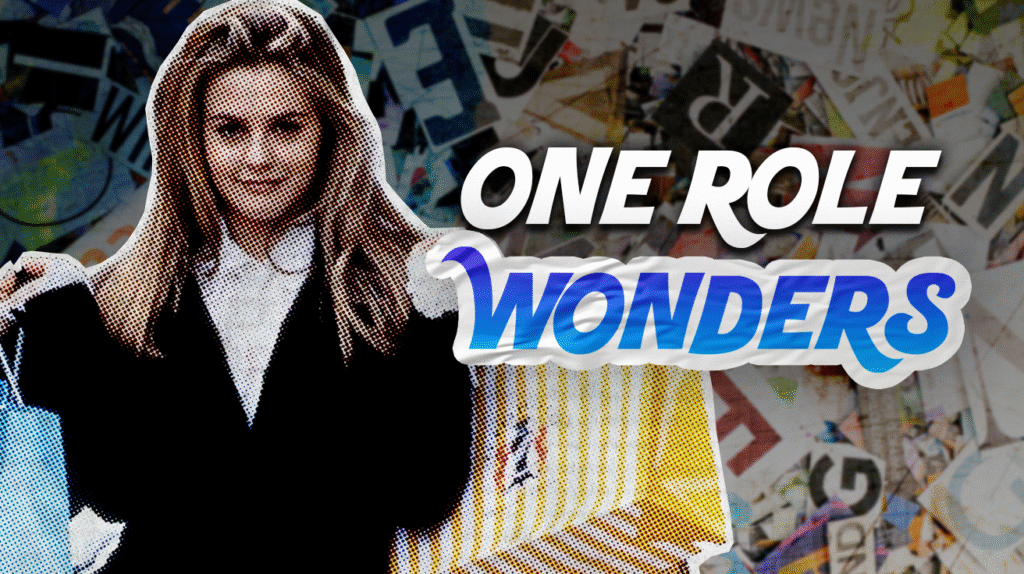
Hollywood dreams burn bright and fade fast, much like indie bands that vanish after one hit. The industry chews through talent with ruthless efficiency. These actors found themselves etched into cultural consciousness through a single, defining performance – their platinum single in human form. Their stories reveal success’s strange paradox: how the very thing launching you skyward becomes the gravity holding you down.
Some embraced their signature role proudly decades later. Others fought to shed their character’s skin, seeking reinvention with the hunger of musicians crafting experimental sophomore albums. What happens when your greatest triumph becomes your career’s glass ceiling? When does every audition become a referendum on escaping your own shadow?
14. George Lazenby (James Bond from On Her Majesty’s Secret Service)
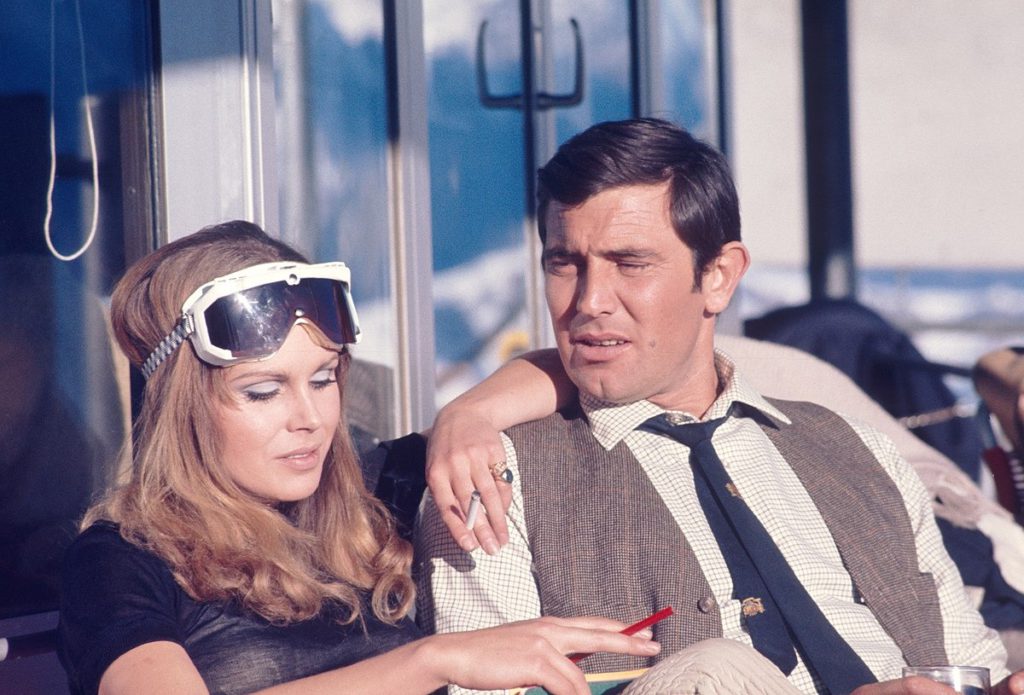
Lazenby’s tenure as James Bond represents entertainment’s strangest one-hit wonder – the replacement refusing to become the replacement. After landing cinema’s most coveted role without prior acting experience, Lazenby made the unprecedented decision to abandon the franchise after a single film that earned $82 million globally.
This career anti-strategy created a fascinating footnote in pop culture. While initially considered a failure, his performance underwent critical reassessment like albums initially dismissed but later recognized as visionary. Lazenby’s Bond displayed emotional vulnerability decades before Craig made it fashionable. His deliberate exit represents entertainment’s rarest move – walking away from the machine at peak potential rather than being discarded by it. Despite this, he still remains one of the richest actors on this list, even though he doesn’t quite come close to the richest actresses around.
13. Linda Blair (Regan MacNeil from The Exorcist)
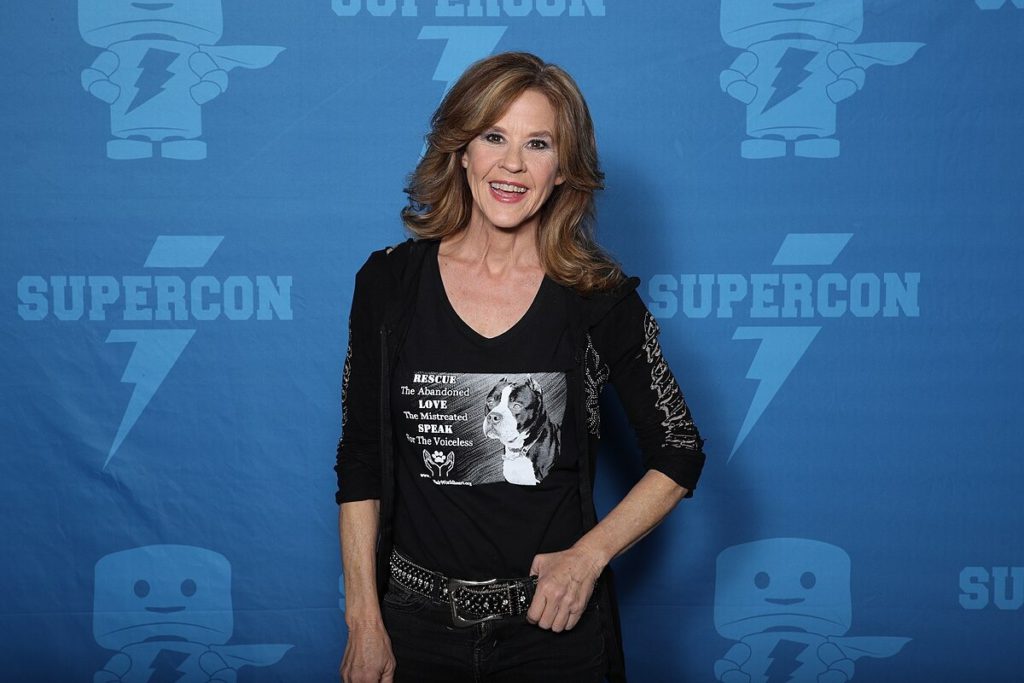
Blair’s performance struck cultural consciousness with seismic impact like punk shattering rock’s rules. Her possessed child became shorthand for horror itself – the head-spinning embodiment of parental nightmares and religious anxieties. The technical demands would challenge seasoned actors, yet Blair delivered this genre-defining performance as a young teen.
The curse of creating something revolutionary is the impossibility of following up. Blair faced typecasting and moral panic – cinema’s equivalent to artists branded dangerous by parental advisory stickers. Despite embracing her horror icon status, her experience highlights entertainment’s cruelest paradox: creating something unforgettable makes everything following seem forgettable by comparison.
12. Patrick Fugit (William Miller from Almost Famous)
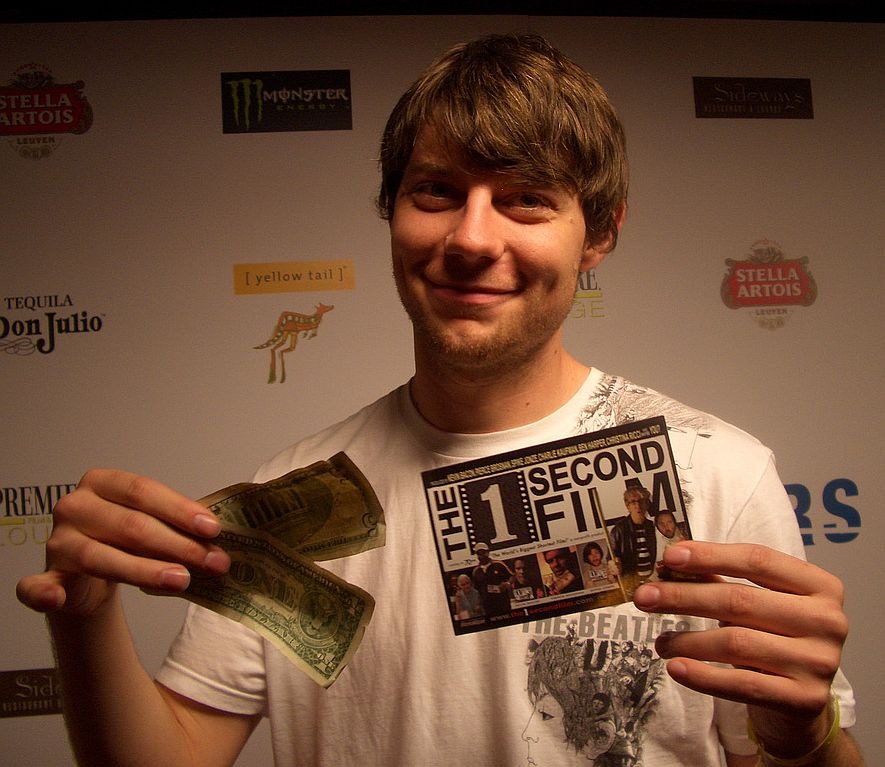
Patrick Fugit embodies perfect irony – achieving fame by portraying a character who documents fame. His wide-eyed music journalist navigating 70s rock mythology became the avatar for everyone who’s felt like an outsider granted access to a world they desperately want to understand. The role carries the emotional honesty of a perfect coming-of-age album – raw nerve endings and idealism crashing against reality.
While initially performing modestly, the film developed a dedicated following reserved for cult records passed between obsessives. Fugit continued working across genres without reaching the same prominence again. His career mirrors respected musicians who never recapture the zeitgeist but consistently produce quality work – more valued by industry insiders than casual observers.
11. Nikki Blonsky (Tracy Turnblad from Hairspray)
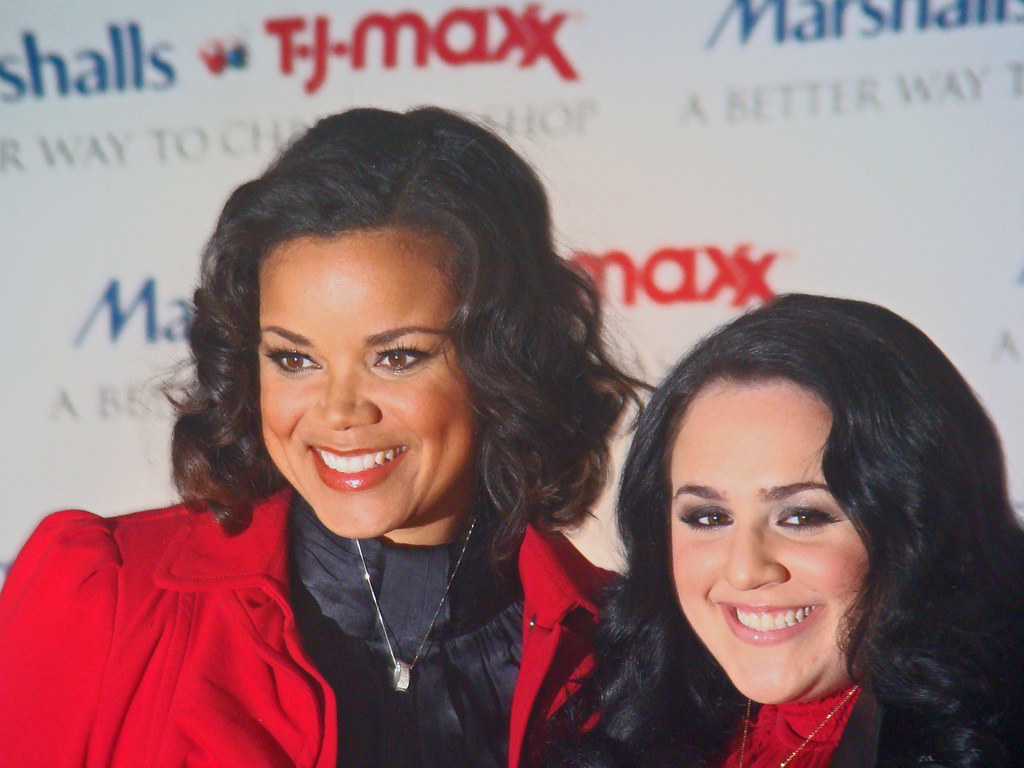
Blonsky’s journey from ice cream scooper to musical film star reads like an origin story worthy of Broadway. Her Tracy Turnblad radiated irresistible underdog energy like a local band making everyone a believer. She captured the period’s bubblegum optimism and undertones of social revolution while delivering show-stopping vocals.
Hollywood follows the same capricious rules as Top 40 radio. After her Critic’s Choice Award, Blonsky encountered the industry’s brutal second act, complete with scandals and diminishing opportunities. The script flipped when she pivoted to cosmetology – creating beauty off-screen. Her story sings like a power ballad about resilience.
10. Alex Winter (Bill from Bill & Ted’s Excellent Adventure)
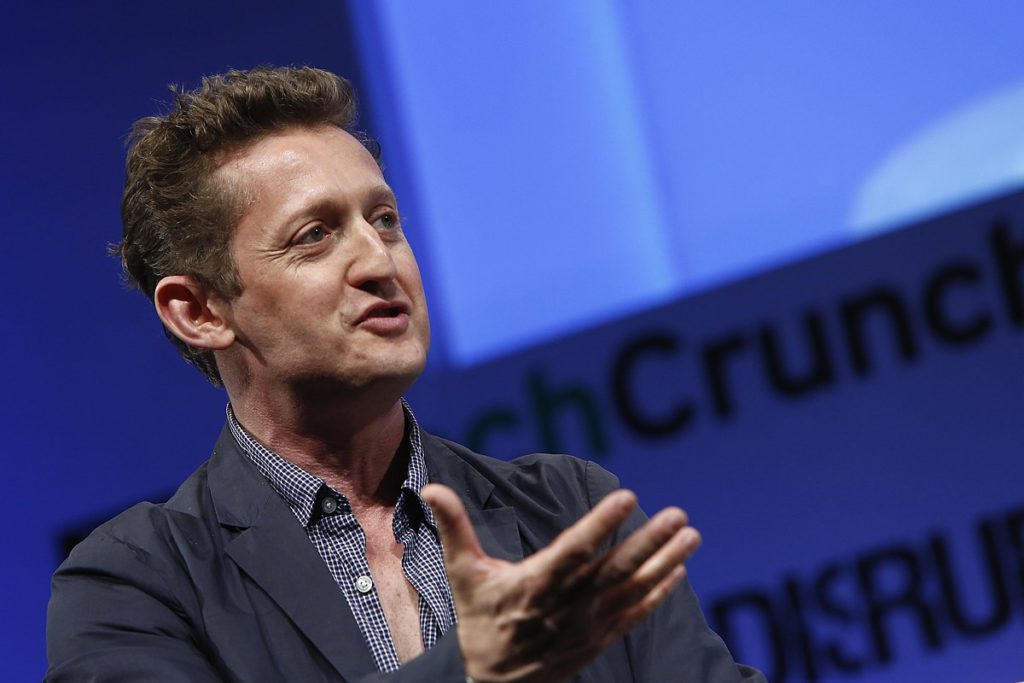
Winter’s Bill S. Preston created pop culture shorthand for optimistic slacker wisdom – characters stumbling through existence yet emerging enlightened. His performance captured the flavor of late-80s teenage existence – mall culture, air guitar, and earnest friendship – with the precision great albums use to document cultural landscapes.
The excellent plot twist in Winter’s story isn’t struggling to escape his character’s shadow but consciously evolving beyond performance. His transformation into an acclaimed documentary filmmaker mirrors musicians becoming celebrated producers, shifting from center stage to creative direction. Winter proved the ultimate industry hack – using early pop success as springboard for creative longevity rather than trying to replicate it.
9. Jeff Cohen (Chunk from The Goonies)

While child stars typically flame out faster than punk bands on major labels, Jeff Cohen flipped the script entirely. His performance as Chunk – all Truffle Shuffle enthusiasm and ride-or-die loyalty – became Gen X shorthand for authentic childhood friendship. Cohen created a cultural touchstone that launched countless Halloween costumes.
Instead of clinging to past glory, Cohen pulled entertainment’s ultimate plot twist. He traded screen tests for law books, transforming into an entertainment attorney with a deep understanding of the machine that made him famous. There’s something subversive about Chunk growing up to negotiate contracts for the very industry that might have forgotten him.
8. Jay Davidson (Dil from The Crying Game)
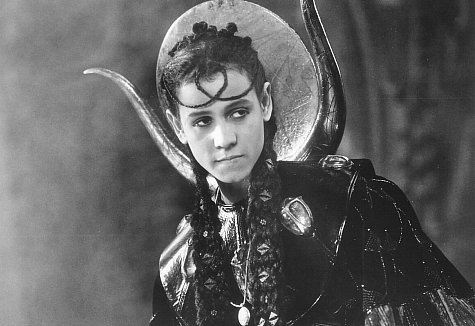
Davidson’s Dil arrived in cinema like an underground track forcing mainstream to reckon with ignored realities. The performance challenged conventional narratives about gender and sexuality when trans representation barely existed in popular culture. Davidson brought complexity and unapologetic presence to a character that could have been reduced to mere shock value.
The entertainment industry, stuck in binary thinking, couldn’t conceptualize what should follow such a boundary-pushing breakthrough. Davidson’s pivot to modeling and styling represents self-preservation when systems aren’t built for continued presence. The performance remains a landmark – the creative equivalent of a track permanently altering the landscape while its creator moves through different cultural spaces.
7. Quinton Aaron (Michael Oher from The Blind Side)
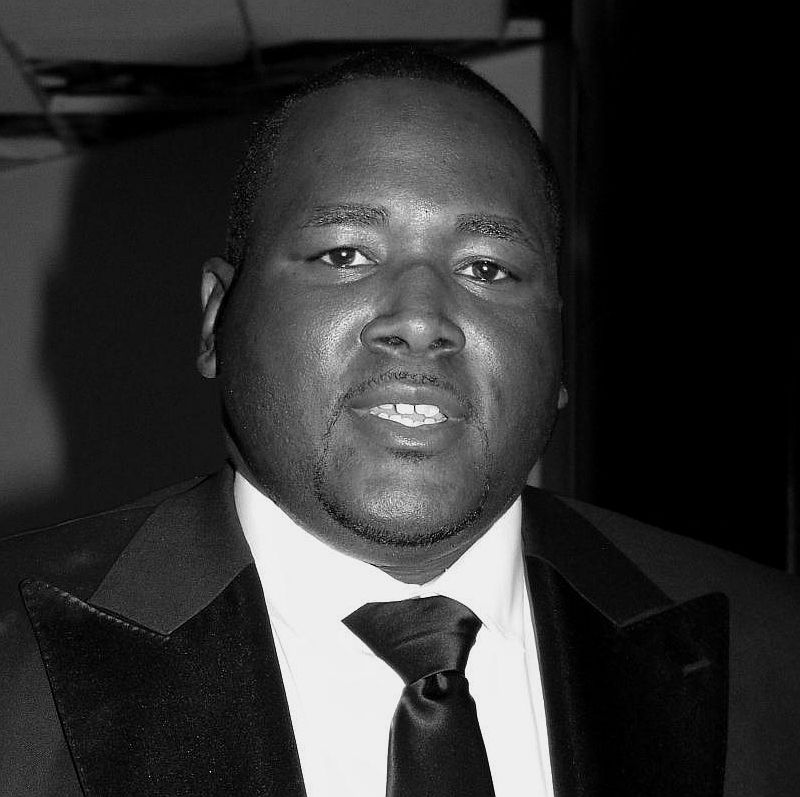
Aaron stepped into the spotlight with the intensity of an unknown artist suddenly dominating playlists. His portrayal carried quiet dignity for a character whose life was being remixed for mainstream consumption. The film blew up box office records at $300 million, making Aaron instantly recognizable worldwide.
Yet the performance exists in biographical interpretation’s complicated territory – where facts, representation politics, and commercial demands clash like conflicting samples. As Oher questioned the film’s accuracy, Aaron navigated being forever associated with an increasingly contested portrayal. His career shows the dissonance when your breakthrough becomes subject to cultural reassessment.
6. Rowdy Roddy Piper (Nada from They Live)
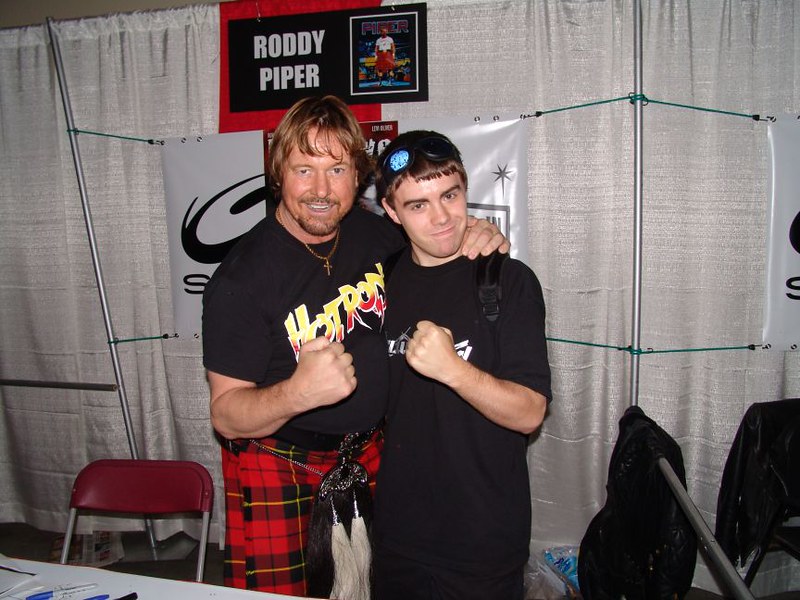
Piper executed the wrestler-to-actor crossover with more subversive credibility than anyone before or since. His Nada delivered social commentary in a leather jacket, creating the perfect vessel for critiquing Reagan-era consumerism and class warfare. The performance carried the same anti-authoritarian energy as his wrestling persona, channeled into science fiction rebellion.
Piper leveraged his outsider status into creative advantage like musicians navigating multiple subcultures. He understood performance as physical storytelling long before Hollywood called. His later career in direct-to-video action films never reached the same resonance, but “They Live” continues influencing everything from street art to social critique – a cult classic growing more relevant yearly.
5. Alicia Silverstone (Cher Horowitz from Clueless)
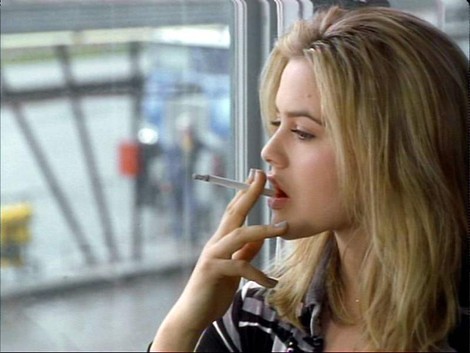
Alicia Silverstone‘s Cher Horowitz reigns as the ultimate 90s pop-cultural creation – the Valley Girl Machiavelli whose privileged worldview becomes strangely endearing. Her performance captured millennial pink energy years before the color had a name, creating quotable dialogue and fashion moments still recycling through social media like samples in contemporary tracks.
The industry’s punishment for creating an icon proved swift. Her Batgirl casting backfired like difficult second albums rushed to capitalize on initial success. The brilliant specificity making Cher unforgettable became a creative trap, with everyone unable to see beyond the yellow plaid suit. Her continued work in independent films reveals the struggle to evolve beyond a cultural moment refusing to release its grip.
4. Tyron Turner (Kaydee from Menace II Society)
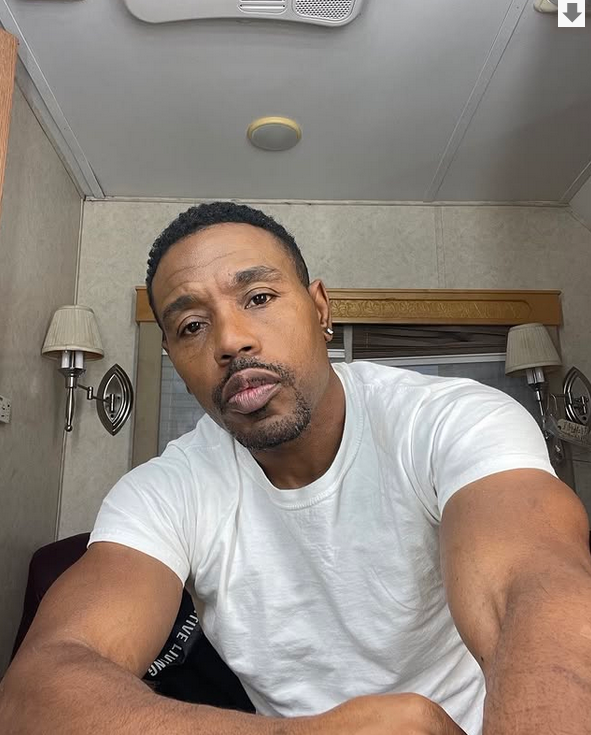
Turner’s Kaydee hit audiences with the raw force of a breakthrough album documenting life on society’s margins. His portrayal carried the emotional weight of early 90s street documentaries – urgent and unflinching. South Central wasn’t just a setting; Turner moved through it with authenticity no acting school could teach.
The cruel math of Hollywood means roles requiring such specific cultural insight appear rarely. Turner continued in smaller productions that never matched his breakout’s resonance. Yet his Kaydee remains as influential to film portrayals of urban life as N.W.A. was to music – an original that launched countless imitators.
3. Nia Vardalos (Toula Portokalos from My Big Fat Greek Wedding)
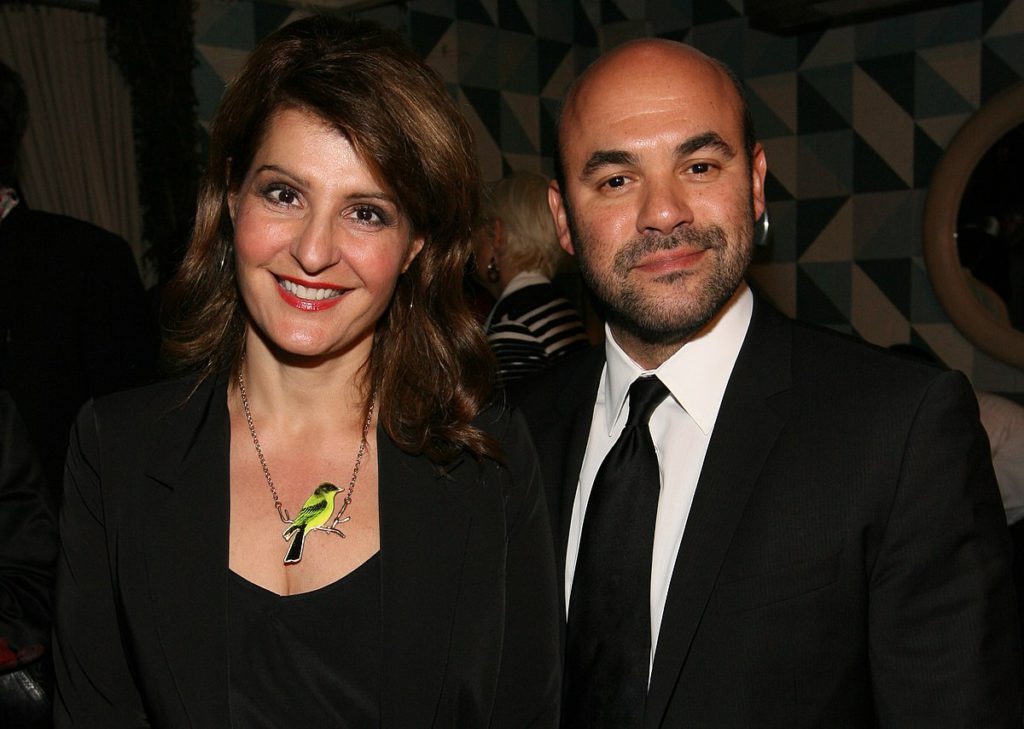
Vardalos engineered the indie film equivalent of a self-released track dominating charts. Her semi-autobiographical comedy broke box office formulas, proving authentic cultural stories could generate blockbuster numbers without conforming to Hollywood traditions. Her script captured family dynamics with the precision of a perfectly calibrated chorus audiences couldn’t help but sing along with.
Unlike many one-role wonders, Vardalos maintained creative control, transforming her hit into a franchise with multiple sequels. She built an empire from cultural specificity rather than chasing trends, like artists who stay true to their roots. Her business savvy matched creative instincts, creating that rare entertainment commodity – longevity on her own terms.
2. Peter Billingsley (Ralphie from A Christmas Story)

Some performances become ritualistic like that perfect holiday album played every December. Billingsley’s Ralphie – with his glasses, flagpole mishaps, and Red Ryder obsession – transformed into annual appointment viewing, broadcast in 24-hour marathons like Christmas songs on endless repeat.
Billingsley pulled off entertainment’s hardest chord progression: successfully transitioning from child star to behind-the-scenes power player. He slid behind the camera with the confidence of a session musician becoming producer, crafting hits for others while occasionally revisiting his greatest hit decades later. His evolution proves a first chart-topper can become a foundation rather than creative dead end.
1. Peter Ostrum (Charlie Bucket from Willy Wonka and the Chocolate Factory)

Some one-hit wonders walk away deliberately, making Ostrum entertainment’s equivalent of a musician recording one perfect album then vanishing. His Charlie Bucket – wide-eyed but grounded – became the moral center of a film cycling through generations like vinyl passed through families.
Ostrum made the industry’s most radical exit – not a comeback tour, but a complete reinvention as a veterinarian in rural America. There’s beautiful symmetry between the earnest kid who won the chocolate factory and the man healing animals far from Hollywood. His single-film career showcases the rarest narrative: the star deciding fame wasn’t the golden ticket after all. If you enjoyed reading about these actors, you might also like to know about these actors who made movie history because of their exciting fight scenes.