



Behind every major calamity lies a revealing story about human nature. Our collective tendency toward panic has shaped civilizations, toppled governments, and occasionally driven genuine progress.
From ancient plagues to digital meltdowns, these historic moments of mass hysteria expose how institutions operate under pressure—and which populations ultimately shoulder the burden when systems fail.
10. The Black Death: OG Catastrophe
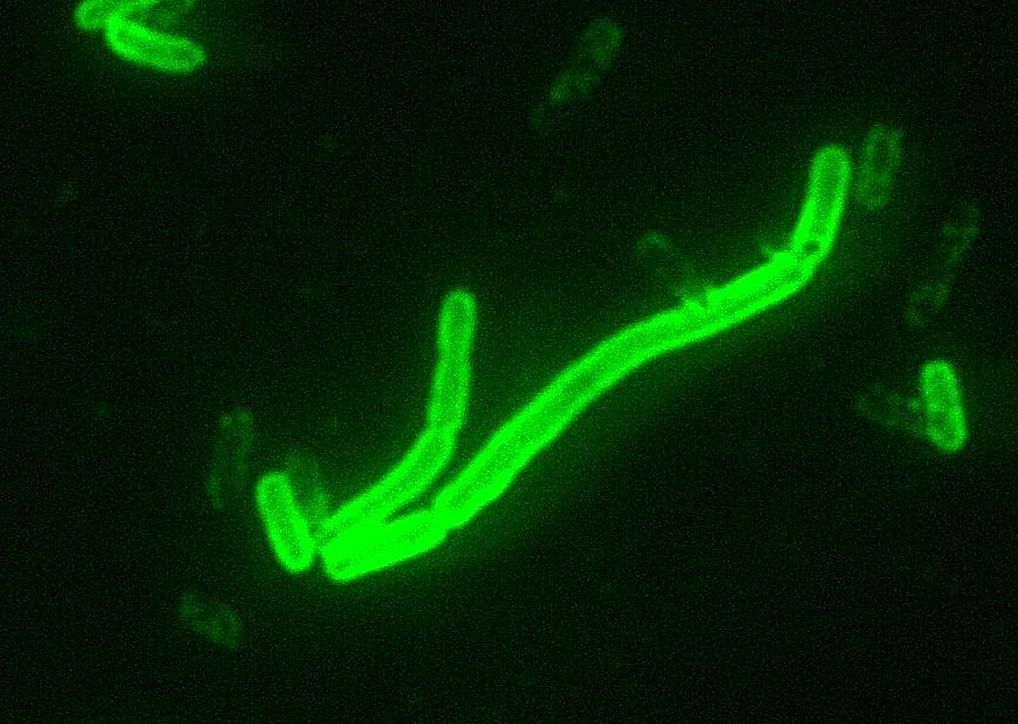
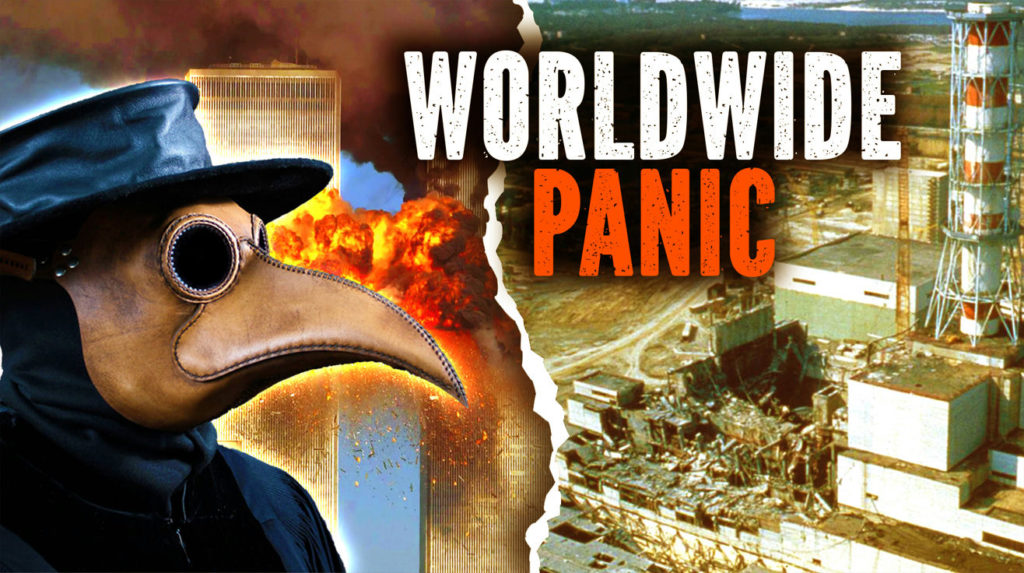
Medieval Europe’s encounter with bubonic plague permanently altered the continent’s trajectory. The disease eliminated between 30-50% of Europeans, leaving approximately 50 million dead and creating power vacancies throughout rigid social hierarchies. While history textbooks blame rat populations, the true culprits included overcrowded cities with nonexistent sanitation and authorities who prioritized blame over solutions.
This devastating death toll inadvertently sparked Europe’s first worker revolution. With half the labor force vanished, surviving peasants suddenly gained unprecedented leverage against the feudal system. Wages increased dramatically. Working conditions improved. The economic aftershocks fractured calcified social structures that had endured for centuries. Much like when Bruce Banner gets angry in Marvel movies, sometimes destroying the existing order creates space for something entirely new to emerge.
9. Yellow Fever: America’s Public Health Awakening

Before germ theory existed, yellow fever cut through American cities like an invisible predator. Philadelphia lost 5,000 residents in 1793, approximately 10% of its population. Shreveport’s 1873 outbreak proved even deadlier, killing one-quarter of its 4,800 inhabitants. These epidemics laid bare America’s harsh social stratification—wealthy citizens fled while the poor remained trapped in infection zones without resources or recourse.
The relentless cycle of outbreaks eventually forced reluctant city governments to confront their neglected infrastructure. Public health departments formed from necessity. Engineers developed sewage systems to replace open gutters. Urban planners created parks as clean air sanctuaries. Hard lessons inscribed in cemetery marble ultimately saved more lives than any medical intervention of the era, proving that sometimes the most effective cures emerge from preventative measures rather than treatments.
8. Radio Made Us Believe in Aliens
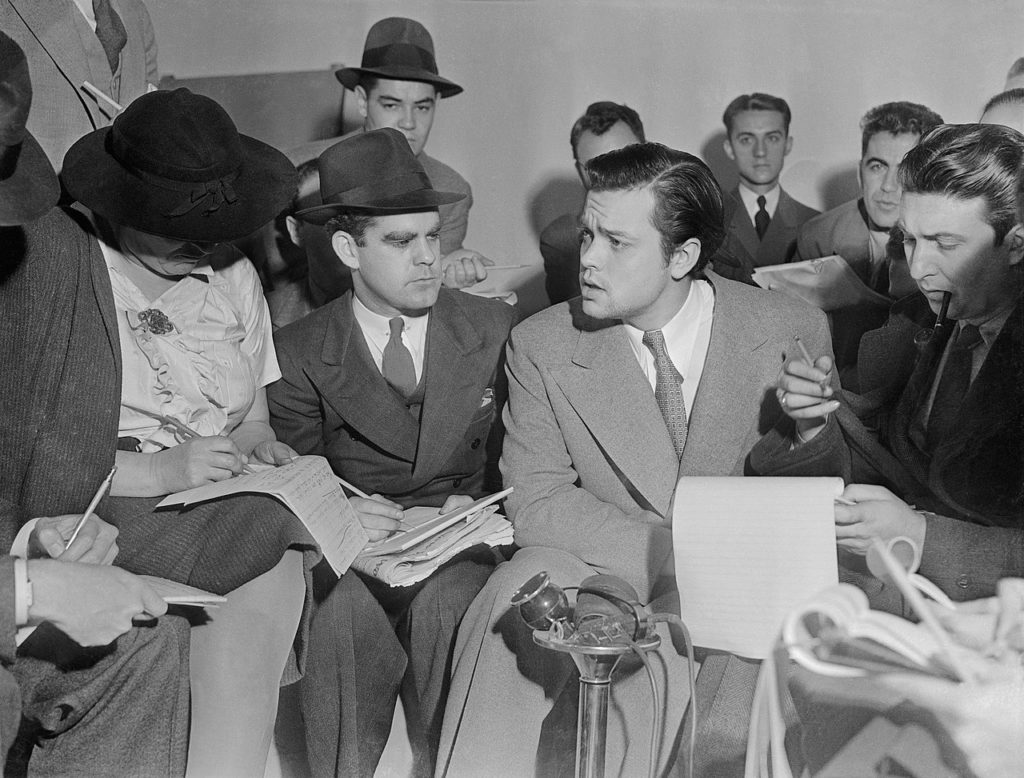
Mass communication demonstrated its disruptive potential on Halloween 1938. Orson Welles’ War of the Worlds broadcast convinced certain listeners that Martian invaders had touched down in New Jersey. The performance, structured as breaking news bulletins, triggered localized panic among those who missed the program’s introduction and disclaimer.
Print media outlets seized this opportunity to discredit their emerging radio competition, significantly exaggerating reports of widespread hysteria. The incident showcased both the power of new technology to bypass critical thinking and established media’s willingness to manipulate public perception. This pattern continues with each communication innovation—similar to how parents once feared comic books, then television, now TikTok. The platforms evolve while moral panic tactics remain stubbornly consistent across generations.
7. Cuban Missile Crisis: Thirteen Days of Yikes
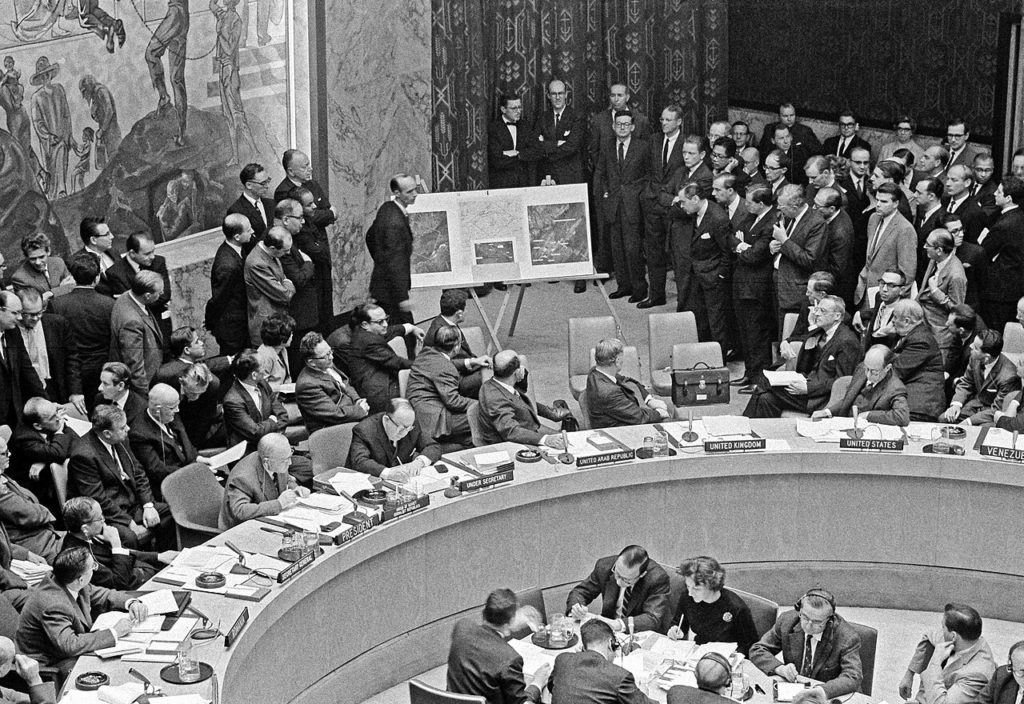
The world’s closest brush with nuclear annihilation unfolded over thirteen tense days in October 1962. Soviet nuclear missiles positioned 90 miles from Florida created the Cold War’s most dangerous standoff. While Americans stockpiled supplies and officials drafted emergency protocols, the real action happened behind closed doors where miscalculation could have ended civilization.
Public awareness of the genuine danger remained remarkably limited throughout the emergency. Without 24-hour news networks or social media amplification, most citizens continued their daily routines completely unaware of how close they came to oblivion. The standoff eventually produced the Washington-Moscow hotline in 1963 and critical nuclear de-escalation frameworks that persist today. For a look at how crisis changes common practices, explore these things people did in the 70s that are banned now.
6. Chernobyl: When Governments Ghost Their People
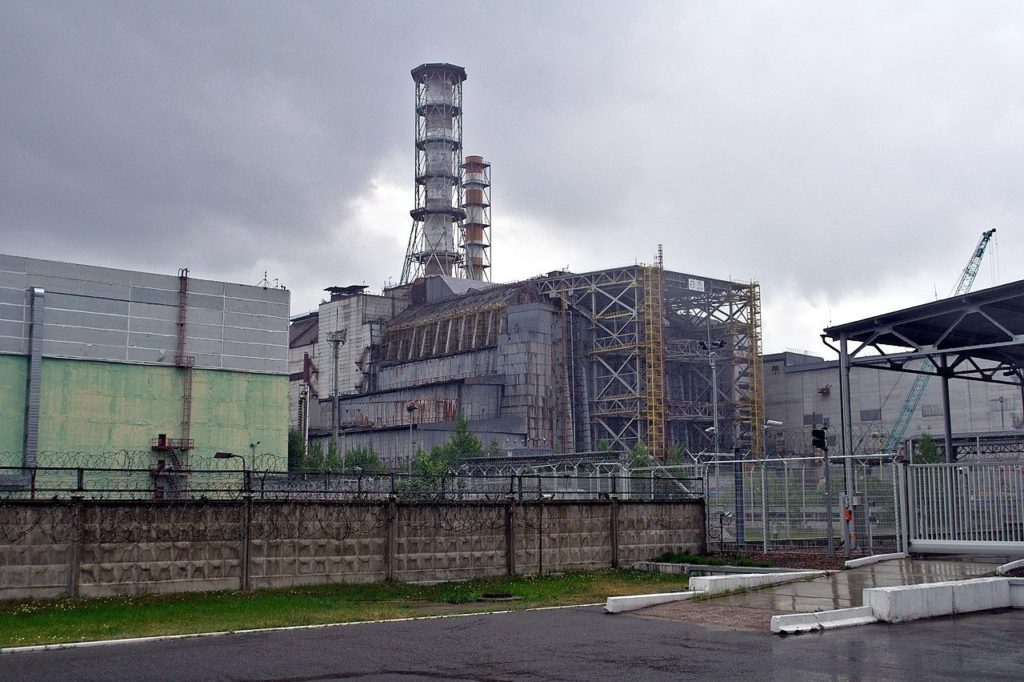
Reactor Four’s explosion in April 1986 uncovered institutional rot beneath Soviet nuclear management. Officials delayed evacuation of Pripyat for 36 critical hours after radiation levels spiked to lethal levels. They instructed residents to pack for three days at most. Most never returned home, their possessions creating a time capsule of interrupted lives still visible in the exclusion zone today.
This nuclear disaster fundamentally rewrote emergency management playbooks worldwide. Modern protocols emphasize immediate disclosure because Chernobyl demonstrated how official secrecy multiplies casualties. The meltdown reshaped global attitudes toward nuclear energy and established stricter international safety standards. While bureaucrats debated which version of reality to present, frontline workers sacrificed their lives containing the fallout—showcasing the stark disconnect between those who manage disasters and those who directly confront them.
5. AIDS: When Fear Becomes Its Own Epidemic
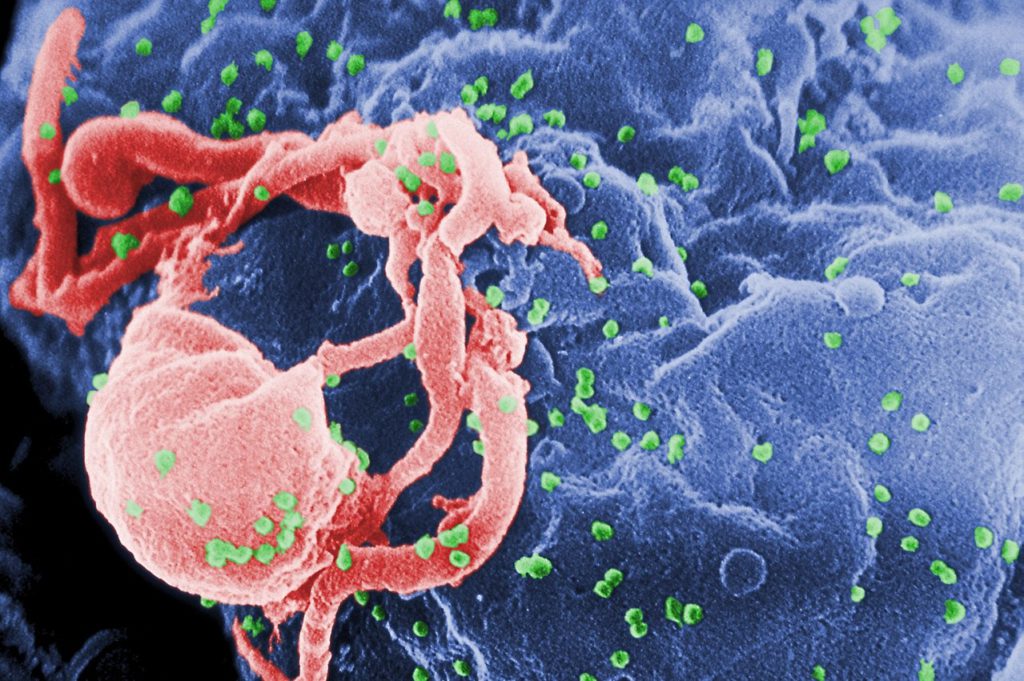
The emergence of AIDS in the early 1980s combined scientific uncertainty with moral judgment in unprecedented ways. As mysterious deaths mounted in specific communities, society weaponized stigma instead of mobilizing resources. Research funding stagnated. Medical institutions hesitated. Infection rates accelerated while public health officials looked away from groups deemed expendable.
Victims confronted discrimination that extended far beyond their diagnoses. They lost housing, employment, and family connections precisely when support became most crucial. Affected communities built parallel support networks when mainstream institutions failed them.
The eventual development of protease inhibitors and HAART therapy in 1995-96 transformed HIV from a death sentence to a manageable condition. This medical breakthrough arrived too late for millions, standing as a stark indictment of how quickly health systems abandon populations lacking political power or public sympathy.
4. Y2K: The Apocalypse That Wasn’t

As the millennium approached, digital infrastructure faced potential collapse from an understandable programming shortcut. Companies invested $300 billion worldwide to address systems that represented years with two digits instead of four. Experts predicted scenarios ranging from minor inconveniences to catastrophic failures of banking, transportation, and utility networks.
January 1, 2000, arrived with surprisingly few disruptions, leading many to dismiss the threat as manufactured hysteria. This conclusion misses the fundamental lesson of Y2K: nothing happened precisely because thousands of programmers worked frantically behind the scenes to prevent disaster.
The situation resembles movie scenes where bombs get defused with one second remaining—catastrophe averted through preparation rather than luck.
3. September 11th: The Day Everything Changed
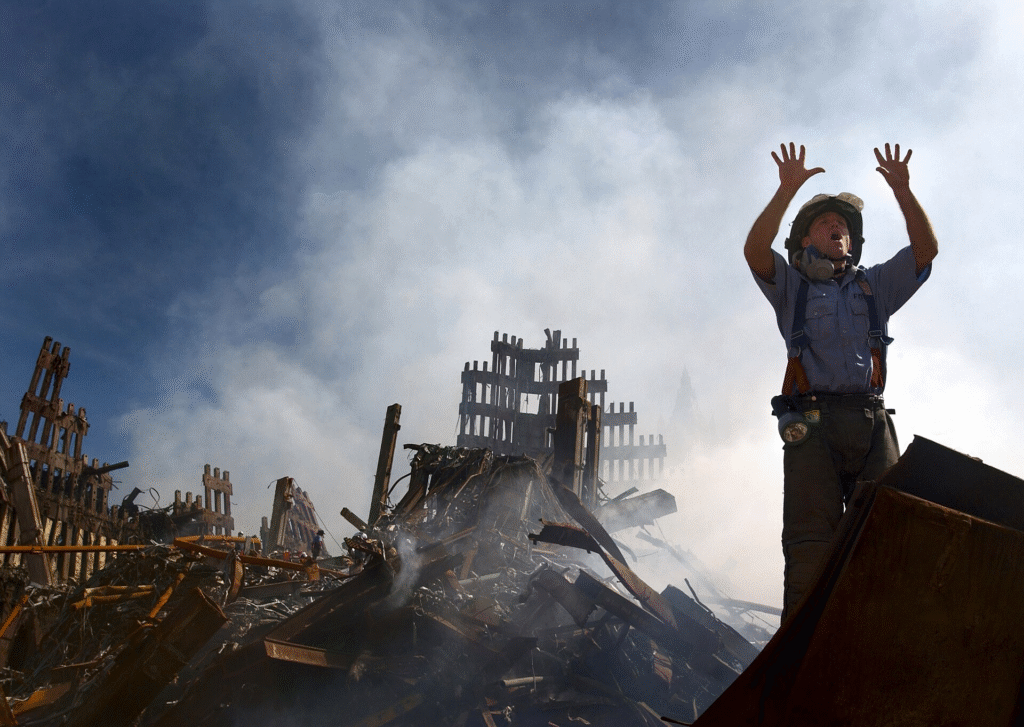
The 2001 terrorist attacks fundamentally rewired American security psychology in a single morning. As millions watched hijacked aircraft strike iconic landmarks in real-time, the nation experienced collective trauma without modern precedent. The attacks killed 2,977 innocent victims and wounded thousands more, but the psychological damage extended to everyone with a television screen.
American society rapidly reorganized around previously unimaginable security measures and surveillance systems. A population that once felt geographically isolated from global conflicts now removes shoes at airports and accepts privacy intrusions that would have seemed dystopian just days earlier.
These weren’t mere policy adjustments but a comprehensive psychological recalibration. Just as Neo perceives the Matrix differently after taking the red pill, Americans developed entirely new risk assessment frameworks that continue shaping national identity decades later.
2. Indian Ocean’s Wave of Change
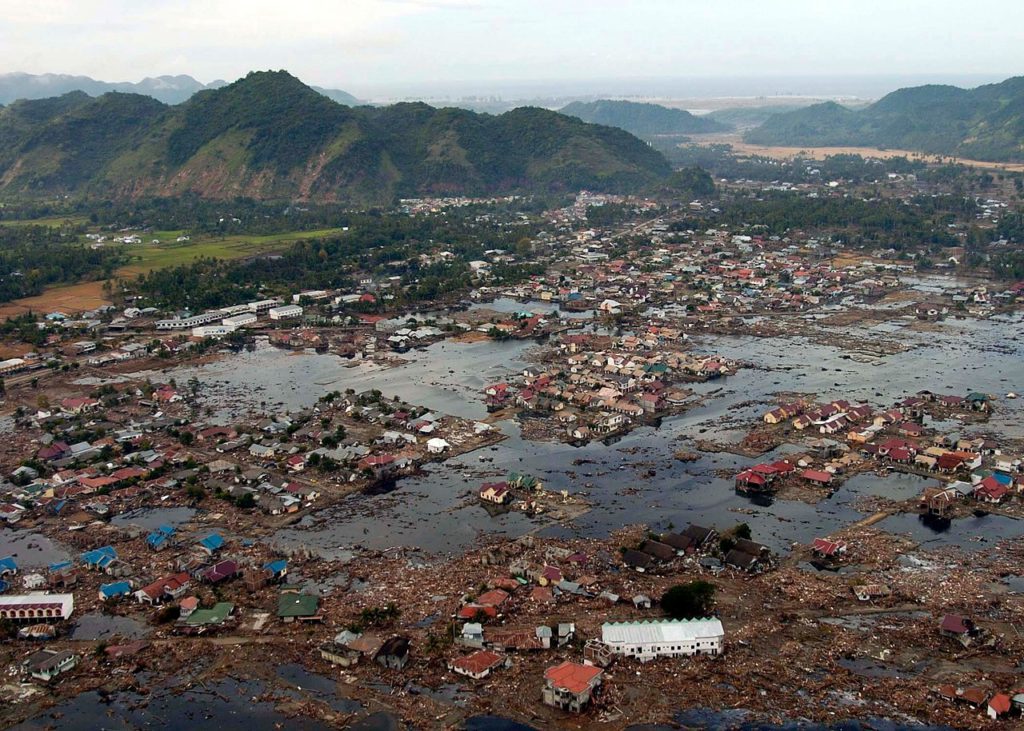
Nature’s raw destructive potential manifested on December 26, 2004, when unprecedented tsunami waves swept across the Indian Ocean. The cataclysm killed 227,898 people across 14 countries, obliterating coastal communities with walls of water traveling at airplane speeds. The timing during peak tourist season created a tragedy that transcended geography, affecting visitors from dozens of nations alongside local populations.
This catastrophe exposed fatal gaps in regional warning systems that might have provided crucial evacuation time. The international response generated over $14 billion in aid and established the comprehensive Indian Ocean Tsunami Warning System where none had existed before. Like many preventative measures, these systems arrived too late for hundreds of thousands of victims.
The pattern mirrors how coastal communities continue rebuilding in hurricane zones despite climate scientists’ increasingly urgent warnings—institutional adaptation requires casualties before implementation.
1. COVID-19: The Pandemic That Broke the Internet

The coronavirus pandemic created unprecedented social contradictions: mandatory physical separation alongside constant digital connection. As global lockdowns multiplied throughout 2020, humanity experienced both extreme isolation and overwhelming information exposure. Essential workers risked daily exposure while remote employees debated mitigation strategies from home offices.
The global emergency illuminated structural vulnerabilities across healthcare, supply chains, and information ecosystems. Medical researchers developed vaccines at record speed while misinformation proliferated faster than the virus itself. The World Health Organization formally labeled this parallel phenomenon an “infodemic” on February 2, 2020, acknowledging how information overload undermines public health responses.
The pandemic accelerated social transformations that normally unfold over decades, compressing them into months where perception of time itself warped beyond recognition. To explore how collective experiences and societal shifts are remembered across generations, see these forgotten things only 70s kids will remember.