



Nashville’s gatekeepers just got called out harder than a Taylor Swift diss. The Recording Academy‘s decision to split country music into traditional and contemporary categories for 2026 feels like watching your indie playlist finally get separated from Top 40—suddenly everyone’s paying attention to what real fans knew all along. After years of fiddle-driven masterpieces competing against Auto-Tuned stadium anthems, traditional country artists finally have their own Grammy lane.
This split addresses a fundamental problem in country music recognition. Artists like Sierra Ferrell and Charley Crockett, who’ve been crafting fiddle-driven masterpieces, were competing against heavily produced pop-country albums that share little beyond the “country” label.
The timing connects directly to recent Grammy history. Beyoncé’s Cowboy Carter won the 2025 Best Country Album category, sparking heated debates about genre boundaries. Social media users expressed frustration, with one X user writing: “That ‘Cowboy Carter’ win really pissed folks off huh? Way to move the goalpost.”
Critics suggest this traditional category emerged as a response to that cultural moment. The community of people who are in that space have been asking for this for a while.
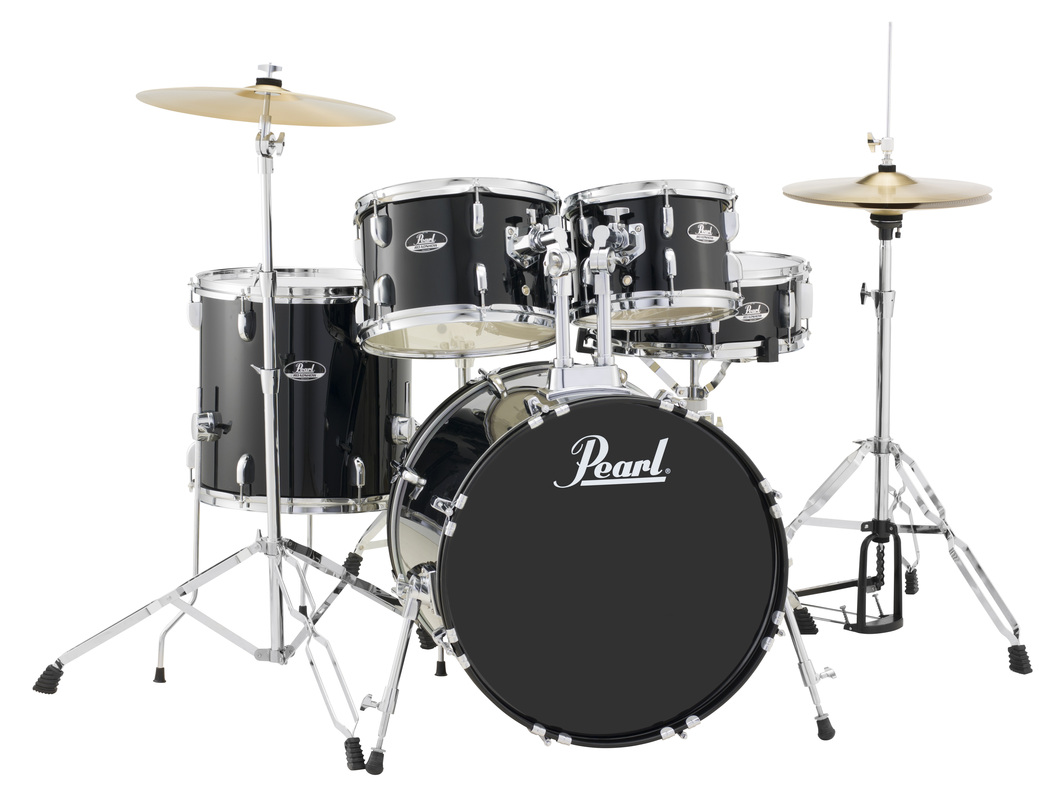
What defines “traditional” country? The Academy specifies classic instrumentation: acoustic guitar, steel guitar, fiddle, banjo, mandolin, and live drums. This means stripped-down storytelling over synthesized beats, pedal steel over programmed strings, and authentic vocal delivery over heavily processed vocals.
Artists who’ve been relegated to Americana categories—like Colter Wall—suddenly find themselves with Grammy potential in their natural habitat. There’s a difference between making country music and making music for country radio. Now maybe we can celebrate both without pretending they’re the same thing. This shift acknowledges that traditional country isn’t nostalgic throwback but living art form.
The category encompasses Western, Western Swing, and Outlaw country sub-genres. Artists previously nominated in Americana and American roots categories now have a clearer path to country music’s highest honor.
The 2026 ceremony on February 1st will reveal whether this category truly celebrates roots music or becomes another platform for established Nashville players. Traditional country artists now have mainstream validation for keeping the genre’s soul alive.