



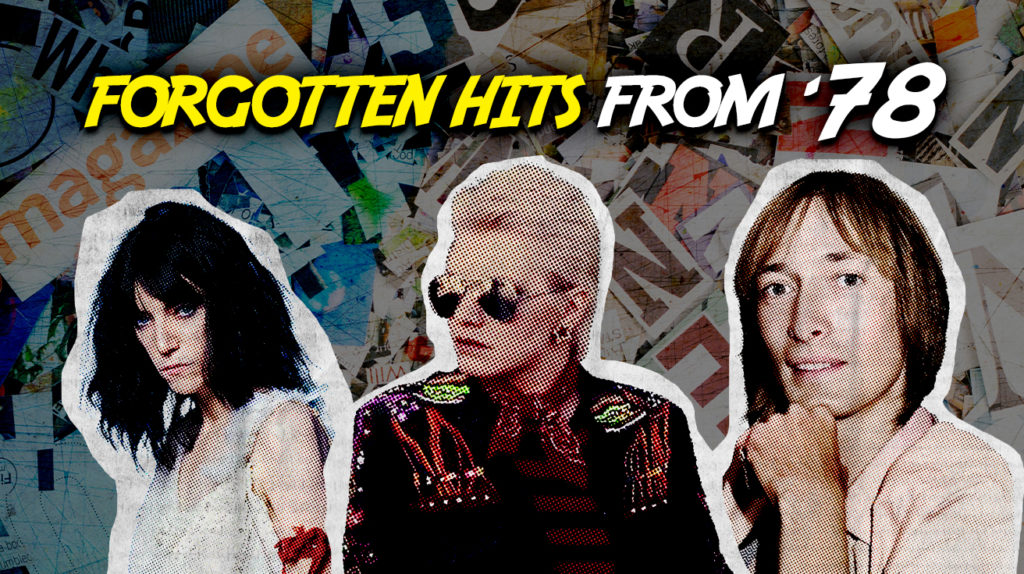
1978 changed music history forever. Punk’s raw energy crashed into disco’s dance beats while new wave emerged from the sidelines. This wild mix created an explosion of musical styles, from arena rock anthems to heartfelt soft rock ballads.
Ready to discover fifteen forgotten one-hit wonders from 1978? Each song has its own fascinating story. These musical gems are like buried treasure waiting to be unearthed again.
15. I Love The Nightlife – Alicia Bridges
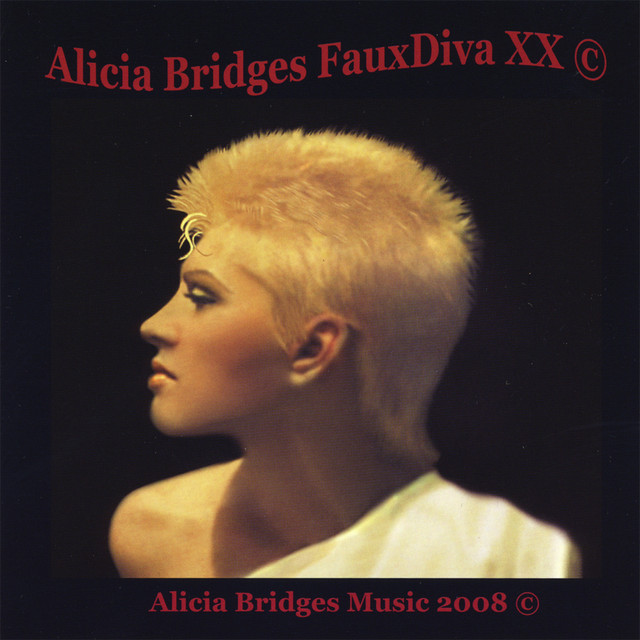
Alicia Bridges never planned to make a disco hit. Her song “I Love The Nightlife” started as an R&B track before transforming in the studio. It shot to number five on the Billboard Hot 100, perfectly capturing late ’70s nightclub culture when platform shoes weren’t considered ironic fashion statements.
Bridges’ soulful vocals gave the disco landscape something different. The song celebrates nightlife freedom in a way that feels like slipping into a parallel universe where Monday mornings don’t exist. It’s the musical equivalent of that perfect night out where everything goes right—the drinks, the dancing, the company—and you remember it decades later.
14. Get Off – Foxy
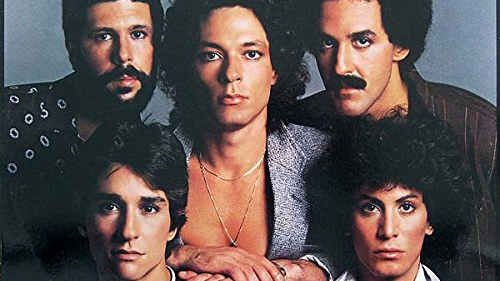
Miami-based Foxy brought serious Latin heat to disco with their 1978 hit “Get Off.” Their Cuban-influenced rhythms topped Billboard’s Soul chart for two weeks while hitting number nine on the Hot 100. They proved disco had room for geographic and cultural flavors beyond the usual New York scene.
Despite lyrics too spicy for some radio stations, clubs couldn’t get enough. Foxy’s music spread across America like wildfire in a particularly funky forest. While the band never matched this success again, “Get Off” remains the perfect soundtrack for when you need to transform your kitchen into Studio 54 while cooking dinner.
13. Thank God It’s Friday – Love and Kisses
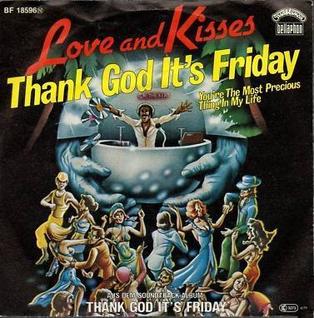
The movie might be forgettable, but the theme song lives on. Love and Kisses’ “Thank God It’s Friday” topped disco charts while reaching number 22 on the Hot 100. European composer Alec R. Costandinos created this studio project specifically for the soundtrack, never intending it to exist beyond the film.
The song bottles weekend excitement in musical form. With orchestral flourishes and pulsing beats, it captures that magical Friday feeling when two days of freedom stretch ahead. It’s frozen in amber now—a perfect time capsule of the era when disco ruled everything and weekend warriors planned their entire lives around Saturday night dance floors.
12. I Can’t Stand the Rain – Eruption
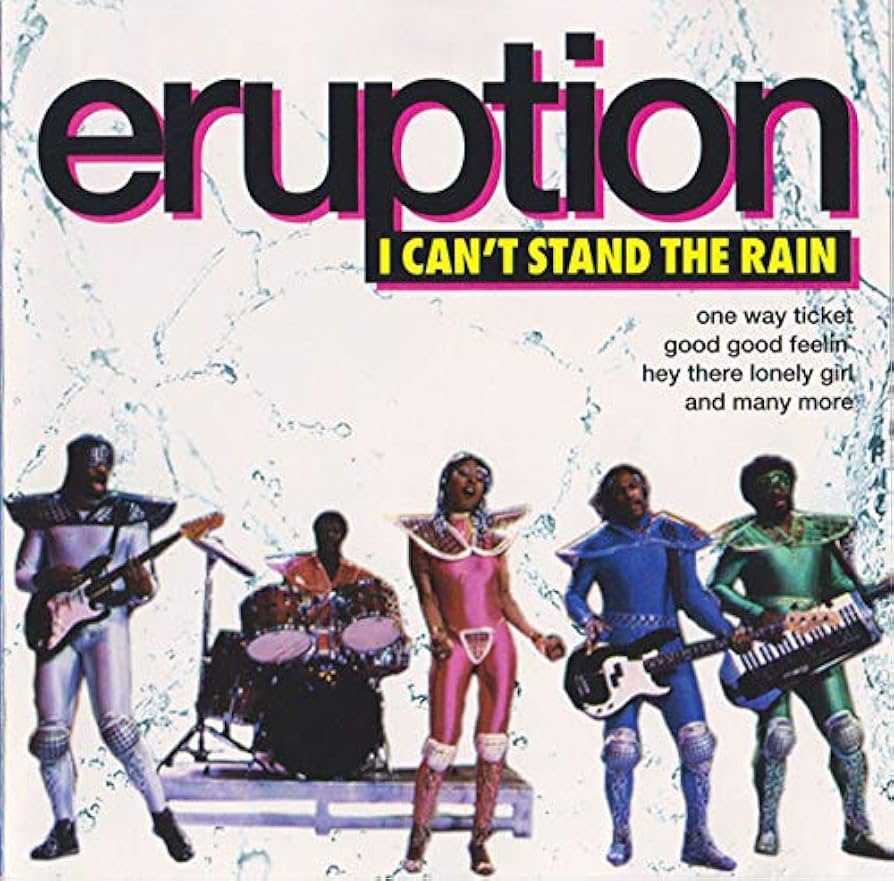
Eruption took Ann Peebles’ soulful 1973 ballad “I Can’t Stand the Rain” and transformed it into pure disco gold. Precious Wilson’s powerful vocals drove this reinvention to number 18 on Billboard and number five in the UK. Their producer Frank Farian would later become infamous for the Milli Vanilli scandal, but that’s another story entirely.
This cover brilliantly reimagined the blues original with dramatic production while keeping its emotional core intact. It’s like watching a beloved book become a great movie adaptation—recognizable but refreshed. The song showed how disco could breathe new life into existing material without losing what made it special in the first place.
11. Hot Child in the City – Nick Gilder
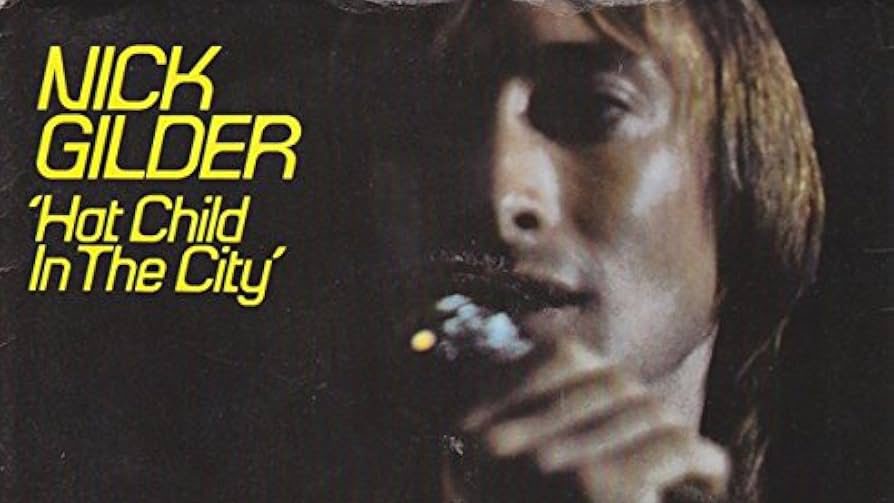
Nick Gilder’s “Hot Child in the City” took the slow path to success—21 weeks climbing to number one in both the U.S. and Canada. The former glam rocker crafted a platinum hit that sounds sunny but actually examines teenage prostitution on Hollywood Boulevard. Talk about hiding vegetables in the musical pizza so listeners digest serious topics without realizing it.
Gilder’s distinctive high voice made the track instantly recognizable amid radio playlists. The contrast between upbeat melody and dark subject matter created something surprisingly complex for pop radio. It’s like how The Police’s “Every Breath You Take” gets played at weddings despite being about stalking—sometimes the catchiest tunes have the most unsettling messages.
10. Because the Night – Patti Smith
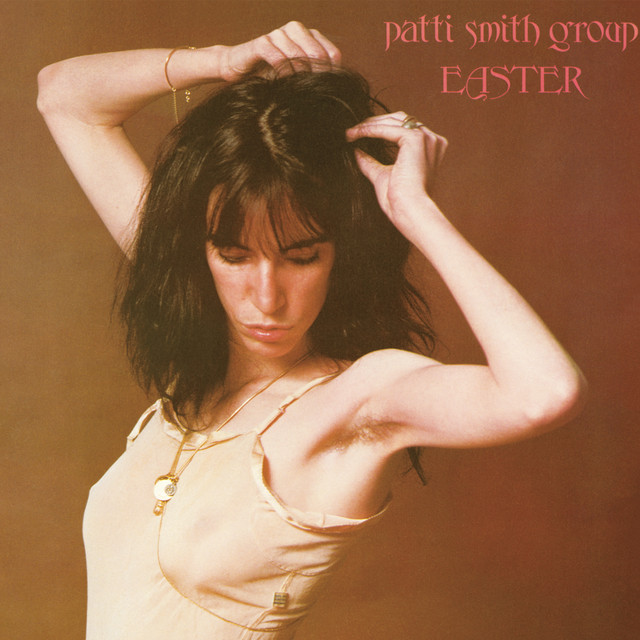
Some collaborations seem unlikely on paper but create magic in practice. “Because the Night” began as Bruce Springsteen’s unfinished track before producer Jimmy Iovine connected him with Patti Smith. The resulting song peaked at number 13 in the U.S. while reaching number 5 in the UK, becoming Smith’s biggest commercial hit.
Smith transformed Springsteen’s melody with raw intensity and poetic lyrics balancing vulnerability with strength. Their musical partnership worked like perfect dance partners—each maintaining their style while creating something greater together. The song continues inspiring covers decades later, including 10,000 Maniacs’ popular 1993 version that introduced it to a new generation.
9. King Tut – Steve Martin
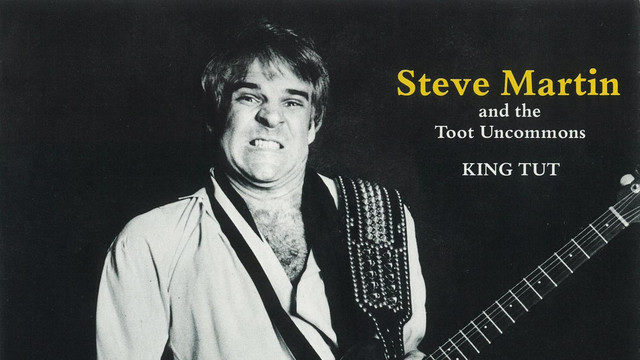
Comedy rarely charts on Billboard, but Steve Martin pulled it off with “King Tut.” After debuting the song on Saturday Night Live, it reached number 17 and sold over two million copies. The comedian capitalized on America’s fascination with the touring Tutankhamun exhibit, proving novelty songs could seriously succeed commercially.
Martin’s comedic timing translated perfectly to music. Backed by the Nitty Gritty Dirt Band, the production quality exceeded typical novelty songs. It’s the musical equivalent of a blockbuster comedy film—made for laughs but crafted with surprising care. Nearly fifty years later, fans still remember every word.
8. Kiss You All Over – Exile
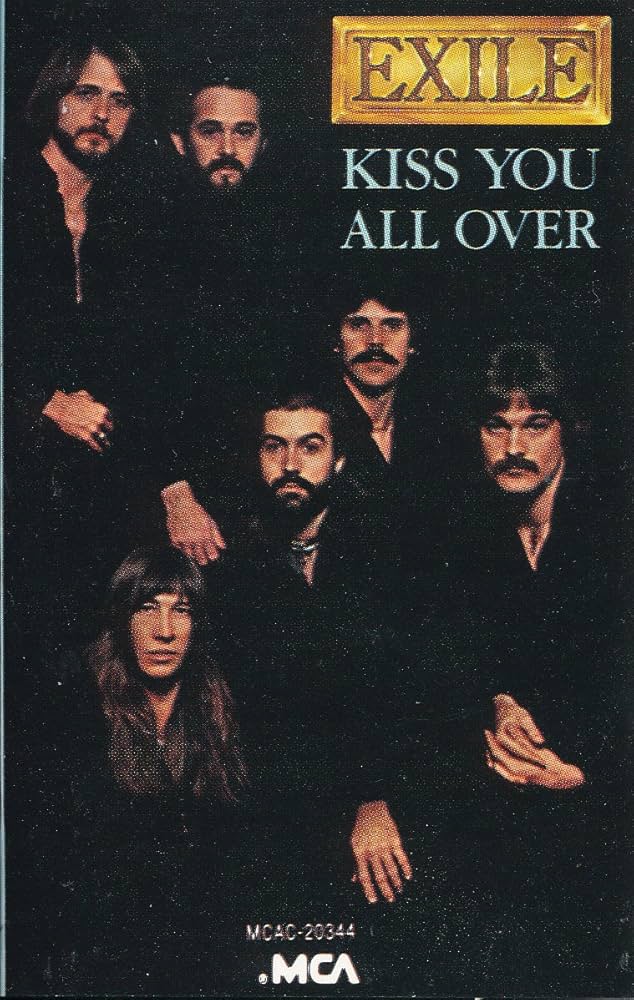
Kentucky band Exile completely reinvented themselves with “Kiss You All Over” in 1978. Songwriting team Mike Chapman and Nicky Chinn helped transform them from rock group to chart-toppers. The song ruled Billboard for four weeks by walking the perfect line between rock credibility and disco’s infectious rhythms.
The track’s sensual lyrics and unforgettable chorus made instant fans everywhere. Exile later found country music success, but their pop breakthrough proved impossible to duplicate. Their career path resembles those friends who try multiple careers before finding their true calling—the rock dream faded, but Nashville eventually embraced them with open arms.
7. Emotion – Samantha Sang
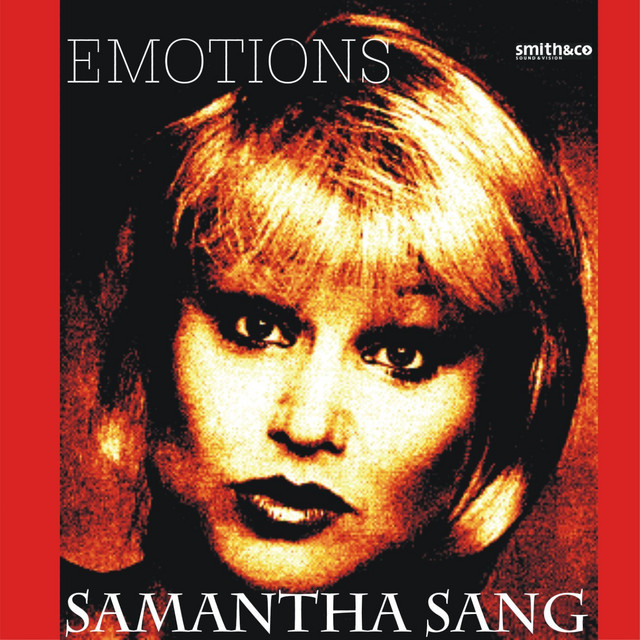
Australian singer Samantha Sang got the ultimate late-70s career boost—the Bee Gees connection. Barry and Robin Gibb wrote “Emotion” for her, with Barry adding his famous falsetto harmonies throughout. The song reached number three during peak Bee Gees mania when radio stations practically required a Gibb brother involvement to consider playing new music.
The sophisticated soft rock arrangement demonstrates why the late 70s sound remains so distinctive. Lush orchestration supports every emotional moment without overwhelming the vocals. Destiny’s Child’s 2001 cover introduced the song to a new generation, proving great pop music works like a well-designed chair—the style might change, but comfort and functionality never go out of fashion.
6. Love is in the Air – John Paul Young
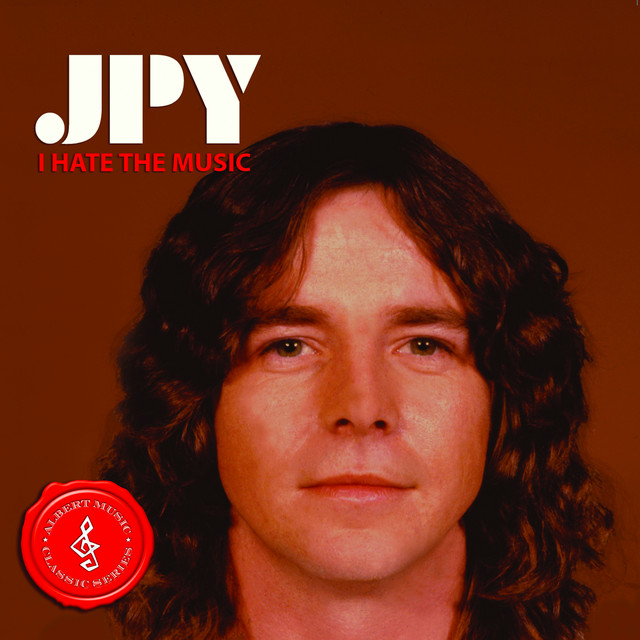
John Paul Young took Australian pop worldwide with “Love is in the Air” in 1978. The uplifting love song reached number five in the UK and number seven in America. Young’s warm vocal delivery perfectly matches the song’s romantic optimism—like audible sunshine breaking through clouds.
The track’s simple but effective arrangement demonstrates why less sometimes means more in pop music. Though Young never repeated this international success, the song found new life in Baz Luhrmann’s 1992 film “Strictly Ballroom.” Some songs burn bright once rather than steady forever, but leave such a strong impression that one hit is enough to secure musical immortality.
5. Magnet and Steel – Walter Egan
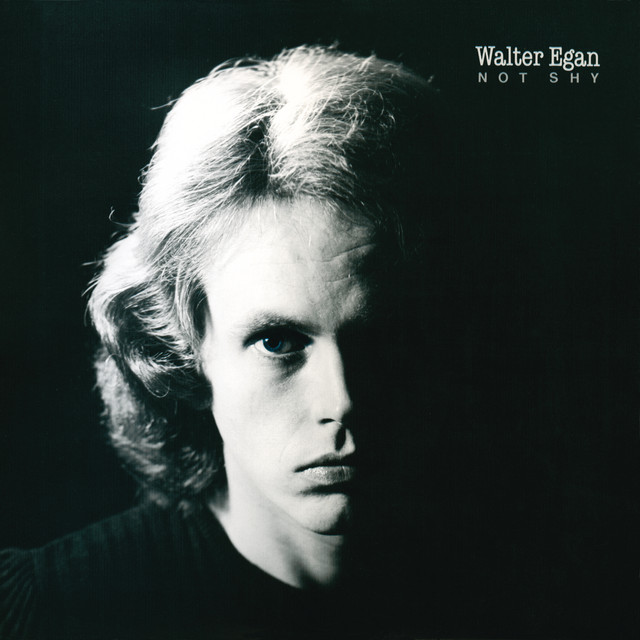
Walter Egan created the perfect California soft rock song with “Magnet and Steel.” The 1978 hit features background vocals from Fleetwood Mac members Stevie Nicks and Lindsey Buckingham. Egan admitted Nicks herself inspired the lovesick lyrics, adding real-life romance to this musical crush letter.
The production showcases late-70s studio craftsmanship with layered vocals and pristine guitar tones. Though Egan kept recording, commercial lightning never struck twice. The song spent 22 weeks on the charts, demonstrating steady appeal rather than overnight sensation. It’s the musical equivalent of a slow-burning TV show that builds a devoted audience through word of mouth instead of massive premiere numbers.
4. O Darling – Robin Gibb
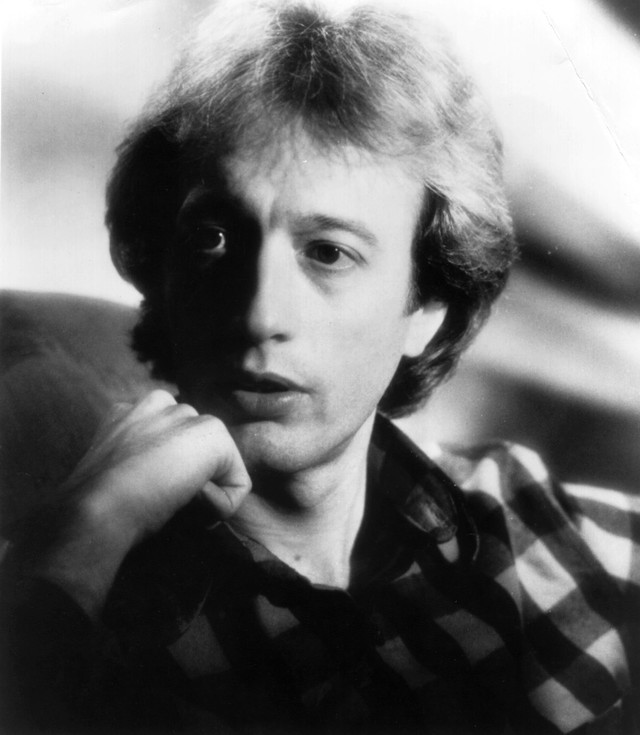
Robin Gibb stepped outside the Bee Gees to cover the Beatles’ “Oh! Darling” for 1978’s “Sgt. Pepper’s” movie soundtrack. His version reached number 15 on the Hot 100 and hit number 2 on adult contemporary charts. The Beatles connection strengthened with original producer George Martin overseeing the soundtrack album.
Gibb reimagined the bluesy original through his distinctive vocal approach. Critics still debate whether his version complements or competes with McCartney’s raw original. The cover represents an interesting musical intersection between two legendary groups—like watching Batman team up with Superman, exciting because two iconic forces come together even if the results don’t always match their individual best work.
3. Fool (If You Think It’s Over) – Chris Rea

Chris Rea’s debut single “Fool (If You Think It’s Over)” became his only American hit in 1978. The song reached number 12 and earned a Grammy nomination. Rea wrote the poignant ballad about his sister’s heartbreak, channeling personal experience into universal emotions about relationships ending.
While Rea built a substantial European career afterward, American success remained elusive. The sophisticated jazz-influenced chord progressions showcased adult-oriented rock’s maturity compared to disco’s party focus. Elkie Brooks later covered it successfully, proving some songs are like fine wines—their quality becomes more apparent with time rather than immediate commercial success.
2. I Will Still Love You – Stonebolt
Canadian band Stonebolt created an enduring soft rock ballad with “I Will Still Love You” in 1978. Peaking at number 29 on Billboard, this independent release found surprising mainstream success. The song proved disco hadn’t completely monopolized radio programmers’ attention spans.
The group’s perfect vocal harmonies reflected years of performance experience before breaking through. Their bittersweet declaration of lasting love connects emotionally beneath smooth production values. Though Stonebolt released several albums afterward, this heartfelt promise of enduring commitment became their defining musical moment—like actors forever associated with one iconic role despite diverse careers.
1. Falling – LeBlanc and Carr
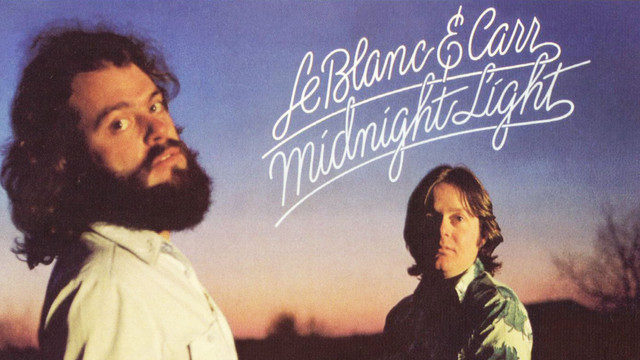
LeBlanc and Carr delivered pure soft rock emotion with “Falling” in 1978. The gentle ballad reached number 13 while spending an impressive 28 weeks on Billboard’s chart. Their Southern rock connections (touring with Lynyrd Skynyrd) gave them industry credibility before their recording breakthrough.
The song’s restrained instrumentation highlights the skill behind seemingly simple love songs. Though commercial success never struck twice, “Falling” remains beloved for genuine emotion and stellar performance. Its remarkable chart longevity demonstrated soft rock’s staying power amid flashier disco competition. Some songs connect like trusted friends—not the most exciting personality at the party, but the one you want to spend quality time with.