



Guitarists are ditching those aircraft-carrier-sized pedalboards for setups so compact, they practically fit in a laptop bag. You’re promised better tone, easier load-ins, and maybe even enough free space in your studio apartment to do yoga. Think of these curated selections as sonic Swiss Army knives—each one a multi-tool of tone, packing serious versatility into a tiny footprint. Whether you’re a weekend warrior or a seasoned pro, these compact solutions promise to declutter your rig without compromising your sound.
This content may contain affiliate links. If you wish to support us and use these links to buy something, we may earn a commission.
8. Aclam XS1 Pedalboard
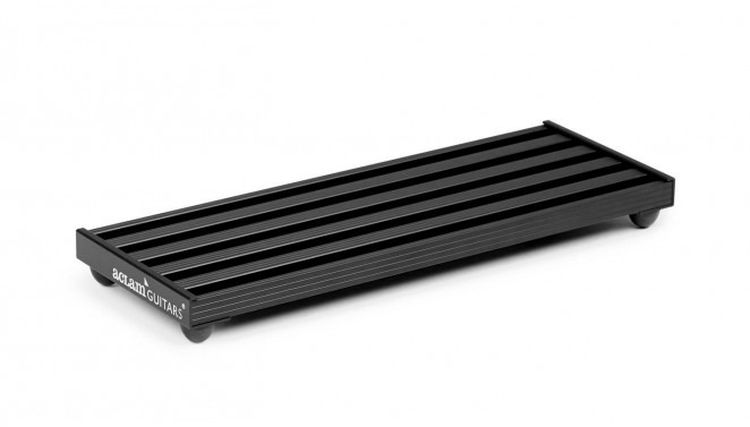
The minimalist’s dream for bassists and stripped-down guitar rigs.
Most boards are like trying to parallel park a tour bus—totally overkill for a simple setup. Enter the Aclam XS1, measuring a compact 42×15 cm (16.5×5.9 inches). If you’re a bassist needing just a tuner, compressor, and maybe a little dirt for those dive-bar gigs, this board is your minimalist dream come true.
It’s designed to comfortably fit 3-4 essential pedals, making it ideal for streamlined guitar or bass rigs. Why bring a battleship when a speedboat gets the job done? Enhanced portability for gigging musicians means more time playing, less time setting up.
7. Aclam S1 Pedalboard
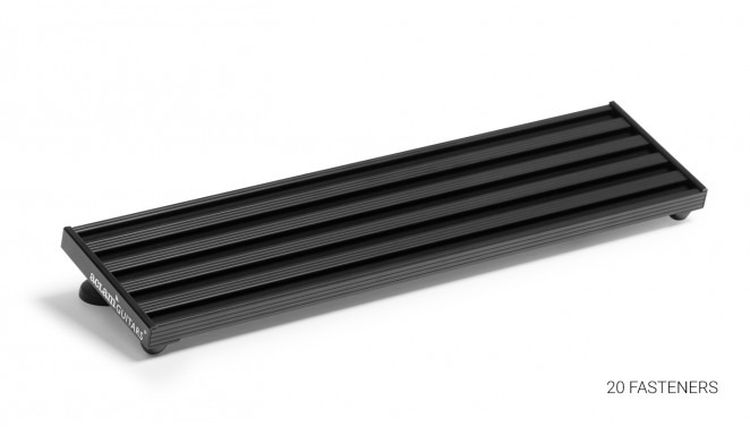
The bestselling lineup that gets you from zero to gig-ready in five minutes.
The Aclam S1 earns its spot as a bestseller among gigging musicians, not just for existing, but for solving the real problem of space. Picture a guitarist rolling up to a dive bar—or, let’s be honest, a corporate retreat—and needing to set up their sound in about five minutes.
This board, clocking in at 59×15 cm (23.2×5.9 inches), fits about 4-5 essential pedals lined up like dominoes. For anyone who’s ever tried to Tetris pedals onto a board before a show, the S1 is a godsend. It’s big enough to matter but small enough to fit in your trunk.
6. Aclam XS2 Pedalboard
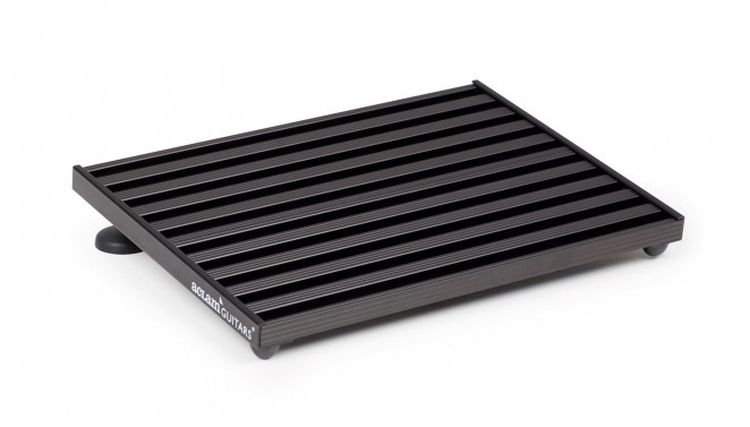
Balancing capacity and mobility without requiring a degree in astrophysics.
The Aclam XS2 Pedalboard understands the Tetris struggle. At 42×30 cm (approximately 16.5×11.8 inches), this model balances capacity and mobility for complex rigs. Fitting 5-7 pedals on a board shouldn’t require an engineering degree, and Aclam seems to get that.
For musicians lugging gear between dive bars and practice spaces, finding that sweet spot between sonic flexibility and manageable load is crucial. The XS2 lets you bring a decent arsenal without needing a roadie.
5. Aclam S2 Pedalboard
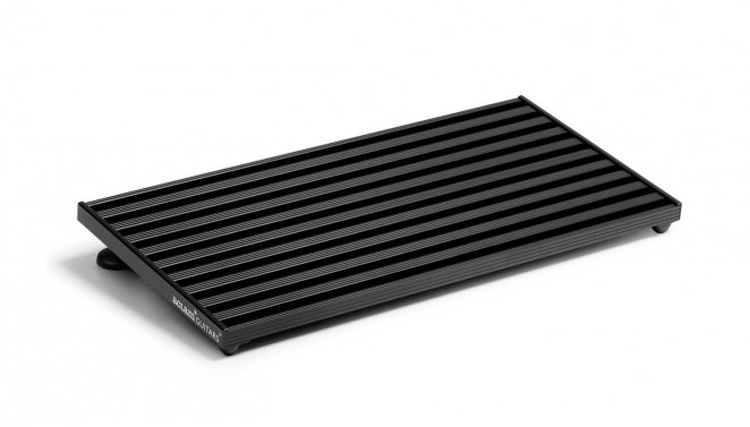
Your sonic carry-on that’s all brains and zero bulk.
“Space is at a premium on a pedalboard,” some guitar gurus preach, and truer words were never spoken. The Aclam S2 Pedalboard provides a sweet spot: ample real estate for complex rigs with enough mobility to squeeze through dive bar doorways.
With dimensions of 59×30 cm (23.2×11.8 inches), this board comfortably houses 8-10 pedals, transforming chaos into a symphony of stompboxes. Serious musicians carting their sound from venue to venue appreciate this balance between lean efficiency and screaming capability.
4. Aclam L2 Pedalboard
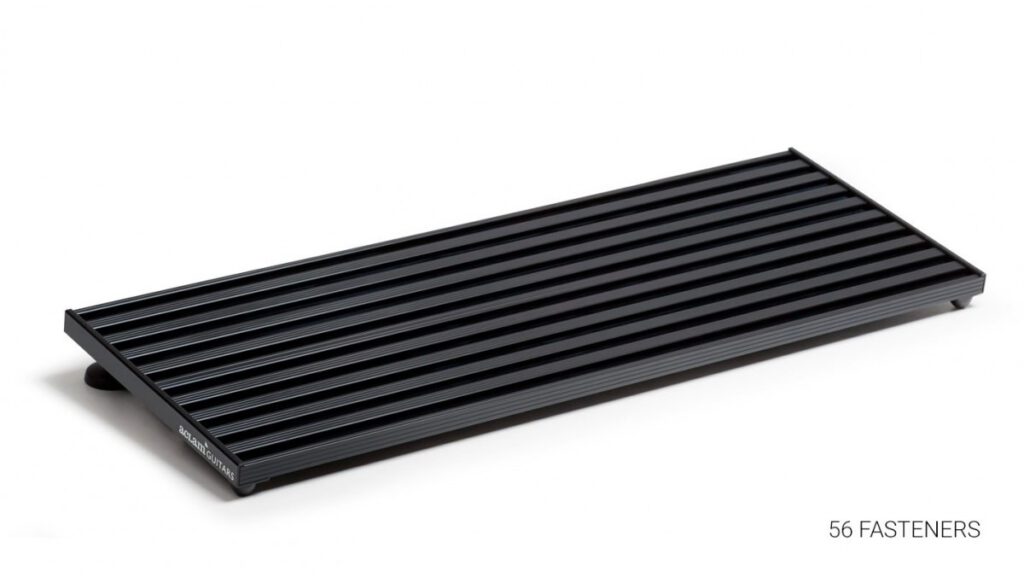
The antidote to DIY disasters for studio rats and home recording enthusiasts.
The Aclam L2 Pedalboard, clocking in at 82×30 cm (32×12 inches), is the antidote to glorified milk-crate setups. This board comfortably houses 10-14 pedals—perfect for studio rats or home recordists whose tonal palettes require more colors than a Lisa Frank Trapper Keeper.
The shift toward larger boards mirrors the evolution of guitar effects themselves. What started as a simple fuzz box has morphed into sprawling ecosystems of overdrives, delays, and modulation. It’s like the difference between a compact car and the tour bus you graduate to after signing with a major label.
3. Top-Mounted Jack Pedals
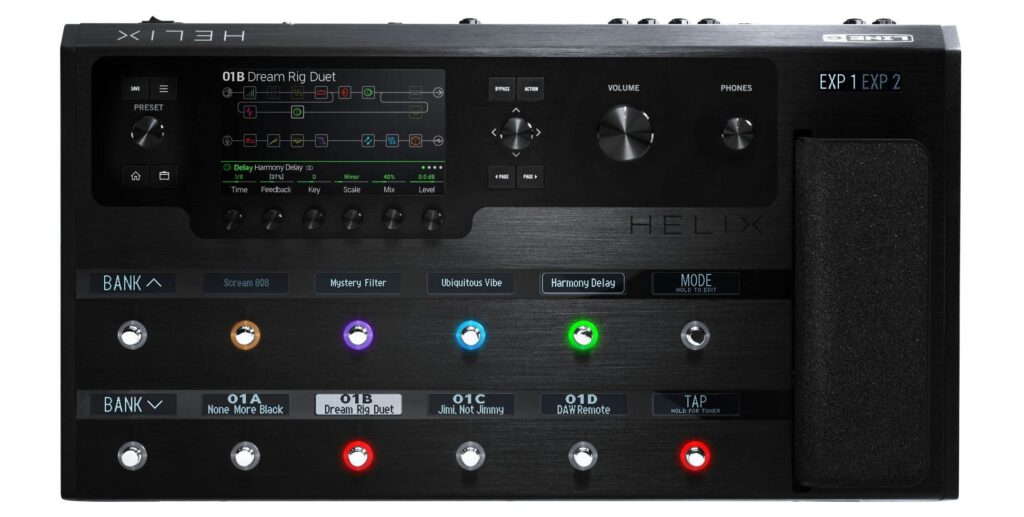
The veteran’s secret for cramming more tone into less space.
Veteran pedalboard wranglers swear by pedals with top-mounted jacks. Sandwiching those stompers closer is key. Instead of sprawling sideways like a drunken conga line, your pedals huddle together, freeing up precious real estate.
Top jacks cut down on side-space needs, letting you pack in more sonic firepower. When space is tight, top-mounted jacks aren’t just a nice-to-have—they’re essential for maximizing sonic potential without the sprawl.
2. Pedalboard Risers/Tiered Systems
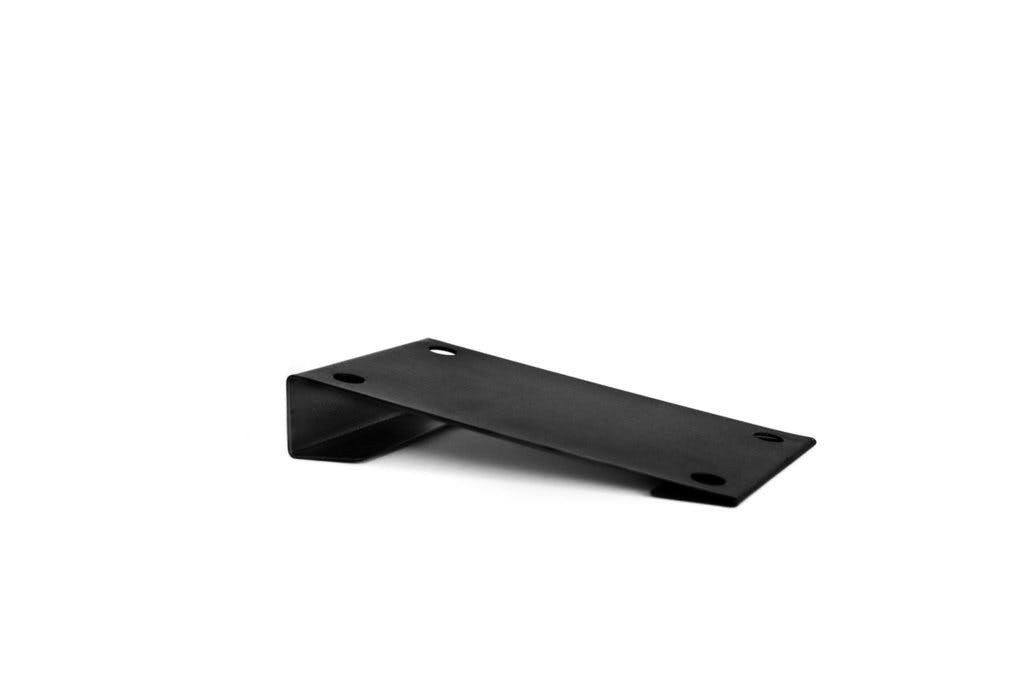
Building a mezzanine in your sonic condo for maximum real estate.
Risers can basically double the real estate of your precious pedalboard. These elevated platforms let you stack those less-sexy but essential pedals—like switchers or bypass loopers—out of the way. Think of it as building a mezzanine in your sonic condo: suddenly, there’s room for that vintage Univox you’ve been eyeing.
A tiered system swoops in, turning chaotic mess into a streamlined control center. Suddenly, those deep-cut pedals are accessible without tap-dancing through your dirt section. It’s like turning a hoarder’s paradise into a curated museum where you can actually create some chaos.
1. Low-Profile Connectors (Square Plugs)
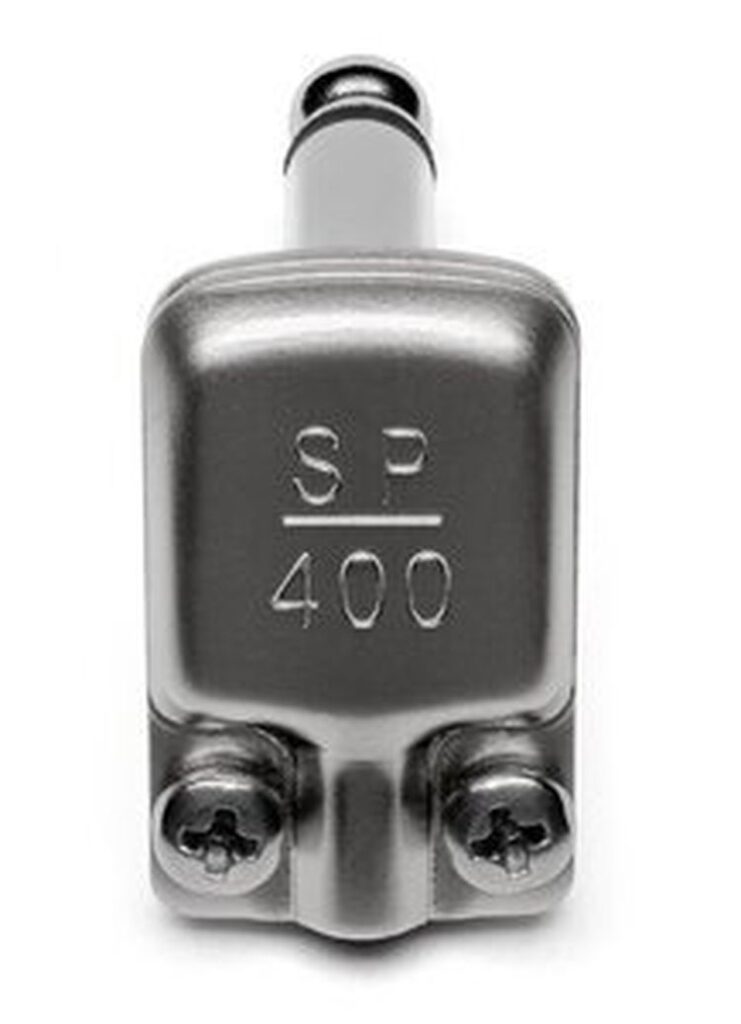
Liberating approximately 0.25 inches per pedal for more sonic mayhem.
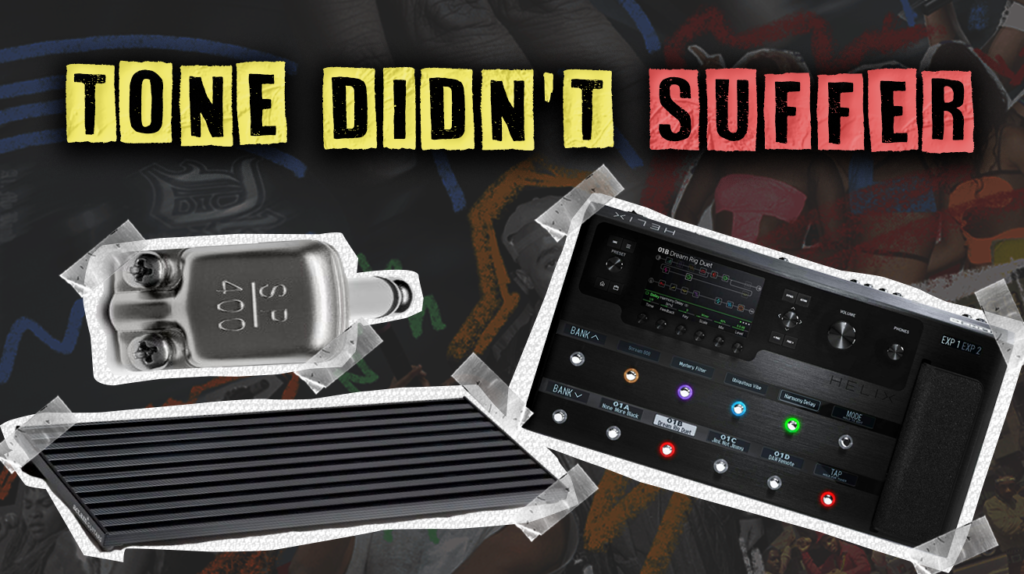
Compact connectors, like Square Plugs, are becoming the norm, especially given their space-saving design that liberates approximately 0.25 inches per pedal. Now you can cram more sonic mayhem onto your board. You know how it feels when your carefully planned signal chain gets strangled by bulky cables—as if your tone is being held hostage?
That’s where low-profile connectors come in, turning chaos into zen. Squeezing an extra fuzz or delay onto your board by switching cables is like discovering a hidden pocket in your jeans—pure delight. Ditch those tone-sucking space invaders for sleek, space-efficient cables.