



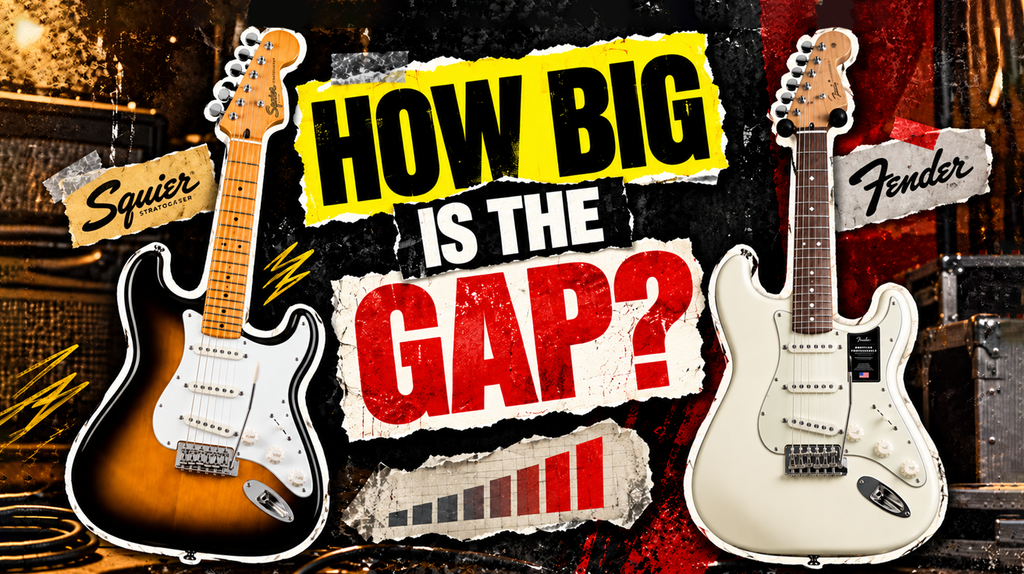
The electric guitar market has evolved dramatically. Gibson navigated bankruptcy and recovery; Fender defended its iconic designs in court.
The truth is, even budget-friendly models now deliver performance that would have been unthinkable a decade ago, while legacy brands either refined their craft or stumbled through missteps. We’ve put together a list ranking brands from worst to best, but we’ll be real: nothing is really that bad.
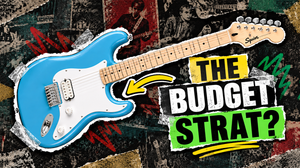
12. Squier
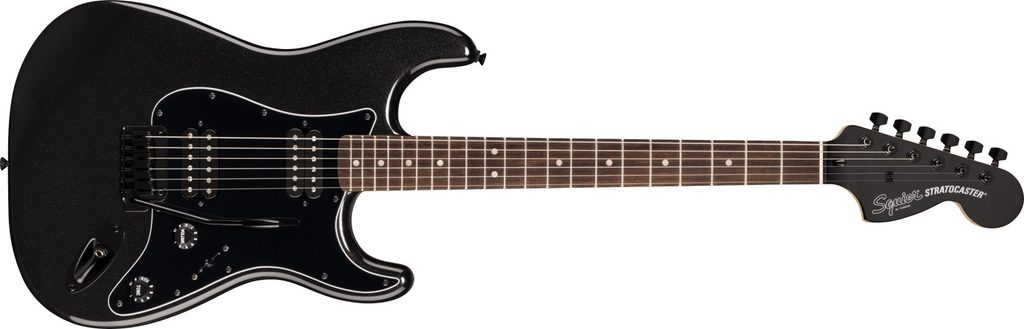
Budget-friendly Fender designs that punch above their price point.
Fender introduced Squier in 1982 to offer lower-cost versions of its Stratocaster and Telecaster designs. Early models served primarily as stepping stones, instruments designed to be outgrown as skills developed. Hardware quality often limited player progress.
Squier evolved beyond simple beginner territory. The Classic Vibe series delivers instruments that genuinely close the quality gap, offering performance far exceeding their price tags. Players frequently purchase these guitars as temporary solutions, only to discover themselves gigging with them a year later. Finding a vintage band tee at a thrift store that becomes your favorite concert shirt captures the unexpected value proposition perfectly.
11. Epiphone
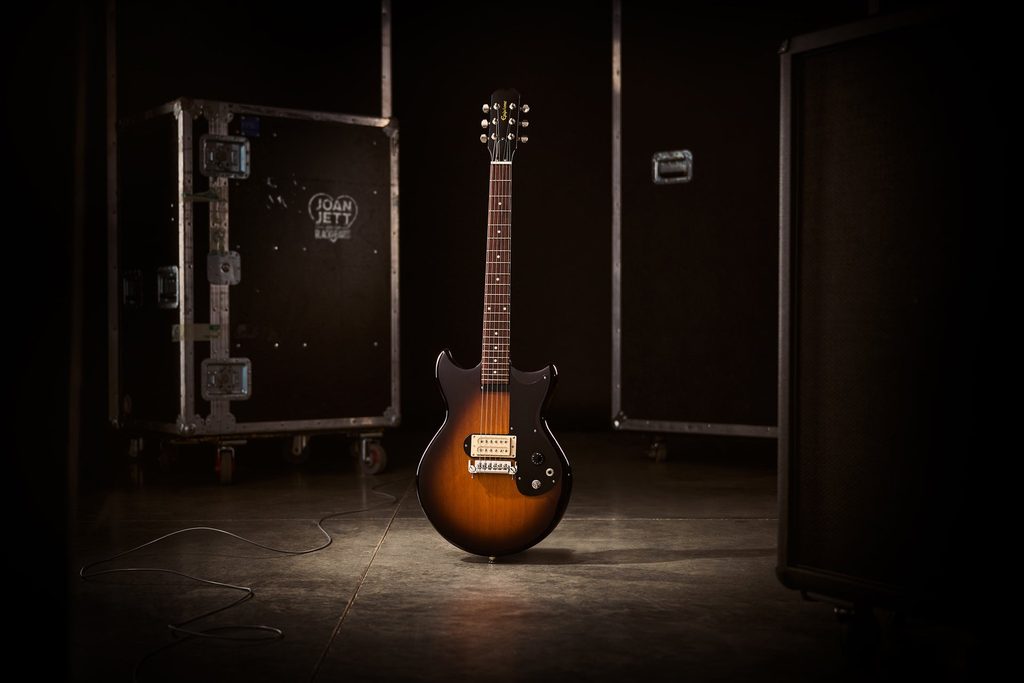
Gibson’s accessible counterpart delivers recognizable tones without the premium price.
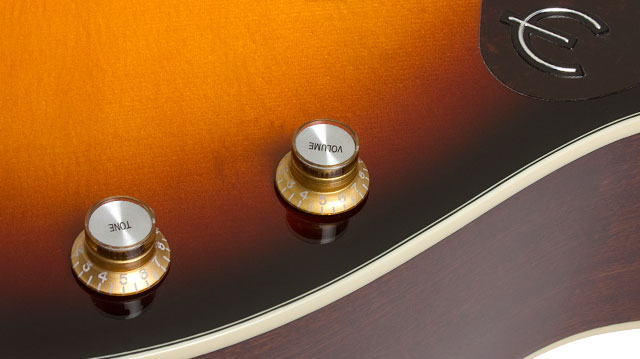
Epiphone extends roots back to the late 19th century as one of America’s oldest instrument makers in New York. The brand operated as a significant Gibson rival before becoming its associated lower-priced line. Current models deliver warm humbucker tones and iconic single-cutaway body styles at accessible prices.
Despite this heritage, Epiphone carries a “stepping stone” reputation. Subtle tone nuances, premium hardware feel, and ownership pride associated with Gibson remain elusive. Recent “Inspired by Gibson” models adopted authentic headstock shapes after sustained player requests, demonstrating the brand’s responsiveness to its audience.
10. Schecter
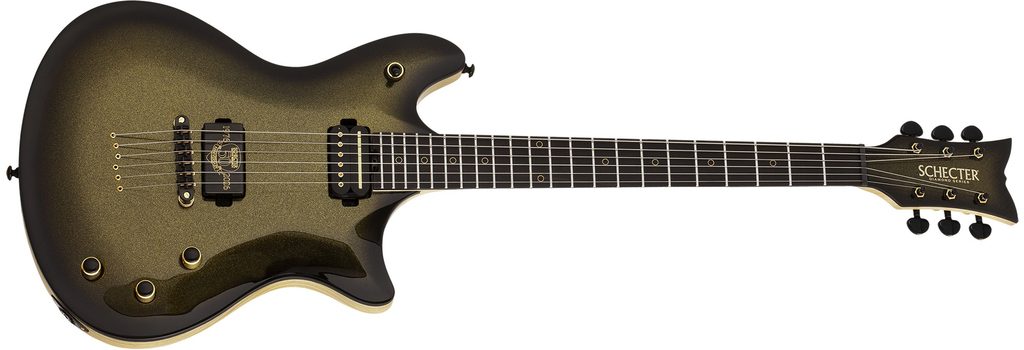
California-born metal specialist delivers focused performance at mid-tier prices.
Schecter Guitar Research originated in California as a replacement parts supplier before expanding into complete instruments. The brand carved its niche building instruments specifically for modern metal and hard rock. Active pickups deliver high output; thin, fast necks feel precision-engineered. Finishes often resemble aggressive sports car aesthetics.
For heavy players on mid-level budgets, Schecter delivers enormous value through solid build quality. Performance excels in chugging riffs and blazing solos. This laser focus limits versatility outside metal genres, resulting in a thin used market. The brand consistently nails its specific brief, proving specialization yields results when executed properly.
9. Charvel
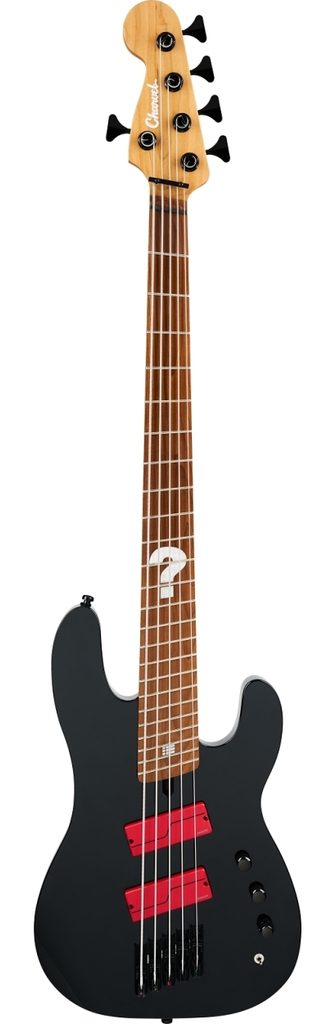
Southern California hot-rod tradition meets modern performance engineering.
Charvel began in 1970s Southern California. Wayne Charvel’s repair shop became a source for modified Stratocaster-style instruments, paving the way for superstrat design. Compound radius necks enable effortless fast playing, making complex solos feel natural rather than exhausting. Fender acquired the brand in 2002; current models feature bridges engineered to withstand aggressive whammy bar use.
Hearing a guitar go sour mid-solo ranks among the most frustrating performance mishaps. Whether in San Dimas or Pro-Mod styling, Charvel delivers specialized designs that slice through any mix, maintaining tuning stability under demanding playing conditions.
8. Jackson
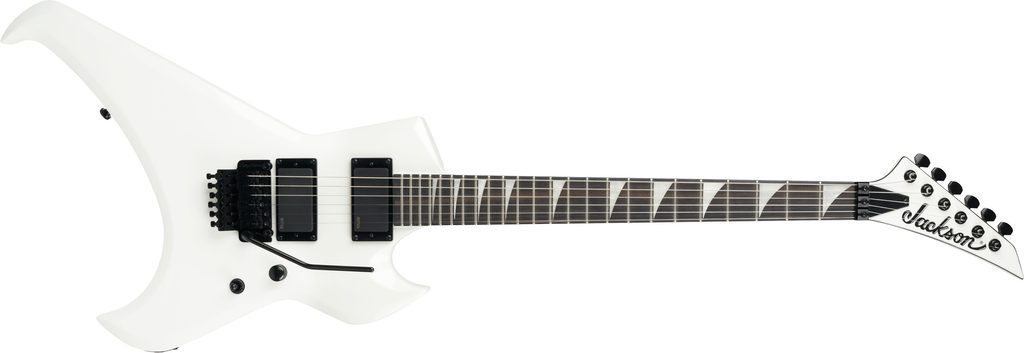
Pointed headstocks and aggressive designs built the soundtrack of 1980s metal.
Jackson originated in California, closely associated with heavy metal’s rise during the 1980s. Grover Jackson built instruments including the Rhoads, Soloist, Dinky, and Kelly as purpose-built tools featuring high-output pickups, fast necks, and tremolo systems. These guitars cut through dense mixes with surgical precision.
Fender’s 2002 acquisition brought consistency from budget JS models through USA-made professional instruments. Genre-specific aesthetics, while striking on stage, appear conspicuous in casual settings. This limits the buyer pool to players committed to the brand’s aggressive identity. For metal specialists, Jackson remains the definitive choice.
7. ESP and LTD
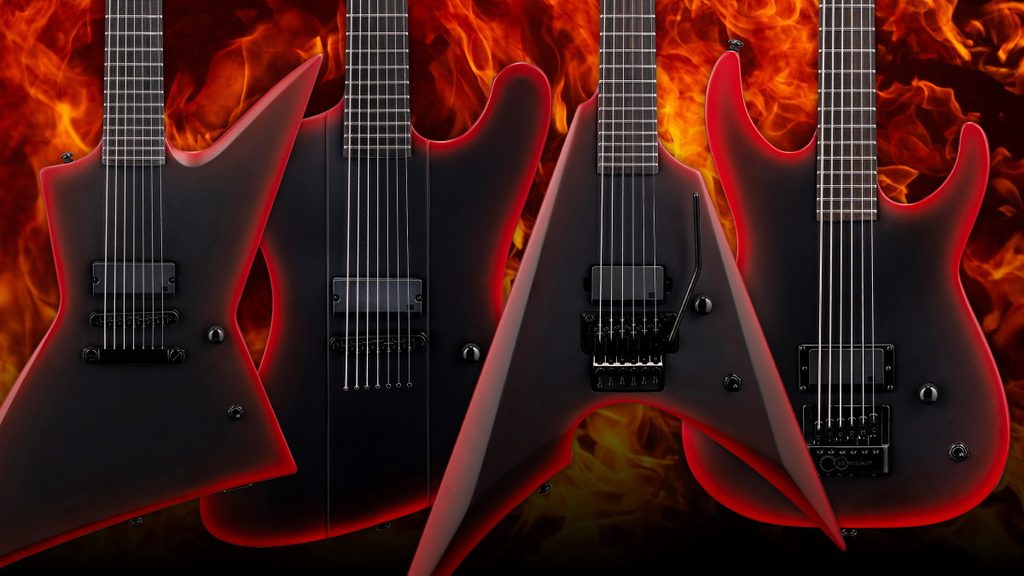
Japanese precision meets metal aesthetics across two distinct price tiers.
ESP built its reputation on meticulous craftsmanship. Fretwork on high-end models achieves precision comparable to watchmaking. James Hetfield and Kirk Hammett of Metallica showcase these instruments prominently, their guitars integral to their signature sound.
The LTD sub-brand applies similar design principles at accessible price points. A curious gap exists in the middle tier; the cost leap from affordable LTD instruments to Japanese-made ESP models represents a significant financial commitment. World-class build quality at the top tier and strong resale value on genuine Japanese models make ESP a serious investment for dedicated players.
6. Gretsch
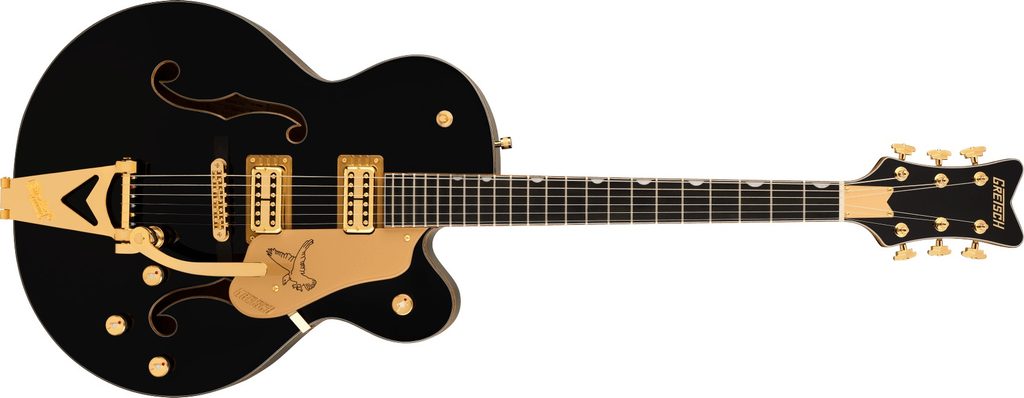
Hollow-body heritage delivers distinctive tones for rockabilly, country, and classic rock.
Gretsch occupies a distinct niche with hollow-body and semi-hollow designs, distinctive finishes, Filter’Tron-style pickups, and Bigsby vibratos. The brand’s characteristic jangle and twang have graced rockabilly and indie records through players including Brian Setzer, George Harrison, and Chet Atkins.
Massive hollow bodies generate feedback at high volume; Bigsby vibratos require patient tuning adjustments. Gretsch instruments struggle in distortion-heavy contexts where their unique voice gets buried. Vintage enthusiasts prize classic models for their strong resale value and unmistakable character, understanding these guitars excel within specific musical territories rather than serving as universal tools.
5. Ibanez
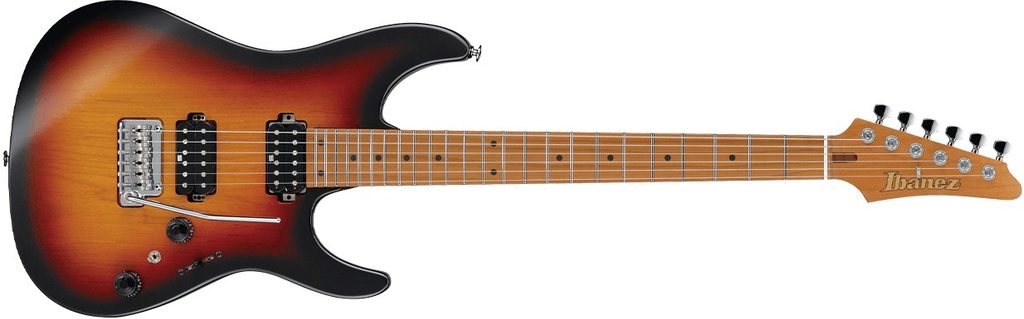
Japanese engineering refined the superstrat concept while serving jazz purists.
Ibanez perfected superstrat design through meticulous engineering. The ultra-thin Wizard neck profile converted a generation of technical players. RG and S series guitars serve as metal workhorses with ergonomic bodies, fast neck profiles, and tremolo systems, frequently available in seven- or eight-string configurations. Hollow-body Artcore and Artstar instruments address jazz applications entirely.
The brand delivers consistent quality from entry-level instruments offering serious performance at beginner prices through professional artist models associated with Steve Vai, Joe Satriani, and George Benson. Players transition seamlessly from shredding metal riffs to laying down smooth jazz progressions. While Ibanez provides impressive versatility, it lacks the romanticized narrative some vintage brands cultivate. Practical excellence often outlasts pure status.
4. G&L
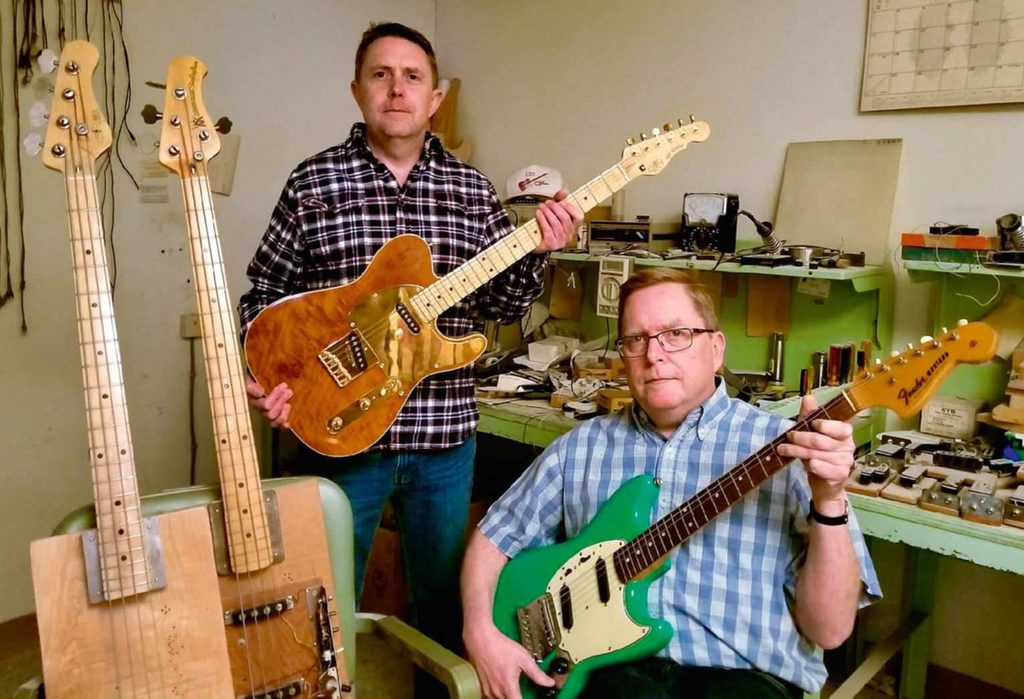
Leo Fender’s refined second draft delivers connoisseur-grade instruments.
After selling his namesake company, Leo Fender reunited with George Fullerton and Dale Hyatt to found G&L. The name refers to George and Leo. This venture represented Leo Fender’s opportunity to refine his groundbreaking ideas, engineering innovations including Magnetic Field Design pickups and the Dual Fulcrum vibrato. USA-made instruments are produced in Fullerton, California.
G&L never achieved mainstream recognition, lacking its predecessor’s marketing reach. Build quality and tone speak volumes for players who discover the brand. Resale values trail vintage Fender peaks, but the instruments themselves deliver substance over flashy branding, appealing to connoisseurs prioritizing performance.
3. PRS
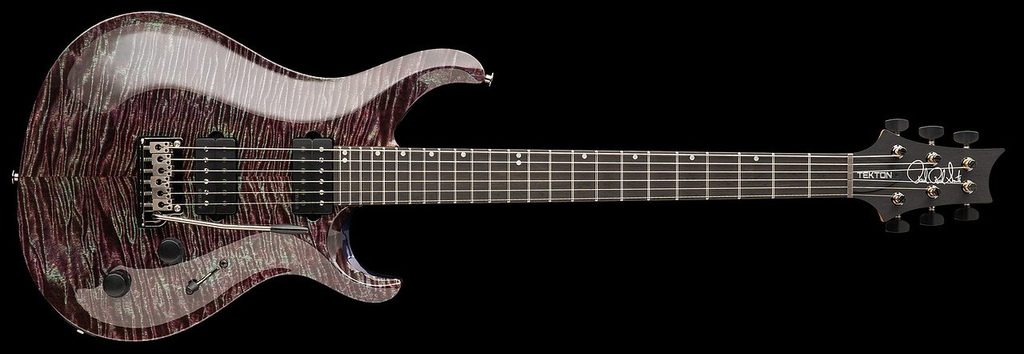
Maryland craftsmanship fuses Gibson warmth with Fender clarity.
Paul Reed Smith founded PRS in Maryland during the 1980s. The brand became known for highly finished instruments combining features associated with both Gibson and Fender, including carved maple tops, dual-humbucker layouts, tremolo bridges, and distinctive bird inlays. The Custom 24 represents the signature model; the SE line provides accessible instruments manufactured outside the United States.
The brand demonstrates remarkable consistency. Some players find the precision almost clinical, lacking the imperfections and mythology of older brands. Swapping a beat-up denim jacket for a factory-fresh replica captures this sentiment. Objectively brilliant execution meets subjective connection, where personal preference ultimately decides.
2. Gibson
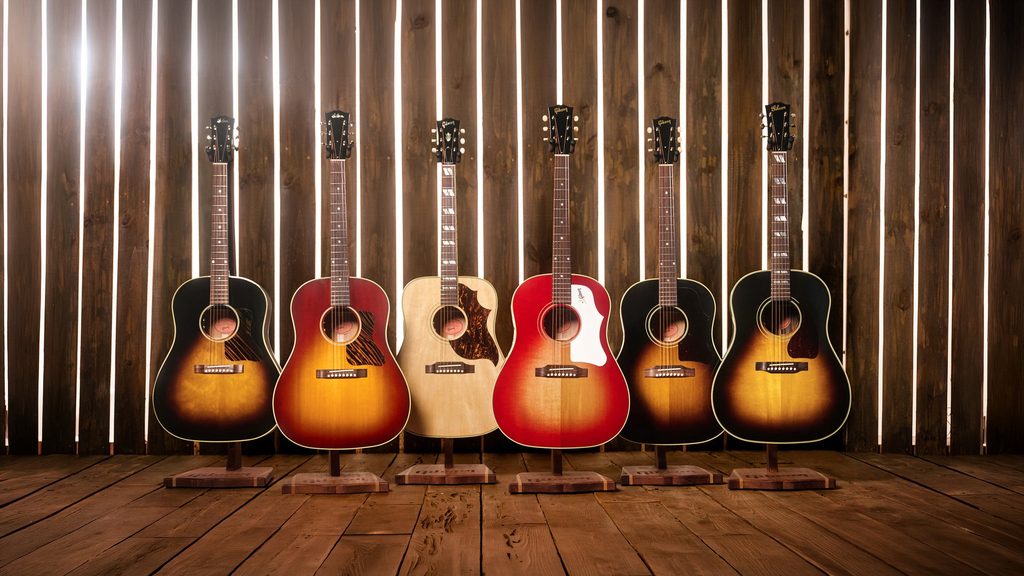
Bankruptcy survivor refocused on legendary models and reclaimed its reputation.
Gibson filed for Chapter 11 bankruptcy protection in 2018. New ownership and leadership subsequently reorganized the company, refocusing on core models including the Les Paul, SG, and ES-335. These instruments gave voice to legends including Slash and Jimmy Page.
The restructuring eliminated unfocused product lines. Gibson instruments now maintain strong resale value, driven by demand for their thick humbucker tone and set-neck construction. Pulling a vintage sports car from the mud captures the satisfaction of watching a classic brand execute a successful turnaround. This hard-won prominence confirms craft still matters.
1. Fender
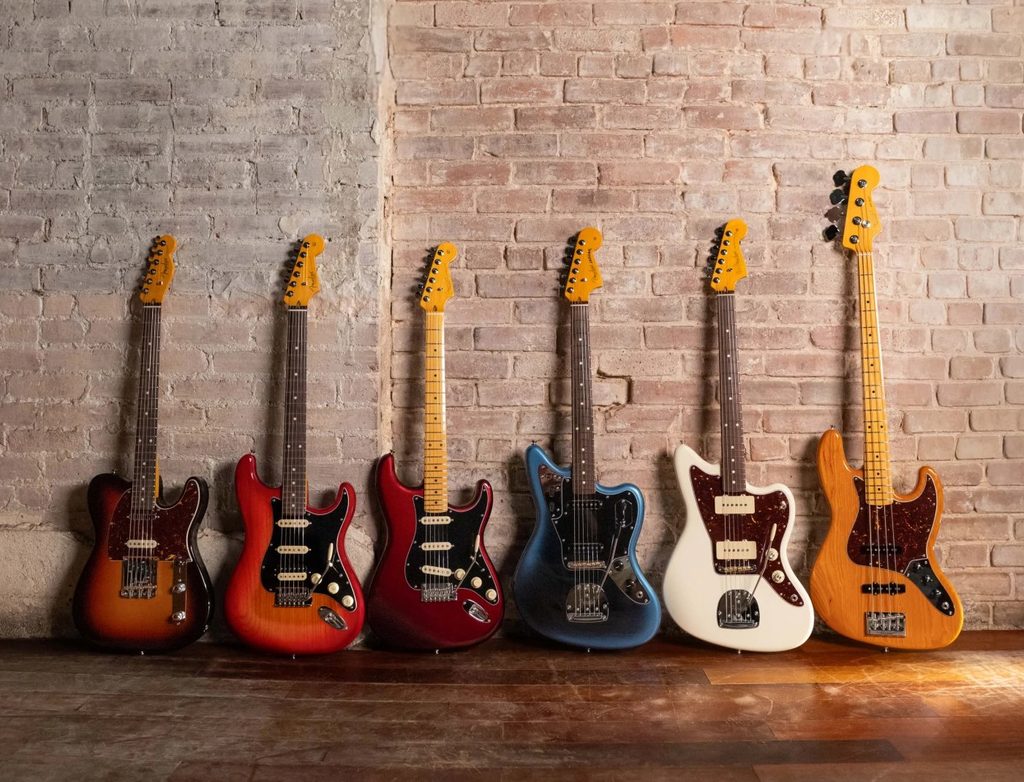
Leo Fender’s 1950s innovations established the template every other brand follows.
In the early 1950s, Leo Fender introduced solid-body designs in Fullerton, California. The Telecaster and Stratocaster established the modern electric guitar template through bolt-on neck construction, contoured solid bodies, single-coil pickup layouts, and mass-production methods. Every other brand on this list still responds to that initial framework.
Fender’s brand portfolio includes Squier, Jackson, Charvel, and Gretsch guitars. The company offers consistent value from entry-level instruments through custom shop pieces. A new generation of players, including those discovering guitar through social media, still reaches for that familiar headstock shape first, solidifying Fender’s role as the industry’s benchmark nearly 75 years after Leo Fender bolted that first neck onto ash.