


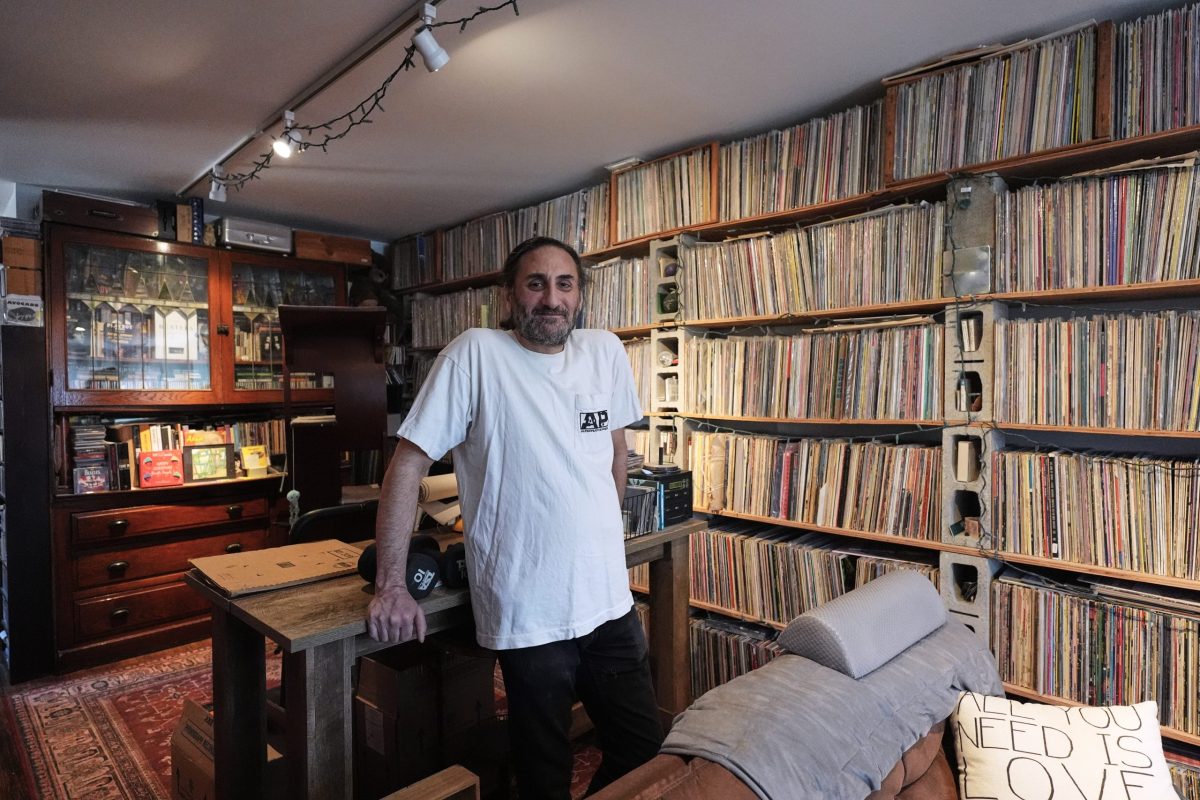
Aadam Jacobs solved the problem of missing concert memories before smartphones existed. The 59-year-old “Chicago Tape Guy” spent four decades secretly recording live shows, amassing over 10,000 bootlegs that capture legends before they were legends. Now volunteers are digitizing his collection for free streaming on the Internet Archive, transforming expensive collector items into accessible musical analog archaeology.
From Dictaphone to Digital Gold
Jacobs’ debut recording session happened July 8, 1989, when Nirvana played their first Chicago show at Dreamerz club. Kurt Cobain introduced the opening song “School” to a crowd that had no idea they were witnessing future rock royalty. That four-piece performance, captured on borrowed equipment, now streams in cleaned-up digital quality alongside early sets by R.E.M., Pixies, The Cure, and Boogie Down Productions.
His grandmother’s Dictaphone eventually gave way to Sony Walkmans, DAT recorders, and solid-state devices that documented 3,000+ acts across Chicago venues like Metro, Lounge Ax, and the Hideout.
Volunteer Army Rescues Degrading Tapes
Brian Emerick drives to Jacobs’ place monthly, loading 10-20 boxes containing up to 100 tapes each into his car. His suburban Chicago setup runs 10 cassette and DAT decks simultaneously, digitizing roughly 5,500 recordings so far through real-time playback. The process connects volunteers across continents—Neil deMause in Brooklyn handles mastering, while engineers in the U.K. and Germany verify setlists, sometimes consulting original band members for accuracy.
This distributed preservation effort launched after a 2023 documentary prompted Internet Archive volunteers to reach out, recognizing that analog tapes don’t age gracefully.
From Bootleg to Official Release
The Replacements pulled tracks from Jacobs’ archive for their 2023 official live release, while Sonic Youth used his recordings for their “Hold That Tiger” album. Most artists approve the preservation project, according to Jacobs, who removes recordings if requested but rarely receives takedown demands. Copyright attorneys note that while artists technically own these performances, lawsuits against non-profit preservation efforts remain unlikely. The audio quality surprises listeners—RadioShack microphones and primitive gear somehow captured remarkably clear sound that stands up to modern playback standards.
Chicago music writer Bob Mehr calls Jacobs a “cultural institution,” and the digitized archive proves why. Your concert memories might live on your phone now, but this collection preserves an era when dedication meant smuggling actual recording equipment past venue security. Four decades of musical obsession just became everyone’s shared heritage.