





Variety might be the spice of life, but in music, it’s more like the ghost pepper that kicks your playlist into another dimension. Mainstream bangers are fine for basic cardio, but if you want to flex your sonic palette, it’s time to explore the outer limits. The genres on this list were chosen for their unique sounds, cult followings, and sheer “WTF” factor. Prepare for unexpected pairings and soundscapes so bizarre they just might be genius. Anyone who’s ever had a playlist ambushed by a surprise polka remix knows it’s a wild world out here.
10. Lowercase
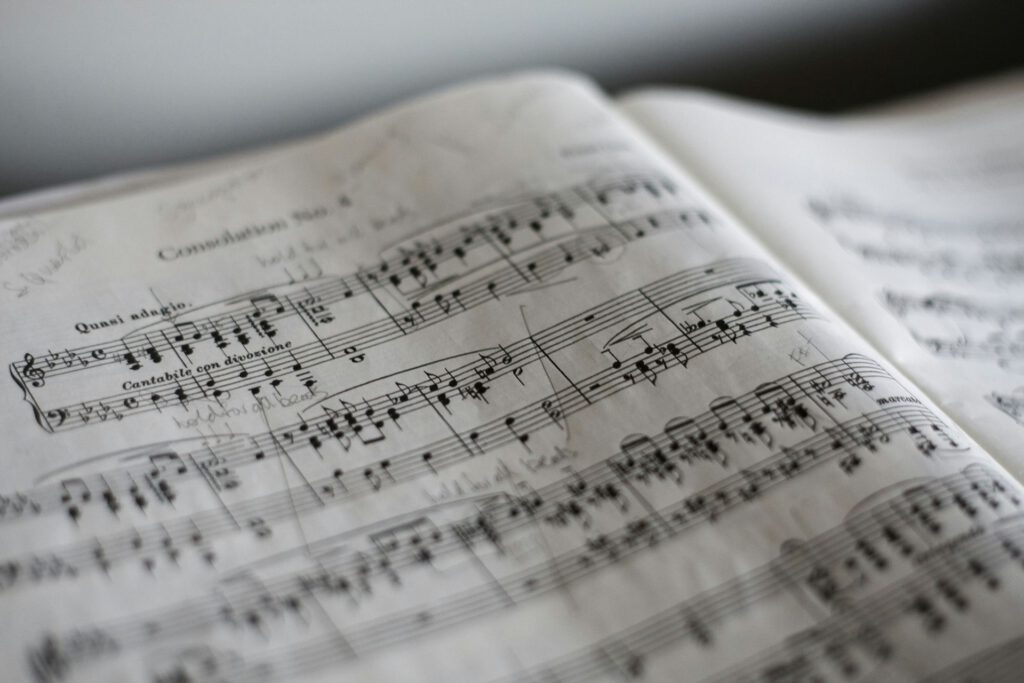
Silence gets remixed into an art form where quiet becomes the loudest statement.
Lowercase is the sonic equivalent of staring at a blank canvas: an extreme form of ambient music where silence gets remixed. Pioneered by Steve Roden, his 2001 album Forms of Paper, commissioned by the Los Angeles Public Library, turned up the volume on sounds we usually tune out. The gentle tap of a fingernail? The faint hum of a computer fan? The rustle of paper? Roden transformed these sounds into what some call a “radical act of silence.”
The genre’s an extreme form of ambient minimalism. It embodies what some describe as ‘quiet and humility,’ demanding discovery rather than attention. Anyone who’s ever zoned out staring at white noise can relate—this isn’t just ambient; it’s like listening to listening itself.
9. Nintendocore

8-bit nostalgia meets metal aggression in a chaotic fusion that sounds like your childhood console got possessed by demons.
Nintendocore jams iconic 8-bit bleeps and bloops—think Super Mario Brothers on a bad trip—with metal aggression. Emerging in the early 2000s with bands like Horse the Band and Kitty Pryde, Nintendocore throws heavy metal, hardcore punk, and even death metal into a blender with Nintendo Entertainment System melodies.
Guttural screams meet chirpy synth lines in a chaotic, unique fusion. Anyone who’s ever tried to speedrun Contra with a busted controller knows the sensory overload this provides. It’s like mainlining nostalgia and rage simultaneously.
8. Witch House
Dark, occult electronic music from the internet underground where artists hide behind untypable symbols and cursed aesthetics.
Witch house is the soundtrack to a haunted digital graveyard—dark, occult-obsessed electronic music from the late 2000s internet underground. Artists use untypable symbols in their names, such as △○○△⃒ for Holy Other, that look like something pulled from a cursed VHS tape.
You’ll hear heavily manipulated vocals, chopped and screwed hip-hop beats slowed to a funeral dirge, dissonant synth pads, and eerie repetitive melodies. Think less Hot Topic, more haunted hard drive—a fitting soundscape for the quietly unnerving corners of the web where goth went internetborn.
7. Chap Hop
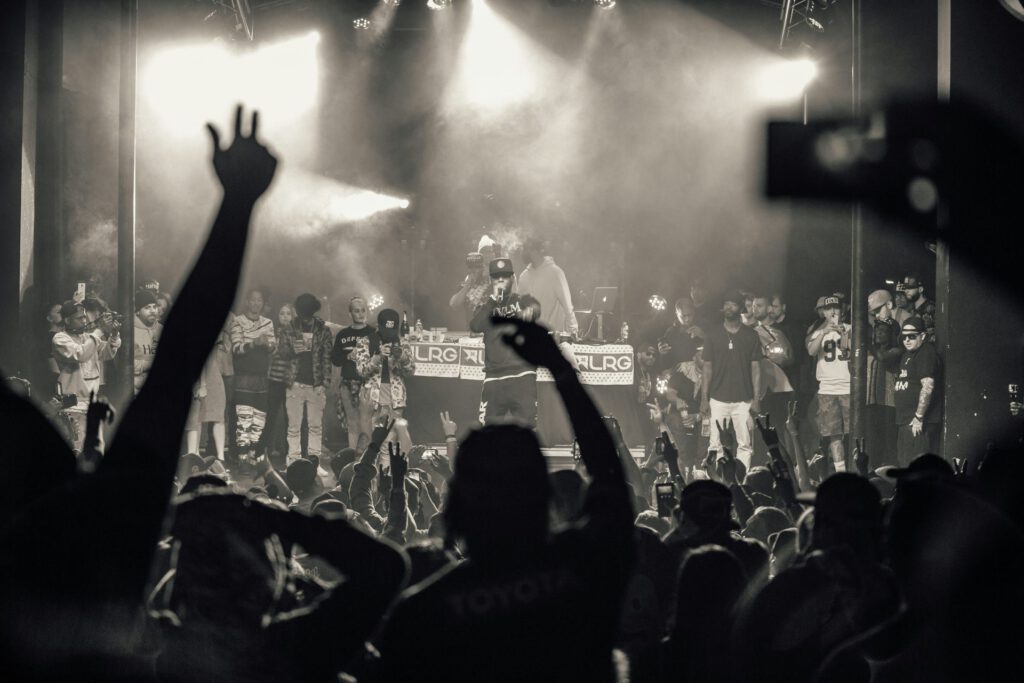
British gentlemen in tweed suits rap about tea and manners over hip-hop beats in the most polite subversion imaginable.
Spitting rhymes over tea and crumpets might sound absurd, but that’s Chap Hop. Professor Elemental is known for polite rap battles, including his 2010 feud with Mr. B The Gentleman Rhymer. Picture gentlemen in tweed suits rapping in refined English accents about well-tended gardens and proper manners, all set to electronic hip-hop beats.
It’s like Monty Python hijacking a Wu-Tang Clan concert—a charming subversion that’s uniquely British. You might find yourself humming along to witty odes about afternoon tea while nodding to the absurd charm of polite rhyme battles.
6. Vaporwave

Consumer capitalism’s soundtrack gets chopped, slowed, and drenched in nostalgia to create dreamy digital ghost towns.
Before vaporwave, smooth jazz and elevator music were sonic wallpaper, barely registering as you waited on hold or browsed department store aisles. Chop that muzak, slow it to a crawl, and drench it in reverb and chorus—you’ve got a dreamy, warped, nostalgic soundscape.
Remember those glitched-out Roman statues, bathed in pink and teal gradients, next to low-poly palm trees and outdated computer graphics? That’s the aesthetic of failure, where Macintosh Plus’s 2011 Floral Shoppe dropped like a corrupted file. It’s not just music; it’s a mirror reflecting our weird relationship with retro culture.
5. Unblack Metal
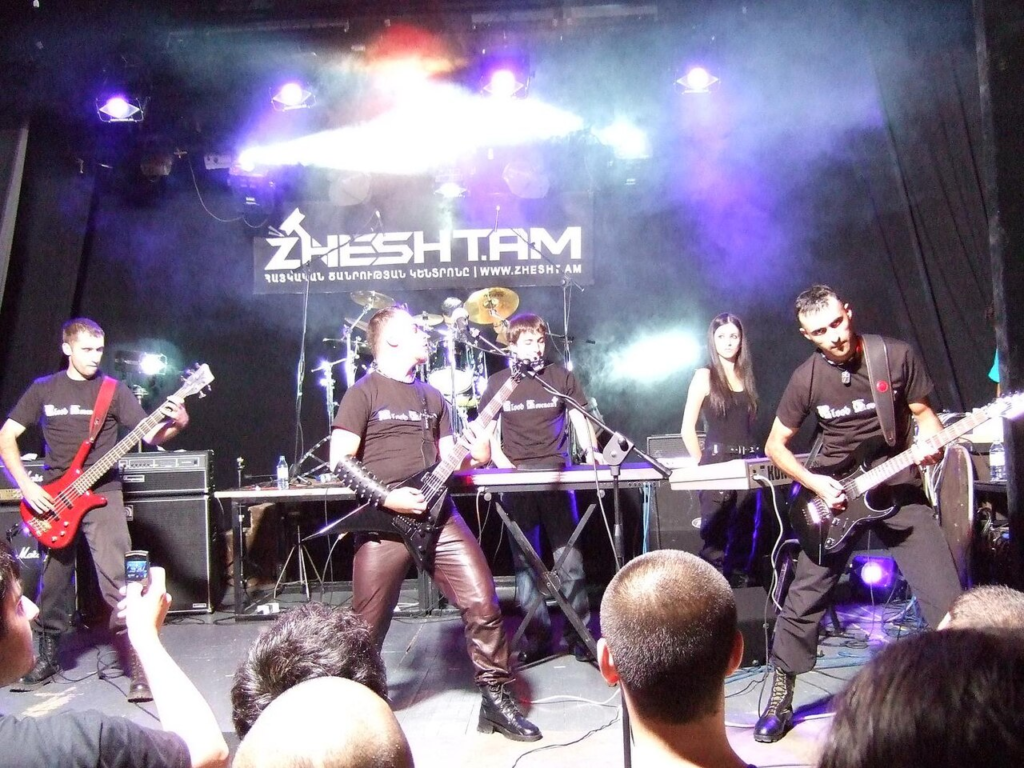
Black metal’s shrieking vocals and raw production twisted into a message of Christian worship and redemption.
Unblack metal mirrors black metal’s shrieking vocals, tremolo-picked guitars, and raw lo-fi production. But instead of satanic imagery and anti-Christian themes, it delivers a message of Christianity and worship. Emerging in the 1990s, unblack metal sparked a firestorm of controversy in the metal scene.
Bands like Horde, known for their 1994 album Hellig Usvart, flipped the script, and the internet metal forums went nuclear. Who knew you could blast the Devil and praise God at the same time? It’s the sound of darkness twisted to spread a message of light.
4. Shoegaze
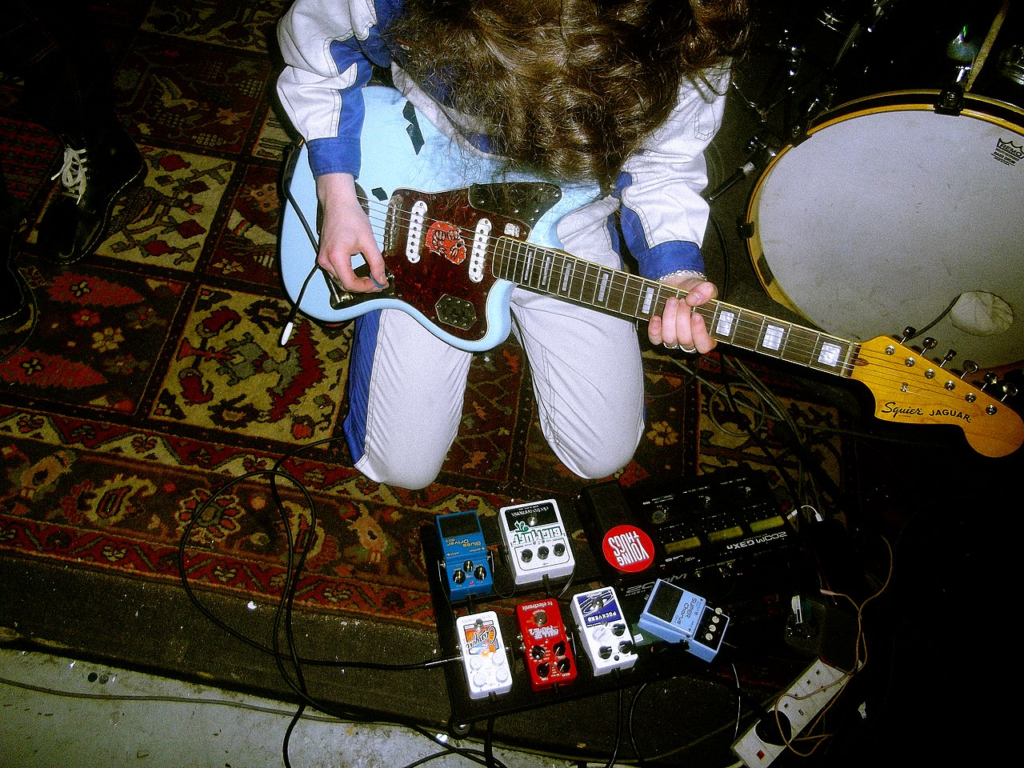
Musicians fall in love with their effects pedals, creating a swirling wall of sound where vocals become just another texture.
In the late 1980s, the UK birthed shoegaze, a genre where the musicians seemed more in love with their effects pedals than the audience. My Bloody Valentine, Slowdive, and Ride pioneered the sound: a swirling wall of sound born from layers of distortion, heavy reverb, and introspective vibes. Vocals? Often mixed so low they were just another texture, not a focal point.
Close your eyes at a shoegaze show, and you didn’t just hear the music—you felt it physically, immersed in a beautiful, noisy hurricane. That’s shoegaze—awkwardly beautiful, kinda shy, and definitely not here for the small talk.
3. Sovietwave
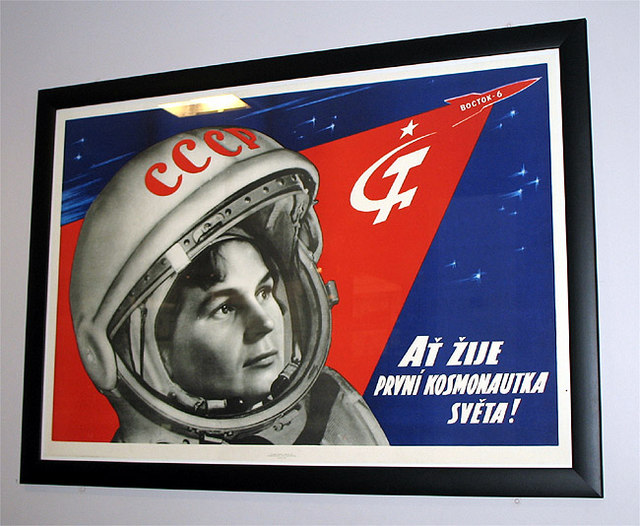
Melancholic nostalgia for the Soviet era coded into atmospheric beats that soundtrack digital Eastern Bloc ghost towns.
“Ostalgie,” or nostalgia for the Soviet era, might seem like a glitch in the matrix of music history. But Sovietwave—a vaporwave offshoot that surfaced post-2010—proves some worlds we thought were gone are just buffering. It’s a haunting atmospheric sound that mourns a lost world, like a Cold War sci-fi film scored by someone who misses state-approved broadcasts.
Artists like Kuba Povłocki aren’t just remixing samples; they’re coding melancholic nostalgia into every beat. Each note offers a bittersweet field recording from a time when propaganda posters doubled as wallpaper—a soundtrack for anyone who’s ever felt lonely longing for a past that probably wasn’t as great as memory makes it seem.
2. Drone Music

Sustained tones stretch for hours in minimalist sonic yoga poses that either clear your mind or drive you up the wall.
La Monte Young’s 1960s Dream House installation pioneered a sound that could either clear your mind or drive you up the wall. Drone music, at its core, features sustained notes or clusters that stretch for minutes, even hours, like a sonic yoga pose. It’s a minimalist experience where the magic’s in the barely-there shifts in harmony and overtones.
If pop is a sugar rush, then drone is more like a heavy dose of melatonin. Anyone who’s ever tried to meditate while their neighbors throw a karaoke party understands the need for a sound that just… holds.
1. Nose Flute

Ancient woodwind instruments turn your face into a musical device, proving that even nasal passages can have talent.
Who needs hands when your nose can orchestrate a symphony? The ancient nose flute, found worldwide, turns your face into a woodwind instrument, sans fingers. Whether it’s the Hawaiian ocarina-style hore or the Tongan fangufangu, this simple, hand-carved cone lets you exhale or inhale through your snout, modulating the tone with your mouth.
The result? A whimsical, flute-like sound that’s charming and utterly ridiculous. It’s a silly reminder that music doesn’t always need serious skill, just serious commitment to looking absurd while creating memorable moments.



 & File:Wikipedia-logo-v2-en.svg (cc-by-sa-3.0), CC BY-SA 4.0, https://commons.wikimedia.org/w/index.php?curid=87476279)