



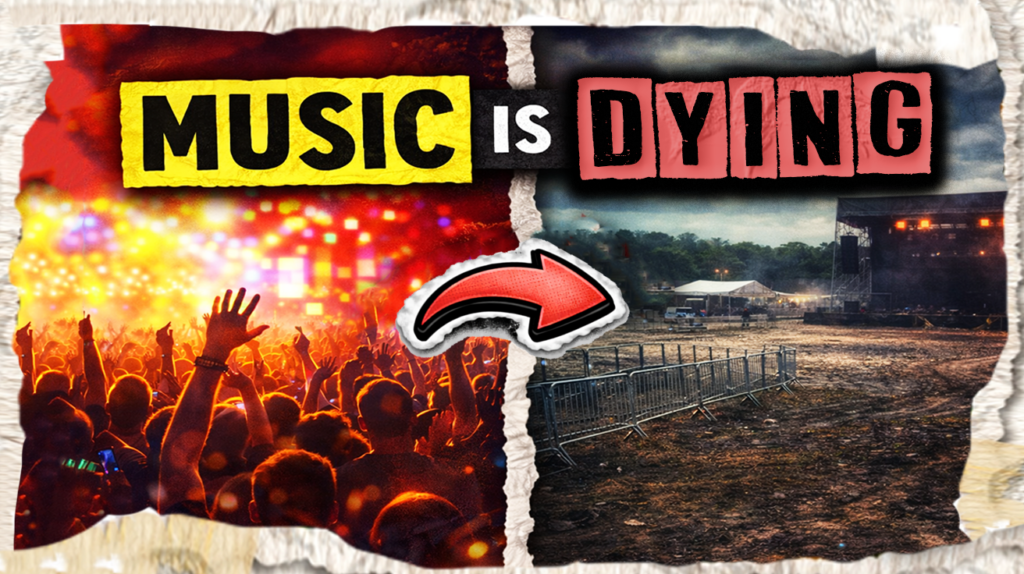
The vibe is gone. You know how it feels when the playlist skips, the band phones it in, or another festival gets axed. The music industry’s losing its touch, trading raw thrills for algorithm-approved mediocrity. What once felt like a backstage pass now hits like an elevator music loop. From UK festivals facing a 1 in 6 extinction rate since 2019 to major events struggling to fill seats, the numbers don’t lie: even iconic experiences are losing their spark.
This breakdown celebrates the few acts still kicking out the jams amid the chaos. We’re not just sniffing vinyl here; we’re digging for that elusive spark, the unexpected riff, and the unholy marriage of food and music that makes life worth living.
6. Decline of Music Festivals
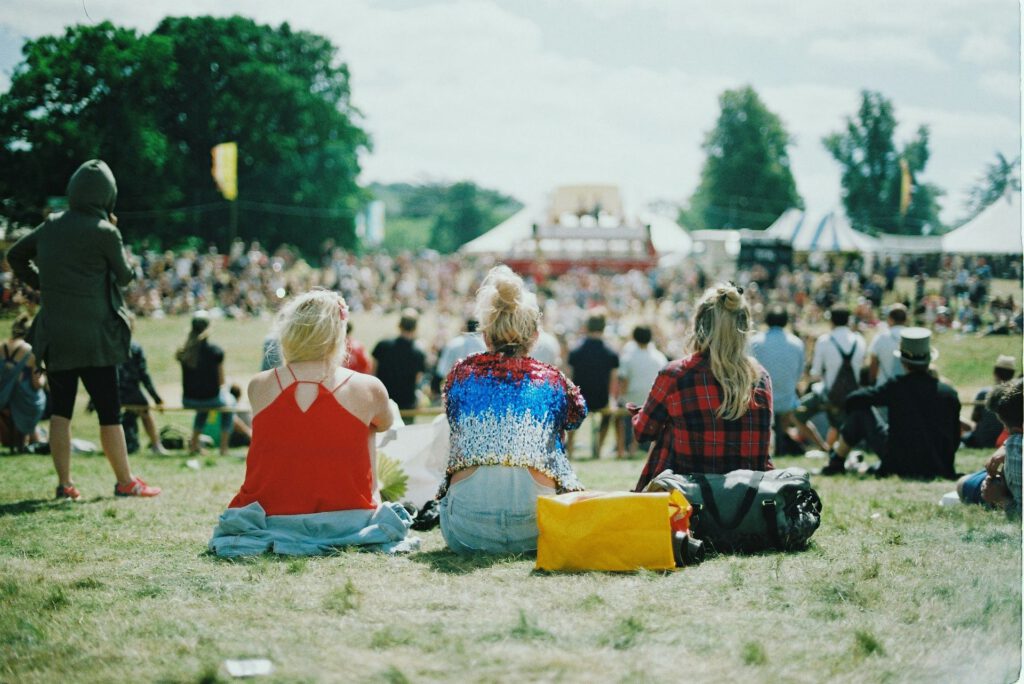
Post-pandemic debts and inflation have turned festival fields into financial graveyards.
Will smaller crowds soon be the new normal at your favorite festival? Over 100 global cancellations have already marred 2025 lineups. And it’s not just about headliners; it’s the blend of music with food culture, vendor markets, and regional eats that elevates these destination events.
Over 1 in 6 UK festivals have met their end since 2019. Forget front-row views—some fields may be ghost towns. The squeeze affects everyone, from roadies to the poor bastards slinging $15 hot dogs. The hope is that leaner times inspire some overdue ingenuity, perhaps with more intimate gatherings and a dash of DIY spirit.
5. Market Oversaturation
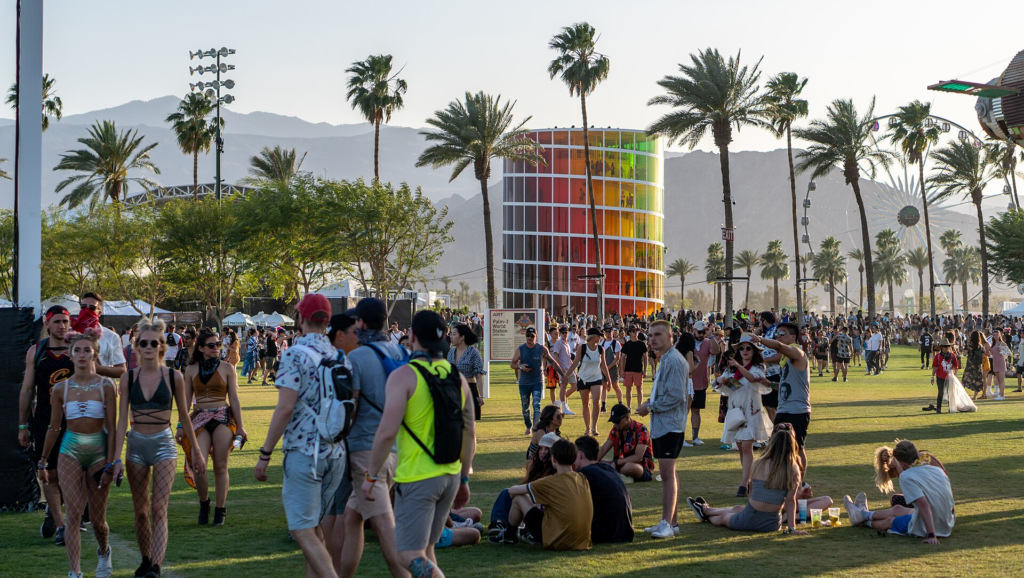
When every weekend feels like déjà vu, the thrill is undeniably gone.
Major events like Coachella saw a 15% ticket sales drop in 2024, proving even the biggest players aren’t immune to changing tides. In an era where the same headliners rotate through festival circuits, audiences are getting wise to the scam. Smaller, niche festivals that dare to be different—maybe they spotlight yodeling death metal or pair artisanal cheese with experimental electronica—are capturing imaginations.
These events once blended live performances with food stalls and local brews, turning them into destinations where attendees sought sensory experiences. You might see these repetitive lineups and think back to the last time a festival truly surprised you. That spark is getting harder to find than a good burger at 2 AM.
4. Generation Z’s Reduced Interest
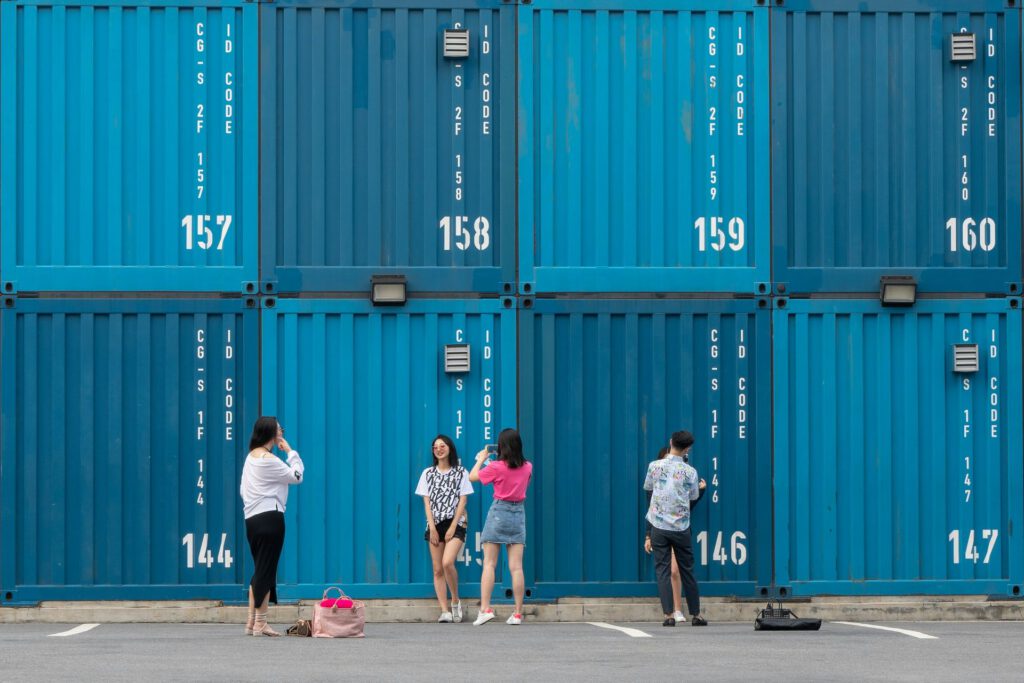
These kids are alright—just vibing differently than previous generations.
Generation Z’s reduced interest translates to fewer bodies in the crowd at hybrid food-music happenings. Chalk it up to less partying, more social media-induced isolation, and a preference for mood-based tunes over mosh pits. Social media replaces face time, turning shared raving into solo headphone sessions.
Instead of live shows that’ll leave you deaf for a week, they want playlists catering to their feelings. Suddenly, ditching IRL for digital looks like a smarter move. Who needs gourmet food trucks when you can order pizza from your couch and curate your own sonic journey?
3. Live Music Ticket Sales Drop
Promoters are hemorrhaging cash while half the guests ghost the party.
Live music ticket sales took a nosedive, dropping nearly 40% in some periods. This isn’t just a blip—it’s a potential heart attack for the industry as up to 50% of tickets go unused. Festivals, already teetering from post-pandemic debts and crippling production costs, are getting slammed.
These events aren’t just about the music; they’re culinary travel destinations where beats meet bites. Now they’re looking as shaky as a house DJ after an all-nighter, leaving both music and food vendors scrambling for survival in an increasingly hostile market.
2. 2026 Music Industry Trends
Fans now curate playlists by emotion, ditching old-school categories for pure vibes.
Music is less about genre and more about mood heading into 2026. Ethical streaming is the new black, as listeners diversify platforms to support artists directly, giving the middle finger to shady royalty deals. Think of it as trading fast fashion for vintage vinyl, each with its own history.
This shift spotlights a growing chasm: professional musicians versus hobbyist creators. The mainstream? Kinda blah, frankly. Blame algorithm-choked discovery and label-fed hype. The real juice is in ethical, personalized sounds—and you’ve got to dig underground to find it, not just accept what the radio gods are beaming down.
1. 2026 Festival Pauses
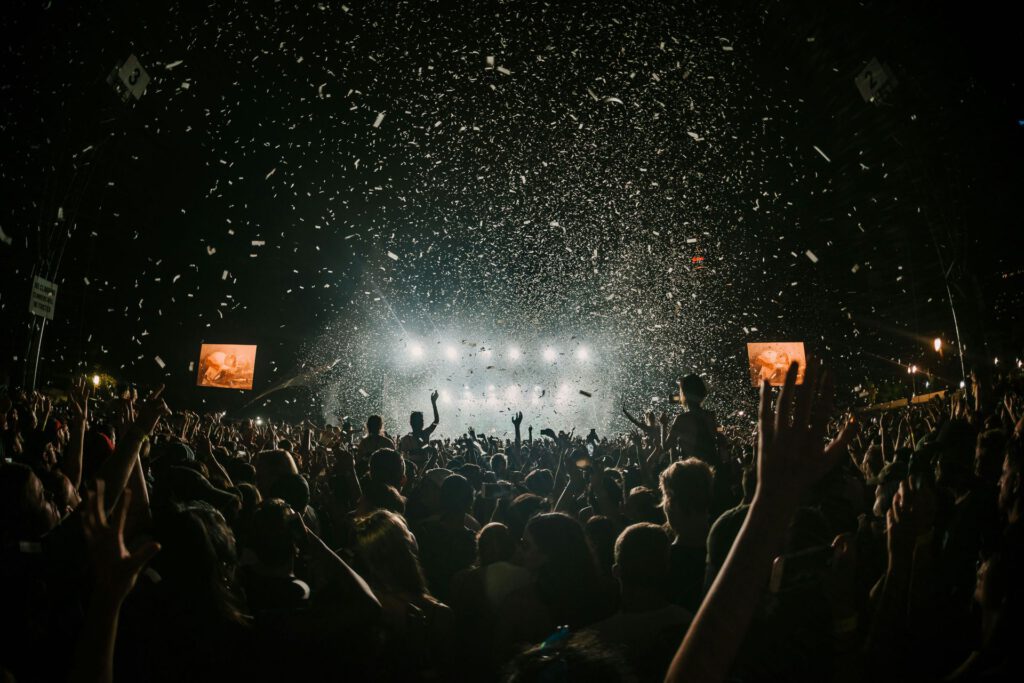
Even Arizona’s electronic music bacchanal couldn’t survive the post-pandemic debt blues.
Specific pauses, such as Desert Hearts and Alabama’s Hangout Music Festival, signal a music world hangover brewing in 2026. Venues shuttered, production costs spiked, and Generation Z would rather curate vibes on social media than crowd-surf for the ‘gram.
The party’s on strategic pause, but events highlighting culinary uniqueness might just be the life rafts in this sea of sameness. Niche festivals are still kicking, proving that good taste in both music and food never goes out of style. If you want an authentic experience, keep your ears—and palate—open for something truly original.